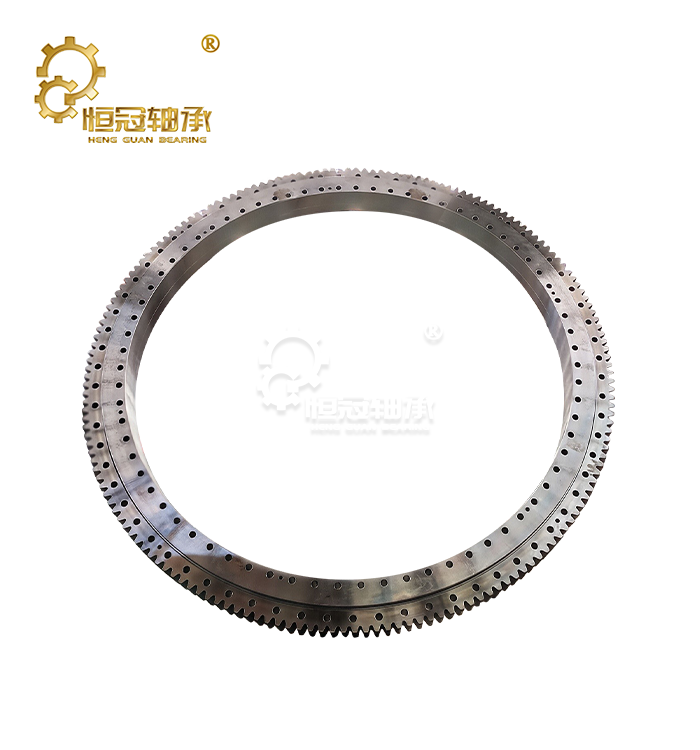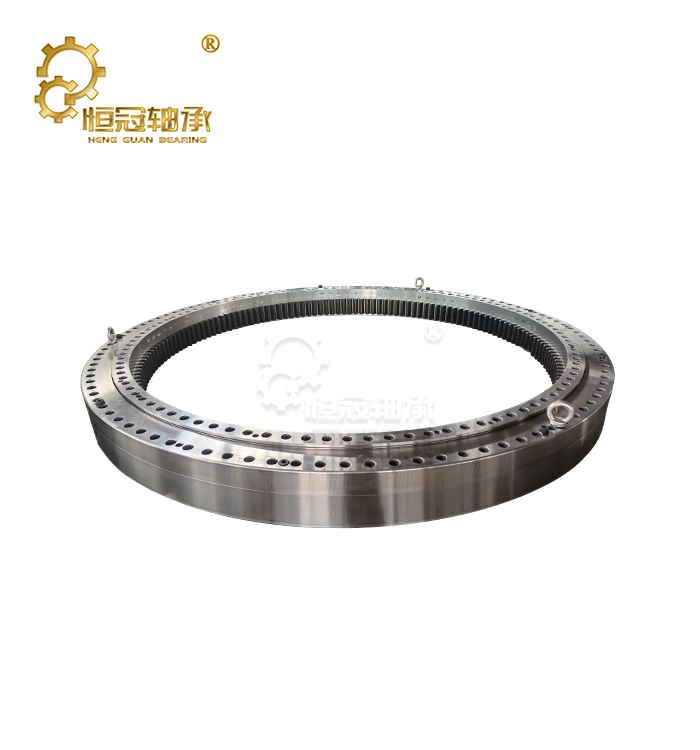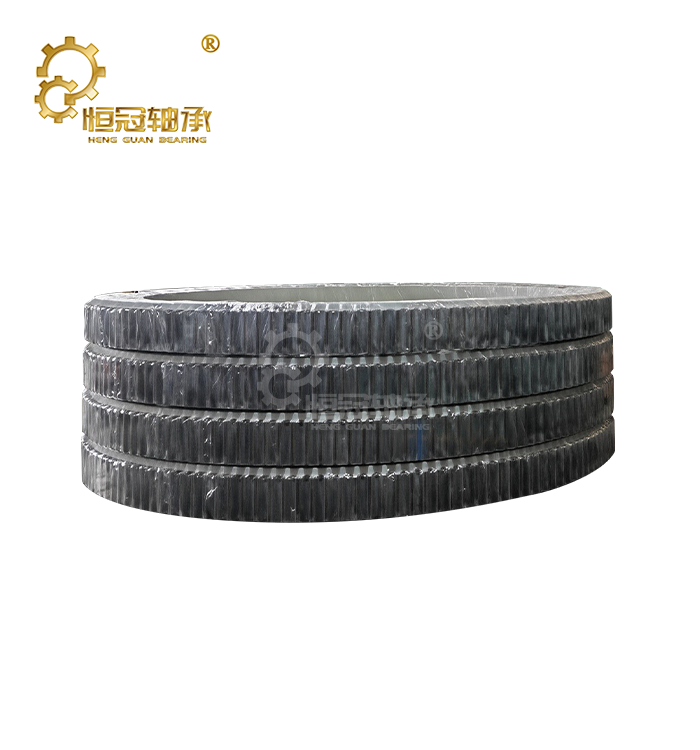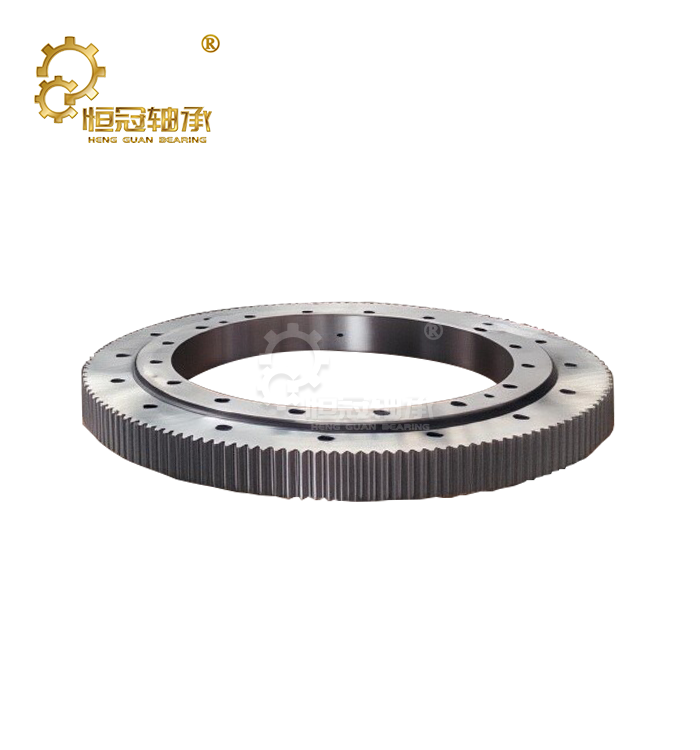




What are the Maintenance Practices for Double Row Ball Slewing Bearings?
Proper maintenance is essential for ensuring the reliability and service life of Double Row Ball Slewing Bearings, especially in heavy-duty equipment that operates under combined axial, radial, and overturning moment loads. Applications such as tower cranes, port machinery, mining equipment, loaders, and wind turbines rely on these bearings to provide smooth rotation and stable load support.
Slewing bearings are unlike standard bearings and have complex forces all the time and have to keep the correct motion between the raceways and the rolling elements. Periodic inspections, proper management of lubricants, control of pollutants, installation, and condition monitoring checks should be included in a professional maintenance program. Industrial equipment is designed to ensure maximum operational efficiency with minimized unexpected downtime and early wear and tear.
Double-row ball slewing bearings feature two rows of rolling elements, through which the loads are transferred over a large number of contact points, such that they have a high load capacity and a higher resistance to tipping loads. But they are very sensitive to some maintenance practices and proper working conditions.
Key Factors That Influence Double-Row Ball Slewing Bearing Service Life
Before you can develop a maintenance plan, it is vital to understand the factors that directly impact bearing performance. It’s seldom a single factor that leads to bearing failure. Usually it’s the end result of a mix of lubrication difficulties, contaminants, improper installation, excessive loads, or poor inspection.
Understanding the Dual Raceway Structure and Load Conditions
The biggest advantage of double-row ball slewing bearings is that they have two rows of balls. This bearing has two rows of steel balls, running in distinct raceways, which gives it better force distribution than conventional single-row designs.
The bearing can hold the following:
Axial loads due to lifting or rotation actions;
Radial loading due to equipment movement and external forces;
Tilting moments due to uneven loading conditions.
For example, in tower cranes, the moment load during lifting operations usually varies, but in mining machinery, continuous vibration and shock loads are common. Proper maintenance is crucial in these applications, as uneven wear in one raceway can affect the load sharing of the entire bearing system.
Material Quality and Manufacturing Precision
The life of a slewing bearing is determined not only by the design but also by the quality of the materials and the production processes. Bearing rings are often selected from high-strength alloy steels such as 42CrMo and 50Mn owing to their excellent mechanical strength and resistance to repeated loading.
Rolling elements are usually made of high-quality bearing steels such as GCr15SiMn, which have good hardness and wear resistance after heat treatment. Even the best materials need adequate care. Loss of lubrication, contamination, or wrong mounting circumstances can speed up surface degradation.
During the production process, important elements such as the accuracy of machining the raceway, the precision of the gear, the consistency of heat treatment, and the performance of the seal must be strictly regulated. These production parameters directly influence the operating stability and maintenance requirements.
Establishing an Effective Maintenance Schedule
A sound maintenance program should include both routine inspection and preventive measures. Maintenance crews must look for early warning indicators before major damage occurs, not just unexpected noise, vibration, or movement.
Regular Visual Inspections and Bolt Condition Checks
Visual examination is one of the easiest and most efficient means of maintenance. The frequency of inspection depends on the working environment, operational parameters of equipment, and load cycles. Heavy-duty equipment operating in dusty, humid, or high-load situations needs to be checked more often than equipment operating under normal conditions.
During inspection, the maintenance professionals should check the following:
Grease coming out of the sealing areas;
Visible cracks or corrosion traces on bearing rings; abnormal wear of gear teeth;
Loose mounting bolts; unusual noise or vibration during operation.
The inspection of the mounting bolts is of great importance, since a loosening of the bolts might modify the load distribution between the bearing and the supporting structure. Uneven bolt preload can increase stress on the raceways and cause fatigue damage to occur sooner.
If abnormal movement or recurrent loosening of bolts occurs, the cause should be explored rather than re-torquing the bolts. Possible causes can include wrong installation, insufficient surface accuracy of mounting, too big operating loads, or deformation of structure.
Monitoring Seal Performance and External Protection
A sealing system is important to protect double row ball slewing bearings from external contamination. The broken seal might allow dust, moisture, metal particles, and chemical compounds to enter and increase raceway wear.
Common seal materials are
Nitrile rubber (NBR) for general industrial settings;
Fluororubber (FKM) for higher temperatures or chemical exposure
Operators should check that seals exhibit evidence of the following:
Cracking;
Hardening;
Deformation;
Oil or grease leaking.
Normal lubrication measures cannot always remove contaminants inside the bearing, so a damaged seal should be replaced as soon as feasible.
Advanced Monitoring Methods for Preventive Maintenance
Routine inspections can find many apparent flaws, but current maintenance plans are increasingly using condition monitoring technologies to discover internal problems before they become significant failures. For large industrial equipment, early detection might be less expensive than emergency repair after unexpected bearing damage.
Vibration Analysis and Operating Condition Monitoring
Abnormal vibration is one of the earliest signs of probable bearing issues. Raceway corrosion, unequal loads, inadequate lubrication, or installation difficulties might cause changes in the vibration patterns.
This helps maintenance teams understand what normal operating vibration levels are and compare current performance data to past conditions. Gradual vibration rise may be a sign of growing wear, whereas rapid shifts can indicate more significant problems that need to be inspected immediately.
For essential equipment such as cranes, wind turbines, and mining machinery, vibration monitoring can be integrated with additional inspection methods like temperature measurement and lubrication analysis. This provides a more full understanding of the bearing condition.
Temperature and Grease Condition Monitoring
The operating temperature provides a useful indication of the efficacy of the lubrication and the internal friction. A quick spike in temperature may indicate the following:
Insufficient lubrication;
Excessive friction;
Contamination in the raceway;
Heavy operating loads.
Regular grease inspections might also serve as early warning flags. Color, consistency, or texture changes of the grease could indicate oxidation, contamination, or lubricant breakdown.
Visible metal particles in old grease may indicate interior wear of raceways or rolling elements. If abnormal grease conditions are observed, maintenance personnel should look for the source rather than just apply more lubrication.
Troubleshooting Common Double-Row Ball Slewing Bearing Problems
Operating circumstances can eventually generate problems despite proper maintenance measures. Operators who can recognize the indicators of typical failures are then able to take corrective action before the damage is irreversible.
Lubrication Failure and Excessive Wear
Lubrication difficulties are one of the more frequent causes of premature bearing degradation. Insufficient lubrication causes the protective barrier between the steel surfaces to grow thinner, which increases the friction and accelerates the wear.
Common symptoms of a lubrication problem are:
Abnormal running noise.
Increased temperature.
Rough rotation.
Visible wear particles in grease.
More grease isn’t always the answer. Maintenance workers must first discover the cause of the lubrication failure. Wrong grease selection, damage to the seal, poor lubrication frequency, or ingress of pollution into the bearing system might cause this.
Sometimes a complete repair step would include cleaning, replacing any damaged seals, selecting an appropriate lubricant, and altering the maintenance plan.
Raceway Damage and Wear Pattern Identification
The condition of the raceways is a significant indicator of how the bearing has been performing. A properly installed and maintained bearing will have relatively homogeneous contact patterns on the raceway surface.
Common wear patterns are the following:
Raceway wear is uneven:
This may be due to poor attachment, low precision of the mounting surface, and unequal load distribution.
Localized areas of wear:
Concentrated damage may be caused by excessive moment loads or structural deformation.
Spalling and surface fatigue:
Material separation from raceways or rolling parts generally occurs in small pockets due to repeated stress, contamination, or inadequate lubrication.
Pitting corrosion: Corrosion of metals in the form of little holes.
Corrosion damage can occur, and small surface cavities may emerge due to moisture entering the bearing.
Engineers can use these patterns to identify whether the problem is related to operational conditions, installation quality, or maintenance procedures.
Seal Damage and Contamination Control
Another important cause of reduced bearing life is seal failure. Contaminants once in the internal structure can cause abrasive wear that damages rolling elements and raceways.
Common reasons for seal failure include:
Extreme weather;
Chemical assault;
Mechanical action;
Improper installation;
Long-term operation caused aging.
Operators should clean the exterior bearing surface prior to lubrication to minimize contamination concerns. This keeps dust and debris near the lubrication ports from entering the bearing during servicing.
In extreme locations such as mines, ports, and construction sites, you may need to take additional precautionary steps when using double row ball slewing bearings. Better sealing solutions or protective covers may drastically decrease contamination exposure.
Installation Practices That Reduce Future Maintenance Problems
Maintenance performance is highly influenced by the initial installation quality. Even a good bearing will fail prematurely if the mounting conditions are not right.
Checking Mounting Surface Accuracy
The supporting structure should be thoroughly checked prior to installation. The mounting surfaces must be:
Clean and clear of contaminants;
Flat within specified tolerances;
clear of paint accumulation or machining flaws.
Uneven mounting surfaces can cause distortion of bearing rings and produce aberrant stress concentrations. This may over time cause wear of the raceway, higher friction, and reduced load capacity.
Correct Bolt Tightening and Load Distribution
Tighten mounting bolts to specified torque values and in the specified tightening sequence. If the bolt preload is not uniform, a part of the bearing will be overloaded while other parts will be underloaded.
Properly installed bolts help to preserve the following:
Balanced connection of bearing structure;
Even distribution of forces;
Lower danger of deformation.
After the first operation the bolt conditions should be examined again, as settling of the connected components may impact the preload.
Comparing Maintenance Requirements with Other Slewing Bearing Designs
Knowledge of the influence of bearing arrangements on maintenance needs enables engineers to select appropriate solutions for individual applications.
Double Row Ball Slewing Bearings Compared with Single Row Designs
Single-row slewing bearings often have a simpler design and, in moderate-duty applications, may have fewer maintenance considerations. However, the load capacity of the equipment may be reduced in case of severe overturning moments or coupled forces.
Double row ball slewing bearings use two rows of balls, which are better for load distribution. This design has advantages in heavy-duty applications but calls for careful lubrication management, as there are more rolling contact regions that need to be well protected.”
The extra maintenance costs are generally compensated by the increased load handling capacity and operational reliability of equipment such as tower cranes, loaders, and industrial rotating platforms.
Double Row Ball Slewing Bearings Compared with Cross Roller Designs
Cross roller slewing bearings have cylindrical rollers, which are oriented in alternating directions, thereby providing line contact instead of point contact. This gives good stiffness and positioning precision.
However, cross roller bearings are more sensitive to the installation accuracy and contamination control. The double-row ball designs may be more suited for applications requiring a balance of load capacity, durability, and maintenance practicality.
The right decision depends on such working parameters as load type, rotation speed, environmental exposure, and maintenance ability.
Supplier Selection and Long-Term Maintenance Support
Selecting a good bearing supplier is an essential aspect of lowering lifecycle costs. The purchasing price of a double-row ball slewing bearing is one portion of the entire investment. Product reliability, technical support, customization capability, and after-sales service impact long-term operation expenses.
Evaluating Manufacturing Capability and Quality Control
Reliable manufacturers should have complete manufacturing and inspection capacity. The important things are:
Machine tools high-tech;
Control of heat treatment;
Check accuracy of the raceway;
Gear processing capacity;
Final performance testing and material traceability.
A professional supplier should be able to provide technical papers such as material certificates, inspection reports, and product specifications to support choices for equipment maintenance and replacement.
Customization and Replacement Support
Industrial equipment is routinely in operation for many years, and original bearing models might become difficult to find. The engineering experience suppliers may assist with replacement projects in terms of drawing review, dimensional measurement, and custom manufacture.
This feature is particularly advantageous for older cranes, mining equipment, and specialized industrial equipment whose replacement parts may no longer exist.
Building a Maintenance Partnership
Long-term relationships with a bearing manufacturer can boost maintenance efficiency. Discuss operational hazards. Technical communication during selection, installation, lubrication planning, and troubleshooting can lower those risks.
Experienced providers can help their customers to:
Bearing selection installation guidelines Maintenance suggestions: Failure analysis replacement planning
This collaboration model enables firms to transition from reactive repair to proactive maintenance plans.
Conclusion
Maintaining double row ball slewing bearings requires a systematic approach that combines regular inspection, proper lubrication, contamination prevention, installation control, and condition monitoring. Because these bearings operate under complex axial, radial, and moment loads, small maintenance issues can gradually develop into serious failures if they are ignored.
A successful maintenance program begins with understanding bearing structure and operating conditions. Regular checks of seals, bolts, lubrication status, vibration levels, and wear patterns allow maintenance teams to identify problems early and reduce unexpected downtime.
For heavy-duty applications, selecting a reliable bearing supplier is equally important. Manufacturers with strong engineering capability, quality control systems, and technical support services can help customers achieve better performance throughout the bearing lifecycle.
By combining correct maintenance practices with professional technical support, companies can maximize the service life of double row ball slewing bearings, improve equipment reliability, and reduce total ownership costs over the long term.
|
|
Partner with Heng Guan for Superior Bearing Solutions and Support
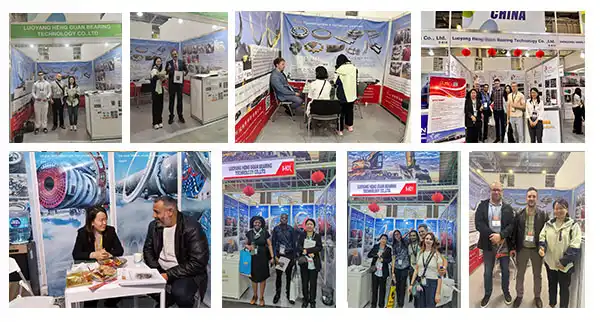
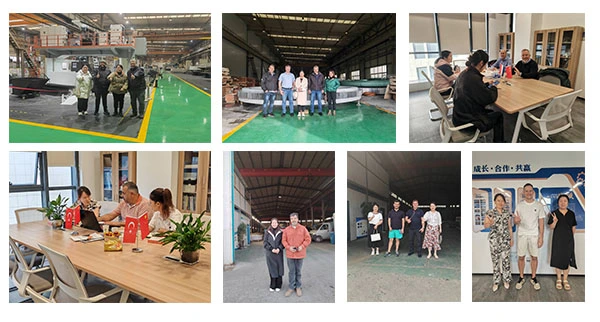
Choosing the right source for Double Row Ball Slewing Bearings affects how reliable your equipment is, how well it maintains itself, and how much it costs to run over the life of the bearings. Heng Guan combines advanced manufacturing skills with 20 years of specialized bearing engineering experience to provide high-performance solutions for demanding uses in mining, building, wind power, and material handling. Our all-around method includes precise production with GCr15SiMn bearing steel and 42CrMo structural materials, quality assurance that is ISO 9001-certified, and a lot of customization options, such as reverse engineering for old equipment. We help maintenance teams improve bearing performance by giving them expert advice, personalized maintenance tips, and quick response times. We have clients in more than 50 countries. Get in touch with our engineering team at mia@hgb-bearing.com to talk about your unique needs. As your trusted double row ball slewing bearing manufacturer, we can help you find standard designs or create custom solutions.
References
1. Harris, T.A., and Kotzalas, M.N. (2006). Rolling Bearing Analysis: Essential Concepts of Bearing Technology. CRC Press, Boca Raton, Florida.
2. ISO 76:2006. Rolling Bearings – Static Load Ratings. International Organization for Standardization, Geneva, Switzerland.
3. Glover, D. (1988). "Slewing Bearing Maintenance and Lubrication Practices for Mobile Cranes." Journal of Construction Engineering and Management, Vol. 114, No. 3, pp. 445-462.
4. Neale, M.J. (Ed.) (1993). The Tribology Handbook. Butterworth-Heinemann, Oxford, United Kingdom.
5. SKF Group. (2014). Rolling Bearings Catalogue: Maintenance and Lubrication. SKF Group Technical Publications, Gothenburg, Sweden.
6. Zhang, Y., and Liu, J. (2018). "Failure Analysis and Preventive Maintenance of Large Slewing Bearings in Heavy Machinery." Engineering Failure Analysis, Vol. 85, pp. 277-291.

WHAT OUR CUSTOMERS SAY
Here is the customer's evaluation of us