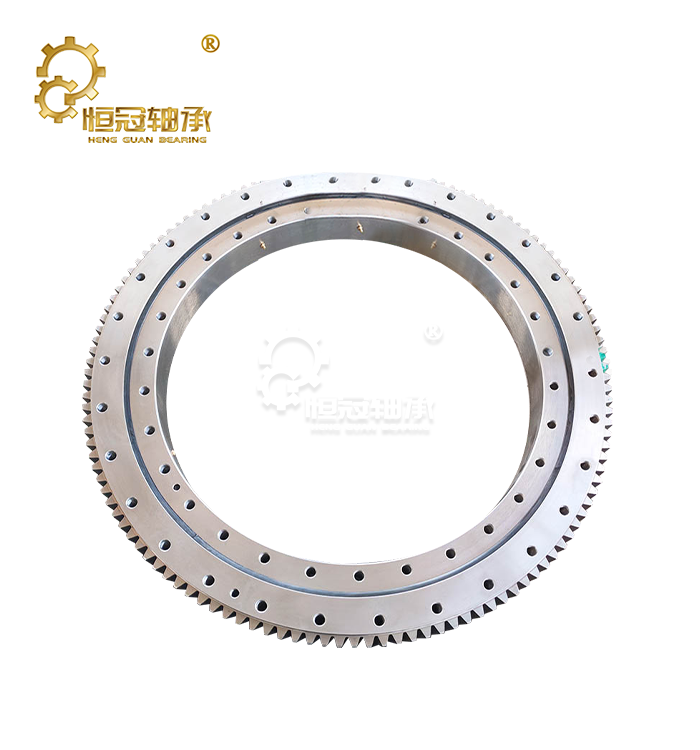




Applications of Slew Bearings in the Industrial Field
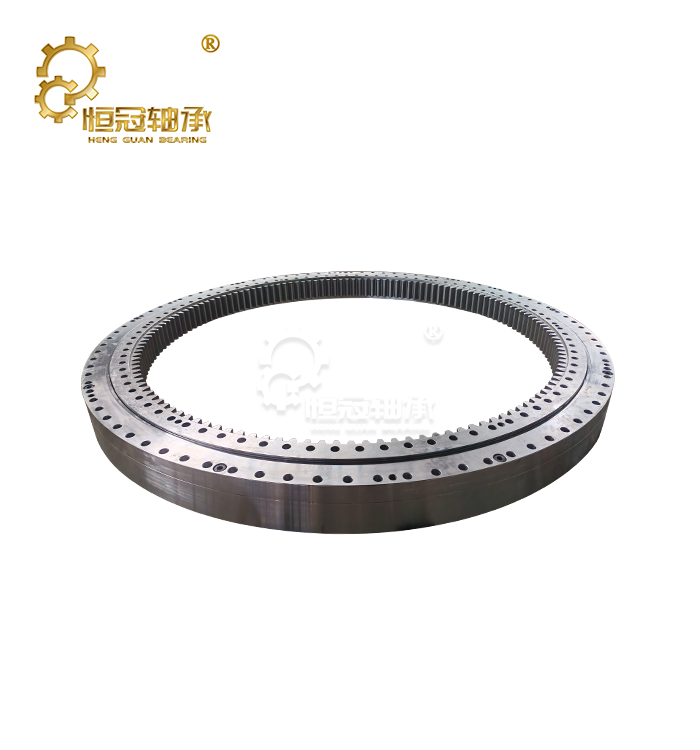
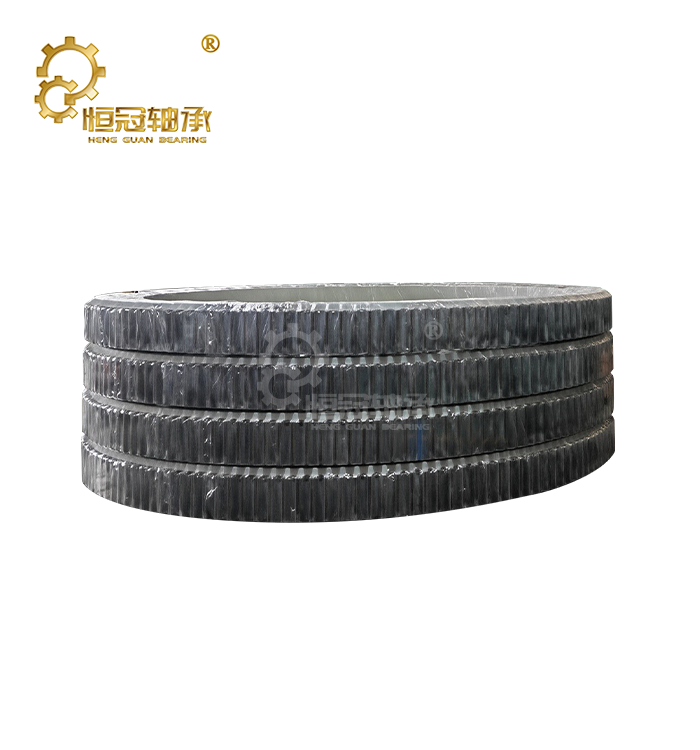
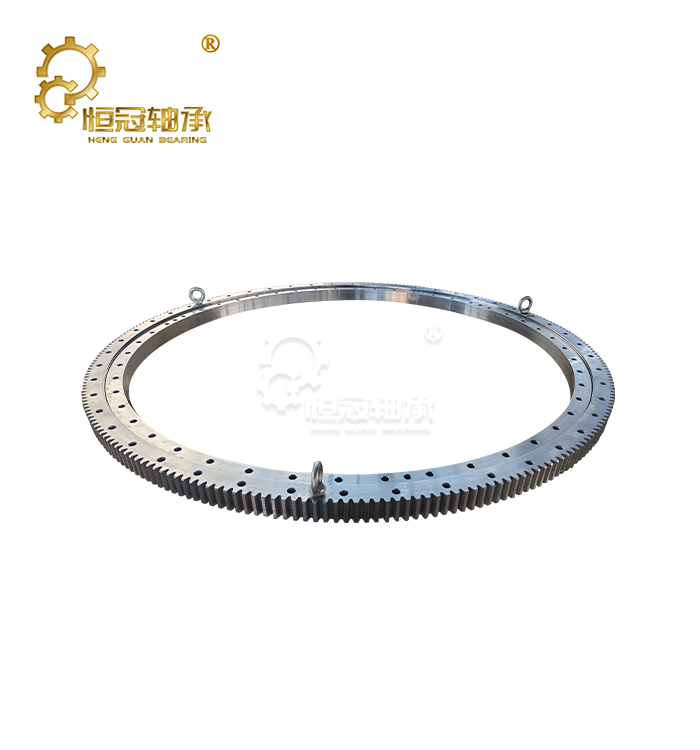
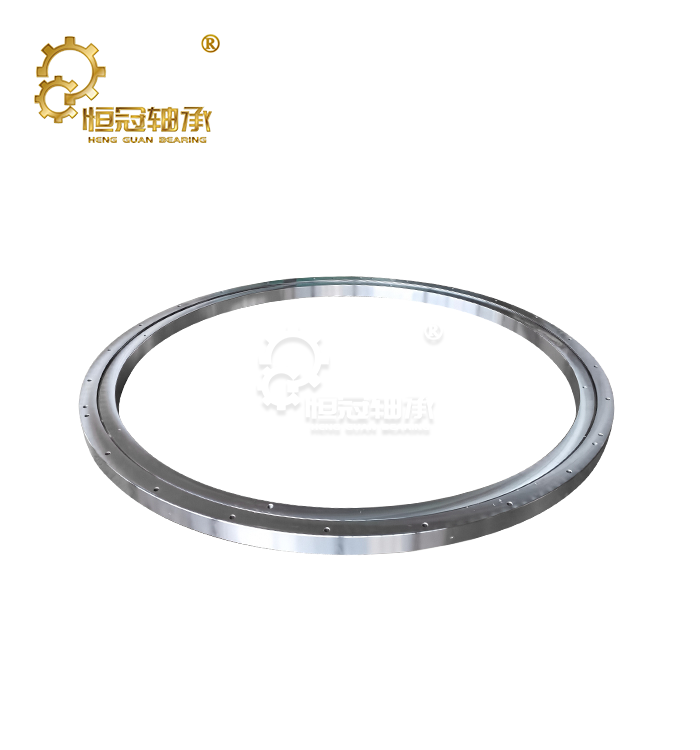
Large Slewing Bearings are important turning joints in heavy machinery. They are made to handle axial, radial, and shifting moment loads all at the same time in a small space.Traditional bearing systems need various components for different directions of load. Slewing bearings combine several functions in a compact form. The big diameter and hollow core give more room for hydraulic lines, electrical cables, and control systems, simplifying equipment design and improving operational efficiency.
Large slewing bearings have wide application in construction cranes, wind turbines, mining equipment, port handling equipment, tunnel boring machines, and industrial automation systems. These bearings are available in small sizes for precision applications and in very large sizes, often several meters in diameter, depending on the requirements of the application.
Picking the right slewing bearing for equipment makers and operators requires more than just load capacity. The long-term dependability is dependent on the operating environment, the rotation frequency, the sealing performance, the maintenance requirements, and the service life.
Understanding the Design Characteristics of Large Slewing Bearings
How Slewing Bearings Handle Complex Industrial Loads?
One of the biggest advantages of slewing bearings is that they can accommodate numerous forces simultaneously. In heavy-duty applications, equipment is often subjected to vertical loads, horizontal forces, and overturning moments at the same time.
For example, if a crane is lifting big cargo at maximum boom extension, the bearing must support the following:
The vertical load weight of the lifted load
Lateral forces due to wind and equipment motion
overturning moments induced by boom extension and counterweight systems
A suitable choice of the slewing bearing distributes these forces through specifically designed raceways and rolling elements. This eliminates the requirement for separate thrust bearings, radial bearings, and support structure.
One of the most crucial tasks before choosing a bearing is calculating the load correctly for OEM manufacturers. Improper calculation of combined loads can result in premature wear, excessive deformation, or unanticipated downtime of raceways.
Structural Designs Available for Different Applications
Different industries need different structures of slewing bearings. Manufacturers often select bearing designs according to load conditions, rotation specifications, accuracy requirements, and installation space.
Single-Row and Double-Row Ball Slewing Bearings
Ball slewing bearings find wide application in cases where moderate loads and smooth rotation are desired. They have lower friction characteristics and so are appropriate for applications where the speed of rotation and efficiency are critical.
Double-row ball structures can improve the contact distribution and the distance between load-carrying sites, which can increase the load capacity. They are often employed on cranes, aerial lifts, and rotary equipment where the overturning moment is larger.
Cross-Roller Slewing Bearings for Precision Equipment
Cross-roller designs use cylindrical rollers at alternate angles, which makes the bearing suitable for axial loads, radial loads, and moment loads with high stiffness.
Cross-roller slewing bearings are generally used for:
Excellent rotational precision.
Robots industrial
Semiconductor equipment
Medical imaging equipment
Precision automation platforms
The applications demand consistent positioning performance and low backlash.
Three-Row Roller Slewing Bearings for Heavy Machinery
For applications with exceptional requirements, the three-row roller slewing bearing with isolated raceways offers higher load capacity.
Each roller row may sustain varied load directions. The bearing can support very large axial and radial forces. This is a common design in
Great cranes.
Shovels, bucket wheels
Mining Machinery
Heavy-duty material handling equipment
The split load routes reduce stress concentration and improve reliability in continuous heavy load operation.
Key Engineering Factors Affecting Slewing Bearing Performance
Material Selection and Heat Treatment
The life of a bearing is determined by the quality of the materials. Large slewing bearings are constructed from high-strength alloy steels like 42CrMo or 50Mn. These steels usually offer a good compromise between toughness, fatigue resistance, and machinability.
Rolling elements are generally made of high-quality bearing steels, e.g., GCr15SiMn. Generally, the surface hardness of the raceway can be increased to about 58~62 HRC using controlled heat treatment methods to improve the resistance against wear and contact fatigue.
However, the selection of materials must always be consistent with the working conditions. The offshore equipment may require increased protection against corrosion, and the mining machinery may require greater resistance to impact through shock loading.
Sealing and Lubrication Protection
Contamination is one of the most significant reasons for premature bearing failure in industrial applications. If they go into the internal structure, they can damage raceways and rolling elements. Dust, water, chemicals, and abrasive particles can damage raceways and rolling elements.
Effective sealing systems help to maintain lubricant performance and avoid contamination from external sources. Common solutions:
Rubber seals with many lips for broad industrial use
Fluororubber seals in high-temperature or chemical environments
Specialist seal designs for the mining and marine industries
And proper lubrication is just as crucial. Factors that determine the correct type of grease and lubrication interval are:
Load strength
Rotational speed
Temperature ranges
Environmental exposure
A good lubrication program will minimize friction, reduce wear, and increase service intervals.
Industrial Applications of Large Slewing Bearings
Wind Turbine Pitch and Yaw Systems
Reliable spinning components are essential to wind energy equipment. Slewing bearings are employed largely in pitch and yaw systems in modern wind turbines.
Pitch bearings are fitted between the blades and hub, which allows the angles of the blades to be adjusted depending on wind speed and operating conditions. Unlike continuously rotating bearings, pitch bearings are subject to frequent oscillating motion that generates specific issues relating to distribution of lubricant, vibration, and change of load.
Yaw bearings allow the turbine nacelle to spin into the optimal wind direction. Because wind turbines are always outdoors, these bearings have to be able to withstand:
Wind loads (variable)
Temperature variations
Exposure to moisture
Longer service intervals
Good sealing systems and corrosion-resistant designs are important if you want to increase turbine availability and reduce maintenance costs.
Construction Cranes and Lifting Equipment
One of the most typical applications for large slewing bearings is the construction crane.
The slewing bearing connects the rotating top structure (boom, operator cabin, and counterweights) with the fixed base. In addition to the equipment weight, the bearing must be able to withstand the overturning moment caused by suspended loads during the lifting activities.
The bearing performance has a direct impact on the following for mobile and tower cranes:
Lifting safety.
Stable rotation
Precision of load placement
Service life of equipment
Usually, the bearing capacity is measured by the manufacturer according to the real working conditions, such as maximum lifting radius, frequency of the load cycle, and the environment.
Mining and Heavy Excavation Equipment
Mining applications represent some of the most severe service conditions for rotating equipment. Excavators, stacker reclaimers, and tunnel boring machines are exposed to continual heavy loads, vibration, dust exposure, and shock impacts.
In these applications, large slewing bearings are used to provide the rotational link between the main structural components and are able to handle very high loads. For instance, bucket wheel excavators use massive slewing systems to turn cutting mechanisms that take out vast quantities of material in continuous operation.
Bearings used in mining applications often must have the following:
High static load capacity
Excellent impact resistance
Good contamination protection
Long service intervals
Sealing performance is especially critical in mining conditions where there are abrasive particles and dampness. Special sealing systems and protective coatings can substantially increase the reliability of bearings in difficult environments.
The high cutting forces caused by the excavation heads necessitate the design of the slewing bearings for tunnel boring machines (TBMs) to be able to withstand them. The bearing design has to consider not only the weight of the cutter head but also the dynamic forces generated during the penetration of the rock.
Port Machinery and Material Handling Systems
Ports rely on dependable rotating equipment to keep the goods moving efficiently. Ship loaders, harbor cranes, and container handling systems generally run continuously in challenging environments.
Large slewing bearings in port machinery have to deal with the following:
Excellent lifting capacity
Frequent rotation cycles
Coastal environment wind loads
Risks of corrosion from salt exposure
Corrosion prevention is therefore an important design element in offshore and marine applications. Specialized grease, better sealing systems, and coatings for protection decrease maintenance and increase service life.
Choosing the right slewing bearing can increase equipment availability and reduce the danger of unplanned shutdowns that may interfere with port operations.
Industrial Automation and Precision Equipment
While slew bearings are typically thought of as components for heavy equipment, they are also employed in precision industrial applications where accuracy and repeatability are critical.
Bearings for industrial robots, rotary positioning platforms, and automated manufacturing equipment need to:
Low resistance to rotation
little resistance
High positioning precision
Stable cycling performance over several cycles
In these applications, cross-roller slewing bearings are often used since the roller arrangement guarantees good stiffness with the smallest possible size.
The accuracy of rotation is directly proportional to the quality of products and the efficiency of production in the automobile industry, electronics assembly, and automated inspection systems.
How to Select the Right Large Slewing Bearings for Industrial Applications?
Evaluate Operating Loads and Working Conditions
To select the right slewing bearing, you need to understand the real working environment. “Engineers need to understand the whole load profile and not just the max static capacity.
The main selection factors are the following:
Normal load
Radial Loading
Moment of tilt
Rotational speed
Frequency of operating cycle
Shock loads
Range of temperature
For example, a crane that is subject to periodic heavy lifting loads needs a different bearing system than a continually rotating mining machine.
In addition, dynamic aspects should be considered, since the actual operating conditions also include acceleration, braking, vibration, and sudden changes in loads.
A professional bearing supplier may aid with load calculations and recommend adequate raceway constructions, rolling element designs, and safety factors.
Consider Environmental Requirements Before Final Selection
The operating environment has a great influence on bearing performance.
Different design techniques are needed for different conditions:
Offshore and Coastal Applications
The bearings are exposed to salt spray and humidity in a marine environment. Usually these apps need the following:
Better corrosion prevention
Enhanced sealing systems
Lubrication suitable for marine applications
Mining and Quarry Applications
Dust, collision, and pollution threats are exposed to mining equipment. Suggested remedies generally include:
Heavy strength seal designs
Materials with wear resistance
Longer service intervals
High-Temperature Industrial Applications
Bearings in steel mills and manufacturing plants may be subjected to high temperatures. High-temperature grease and appropriate sealing materials help to keep performance under these conditions.
Size and load rating alone are not enough to select a bearing; environmental considerations must also be considered to ensure bearing service life.
Supplier Evaluation Criteria for Large Slewing Bearings
Manufacturing Capability and Engineering Support
Choosing the right supplier is as important as choosing the right bearing design.
A reliable manufacturer should provide more than standard products. Engineering support is valuable during:
Bearing selection
Load analysis
Drawing review
Installation guidance
Performance evaluation
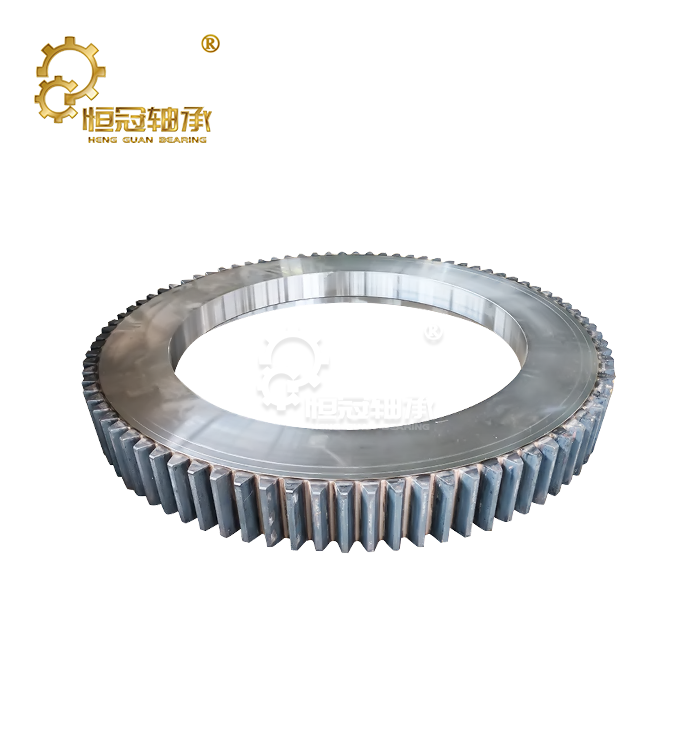
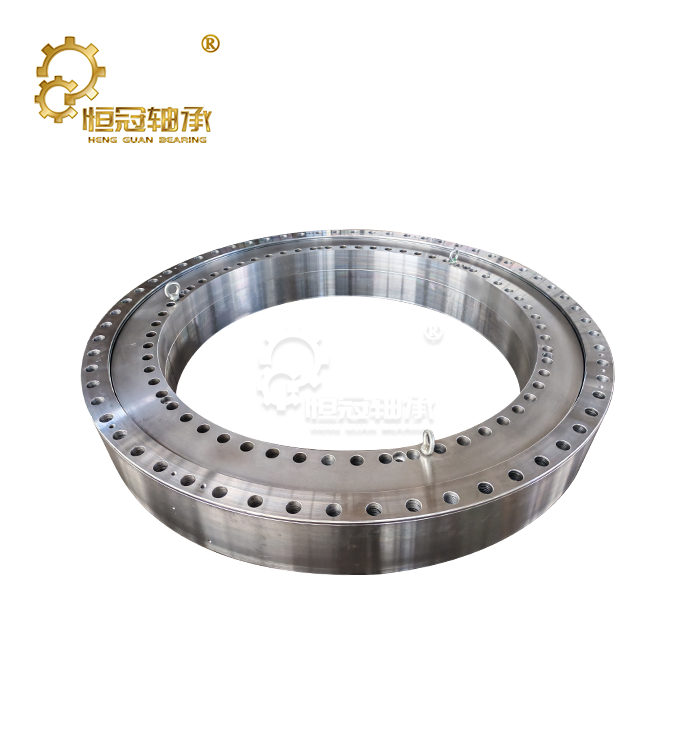
Experienced suppliers can recommend modifications in gear design, mounting holes, sealing systems, and material selection according to specific equipment requirements.
For OEM projects, customized solutions are often necessary because machine structures, operating conditions, and performance targets vary significantly.
Quality Control and Inspection Standards
Large slewing bearings require strict quality control throughout manufacturing.
Important inspection processes may include:
Dimensional inspection
Raceway accuracy testing
Gear accuracy inspection
Hardness testing
Surface quality evaluation
Final assembly inspection
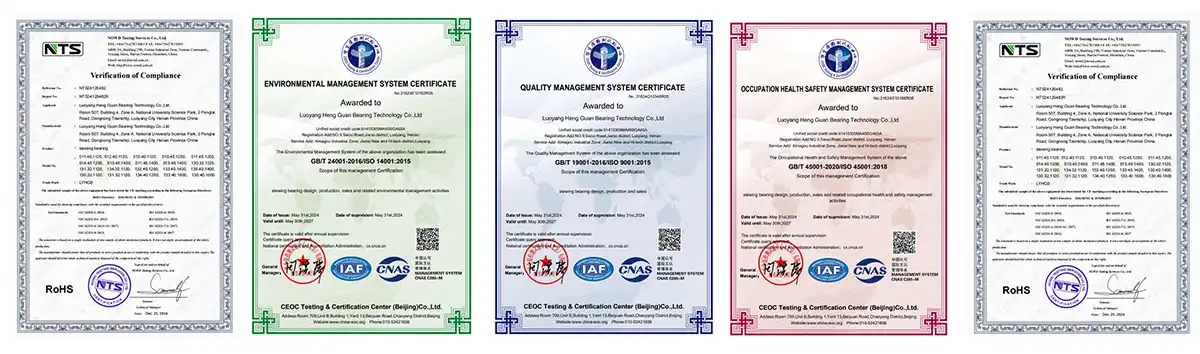
Quality documentation such as inspection reports, material certificates, and testing records helps equipment manufacturers verify product reliability before installation.
A supplier with a complete quality management system can reduce risks during equipment operation and improve long-term cooperation.
Customization, Delivery Time, and After-Sales Service
Industrial projects often require customized bearing solutions rather than standard catalog products.
Customization may involve:
Special diameters
Different gear configurations
Modified mounting patterns
Enhanced sealing systems
Specific accuracy requirements
Production lead time depends on bearing size, structural complexity, and customization level. Early communication with suppliers helps avoid delays in equipment manufacturing schedules.
After-sales support is also an important consideration. Technical guidance during installation and operation can prevent problems caused by improper mounting, incorrect bolt tightening, or unsuitable lubrication practices.
Maintenance Practices to Extend Slewing Bearing Service Life
Lubrication Management and Regular Inspection
Proper maintenance is essential for maximizing bearing performance.
A practical maintenance program should include:
Lubrication Checks
Lubrication intervals depend on operating conditions. Heavy-load equipment operating in dusty environments may require more frequent lubrication compared with lightly loaded applications.
Operators should monitor:
Grease condition
Leakage around seals
Unusual temperature increases
Changes in rotation resistance
Bolt Inspection
Mounting bolts are critical components in the bearing system. Loose or damaged bolts can create uneven load distribution and increase stress on raceways.
Regular torque inspection helps ensure that the bearing remains securely connected to the equipment structure.
Common Problems and Troubleshooting Methods
Excessive Wear
Raceway wear may result from:
Insufficient lubrication
Contamination
Overloading
Incorrect installation
Early inspection can identify abnormal wear patterns before major damage occurs.
Corrosion Damage
Rust or surface damage usually indicates insufficient protection against moisture or chemical exposure.
Solutions may include:
Improving sealing performance
Using corrosion-resistant materials
Applying suitable protective coatings
Installation Misalignment
Improper mounting surfaces can create uneven loading between rolling elements.
Before installation, manufacturers should verify:
Mounting surface flatness
Bolt hole accuracy
Structural alignment
Correct installation improves load distribution and prevents premature failure.
Future Development Trends of Large Slewing Bearings
Advanced Materials and Improved Manufacturing Technology
Industrial demand for longer service life and higher reliability continues to drive improvements in bearing technology.
Future developments include:
Higher-performance alloy steels
Improved heat treatment methods
Advanced surface strengthening processes
More efficient sealing solutions
These improvements help bearings withstand heavier loads while reducing maintenance frequency.
Smart Monitoring and Predictive Maintenance
Digital technologies are also influencing slewing bearing applications.
Sensors and monitoring systems can track:
Vibration levels
Temperature changes
Operating loads
Lubrication conditions
By identifying early warning signals, operators can schedule maintenance before serious failures occur.
Predictive maintenance reduces downtime and improves the overall efficiency of industrial equipment.
Procurement Best Practices for Industrial Buyers
Define Technical Requirements Before Purchasing
Before requesting quotations, buyers should prepare detailed technical information, including:
Equipment type
Bearing dimensions
Load requirements
Rotation speed
Environmental conditions
Required service life
Clear specifications help suppliers provide accurate recommendations and avoid unnecessary redesign work.
Compare Suppliers Based on Total Value
The lowest purchase price is not always the most economical choice.
Industrial buyers should consider:
Product quality
Engineering support
Delivery reliability
Customization capability
Long-term maintenance cost
A reliable slewing bearing supplier can help reduce downtime and improve the overall lifecycle value of equipment.
Conclusion
Large Slewing Bearings play a critical role in modern industrial equipment by enabling safe, stable, and efficient rotation under demanding operating conditions. From construction cranes and wind turbines to mining machines, port equipment, and precision automation systems, these bearings provide essential support for applications where heavy loads and reliable movement are required.
Selecting the correct slewing bearing requires careful evaluation of load conditions, structural design, materials, environmental factors, and supplier capabilities. A suitable bearing solution not only improves equipment performance but also reduces maintenance requirements and operational risks.
For equipment manufacturers and industrial operators, working with an experienced bearing supplier provides valuable advantages in engineering support, customization, quality control, and long-term reliability. By combining proper selection, professional installation, and regular maintenance, Large Slewing Bearings can deliver dependable performance throughout the entire service life of heavy industrial machinery.
|
|
FAQ
1. What diameter range is available for industrial slewing bearings?
The products that can be made range from small 50mm inner diameter units used in precision robots to huge 10,000mm outer diameter assemblies used in mine excavators and big cranes. Specialized production methods make it possible to offer custom wide choices that are outside of the standard range. These allow for unique equipment designs that are too big for standard dimensions.
2. How do I determine the appropriate precision grade for my application?
Match the precision grade to the speed and level of accuracy needed for spinning. P0 grade is good for general industry uses, like building cranes, where saving money is the most important thing. The P6 grade is for normal machines that need to be fairly accurate. P5 grade is used for high-performance machines, like big wind farms. P4 grade is used in difficult situations where positional accuracy has a direct effect on the quality or usefulness of the product, such as in medical imaging and precision automation.
3. What maintenance intervals keep bearings operating reliably?
When and how often to re-oil depend on the speed of spin and the amount of load. Low-duty equipment that is used sometimes needs to be greased every 200 to 300 hours, while high-load equipment that is used all the time needs to be greased every 100 to 150 hours. Checking the tightness of the bolts once a year and inspecting the seals can find problems early on. Monitoring vibrations on important machinery allows for planned maintenance, which means replacing bearings based on their real state instead of random intervals.
Partner with Heng Guan for Your Large Slewing Bearings Requirements
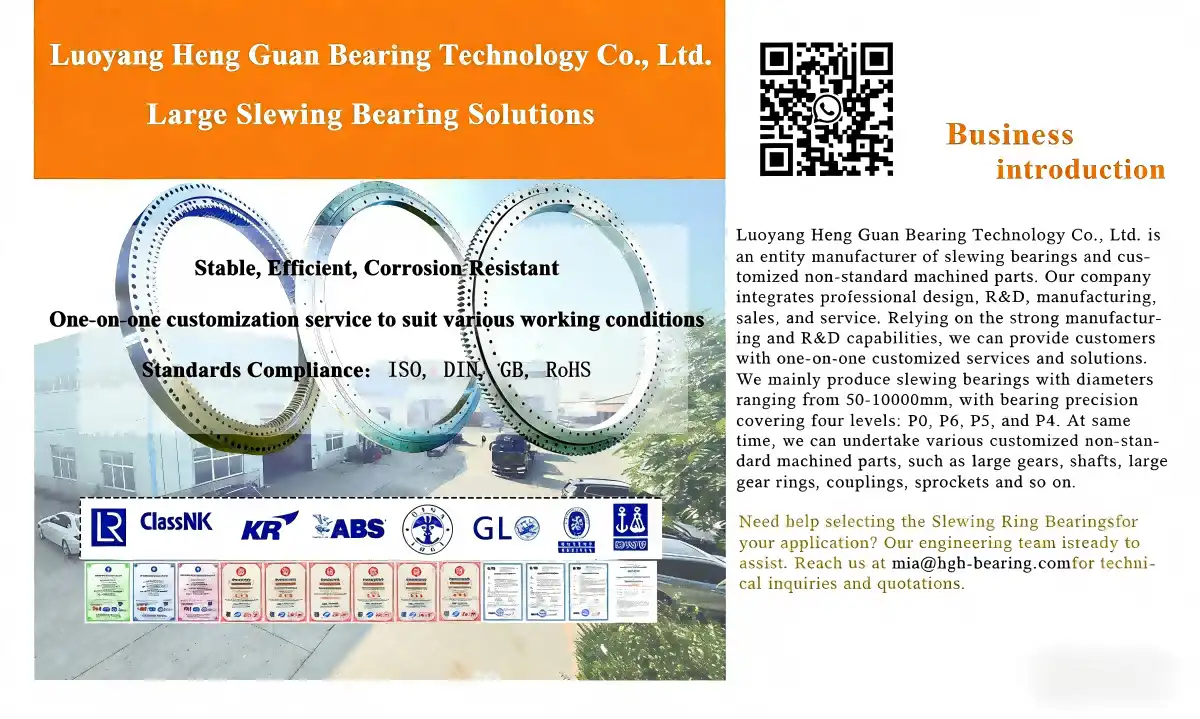
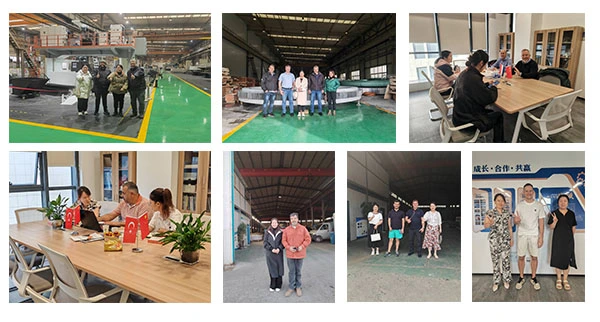
Engineers and procurement workers looking for a reliable company that makes Large Slewing Bearings will find that Heng Guan has the best mix of technical know-how and low prices. We've been specializing in bearing design innovation for twenty years, so we can give you practical solutions that are best for your needs instead of general catalog goods. We can make things with sizes from 50mm to 10,000mm and precision grades P0, P6, P5, and P4. This means we can meet all of your needs. We are in Luoyang, which is China's traditional center for making bearings, and we use local knowledge and high-tech production tools to make sure the quality is top-notch. Email our engineering team at mia@hgb-bearing.com to talk about your project needs and get application-specific advice that helps you get the best performance for the best price.
References
1. Harris, T.A. & Kotzalas, M.N. (2006). Advanced Concepts of Bearing Technology: Rolling Bearing Analysis. CRC Press, Boca Raton.
2. American Gear Manufacturers Association (2004). AGMA 6123-B06: Design Manual for Enclosed Epicyclic Gear Drives with Slewing Bearings. Alexandria, Virginia.
3. Schaeffler Technologies AG & Co. (2019). Large-Diameter Rolling Bearings: Design, Calculation, and Application Guidelines. Technical Engineering Manual, Industrial Division.
4. ISO 76:2006 (2006). Rolling Bearings — Static Load Ratings. International Organization for Standardization, Geneva.
5. Wensing, J.A. (1998). On the Dynamics of Ball Bearings. Doctoral Dissertation, University of Twente, Netherlands.
6. Rothe Erde GmbH (2015). Slewing Bearings and Slewing Drives: Technical Handbook for Engineers and Designers. ThyssenKrupp Industrial Solutions, Dortmund.

WHAT OUR CUSTOMERS SAY
Here is the customer's evaluation of us
_1776668700508.webp)