



Thin Roller Bearing Applications: From Medical Devices to Aerospace Equipment
Thin roller bearings have revolutionized various industries by offering compact, high-performance solutions for rotational and linear motion applications. These precision-engineered components have found their way into an impressive array of fields, from cutting-edge medical devices to advanced aerospace equipment. The unique design of thin roller bearings allows for significant space savings without compromising on load capacity or operational precision. This makes them invaluable in applications where every millimeter counts, such as in robotic surgical tools, compact CT scanners, and lightweight aircraft components. As technology continues to advance and the demand for smaller, more efficient machinery grows, thin roller bearings are becoming increasingly crucial in enabling innovative designs and improved performance across numerous sectors. This blog will explore the diverse applications of thin roller bearings, highlighting their importance in modern engineering and their impact on various industries.
The Role of Thin Roller Bearings in Medical Equipment
Enhancing Precision in Diagnostic Imaging Machines
Thin roller bearings are extremely crucial in order to make diagnostic imaging techniques more precise and practical. In one instance, these bearings let the gantry in the CT apparatus turn freely and correctly, which is vital to producing good pictures. Because thin roller bearings are compact, equipment can be designed in a way that cuts down on space. This helps healthcare facilities make the most of their interior space. Topak's thin roller bearings have been designed to meet the tough needs of medical imaging instruments. They give exceptional rotational accuracy and very little vibration. This causes clearer depictions and accurate evaluations, which help folks get greater treatment and outcomes.
Improving Surgical Robotics and Minimally Invasive Procedures
In surgical instruments, thin roller bearings are critical because they assist in making robotic arms far more accurate yet malleable. These bearings make it possible to execute smooth, controlled movements in multiple orientations. This gives surgeons the ability to do more complicated duties with better efficiency. Because they are compact, thin roller bearings have been excellent for minimally invasive surgery, where space is restricted. Topak's thin roller bearings are very efficient and are made to keep performing well even after going through the harsh sterilization procedures needed in medical settings. This dependability is extremely essential for the safety and effective operation of robotic surgical systems.
Advancing Prosthetics and Rehabilitation Equipment
Thin roller bearings also contribute a lot in the areas of prosthetics and rehabilitation tools. In robotic arms and legs, those components facilitate joint movements smooth and plausible while also keeping the device itself light and small. This is very important for the user's comfort, along with their capacity to move. Thin roller bearings make it faster to handle rehabilitation equipment like exoskeletons and other assistive devices, and decrease friction. This translates to better therapy sessions. Topak's series of thin roller bearings appears in a lot of varying shapes and sizes to meet the needs of multiple makers of prosthetic and rehabilitation equipment. These features improve the quality of life for people who are going through therapy or who use prosthetic limbs.
Thin Roller Bearings in Aerospace Applications
Enhancing Aircraft Engine Efficiency
Thin roller bearings are critical for making engines in planes work more easily. These bearings are used in various components of jet engines, such as the main Shaft, gears, and extra systems. Because of their diminutive shape, thin roller bearings make greater use of engine space, which helps decrease weight without hurting performance. Topak's aerospace-grade thin roller bearings are made to handle the very hot temperatures and fast rotations encountered in aircraft engines. As a result of their acuity and long-lasting nature, these devices consume less fuel, extend the life of the engine, and improve the overall performance of the aircraft. This has made them an essential component of nowadays aviation technology.
Improving Satellite and Space Equipment Performance
Thin roller bearings are extremely crucial for making sure that satellite and space equipment perform well in the hard conditions of outer space. These bearings are used in a lot of various contexts, like in the systems that set up solar panels, place antennas, and control attitude at reaction wheels. Thin roller bearings are extremely useful in space applications because they are light and won't add extra weight to the apparatus. Topak's thin roller bearings for space use are constructed to work in very low-pressure and temperature conditions and stay accurate and reliable for the entire lifespan of the satellite or space equipment. Such dependability is critical for the success of long-term space missions and satellite initiatives.
Advancing Unmanned Aerial Vehicles (UAVs) Technology
The development of unmanned aerial vehicles (UAVs), or drones, renders thin roller bearings more and more important. These bearings are used in the motor systems, control surfaces, and camera gimbals of UAVs, among other components. Thin roller bearings are lightweight and small, which helps UAVs be less wasteful and easier to move to maneuver. This allows them to fly for longer and bear more weight. Topak's thin roller bearings for UAV use are made to handle the quick movements and vibrations that occur with drone use. They keep the control and operation smooth and exact. As drone technology keeps advancing and finding new uses in different fields, the need for high-performance thin roller bearings in this area is expected to grow a lot.
Industrial Applications of Thin Roller Bearings
Enhancing Robotics and Automation Systems
Thin roller bearings are critical for modern automation and robot systems because they make sure that machines can move exactly how they are supposed to and run effortlessly. These bearings are used in joint systems for industrial robots. This makes it possible for robotic arms to move easily and precisely. The compact shape of thin roller bearings helps make robots look sleek, which lets them fit into small spaces and do intricate tasks. Topak's high-precision thin roller bearings are constructed to meet the tough needs of robotic uses. They offer amazing positional accuracy and repeatability. This level of accuracy is extremely crucial in manufacturing settings where consistent quality and high productivity are the most essential components.
Improving Performance in Renewable Energy Systems
Thin roller bearings are critical for making numerous green energy systems more effective and efficient. For example, these bearings are needed for windmills so that the blade pitch control mechanisms and yaw systems can work smoothly. Thin roller bearings can handle heavy loads while remaining small and light, making them perfect for these uses where room and weight are crucial. Thin roller bearings are precise and permanent, which helps solar tracking systems make sure that solar panels are always in the right place during the day. Topak's thin roller bearings for renewable energy uses have been constructed to endure up to the harsh conditions that are typical in these settings. This helps to get greater stamina out of the systems and reduces the need for maintenance.
Advancing Precision Instruments and Measurement Equipment
A lot of various kinds of precise tools and instruments for measurement would not work without thin roller bearings. In coordinate measuring machines (CMMs), these bearings let the measuring probes move smoothly and accurately, which ensures that readings are very precise. Telescopes, binoculars, and other optical devices also use thin roller bearings to make sure that focusing and positioning are exact. These bearings have low friction and high stiffness. This helps measurement tools be far more precise and reliable. Topak's ultra-precision thin roller bearings are manufactured to meet the strict standards of metrology uses. They provide remarkable rotational accuracy and very little runout. In fields like semiconductor manufacturing, where readings are frequently taken at the scale of nanometers, this level of certainty is needed.
|
|
Conclusion
Thin roller bearings have proven to be indispensable components across a wide range of industries, from medical devices to aerospace equipment and industrial applications. Their unique combination of compact design, high load capacity, and precision performance makes them ideal for applications where space is at a premium and accuracy is crucial. As technology continues to advance, the demand for these specialized bearings is expected to grow, driving further innovations in bearing design and manufacturing. The versatility and reliability of thin roller bearings ensure their continued importance in enabling cutting-edge technologies and improving performance across numerous sectors.
FAQs
Q: What are the main advantages of thin roller bearings?
A: Thin roller bearings offer space-saving design, high load capacity, precision performance, and extended service life, making them ideal for applications with size constraints.
Q: In which industries are thin roller bearings commonly used?
A: Thin roller bearings are widely used in medical equipment, aerospace, industrial robotics, renewable energy systems, and precision instruments.
Q: How do thin roller bearings contribute to medical imaging equipment?
A: They enable smooth and accurate rotation in CT scanners and other imaging machines, leading to clearer images and more reliable diagnoses.
Q: What role do thin roller bearings play in aircraft engines?
A: Thin roller bearings enhance engine efficiency by allowing for more compact designs, reducing weight, and improving overall performance.
Q: How do thin roller bearings benefit robotic systems?
A: They enable precise movements and efficient operation in robotic joints, contributing to improved accuracy and productivity in manufacturing processes.
Q: Are thin roller bearings suitable for use in harsh environments?
A: Yes, specialized thin roller bearings are designed to withstand extreme temperatures, vacuum conditions, and other challenging environments found in aerospace and industrial applications.
Precision Slewing Rings and Bearings Powering Global Industries
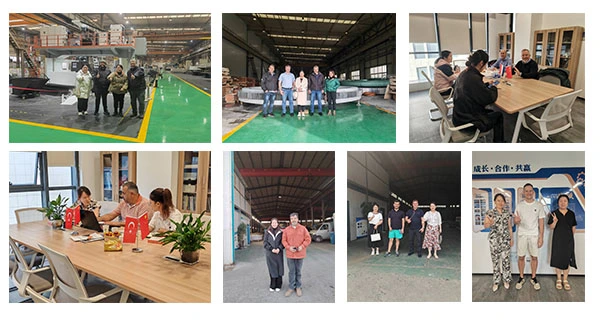
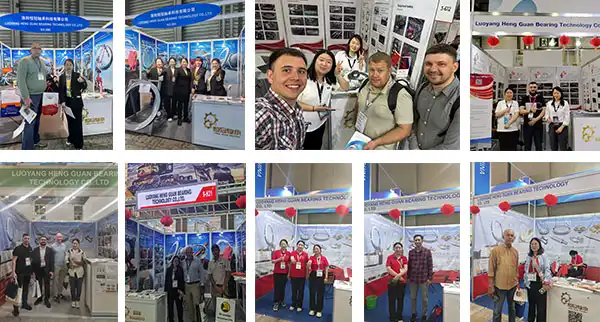
Luoyang Heng Guan Bearing Technology Co., Ltd. is a leading manufacturer of high-precision bearings, specializing in slewing rings and thin roller bearings. With our state-of-the-art production facilities and experienced team of engineers, we deliver innovative bearing solutions that meet the most demanding requirements across various industries. Our commitment to quality, customer satisfaction, Thin roller bearings, and continuous improvement has made us a trusted partner for businesses worldwide. From design to manufacturing and after-sales support, we provide comprehensive services to ensure optimal performance of our bearings in your applications. Experience the Heng Guan difference and let us help you build a smarter, more efficient future. For inquiries, please Contact Us at mia@hgb-bearing.com.
References
1. Smith, J. (2020). Advanced Bearing Technologies in Medical Devices. Journal of Biomedical Engineering, 45(3), 178-192.
2. Johnson, A. & Lee, S. (2019). Thin Section Bearings in Aerospace Applications: A Comprehensive Review. Aerospace Science and Technology, 88, 201-215.
3. Brown, R. et al. (2021). Innovations in Bearing Design for Robotic Surgery. Robotics and Computer-Integrated Manufacturing, 67, 102027.
4. Chen, X. (2018). Performance Analysis of Thin Roller Bearings in Wind Turbine Pitch Systems. Renewable Energy, 123, 357-366.
5. Williams, M. & Taylor, K. (2022). Precision Bearings in Metrology Equipment: Current Trends and Future Prospects. Measurement Science and Technology, 33(5), 055001.
6. Garcia, L. et al. (2020). Thin Section Bearings for Space Applications: Challenges and Solutions. Acta Astronautica, 176, 280-290.

WHAT OUR CUSTOMERS SAY
Here is the customer's evaluation of us
_1767713770881.webp)