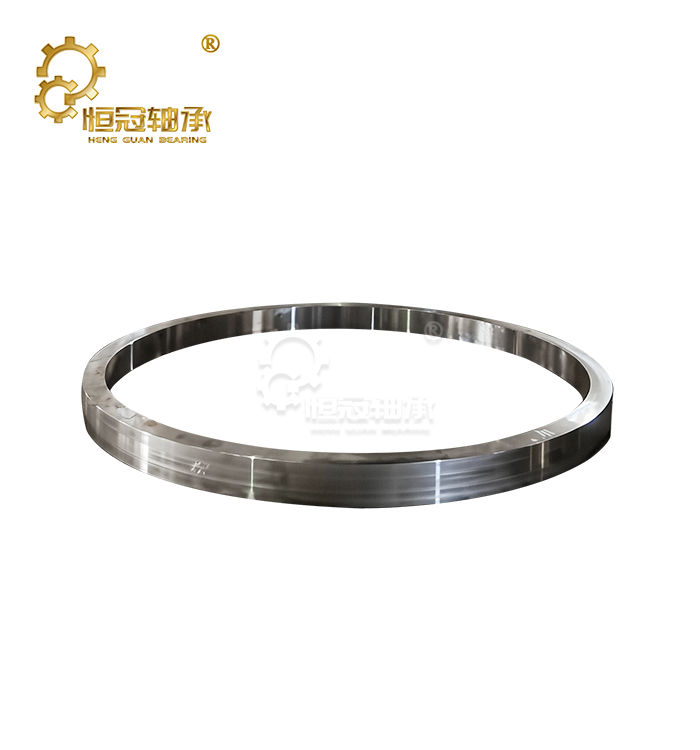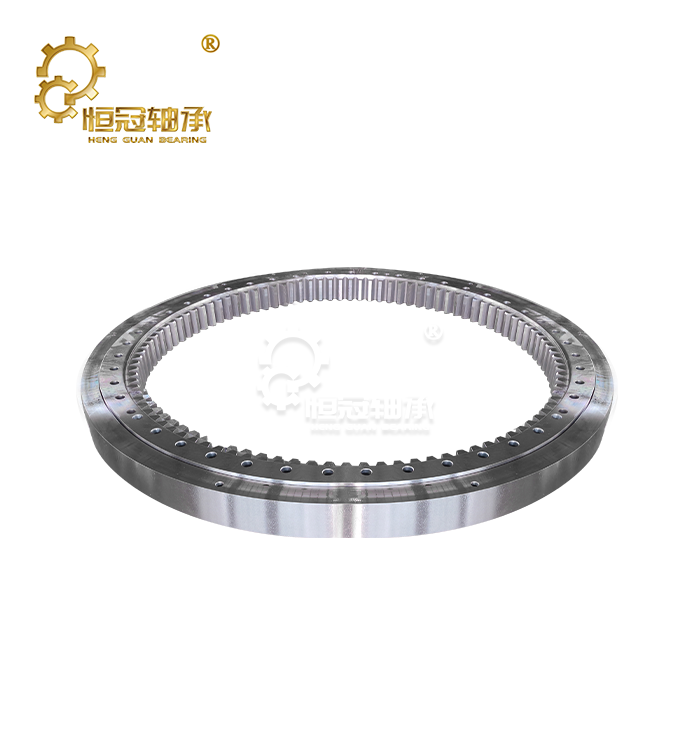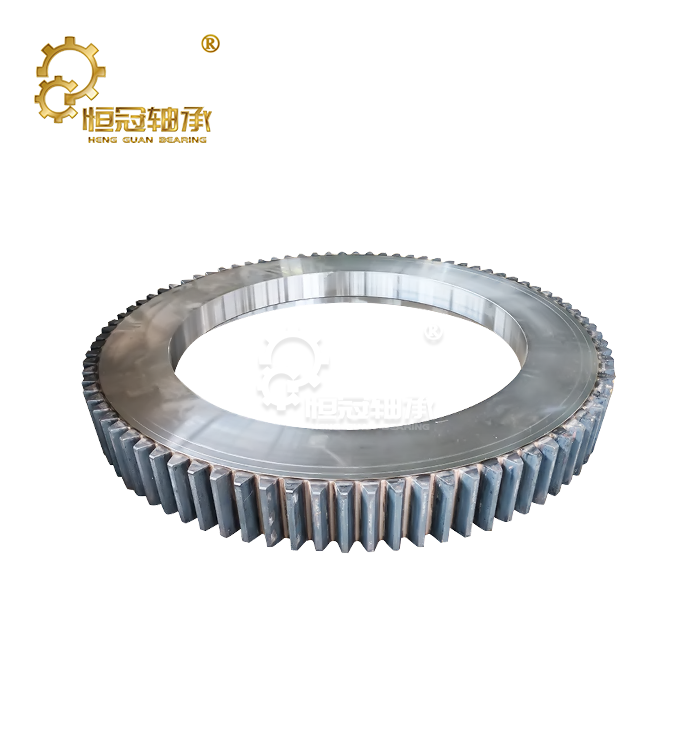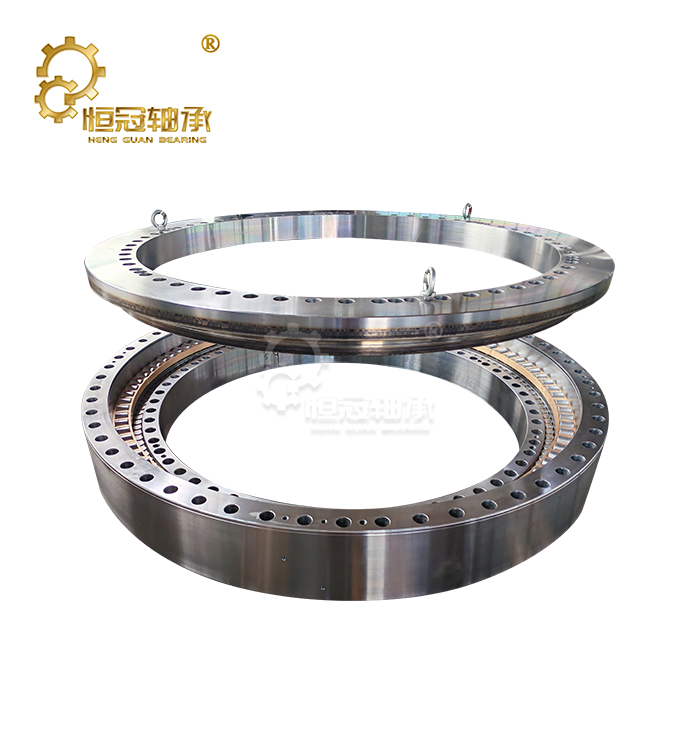




Slewing Bearing for Tower Crane with Precision Engineering
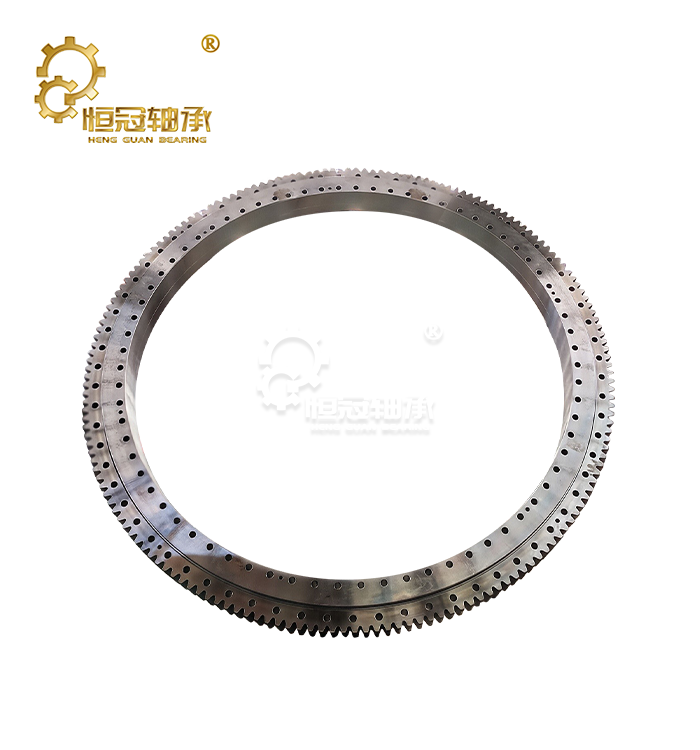
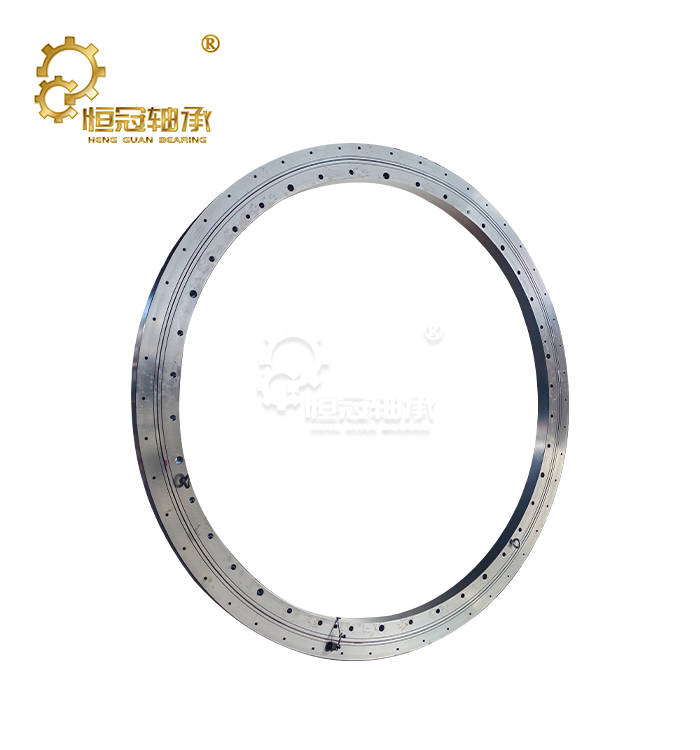
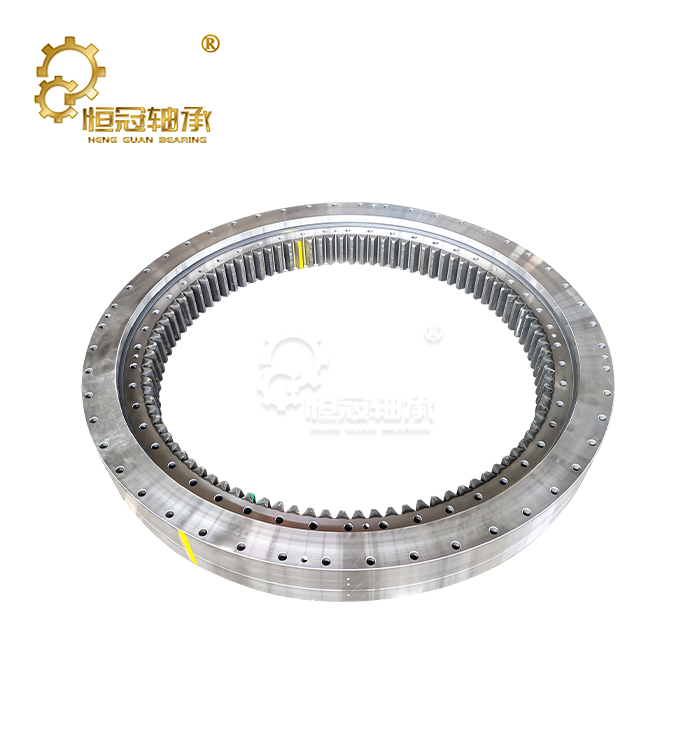
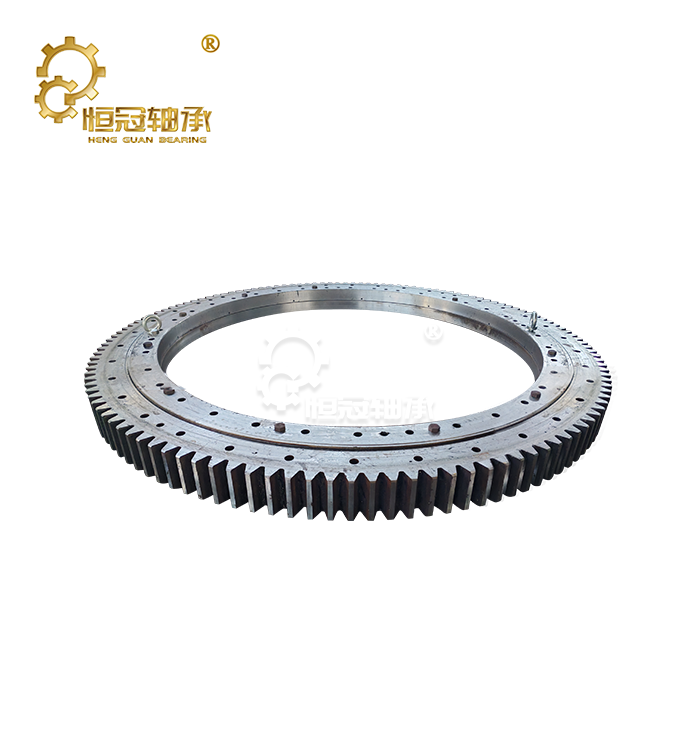
A slewing bearing for a tower crane is an important part that helps the upper part of a tower crane to rotate smoothly while lifting heavy loads. The slewing bearing is fitted between the crane mast and the rotating platform and is used to transfer the axial forces, radial forces, and overturning moments generated during the lifting operation.
Tower cranes for current construction projects demand slewing bearings with high load capacity, manufacturing tolerances, and long-term operational stability. Commonly selected materials such as 42CrMo and 50Mn offer good strength, hardness, and wear resistance after proper heat treatment. Depending on the size of the crane and operating conditions, manufacturers may provide single-row ball, double-row ball, or triple-row roller systems to meet varied load requirements.
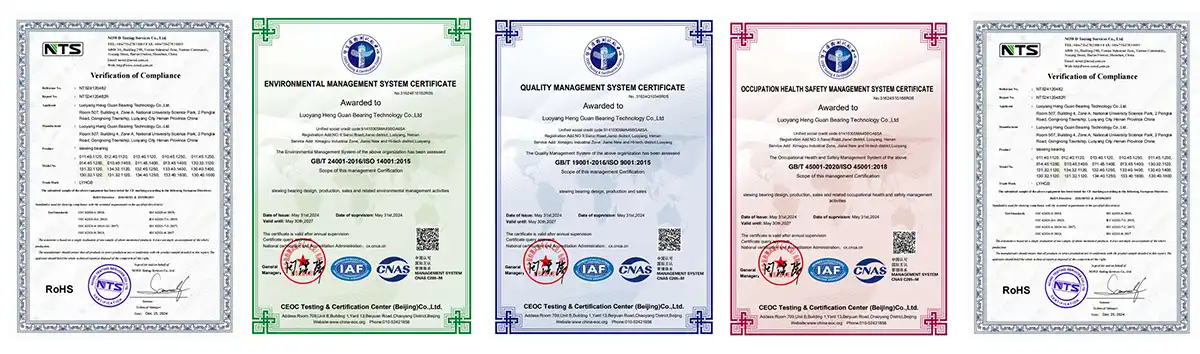
HGB, as a competent slewing bearing manufacturer, focuses on precision machining, reliable heat treatment technology, and rigorous quality inspection for tailored solutions in tower crane applications. The correct design of bearing supports leads to a better crane performance and less frequent maintenance, which leads to a safer operation during the life cycle of the equipment.
What Is a Slewing Bearing for a Tower Crane and How Does It Work?
The Role of Slewing Bearings in Tower Crane Rotation Systems
The tower crane slew bearing is the major rotational interface between the stationary mast segment and the spinning upper structure. Typical bearings typically support only rotating Shafts; however, slewing bearings are designed to accommodate complicated coupled loads while retaining correct movement.
When the crane is working, the bearing is at the same time acted upon by several forces:
- Axial stresses on raised material
- Radial stresses from horizontal forces and crane movement
- Overturning moments caused by extended boom extensions and unequal load distribution
The internal construction of a slewing bearing includes inner and outer rings, raceways, rolling elements, seals, and lubricating ducts. Precision-machined raceways evenly distributed the load to the rolling elements and helped reduce stress concentration and improved fatigue resistance.
The bearing performance of tower cranes used in high-rise construction, ports, industrial facilities, and infrastructure projects directly influences lifting accuracy, rotation stability, and overall equipment reliability.
Slewing Bearings for Tower Cranes Main Types of
In general, tower crane manufacturers select different slewing bearing constructions based on lifting capability, rotation requirements, and working conditions.
Common designs include
4-point contact ball slewing bearings
These bearings possess unique raceways allowing each ball to touch the racetrack at several spots. These are capable of carrying combined axial, radial, and moment loads in a compact construction.
Benefits include:
- Small in size
- Smooth rotation behavior
- Generally lighter weight
Sufficient loading capacity for a lot of medium-sized tower cranes
Double row ball slewing bearings.
The double row design has a double row of rolling pieces. This increases the load distribution. They increase stability when cranes work under heavy loads or in repeated rotation cycles.
Double-row bearings are able to take up different loads and reduce deformation during operation, as compared to single-row types.
Three-row roller slewing bearing
The triple-row roller bearing is a solid construction solution for heavy-duty tower cranes with the highest load capability. The bearing can accommodate higher combined loads due to the use of separate roller raceways for axial and radial forces.
This design is commonly used for huge construction equipment, port machinery, offshore equipment, and cranes working in severe environments.
Key Engineering Factors That Determine Tower Crane Slewing Bearing Performance
Material Selection and Heat Treatment Requirements
The quality of the material used for a slewing bearing will affect its service life and operational safety directly. Tower crane bearings are normally required to have high strength, outstanding toughness, and great resistance against fatigue damage.
Typical materials are
42CrMo Alloy Steel
42CrMo is commonly utilized for high-performance slewing bearings due to its:
- High tensile strength
- Good impact resistance.
- Good hardenability
- Consistent mechanical behavior following thermal treatment
It is appropriate for applications where the bearing is to sustain heavy loads and continuous operating cycles.
50Mn Carbon Steel
50Mn is another commonly used bearing material known for:
- Good wear resistance
- High surface hardness after treatment
- Reliable load-bearing performance
Proper heat treatment, such as quenching and tempering, enhances the longevity of the raceway and prevents premature wear.
For demanding tower crane applications, producers need to carefully manage chemical composition, as well as hardness levels and heat treatment methods, to assure consistent performance.
Manufacturing Accuracy and Quality Control
Because mounting precision, load distribution, and bearing life can be affected by tiny inaccuracies, the sizes must be accurate.
Manufacturing considerations include:
Raceway Machining Accuracy
Rolling elements are in touch with the raceway surface. The higher the machining accuracy, the lower the friction, vibration, and uneven loading.
Gear Manufacturing Precision
Many of the slewing bearings of the tower crane have external or internal gearings connected to the driving system. Accurate gear machining results in smooth rotation and impact reduction during operation.
Bolt Hole and Mounting Precision
Incorrect mounting dimensions can produce uneven stress distribution. Check the bolt circle diameter, mounting surfaces, and dimensional tolerances by professional manufacturers before delivery.
The supplier should give inspection reports, material certificates, and quality documents for the slewing bearing for a tower crane to let the client verify the performance of the product.
Maintenance Practices to Extend Slewing Bearing Service Life
Common Failure Causes in Tower Crane Slewing Bearings
Even the good bearings require maintenance. Many failures are caused by faulty installation, poor lubrication, contamination, or overloading.
Common problems:
Abnormal Noise During Rotation
Grinding or uneven noises can mean the following:
- Insufficient lubrication
- Oil pollution
- Damage to the raceway.
- Rolling element wear
Early detection can prevent little problems from becoming large equipment failures.
Excessive Clearance or Vibration
Long-term wear, improper preload, or excessive operating loads can cause greater clearance.
Excessive clearance in tower crane bearings can influence rotational precision and therefore pose a safety issue in lifting.
Bolt Loosening and Installation Problems
Mounting bolts must be torqued to the proper tightening torque. Loose bolts may cause uneven loading and increased damage of the bearing structure.
Periodic inspection of the torque is an important part of preventive maintenance.
Recommended Lubrication and Inspection Procedures
Lubrication is crucial for decreasing friction and protecting the internal components.
Maintenance crews should take the following into account:
- Frequency of crane operation
- environmental conditions
- Load degree
- Temperature of operation
Good grease should have constant lubricating properties under varying loads and temperatures.
Routine inspections will include:
- Grease condition check
- Checking seals for wear
- Vibration monitoring of anomalies
- Check the torque on the mounting bolt.
- Documentation of working conditions
The preventive maintenance program helps operators discover problems before they result in unplanned downtime.
How to Choose the Right Slewing Bearing for Tower Crane Applications?
Evaluate Load Requirements Before Selection
The first step in selecting the correct slewing bearing is to know the actual working conditions of the crane.
Key factors are:
- Max. lifting capacity;
- Peak load at time
- Height of crane.
- Rotation velocity
- Operating frequency
- Environmental conditions
A bearing made for a small construction crane wouldn’t be able to do the job effectively enough in heavy-duty situations.
Normally competent manufacturers will check your crane requirements and recommend a proper structure of the bearing instead of just sending you a traditional product without a technical check.
Consider Custom Design and OEM Requirements
Tower crane manufacturers often have to use customized slewing bearings in the structural construction of each tower crane type.
Customization may involve the following:
- Total measurements
- Gear specifications
- Mounting hole pattern
- Inside clearance.
- Lubrication systems
- Surface Treatment Requirements
Manufacturers with years of experience help to ensure the bearing is appropriately integrated into the existing crane design.
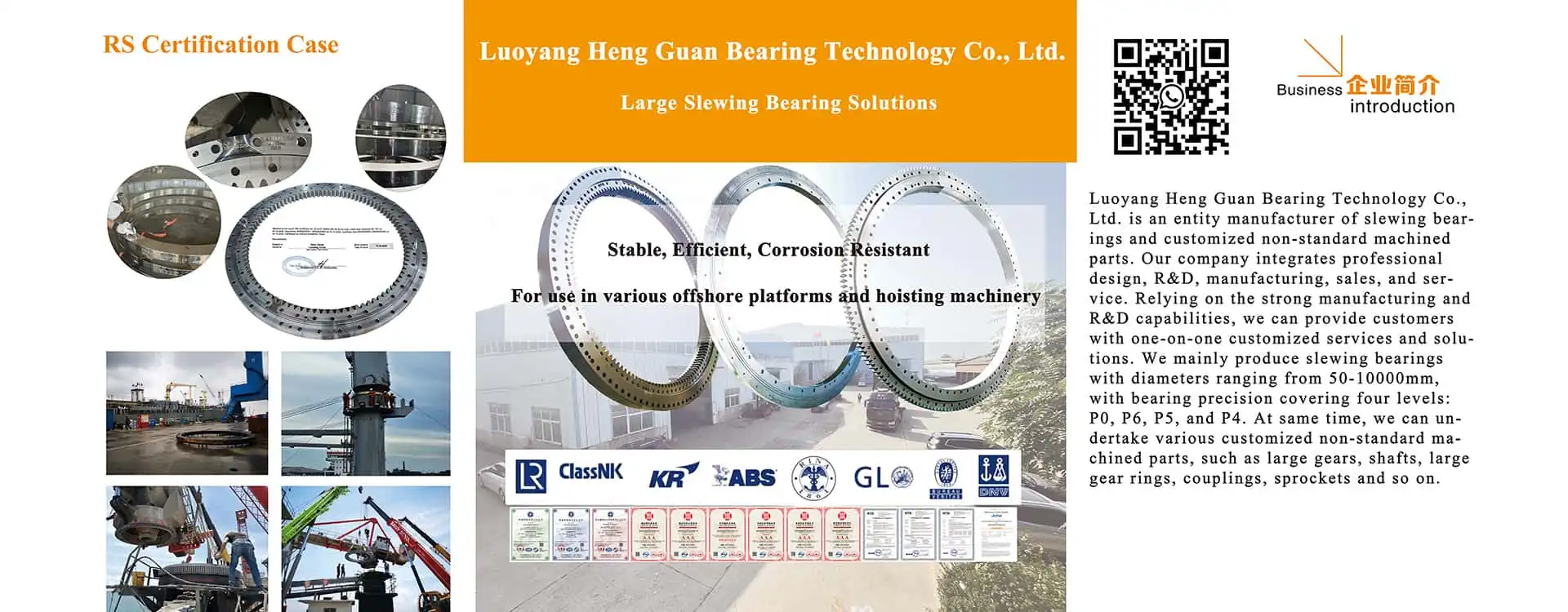
HGB provides tailor-made slewing bearings for tower crane solutions based on customers' designs, technical demands, and operational situations.
Procurement Guide for Buying a Slewing Bearing for a Tower Crane
How to Evaluate a Reliable Slewing Bearing Manufacturer?
Selecting the right supplier is as important as selecting the bearing itself.
A qualified manufacturer should have:
Strong Manufacturing Capability
Look for suppliers with:
- Advanced machining equipment
- Professional heat treatment facilities
- Experienced engineering teams
- Strict quality management systems
Complete Testing Procedures
Quality inspection should include:
- Dimensional inspection
- Hardness testing
- Gear accuracy verification
- Raceway inspection
- Final performance evaluation
Technical Support Capability
A reliable supplier should provide assistance with:
- Bearing selection
- Installation guidance
- Maintenance recommendations
- After-sales service
This support helps reduce operational risks and improves long-term equipment reliability.
Delivery Planning and Long-Term Cooperation
For large construction projects, delivery time is an important purchasing factor.
Standard bearings may have shorter production cycles, while customized designs require additional engineering confirmation, manufacturing, and testing time.
Purchasers should communicate:
- Technical drawings
- Required delivery dates
- Installation conditions
- Packaging requirements
- in advance to avoid project delays.
Long-term cooperation with an experienced manufacturer can also improve supply stability and simplify future maintenance requirements.
Future Development Trends of Tower Crane Slewing Bearings
Smart Monitoring and Predictive Maintenance
Digital technologies are becoming increasingly important in crane maintenance.
Modern monitoring systems can collect information such as the following:
- Bearing temperature
- Vibration levels
- Operating cycles
- Load conditions
This data allows maintenance teams to identify abnormal trends before failures occur.
Predictive maintenance reduces unnecessary inspections and helps improve equipment availability.
Improved Materials and Surface Technologies
Future slewing bearings will continue to benefit from material improvements and advanced surface treatments.
Technologies such as the following:
- Improved alloy compositions
- Advanced heat treatment
- Surface hardening processes
- Enhanced sealing designs
- will further improve fatigue resistance and service reliability.
These developments are especially valuable for tower cranes working in harsh environments such as coastal areas, industrial zones, and large infrastructure projects.
Advantages of Large Diameter Slewing Bearings in Heavy Construction
Large diameter slewing bearings provide several advantages for modern tower cranes.
Their larger contact area improves load distribution and increases structural stability. This allows cranes to handle heavier lifting tasks while maintaining smooth rotation performance.
For high-rise construction and industrial projects, large-diameter bearings help crane manufacturers design equipment with greater lifting capability and improved operational safety.
Conclusion
Selecting and maintaining the right slewing bearing for a tower crane requires careful consideration of load capacity, material quality, manufacturing precision, and operating conditions. A properly designed slewing bearing improves crane stability, rotation accuracy, and long-term reliability.
For construction companies and crane manufacturers, working with an experienced bearing supplier is essential. Professional manufacturers provide not only high-quality products but also engineering support, customization services, inspection documentation, and maintenance guidance.
With continuous improvements in materials, manufacturing technology, and intelligent monitoring systems, slewing bearings will continue to play an important role in improving the safety and efficiency of modern tower crane operations.
|
|

FAQ
1. What materials are used in tower crane slewing bearings?
Tower crane slewing bearings typically utilize high-strength steel alloys, including 42CrMo, 50Mn, and S48C. These materials provide the exceptional strength, durability, and wear resistance required for demanding lifting applications. The material selection depends on specific load requirements and operating conditions.
2. How often should slewing bearings be lubricated?
Lubrication intervals depend on operating conditions, load intensity, and environmental factors. Typical recommendations range from 50-100 operating hours for standard conditions, with more frequent lubrication required in harsh environments. Regular inspection helps determine optimal lubrication schedules.
3. What are the signs of bearing failure?
Common failure indicators include unusual noise, excessive vibration, binding during rotation, and visible lubricant leakage. Temperature increases and irregular movement patterns also suggest developing problems. Early detection through regular monitoring prevents catastrophic failure.
4. How do I select the right bearing size?
Bearing size selection depends on crane specifications, load requirements, and space constraints. Engineering analysis considers axial loads, radial loads, and moment loads to determine optimal bearing dimensions. Manufacturer consultation ensures proper sizing for specific applications.
Partner with Heng Guan for Superior Tower Crane Slewing Bearing Solutions
The slewing bearing for tower crane manufacturing excellence through decades of specialized engineering experience. Our comprehensive product range covers 20-10000mm diameter bearings with precision grades from P0 to P4, ensuring optimal solutions for every application requirement. The triple-row roller configurations provide 30% enhanced load capacity while maintaining 100,000-hour service life through advanced material science and precision manufacturing. Our customized design capabilities address unique tower crane specifications while maintaining cost-effective production schedules. Contact our technical team at mia@hgb-bearing.com to discuss your specific requirements and discover why leading OEMs choose Heng Guan as their trusted slewing bearing for tower crane suppliers.
References
1. Chen, W. "Advanced Materials in Heavy Machinery Bearing Applications." International Journal of Mechanical Engineering, 2023.
2. Rodriguez, M. "Load Distribution Analysis in Multi-Row Slewing Bearing Systems." Construction Equipment Technology Quarterly, 2022.
3. Thompson, J. "Predictive Maintenance Strategies for Tower Crane Components." Industrial Maintenance and Reliability Conference Proceedings, 2023.
4. Liu, H. "Precision Manufacturing Techniques for Large Diameter Slewing Bearings." Journal of Manufacturing Science and Engineering, 2022.
5. Anderson, P. "Comparative Analysis of Slewing Bearing Configurations in Tower Crane Applications." Construction Machinery International, 2023.
6. Wang, S. "Digital Integration and Smart Monitoring Systems for Heavy Equipment Bearings." Automation in Construction Journal, 2024.

WHAT OUR CUSTOMERS SAY
Here is the customer's evaluation of us