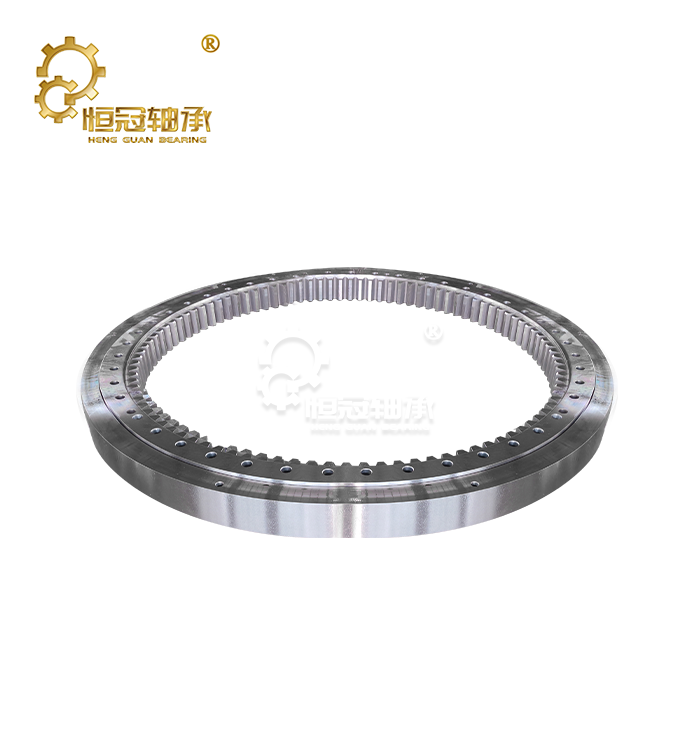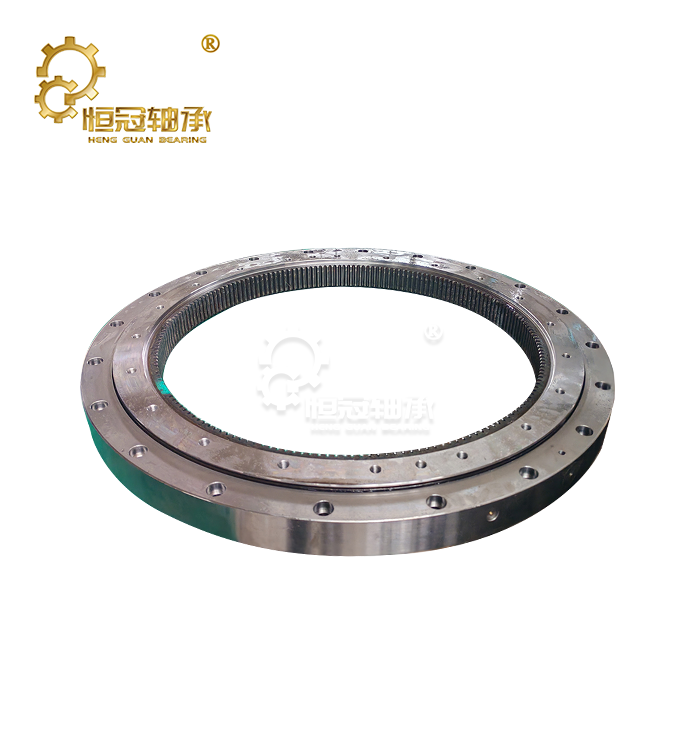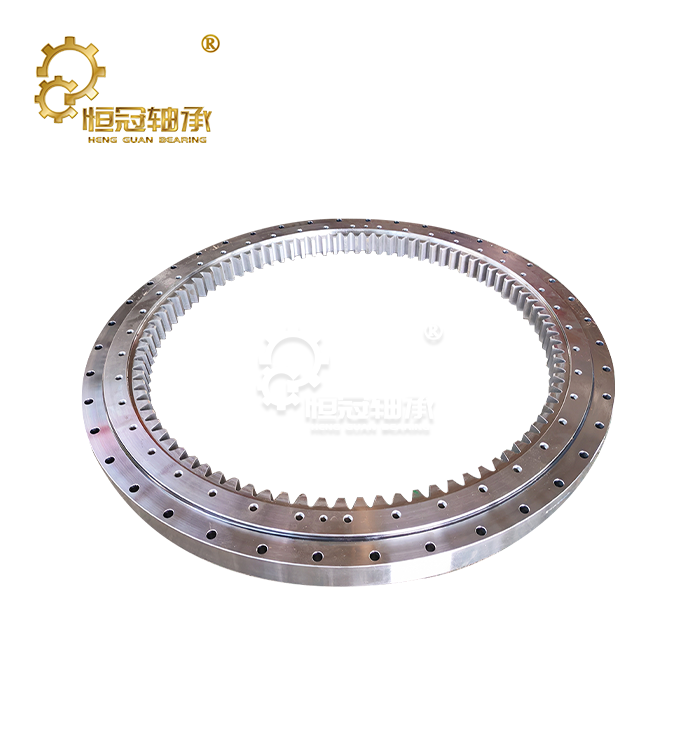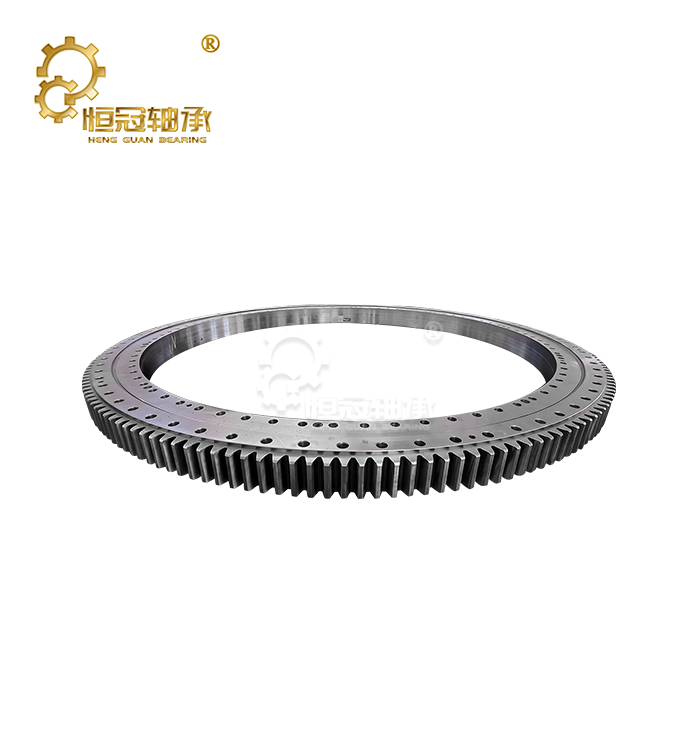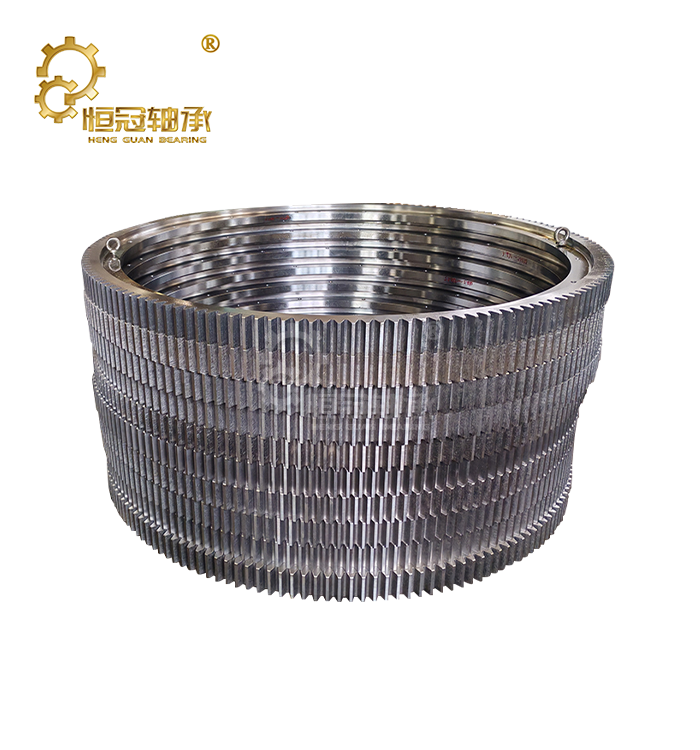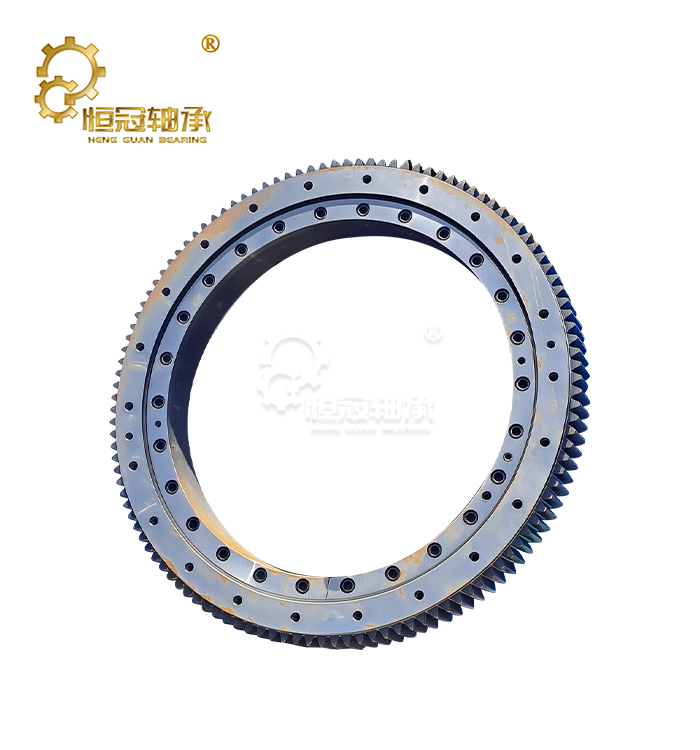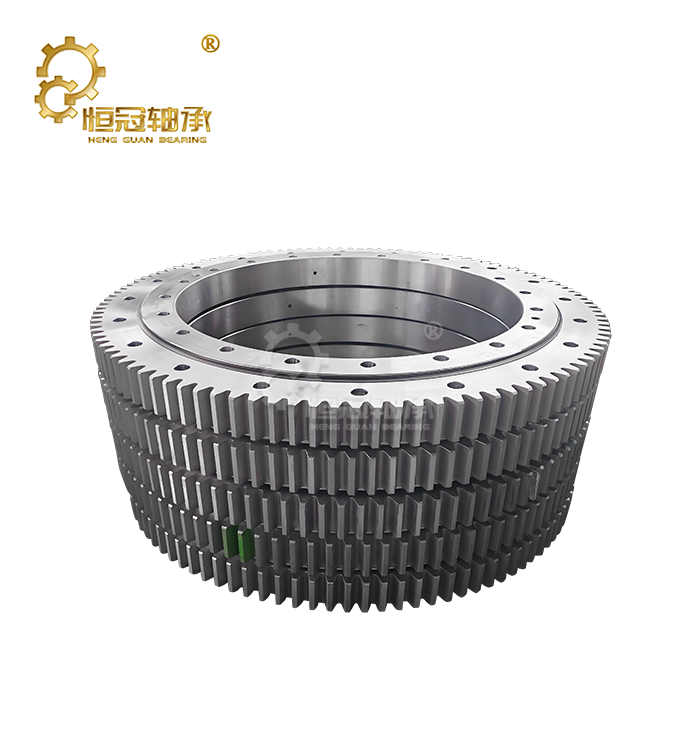




Custom Amusement Ride Slew Bearing for Ride Manufacturers
Custom Amusement Ride Slew Bearing for ride makers are special rotating parts that are made to work with the specific needs of theme park equipment. Unlike standard industrial bearings that are mainly designed for simple radial or axial loads, slew bearings used in entertainment equipment must handle multiple forces simultaneously, including radial loads, axial loads, and tilting moments. They must also maintain smooth movement despite repeated acceleration, braking, vibration, weather exposure, and frequent operating cycles.
For ride manufacturers, selecting the right slew bearing is not only a mechanical decision but also a safety and lifecycle cost consideration. Bearing design, material quality, manufacturing precision, and maintenance requirements all influence ride reliability and operational efficiency. A properly engineered bearing solution helps reduce downtime, improve passenger safety, and extend the service life of amusement equipment.
How are amusement ride slew bearings designed for heavy-duty applications?
Structural Features That Support Multi-Directional Loads
The main advantage of an amusement ride slew bearing is its ability to manage several types of loads within a single compact component. In amusement applications, the bearing must support the weight of rotating structures while also absorbing dynamic forces caused by passenger movement, acceleration, deceleration, and sudden operational changes.
Most amusement ride slew bearings use a four-point contact ball structure or a double-row ball arrangement. These designs allow rolling elements to contact raceways at optimized angles, enabling the bearing to distribute forces more evenly across the internal structure.
During operation, different loads act at the same time:
Radial loads generated by rotating structures
Axial loads caused by vertical weight and installation conditions
Tilting moments created by uneven weight distribution and dynamic movement
A suitable contact angle and raceway design allow the bearing to transfer these forces efficiently while reducing localized stress concentration.
This is particularly important for large amusement equipment because unexpected load changes can occur during emergency stops, strong winds, or irregular operating conditions. A properly designed slew bearing provides the stability required for repeated movement without excessive wear.
Material Selection for Long-Term Reliability
Material quality directly affects bearing performance, especially for outdoor amusement applications where components must operate for years under changing environmental conditions.
Common materials used for high-performance slew bearings include the following:
42CrMo alloy steel for high-strength applications
50Mn steel for bearing rings requiring good toughness and wear resistance
GCr15 bearing steel for rolling elements
These materials are typically processed through controlled heat treatment to improve hardness, fatigue resistance, and dimensional stability.
For amusement ride manufacturers, material selection should consider not only load requirements but also environmental exposure. Equipment installed near coastal areas may require additional corrosion protection due to salt and humidity. Outdoor installations in cold regions may require lubrication systems suitable for low-temperature operation.
A professional manufacturer evaluates the application environment before recommending material combinations, surface treatments, and sealing solutions.
Key Factors to Consider When Selecting an Amusement Ride Slew Bearing:
Load Calculation and Operating Condition Analysis
Choosing an amusement ride slew bearing based only on physical size can lead to premature failure. The correct selection process starts with understanding the actual operating conditions of the ride.
Engineers should evaluate:
Maximum static loads
Dynamic operating loads
Emergency braking forces
Wind loads for outdoor installations
Expected service cycles
For example, a large observation wheel may experience different load patterns compared with a fast-rotating amusement ride. Although both require rotational support, their speed, moment loads, and duty cycles are different.
A reliable bearing supplier should review technical drawings and operating parameters before recommending a bearing model. Load calculation helps determine the appropriate bearing diameter, raceway structure, bolt arrangement, and safety margin.
Size, Mounting Design, and Custom Configuration
Amusement ride designs vary significantly, which means standard bearing dimensions may not always meet project requirements. Customization is often necessary to achieve proper integration between the bearing and the mechanical structure.
Common customization options include:
Customized inner and outer diameter dimensions
Special mounting hole patterns
Different flange designs
External gear or internal gear configurations
Customized sealing structures
Special lubrication arrangements
Depending on the ride design, bearing sizes may range from compact units for smaller rotating equipment to large-diameter solutions exceeding several meters for major amusement installations.
A professional amusement ride slew-bearing manufacturer works closely with ride designers during the engineering stage to confirm installation requirements and avoid compatibility issues during assembly.
Manufacturing Process and Quality Control Requirements
Precision Machining and Heat Treatment Procedures
The performance of a slew bearing depends heavily on manufacturing accuracy. Even small dimensional errors in raceways, mounting surfaces, or gear teeth can affect rotation smoothness and accelerate wear.
A typical manufacturing process includes:
Raw material inspection
Forging or ring production
CNC machining
Raceway processing
Heat treatment
Grinding and finishing
Assembly
Final inspection
Precision machining ensures that critical dimensions meet design requirements, while heat treatment improves mechanical strength and fatigue resistance.
For amusement applications, manufacturing consistency is especially important because bearing failure can directly affect ride safety and operational availability.
Inspection and Testing Before Delivery
Before shipment, quality inspections help verify that each bearing meets engineering specifications.
Important inspection procedures may include:
Dimensional accuracy inspection
Raceway hardness testing
Gear accuracy inspection
Rotation torque testing
Clearance measurement
Surface quality inspection
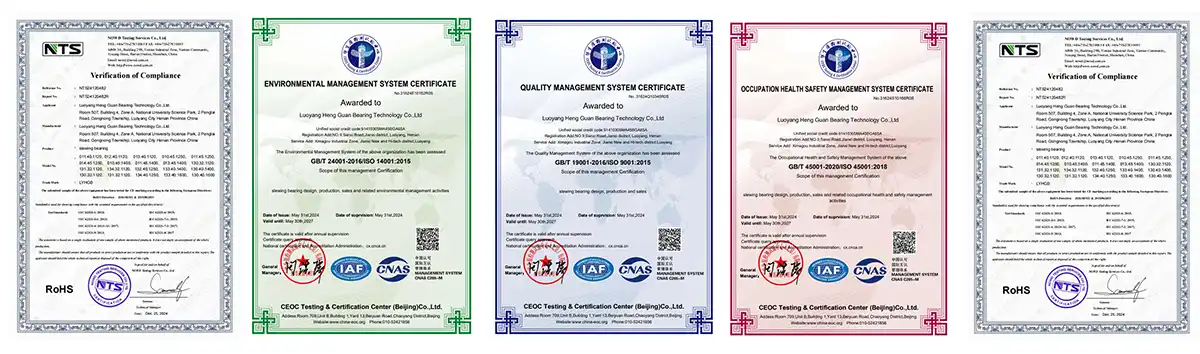
For custom projects, manufacturers may also provide inspection reports, material certificates, and quality documentation to support customer approval processes.
These quality controls provide ride manufacturers with greater confidence when integrating bearings into complex amusement systems.
Installation and Maintenance Practices for Longer Service Life
Correct Installation Procedures
Even a high-quality bearing can experience reduced performance if installation is not completed correctly. Proper mounting is essential because uneven installation forces can create additional stress on raceways and rolling elements.
Before installation, technicians should check:
Mounting surface flatness
Bolt hole alignment
Structural cleanliness
Correct fastening tools
During assembly, bolts should be tightened according to the recommended torque sequence. Uneven bolt tightening may cause deformation and uneven load distribution.
Alignment verification is also important. Misalignment between fixed and rotating structures can increase friction, vibration, and wear.
Lubrication and Environmental Protection
Lubrication management is one of the most important maintenance factors for amusement ride slew bearing.
The correct grease helps:
Reduce friction between rolling elements and raceways
Protect internal components from corrosion
Minimize wear during repeated operation
Outdoor amusement facilities must consider environmental conditions when selecting lubrication solutions.
For example:
Coastal locations require stronger corrosion protection.
Dusty environments require improved sealing performance.
Cold climates require low-temperature lubricants.
Regular lubrication schedules should be established according to operating frequency, weather conditions, and manufacturer recommendations.
How Can Ride Manufacturers Evaluate Slew Bearing Suppliers?
Technical Capability and Manufacturing Experience
Selecting a bearing supplier requires more than comparing prices. Ride manufacturers should evaluate whether the supplier has sufficient engineering knowledge and production capability.
Important evaluation factors include:
Experience producing large custom bearings
Ability to support engineering design
Quality management systems
Inspection capabilities
Production capacity
After-sales technical support
A supplier with experience in customized slew bearing manufacturing, including amusement ride slew bearing solutions, can help identify potential design issues before production begins.
This engineering cooperation reduces development risks and improves project efficiency.
Balancing Cost, Performance, and Lifecycle Value
The lowest purchase price does not always represent the lowest overall cost. For amusement equipment, unexpected bearing failure can result in the following:
Ride shutdowns
Maintenance expenses
Replacement costs
Customer dissatisfaction
A higher-quality bearing solution may provide better lifecycle value through:
Longer operating life
Reduced maintenance frequency
Improved reliability
Lower downtime risk
When comparing suppliers, buyers should consider total ownership costs rather than only initial purchasing expenses.
Custom Solutions for Different Amusement Equipment Applications
Ferris Wheels and Observation Rides
Large Ferris wheels require bearings capable of supporting heavy rotating structures while maintaining smooth and controlled movement.
These applications typically require:
High moment load capacity
Stable rotation performance
Reliable sealing systems
Long-term outdoor durability
Because Ferris wheels often operate in public environments with strict safety requirements, bearing reliability is a major design consideration.
Rotating Platforms and Pendulum Rides
Fast-moving amusement rides create more complex dynamic forces. Bearings used in these systems must respond quickly to changing loads while maintaining structural stability.
Customized bearing solutions allow manufacturers to optimize the following:
Load distribution
Rotation resistance
Mounting compatibility
Maintenance requirements
By selecting the correct bearing design at the beginning of a project, ride manufacturers can improve both performance and operational safety.
Procurement Planning for Custom Slew Bearings
Managing Production Lead Times and Project Scheduling
Custom bearings usually require engineering confirmation, production preparation, machining, inspection, and transportation arrangements.
To avoid project delays, buyers should communicate the following:
Technical drawings
Required dimensions
Performance expectations
Delivery schedules
Early cooperation between ride manufacturers and bearing suppliers helps ensure that production timelines match overall project plans.
Documentation and Technical Support
For international procurement, complete technical documentation is important.
Customers may require:
Product drawings
Material certificates
Inspection reports
Installation instructions
Maintenance recommendations
A supplier that provides complete documentation can simplify equipment approval and future maintenance procedures.
Conclusion
Custom amusement ride slew bearing solutions are essential components for ride manufacturers seeking reliable, safe, and efficient amusement equipment designs. These bearings must withstand complex combinations of radial loads, axial forces, tilting moments, and repeated operating cycles while maintaining smooth rotation.
Choosing the right bearing requires careful evaluation of structural design, material quality, manufacturing precision, installation requirements, and supplier capabilities. A customized solution developed with experienced engineers can improve equipment reliability, reduce maintenance requirements, and support long-term operational performance.
For slewing ring manufacturers planning new projects or upgrading existing equipment, working with a professional slew-bearing supplier provides access to engineering support, customized designs, and quality-controlled products. A well-designed bearing solution is not only a mechanical component investment but also an important foundation for safer and more dependable amusement experiences.
FAQ
1. What maintenance schedule should be followed for optimal bearing performance?
Regular maintenance intervals rely on how often the equipment is used and the weather. They usually range from once a month for eye checks to three times a year for full reviews. For daily use, the lubricating system needs to be checked once a week, and during the off-season, seals need to be carefully inspected and performance measured. Installations that get a lot of use may need more frequent maintenance, especially during busy times when rides are being used the most.
2. How can operators identify when bearing replacement becomes necessary?
Key indicators include higher spinning resistance, strange noises while the machine is running, temperature rises above normal levels, and seals that can be seen breaking down. A trend study of these parameters gives early warning signs that allow planned replacements to happen during planned repair windows instead of unplanned emergencies that stop operations.
3. What customization options are available for unique ride configurations?
Manufacturers offer a wide range of customization options, such as unique mounting patterns, built-in gear systems, better closing arrangements, and changed size requirements. Custom solutions are made to fit specific needs like room limitations, load requirements, and operational factors, all while meeting safety standards and performance goals.
4. What factors influence bearing service life in outdoor environments?
Extreme temperatures, wetness exposure, dust levels, and how often the component is used are all environmental factors that have a direct effect on how long it lasts. Choosing the right seals, lubrication systems, and repair schedules can lessen these effects and increase service life even in tough working conditions.
Ready to Source Premium Amusement Ride Slew Bearing Solutions from Heng Guan?
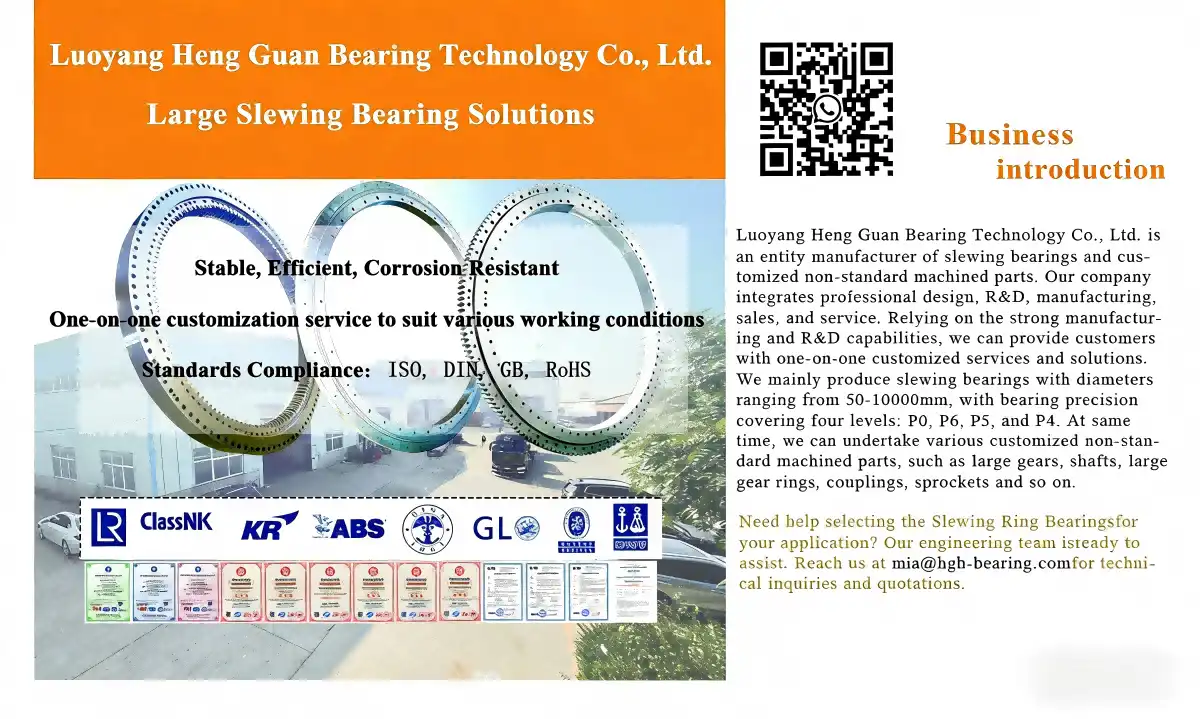
Heng Guan delivers exceptional amusement ride slew bearing solutions engineered specifically for theme park and entertainment applications. Our comprehensive manufacturing capabilities span 20-10000 mm diameter ranges with precision grades from P0 to P4, ensuring optimal performance for diverse ride configurations. Located in Luoyang's renowned bearing manufacturing district, we combine advanced production technologies with experienced engineering teams to deliver customized solutions that meet your exact specifications.Contact our technical specialists at mia@hgb-bearing.com to discuss your requirements and discover why leading amusement ride manufacturers worldwide choose Heng Guan as their trusted bearing supplier. Request detailed specifications, pricing information, and engineering support to optimize your next project's success.
References
1. International Association of Amusement Parks and Attractions. "Mechanical Safety Standards for Amusement Rides and Devices." IAAPA Safety Guidelines, 2023.
2. Zhang, Wei, and Liu, Ming. "Advanced Bearing Technologies for Large-Scale Rotating Equipment in Entertainment Applications." Journal of Mechanical Engineering Research, Vol. 45, No. 3, 2022.
3. American Society for Testing and Materials. "Standard Specification for Steel Forgings for High-Strength Bearing Applications." ASTM A534/A534M-17, 2021.
4. European Committee for Standardization. "Safety Requirements and Testing Procedures for Amusement Rides and Equipment." EN 13814:2019, Brussels, 2019.
5. Thompson, Robert J., and Anderson, Sarah K. "Reliability Analysis of Rotating Components in Dynamic Loading Environments." International Conference on Mechanical Systems Engineering Proceedings, 2023.
6. ISO Technical Committee 108. "Rolling Bearings - Tolerances and Measuring Methods for Assembled Slewing Bearings." ISO 17842:2020, Geneva, 2020.

WHAT OUR CUSTOMERS SAY
Here is the customer's evaluation of us