



Advanced Crane Slewing Bearing for Lifting and Swing Systems
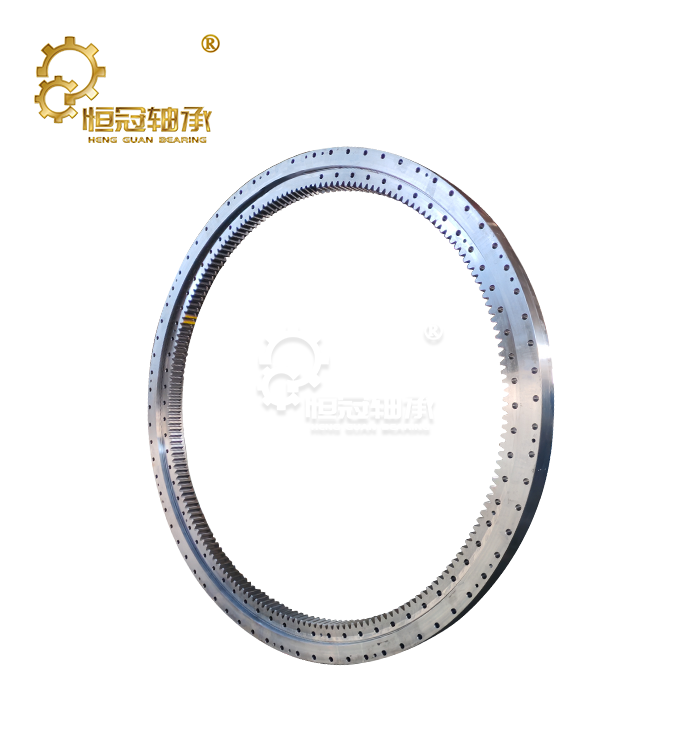
When it comes to heavy-duty lifting and rotating uses, advanced Crane Slewing Bearing systems are the pinnacle of engineering precision. These special rotating rolling-element bearings can handle huge axial, radial, and turning moment loads all at the same time, and they can rotate in a circle 360 degrees without any problems. As important structural parts that connect fixed chassis to spinning superstructures, crane slewing bearings use high-tech sealing technologies, mounting systems, and internal turning mechanisms. Their design solves problems in the industry, like keeping the structure stable in high winds, keeping track of the center of gravity during heavy lifts, and getting rid of the stick-slip friction effects that make it hard to control precisely when carrying big things.
Understanding Crane Slewing Bearings: Fundamentals and Working Principles
Crane slewing bearings are the mechanical base for circular motion in industrial lifting systems. They are designed to handle complex multidirectional load situations that regular bearings can't. These unique parts stand out because they can handle axial forces from loads that are stacked vertically, radial forces from moves that are horizontal, and large twisting moments from loads that are loaded off-center at the same time.
Core Operational Mechanics and Load Distribution
The basic idea behind the design is to spread heavy loads across many contact points by carefully planning the geometry of the raceways. Triple-row roller designs divide the upper, lower, and radial raceways. This lets each roller row handle different types of loads while keeping the structure strong in harsh circumstances. This mechanism for separating loads lets crane workers place loads accurately even when they weigh more than a few hundred tons.
Modern designs for slewing bearings use high-tech materials like 50Mn, 42CrMo, and special metal mixes that offer great resistance to wear and excellent physical stability. For accurate mounting connections with standard bolt patterns and machined surfaces that make sure load transfer between moving and fixed parts is done right, the combination with crane assemblies is needed.
Design Variants and Configuration Options
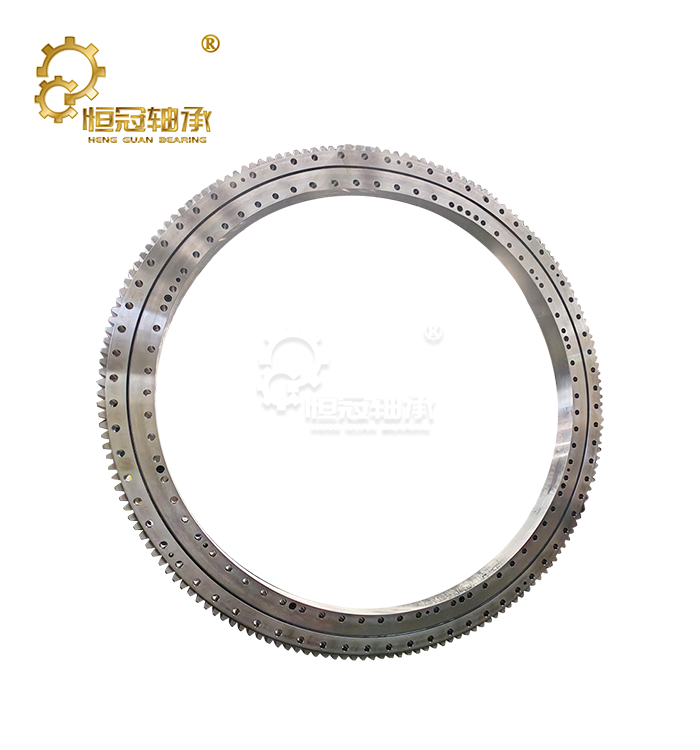
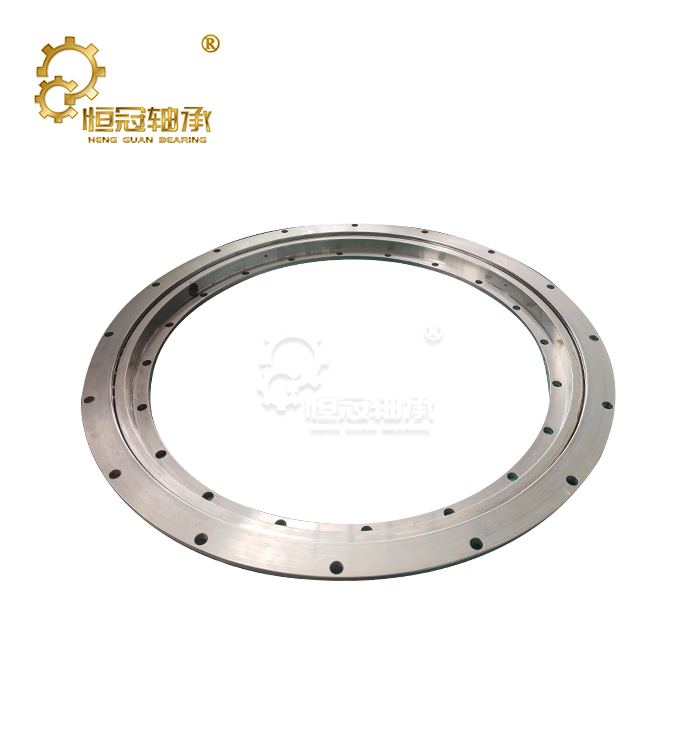
Modern Crane Slewing Bearing systems come in several different structural designs to meet the needs of different applications. Single-row four-point contact ball structures are small and work well for mild load uses. Cross-roller designs, on the other hand, are more rigid and are better for precise positioning needs. Triple-row cylinder roller designs are the best choice for heavy-duty tasks because they can handle the most weight and are very reliable.
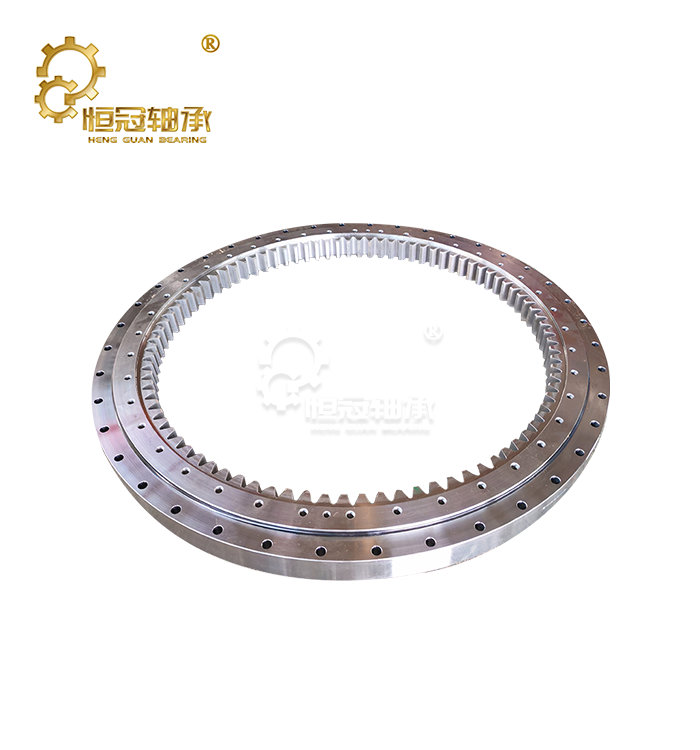
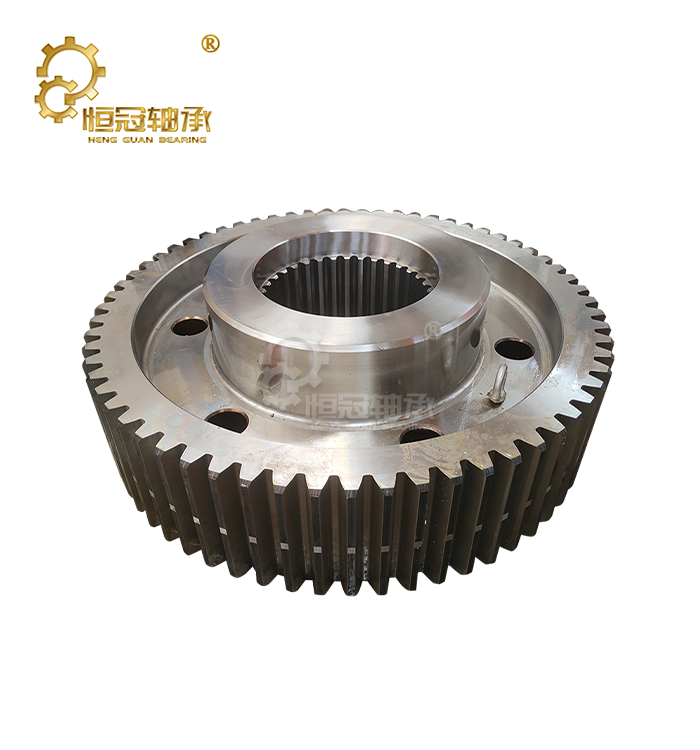
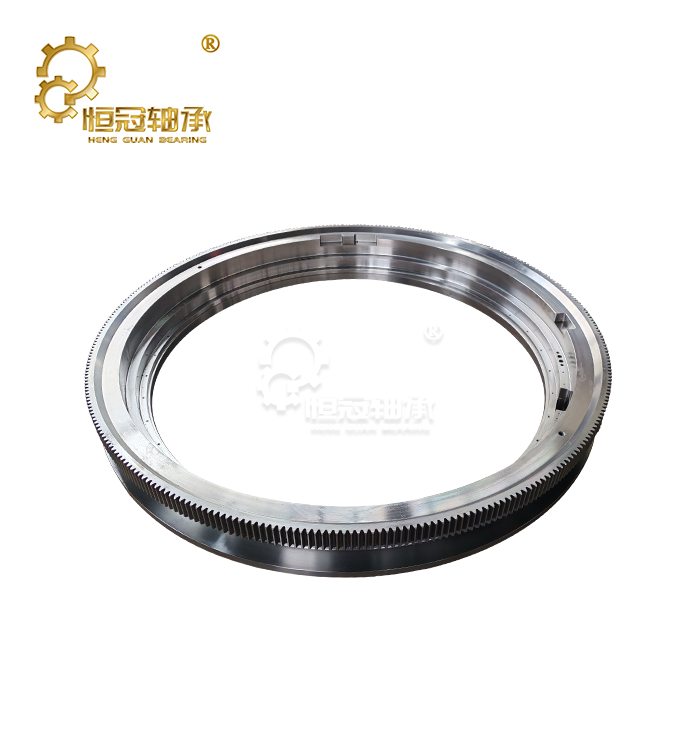
Which design to use—external gear, internal gear, or gearless—depends on available room, the need to transfer torque, and the ease of upkeep. External gear setups make installation and service easier, while internal gear systems offer small packages for users who don't have a lot of room.
Choosing the Right Crane Slewing Bearing: A Decision Support Framework
To choose the best slewing bearings, you need to take a close look at the working factors, environmental conditions, and performance standards. These all have a direct effect on the reliability and efficiency of the crane system. The choice framework includes many technical and business factors that procurement workers need to balance to get the best results.
Load Capacity and Precision Requirements Assessment
The main selection criterion is making sure that the bearing load numbers meet the real practical needs. This includes figuring out both static and dynamic loads across all force directions. Heavy-duty mobile cranes, port cranes, and bucket-wheel excavators need bearings that can handle very large loads and keep the wheels turning smoothly even when the working conditions change.
Precision grades, which range from P6 for normal uses to P4 for high-precision needs, have a direct effect on how well things are placed and how smoothly they work. Higher precision grades help reduce positioning mistakes and operating vibration in applications that need exact load placement, like shipyard cranes and automatic material handling systems.
Sealing Effectiveness and Environmental Compatibility
Environmental protection is very important for crane slewing bearings that work in tough outdoor situations. Advanced sealing systems keep internal parts clean and lubricated even when temperatures change a lot, there is a lot of moisture in the air, and there is particulate pollution, which is common in building, mining, and port settings.
When something is being evaluated, the total cost of ownership must be taken into account. This includes the initial purchase price, the cost of installation, the frequency of upkeep, and the expected service life. Premium bearings with better seals and better materials often offer better long-term value, even if they cost more at first, because they require less upkeep and last longer.
Advanced Solutions in Crane Slewing Bearings: Market Innovations and Leading Brands
Crane slewing bearing technology keeps getting better thanks to new ways to use materials, better ways to build things, and the ability to make things fit the needs of specific industries. The current market trends focus on increasing load capacity, service life, and resistance to weather factors while keeping costs low for commercial uses around the world.
Material Innovations and Enhanced Engineering Designs
In advanced metallurgy, new steel compositions and heat treatment methods are used that make it much more resistant to wear and keep its shape under repeated loads. Modern bearing steels have better grain structures and harder profiles, which means they last longer than usual. This is especially true in challenging situations like wind turbine setups and big building equipment.
New developments in surface treatment, such as specialized coatings and improved lubrication systems, lower friction factors, and make things less likely to rust. Because of these improvements in technology, Crane Slewing Bearing systems can now work well in marine settings, chemical processing plants, and other harsh conditions that used to require frequent component replacement.
Customization Capabilities and OEM Solutions
Leading makers are putting more and more emphasis on their ability to customize goods to meet specific application needs that normal catalog products can't meet. Customized bearing designs use different shapes, special materials, and better ways to close that are made to fit particular working conditions and performance standards.
OEM relationships make it easier for people to work together to create application-specific solutions that improve the performance of bearings in whole crane systems. Because of these partnerships, makers can make combined solutions that meet the performance needs of the whole system while keeping the dependability and serviceability of individual parts.
Maintenance and Troubleshooting: Enhancing Lifespan and Performance
Proactive repair plans are the best way to make sure that crane slewing bearings last as long as possible and that they don't break down unexpectedly, which can throw off schedules and raise project costs. Full maintenance plans include managing lubricant, keeping an eye on conditions, and using predictive maintenance methods to find problems before they cause a part to break.
Lubrication Management and Environmental Considerations
To manage lubrication correctly, you need to know how operating conditions, load patterns, and environmental exposure affect the choice of lubricant and when to use it. Specialized synthetic lubricants are needed for high-temperature uses because they need to keep their protective and viscosity qualities even when the temperature is very high. On the other hand, marine environments need lubricants that are better at resisting water and corrosion.
Sticking to the lubrication plan stops wear before it's due and keeps the working clearances at the right level to ensure smooth spinning and load distribution. Automated lubrication systems give lubricant more consistently, require less upkeep work to be done by hand, and make dangerous work settings safer for workers.
Diagnostic Approaches and Failure Prevention
Condition tracking methods allow early discovery of possible bearing problems, which allows for proactive action before small problems become major breakdowns. Vibration analysis, temperature tracking, and evaluating the state of the lubricant all give numerical signs of how healthy a bearing is, which helps with making choices about maintenance that are based on data.
Some common ways that things break are raceway spalling, seal degradation, and lubrication breakdown, which usually happen slowly over long periods of time. When maintenance teams see early warning signs, they can schedule fixes for planned downtime instead of having to deal with unexpected problems during key operations.
Procurement and Logistics: Navigating Purchase and Supply Chain for Slewing Bearings
To strategically buy Crane Slewing Bearing parts, you need to know a lot about global supply chains, quality standards, and shipping logistics that keep project plans on track and costs low. Procurement strategies that work well mix technology needs with business needs to get the best results.
Supplier Evaluation and Quality Assurance
When evaluating a supplier, it's important to look at their manufacturing skills, quality control systems, and past output success for similar projects. Leading providers keep full testing facilities and quality standards to make sure that goods meet or go beyond the performance requirements when they are used in real life.
Quality assurance guards the integrity of bearings all along the supply chain, from the time they are first made until they are installed. It includes everything from packing and shipping to installation support. The right way to handle and package components protects them from damage during shipping and makes sure they come ready to be installed right away.
Cost Management and Value Optimization
Using economies of scale, volume buying strategies lower unit costs while making sure there is enough stock for planned upkeep and repairs that need to be done right away. When you work with the same source for a long time, you can often get better prices and faster delivery times, which helps your business stay running.
Total cost optimization looks at more than just the price of the item itself. It also looks at how much it will cost to send, install, and maintain over time. Even though they cost more at first, premium bearings that last longer and need less maintenance often end up being a better deal over time because they cost less overall.
Conclusion
Modern heavy industry uses are getting more and more demanding, so advanced crane slewing bearing technology keeps getting better. Combining better materials, precise manufacturing, and a wide range of support services makes it possible to work reliably in harsh circumstances while keeping costs low. For implementation to go smoothly, application-specific needs, supplier skills, and long-term upkeep plans that keep the bearing running at its best throughout its lifecycle must all be carefully thought out. Strategic methods for buying that strike a balance between technical quality and business viability set up companies for long-term operating success in global markets that are very competitive.
FAQ
What factors most significantly impact crane slewing bearing lifespan?
Operational load management, environmental protection, and maintenance consistency represent the three primary factors influencing bearing longevity. Proper load distribution prevents premature raceway wear, while effective sealing protects against contamination. Regular lubrication and condition monitoring extend service life by addressing minor issues before they escalate.
How do I determine when bearing repair or replacement is necessary?
Key indicators include increased rotational resistance, unusual vibration patterns, temperature elevation, and lubricant contamination. Quantitative assessment through vibration analysis and lubricant testing provides objective criteria for maintenance decisions. Professional inspection can identify early-stage wear patterns that indicate remaining service life.
Are sealed bearings suitable for harsh outdoor crane applications?
Modern sealed bearing designs effectively protect against moisture, dust, and temperature extremes common in outdoor industrial environments. Advanced sealing systems maintain lubrication integrity while preventing contamination ingress. Proper seal selection based on specific environmental conditions ensures reliable performance throughout the service interval.
Partner with Heng Guan for Premium Crane Slewing Bearing Solutions
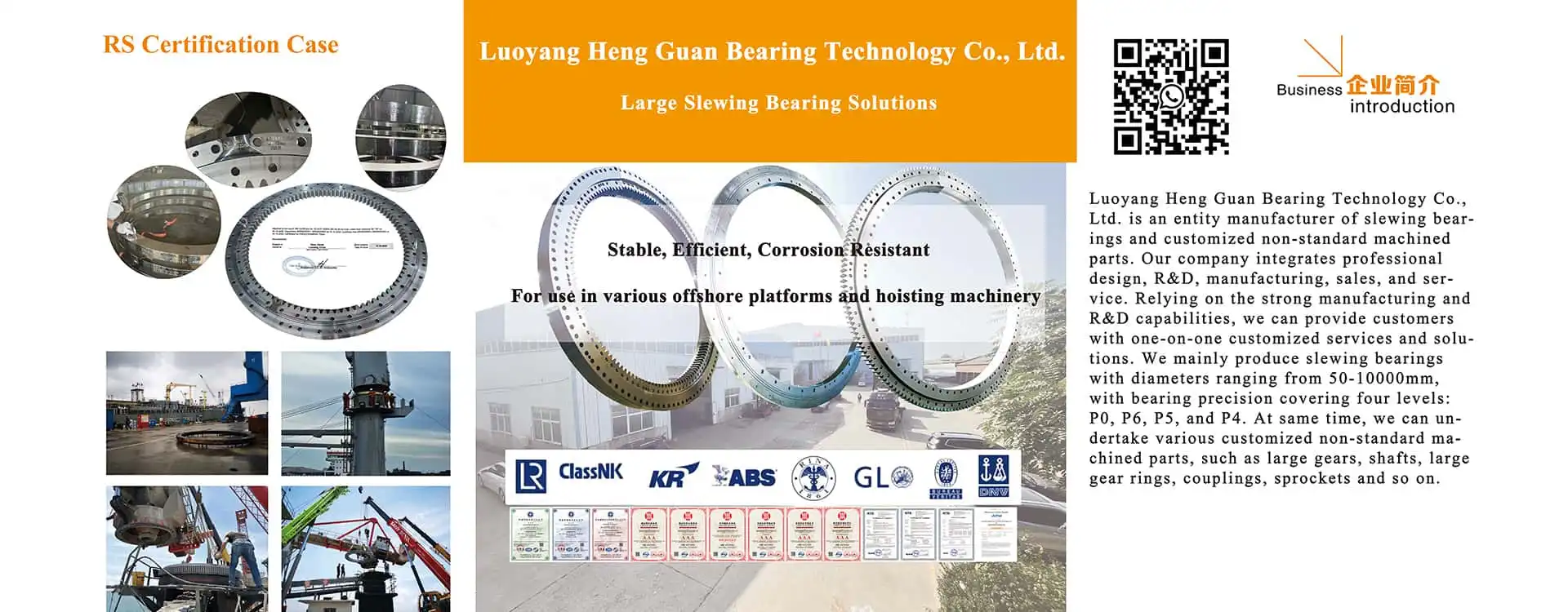
Heng Guan Bearing Technology delivers exceptional Crane Slewing Bearing solutions engineered for demanding industrial applications worldwide. Our comprehensive product range spans 20-10000mm diameter bearings with precision grades from P6 to P4, manufactured using advanced materials including 50Mn and 42CrMo alloys. As a leading crane slewing bearing manufacturer, we provide customized designs, competitive pricing, and comprehensive technical support backed by decades of engineering expertise. Contact our specialists at mia@hgb-bearing.com to discuss your specific requirements and discover how our premium bearing solutions enhance operational reliability and project success.
References
1. Industrial Bearing Design and Application Standards for Heavy Machinery, American Society of Mechanical Engineers, 2023.
2. Advanced Materials in Slewing Bearing Manufacturing: Performance and Durability Analysis, International Journal of Industrial Engineering, Vol. 45, 2023.
3. Crane System Reliability and Component Selection Guidelines, Heavy Industry Equipment Association, 2022.
4. Maintenance Best Practices for Large-Scale Rotating Machinery Bearings, Mechanical Engineering Research Institute, 2023.
5. Global Market Analysis: Industrial Slewing Bearings in Construction and Mining Applications, Industrial Equipment Review, 2023.
6. Load Distribution and Stress Analysis in Multi-Row Slewing Bearing Systems, Engineering Mechanics Quarterly, Vol. 28, 2022.

WHAT OUR CUSTOMERS SAY
Here is the customer's evaluation of us