



Port Crane Slewing Bearing: Key Features & Benefits Explained
Port crane slewing bearing systems are an important part of modern marine cargo handling. They are the rotating parts that make it possible for heavy-duty cranes to move huge loads precisely and reliably. It is designed so that these special bearings can work in harsh situations and still allow smooth spinning in a number of load directions. For procurement workers looking for the best options for port logistics infrastructure, it's important to know how they work, what their design requirements are, and how they can help with operations. In harsh coastal settings, the right slewing bearing can have a big effect on how well operations run, how long equipment lasts, and how much work gets done overall.
What Is a Port Crane Slewing Bearing and How Does It Work?
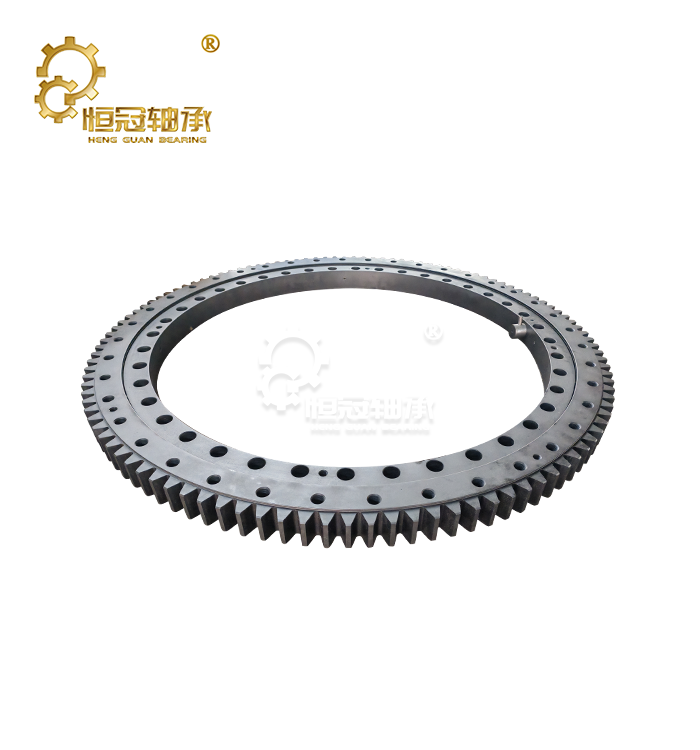
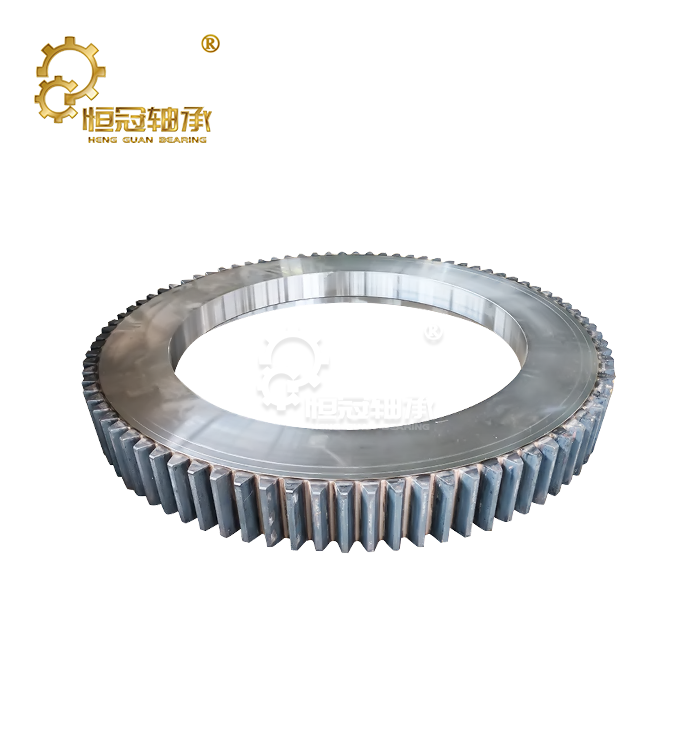
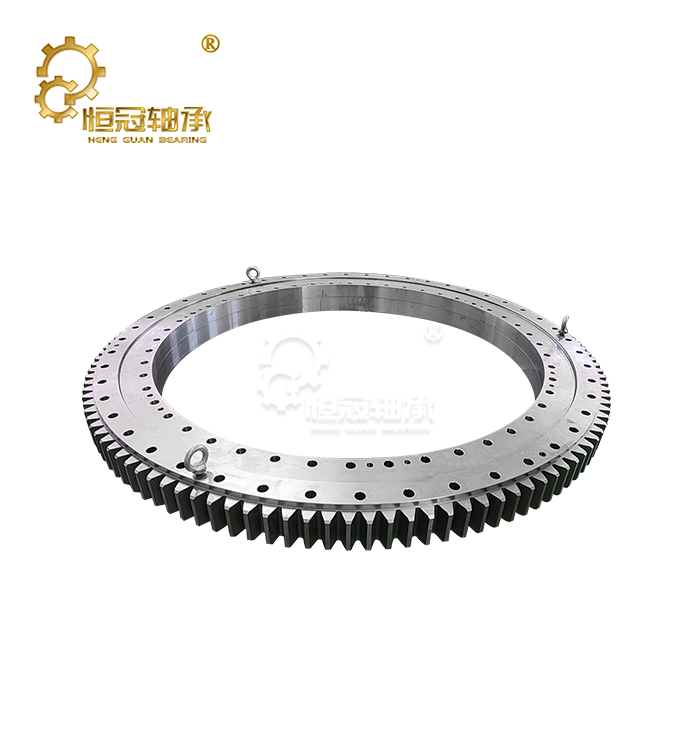
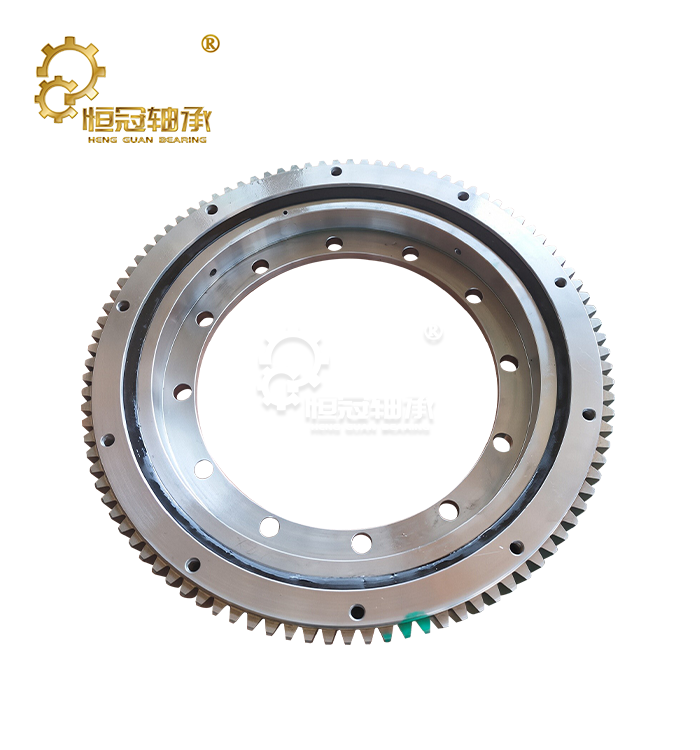
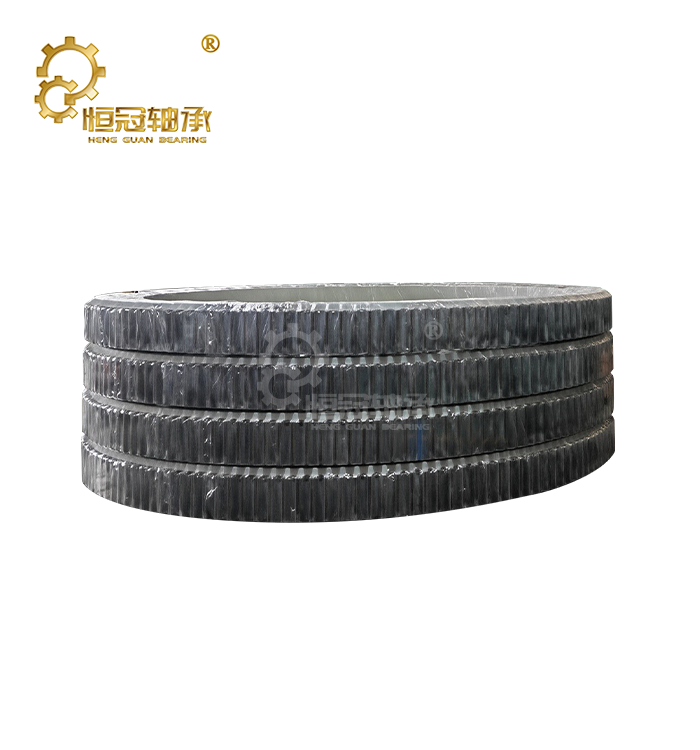
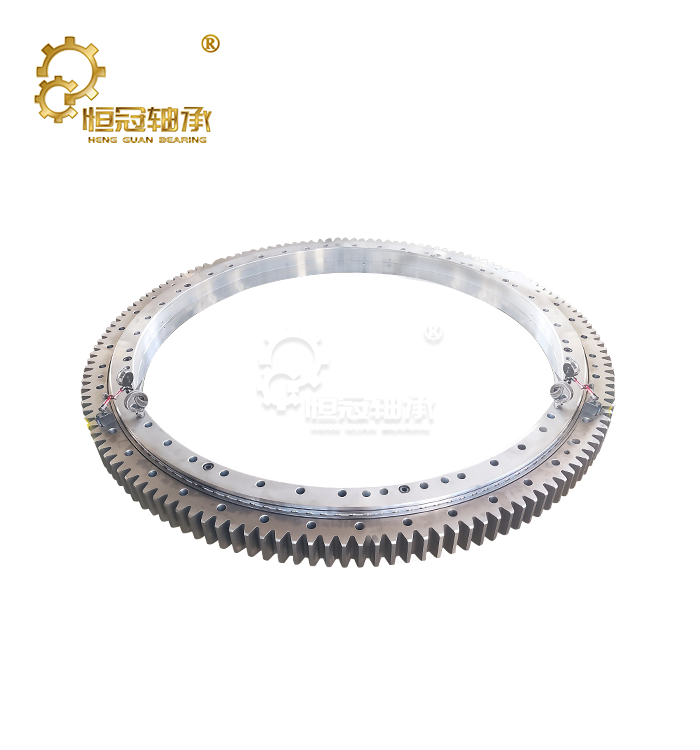
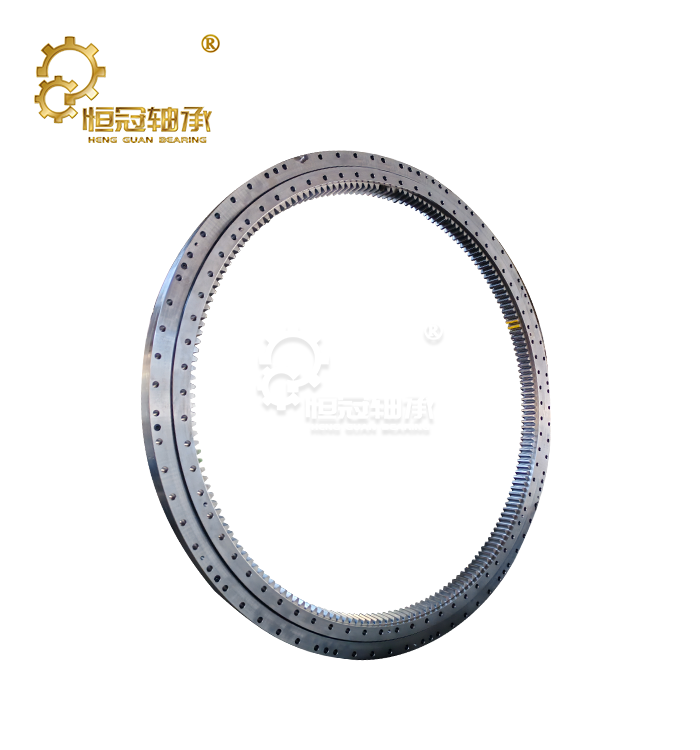
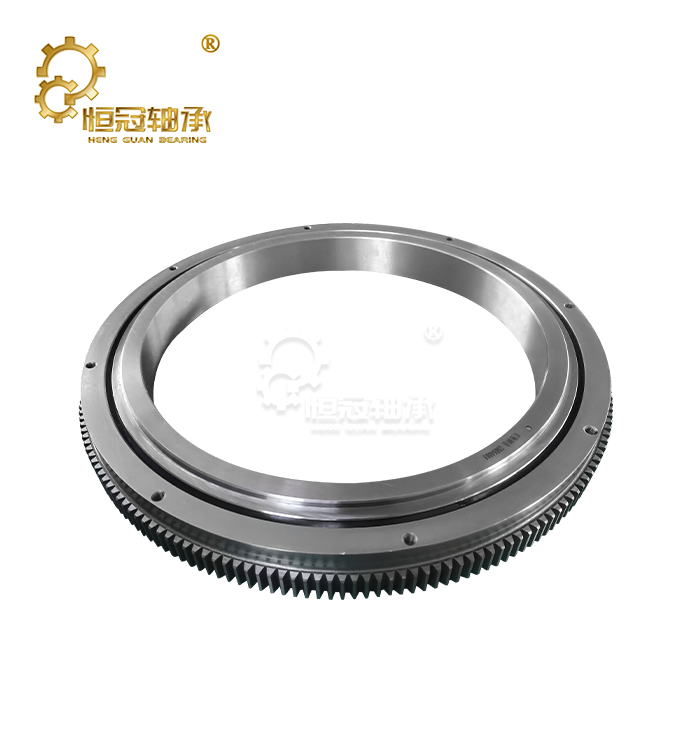
Port crane slewing bearings are complex rotating parts that are made to hold big loads while allowing smooth movement and stability during important port crane operations. These bearings make it easier for crane superstructures to move, which is necessary for accurate placement and safe operations in a wide range of marine settings.
Core Working Principles and Load Distribution
The basic idea behind it is to spread axial, radial, and moment loads through a strong bearing ring system and moving parts like balls or rollers. This three-dimensional load control system lets cranes handle forces coming from different directions at the same time while keeping the structure strong. The bearing system is made up of inner and outer rings that make raceways for rolling elements. These elements easily distribute loads across the whole bearing structure.
Modern slewing bearings use advanced engineering ideas to make the best designs for distributing stress. The moving elements move along carefully machined raceways, which keep friction to a minimum while carrying huge loads. This method of design lets port cranes turn easily while they're loaded, staying in the same place even when moving heavy packages.
Structural Variants and Design Options
There are different types of roller bearings, single-row and double-row ball bearings, and gears that are combined or separate. Each type is designed to meet the needs of a particular application. It is easy to place single-row four-point contact ball bearings because they have small profiles and can transfer power well. Double-row ball bearings can handle more rotational load, making them ideal for heavy-duty applications.
The best way to distribute load across multiple stress points is with three-row roller bearings. This makes them perfect for uses that need to carry the most weight. Knowing about these different designs helps people who work in buying choose the best solutions for global port logistics operations. They can make sure that the specs of the tools meet operational needs and performance standards.
Key Features and Design Specifications of Port Crane Slewing Bearings
Port crane slewing bearings are made with high-quality steel and improved coatings that don't rust, so they can work in harsh sea settings. The complex mix of materials guarantees long-lasting performance even when exposed to salt spray, humidity, and extreme weather conditions that are common in ports.
Advanced Material Engineering and Construction
The building is made with high-quality elements that were chosen for use in marine environments. Base materials are made of 42CrMo and 50Mn special alloy steel, which gives them great strength and longevity even under heavy loads. The rolling elements are made from GCr15SiMn high-purity bearing steel, which makes sure they work consistently and last a long time.
Seal materials are made from foreign nitrile rubber or fluororubber compounds, which are very resistant to chemicals, seawater, and other natural pollutants. These high-tech closing systems do a good job of keeping seawater, sand, dust, and other rough particles that could hurt bearing performance out.
Precision Manufacturing and Quality Standards
The load capacity is carefully adjusted to meet the strict needs of heavy-duty port cranes, and high-precision choices are available for uses that need to be positioned exactly. Precision-machined raceways are used in the manufacturing process to make sure that the bearings rotate smoothly and without any problems, even when they are under a lot of dynamic load and are used all the time.
With product measurements starting at 4238mm x 270mm, the size range can meet a wide range of application needs. Custom design applications can also request special sizes. Because of this, engineers can choose bearings that perfectly match the features of the equipment, allowing for easy setup and the best performance.
Innovative Design Elements and Performance Features
Integrated gear systems, improved seal technology, and effective lubrication mechanisms are some of the new design features that improve performance, increase service life, and lower the frequency of maintenance. Marine-grade treatments that stop rust have been shown to work against salt spray, humidity, wave impact, and other tough conditions that can happen at sea.
Innovative multi-layer sealing systems make many shields against outside contaminants while keeping the right amount of grease. Because of these technical benefits, they are necessary to keep cranes productive and reduce downtime in tough port conditions, which supports ongoing operating availability.
Maintenance Tips and Common Problems of Port Crane Slewing Bearings
Maintaining port crane slewing bearings properly is important for making sure they work well and getting the most use out of the equipment. In busy port settings, regular maintenance programs have a direct effect on the performance of bearings, the cost of operations, and the general availability of equipment.
Preventive Maintenance Strategies and Best Practices
Regular inspections, using the right lubricants, and keeping the area clean can help stop rust and wear from happening too soon. Maintenance plans should include checking the soundness of the seals visually, keeping an eye on the amount of lubrication, and trying the performance by using the machine. Setting regular repair intervals based on working hours and environmental exposure is the best way to keep bearings in good shape.
Managing lubrication means paying close attention to the type of grease, the amount used, and how often it needs to be replaced. Specifically made for high-load uses, marine-grade oils offer better protection against water intrusion and corrosion. Cleanliness rules for the environment help keep things from getting dirty, which can speed up wear and shorten the life of bearings.
Common Issues and Diagnostic Approaches
Gear tooth damage, imbalance, and uneven load distribution are all common problems that can be found by following a set of steps. Tooth wear on gears is usually caused by not enough oil, contamination, or pressure that is too high compared to what the manufacturer recommends. Misalignment issues are usually caused by bad fitting or structural movement in the equipment that supports it.
Uneven load distribution can cause certain bearing zones to fail early, which can cause more shaking, noise, and less smooth spinning. Diagnostic methods include looking for early warning signs of failure through sound analysis, temperature tracking, and eye inspection.
Repair Strategies and Component Management
Repairing and replacing old parts before they break, along with using OEM-quality bearings, are two of the best ways to extend the life of a crane and get the most out of it. Genuine parts that meet the original specs should be used first when replacing a component. This will ensure compatibility and consistent performance.
For people involved in B2B buying, these best practices help with repairs that don't cost too much and long-term asset management. Structured repair programs cut down on unplanned downtime and improve running costs by making service scheduling and managing parts supplies more predictable.
How to Choose the Right Port Crane Slewing Bearing for Your Needs?
When choosing the right port crane slewing bearing, you need to look at important factors like load capacity, accuracy, resistance to corrosion, and longevity. To get the best bearing performance, the selection process needs to carefully look at working needs, weather conditions, and performance standards.
Critical Selection Criteria and Performance Requirements
Due to their unique operating needs, port crane slewing bearings are very different from general-purpose versions and require specialized products. Static loads, dynamic forces, and moment loads that happen naturally as a crane works must all be taken into account when figuring out its load capacity. Needs for precision rely on how accurate positioning is needed and what the working limits are.
In coastal settings, where salt air, humidity, and changing temperatures make working conditions difficult, corrosion protection is very important. To make sure long-term dependability, durability standards cover both resistance to mechanical wear and defense against environmental degradation.
Supplier Evaluation and Procurement Considerations
Buyers should think about the image of the brand, certification standards, and customer service after the sale when comparing makers and vendors. ISO 9001 certification shows that quality management systems are in place, and industry-specific certifications show that marine standards are being met. Throughout the lifetime of a bearing, technical support services like engineering advice and help with fixing are very useful.
Decisions about what to buy also depend on things like price, wait time, guarantee terms, and the ability to customize the product. Standardized goods allow for faster delivery and may even have cheaper costs, while custom design services allow for optimization for specific uses. Warranty coverage should be able to handle the tough conditions that port cranes face and protect the investment well.
Strategic Procurement Approaches
A strategic method makes sure that project deadlines and cost goals are met while also getting high-performance parts from reputable global OEMs. When you work with the same supplier for a long time, you may get better prices, better expert help, and faster delivery times.
A more true way to figure out bearing value is to look at the total cost of ownership instead of the initial purchase price. The total economic benefit of bearing selection choices is affected by things like the amount of maintenance needed, the expected service life, and how well the bearings work.
Future Trends and Innovations in Port Crane Slewing Bearings
New styles in port crane slewing bearings stress using high-tech alloys and unique surface processes that make them stronger and less likely to rust. As industries change, new materials and technologies are always being created that improve efficiency and lower costs.
Advanced Materials and Manufacturing Technologies
The main goals of developing advanced alloys are to make them stronger while also making them lighter, more resistant to rust, and better at withstanding wear and tear. New developments in surface treatment include coatings that protect even more against damage from the surroundings while keeping the shape stable.
Precision cutting, modern heat treatment methods, and quality control systems that make sure the quality of the products is always the same are some of the ways that the manufacturing process has been improved. These improvements in technology help make bearings work better and be more reliable in tough naval environments.
Smart Technology Integration and Predictive Maintenance
Adding smart tracking sensors makes predictive maintenance possible, which cuts down on unnecessary downtime by finding problems early. Sensor technology can keep an eye on things like temperature, shaking, and load to give you real-time information about performance and repair needs.
Predictive maintenance systems look at working data to find patterns and guess when the best time is to do a repair. This method cuts down on maintenance that isn't needed and stops unexpected failures before they happen. This improves both operating uptime and maintenance costs.
Industry Standards and Regulatory Developments
Changing legal and quality compliance standards are having a bigger impact on industry demand. This is to make sure that processes around the world are safe and run smoothly. Environmental laws force the creation of more eco-friendly bearing shapes and production methods.
Together, these new ideas make it possible for port cranes to carry more weight, last longer, and save money on total costs. Procurement managers need to keep up with these changes if they want to keep their competitive edge and operational success in the maritime business, which is always changing.
Conclusion
Port crane slewing bearings are important parts that have a direct effect on how well, safely, and efficiently modern marine goods handling operations work. These special bearings are made with advanced engineering that lets them handle heavy loads and harsh environments while still keeping the precise spinning control that cranes need. Knowing the different design options, material requirements, and performance traits of an item helps procurement pros make smart choices that improve the performance of the item and lower its running costs. Proper repair procedures and careful choice of suppliers play a big role in extending the life of bearings and making sure they work reliably in tough port settings.
FAQ
What factors most significantly affect bearing lifespan in port crane applications?
The main things that affect a bearing's lifespan are its load conditions, the quality of its upkeep, and its exposure to the environment. With the right lubrication, regular checking, and security from contamination, service life can be greatly increased compared to what is normally expected.
Can port crane slewing bearings be customized for specific operational requirements?
Yes, you can customize it by choosing a different size, changing the load limit, adding better corrosion protection, and combining gear combinations. Custom designs make sure that the best performance for each application is achieved while still meeting high standards for production quality.
How do maintenance requirements differ between integrated gear and separate gear slewing bearings?
Integrated gear bearings require combined maintenance of both bearing and gear components, while separate systems allow independent service scheduling. Integrated designs often provide space savings but may require specialized maintenance expertise for optimal performance.
Partner with Heng Guan for Superior Port Crane Slewing Bearing Solutions
Luoyang Heng Guan Bearing Technology is ready to help your port crane operations with slewing bearing options that are the best on the market and are designed to last. We have a wide range of products, including single-row four-point contact, double-row ball, and three-row roller designs made especially for tough marine uses. We offer customized solutions that meet your exact needs at reasonable prices and on time, thanks to our ISO 9001 certification, advanced CNC machining, and over two decades of specialized experience. Contact our technical team at mia@hgb-bearing.com to discuss your specific requirements and discover why leading port crane slewing bearing manufacturers trust Heng Guan for critical applications worldwide.
References
1. Marine Equipment Engineering Journal. "Advanced Bearing Technologies in Port Crane Applications." Industrial Publishing, 2023.
2. International Port Machinery Standards Committee. "Slewing Bearing Design Guidelines for Heavy-Duty Marine Equipment." Technical Publication Series, 2022.
3. Zhang, Wei, and Liu, Ming. "Load Distribution Analysis in Three-Row Roller Slewing Bearings for Port Cranes." Journal of Mechanical Engineering Research, Vol. 45, 2023.
4. American Society of Mechanical Engineers. "Maintenance Best Practices for Large-Scale Rotating Equipment in Marine Environments." ASME Press, 2022.
5. European Port Equipment Manufacturers Association. "Corrosion Resistance Standards for Maritime Bearing Applications." Technical Bulletin, 2023.
6. Thompson, Robert J. "Predictive Maintenance Technologies for Port Crane Slewing Bearings." Industrial Automation Quarterly, Issue 3, 2023.

WHAT OUR CUSTOMERS SAY
Here is the customer's evaluation of us