



Looking for a Trusted AC100 Crane Slewing Bearing Supplier?
If you need to buy important parts for heavy-duty crane operations, you need to find a trusted AC100 Crane Slewing Bearing provider. The slewing bearing is a key component that permit smooth 360-degree rotation and has to bear complicated loads such as axial force, radial force and overturning moment during lifting operations.A qualified supplier does more than just supply a new part. Buyers demand consistent quality of manufacture, correct dimensions, traceable materials, expert technical support, and a dependable delivery capability. Working with an experienced manufacturer reduces the chances of premature bearing failure, unplanned downtime, and expensive crane repairs.
Before placing an order for AC100 crane slewing bearing products, organizations should assess the supplier’s capabilities, quality control system, and engineering assistance.

What Makes the AC100 Crane Slewing Bearing Suitable for Mobile Crane Applications?
Structural Design and Load Handling Capability
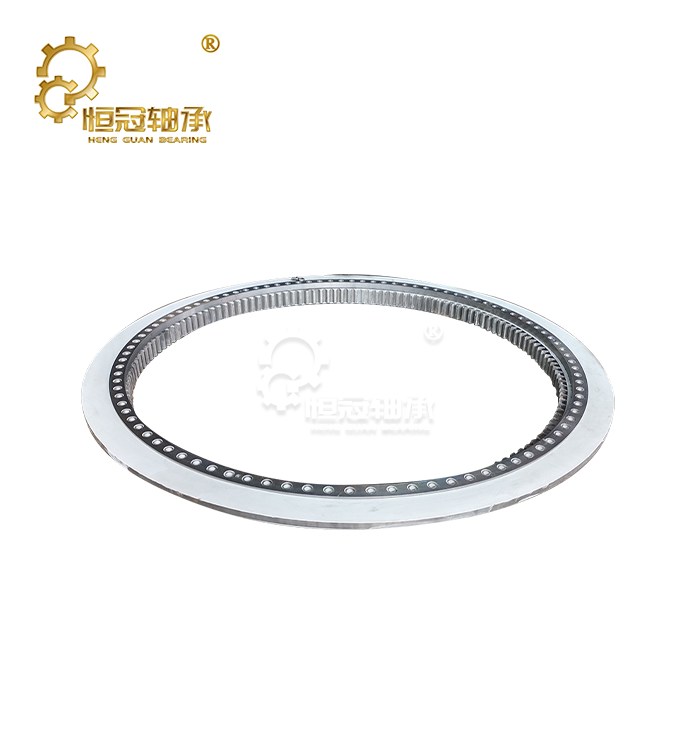
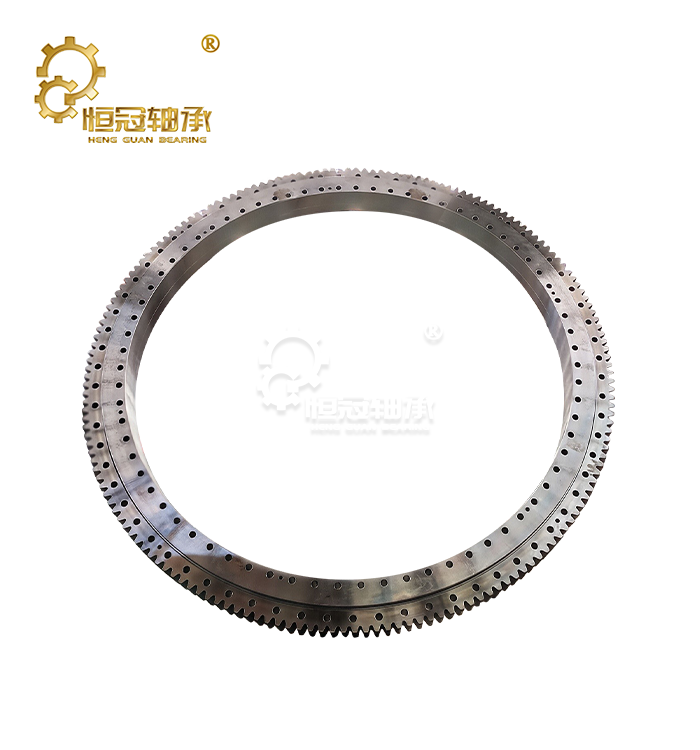
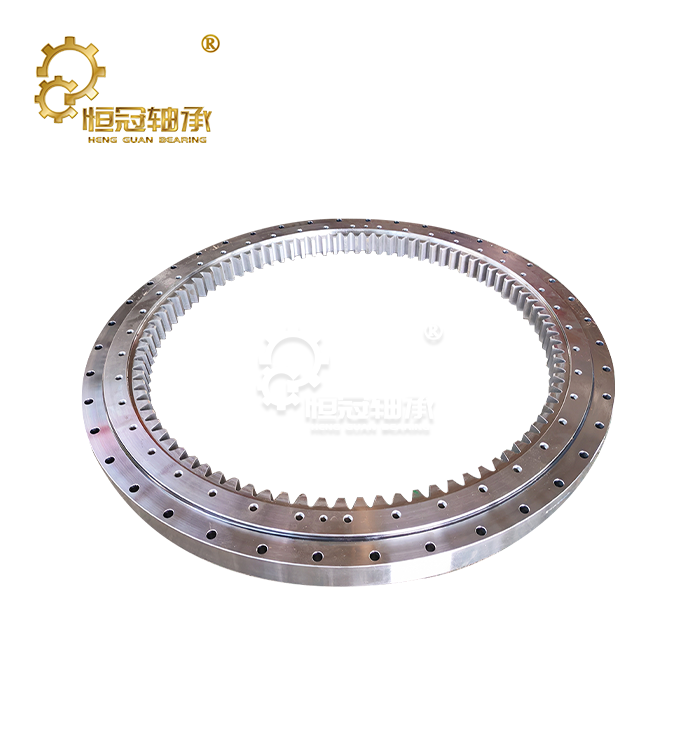
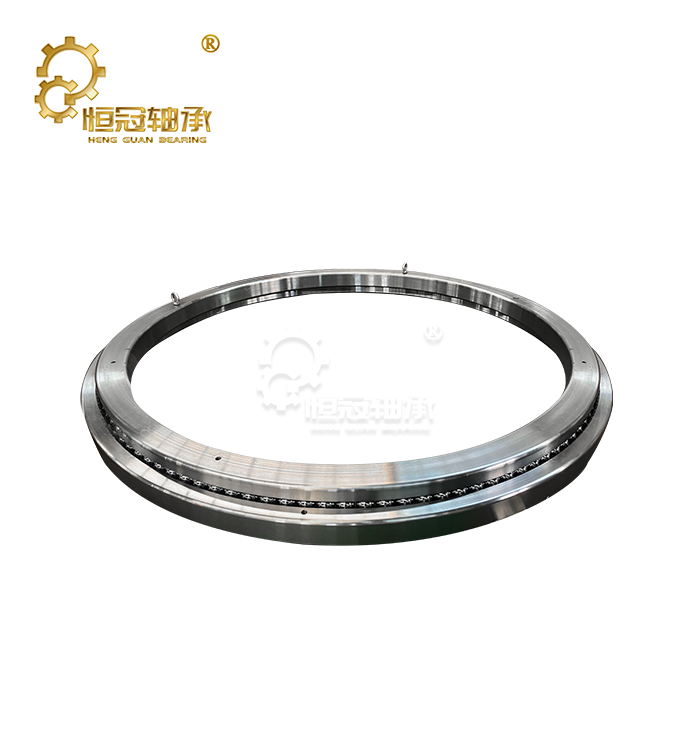
The AC100 crane slewing bearing is used for mobile crane applications where stable rotation performance and load-bearing capability are required. Crane slewing bearings are required to support continuously combined loads resulting from lifting operations, movement of the boom, and uneven working circumstances, unlike the usual bearing types for light-duty equipment.
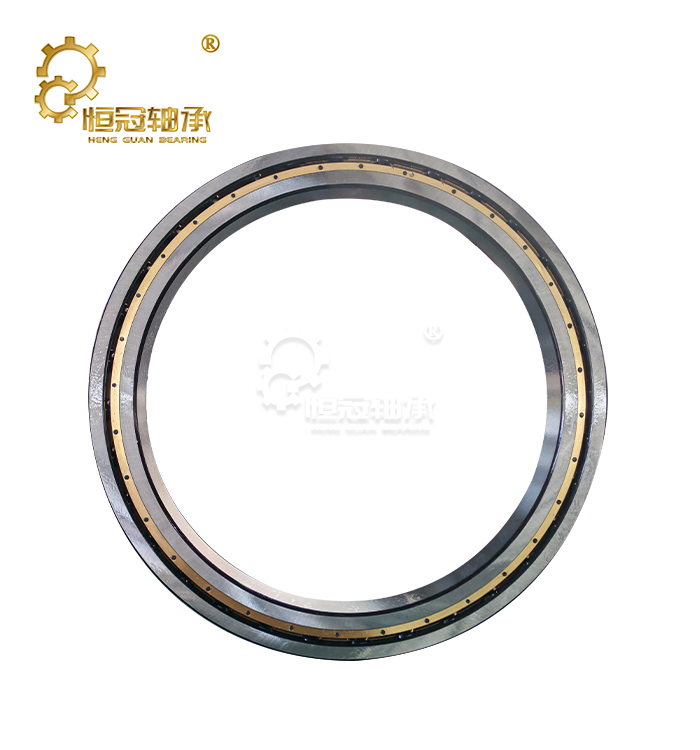
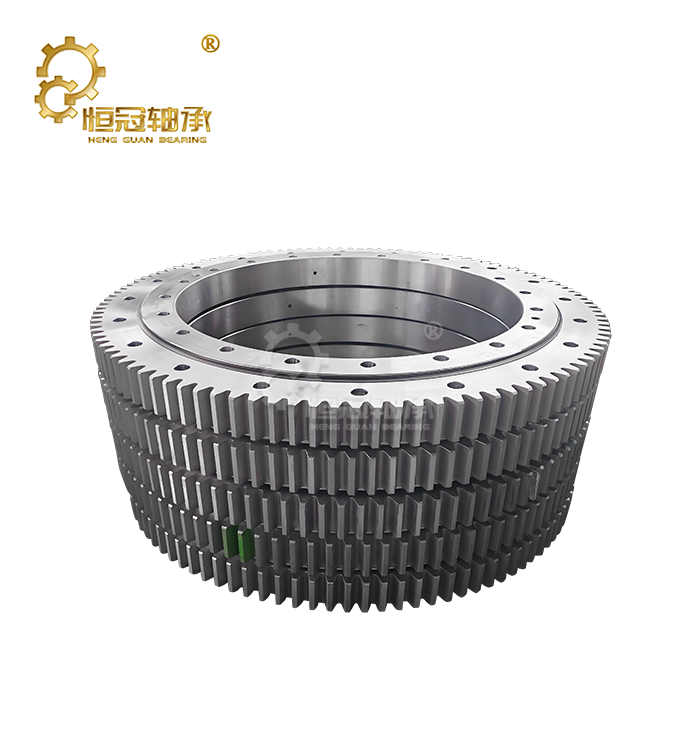
Three-row roller design Multiple contact locations between rolling parts and raceways. In this design, the bearing may more evenly distribute the axial loads, radial loads, and tilting moments and reduce the local stress concentration during operation.
The AC100 configuration for mobile cranes provides a sensible compromise between load capacity, installation space, and total equipment weight for typical lifting capacities in the range of about 25 to 100 tons. This makes it appropriate for applications where the use of larger slewing bearings would result in an increase in the structural requirements without any further operating advantages.
Good design of a slewing bearing also contributes to smooth accuracy in rotation. This is especially true for construction projects, handling containers, the installation of equipment, and other procedures where loads need to be placed exactly.
Material Selection and Manufacturing Precision
The quality of the material has a direct impact on the service life and dependability of the crane slewing bearing. Bearing rings are usually made of high-strength alloy steels by the well-known manufacturers, since these materials exhibit higher resistance to repetitive loading, impact pressures, and fatigue stress.
Heavy-duty slewing bearings are usually manufactured from 50Mn and 42CrMo alloy steels. These materials can get the essential hardness and mechanical qualities for demanding crane applications by suitable heat treatment procedures.
The rolling elements require an accurate machining and surface finishing to get a stable contact with the raceways. GCr15SiMn and other bearing steels are chosen primarily for their wear resistance, dimensional stability, and ability to maintain performance under different outside circumstances.
But material selection alone does not ensure product reliability. Buyers should also check whether providers keep the following:
Procedures for inspection of raw material;
Heat treatment record. Hardness test of raceway.
Dimensional correctness check inspection during the final assembly
These quality controls ensure that every AC100 crane slewing bearing complies with the required engineering standards prior to distribution.
Key Performance Factors Buyers Should Evaluate Before Purchasing
Rotation Accuracy and Operating Stability
Smooth rotation is one of the most critical performance requirements for crane operators. If the machining accuracy of the slewing bearing or the assembly is insufficient, the slewing bearing will produce excessive friction, uneven movement, vibration, or abnormal noise during operation.
AC100 high-quality bearings are produced with controlled raceway shape, correct mounting dimensions, and improved internal clearance. These elements ensure steady positioning of the load and smooth rotation of the crane frame.
Before buying, purchasers should verify that the provider can offer:
Product designs, dimensional inspection reports Installation recommendations Lubrication guidelines
These documents are used to verify that the bearing is suitable for the crane structure.
Gear Performance and Environmental Protection
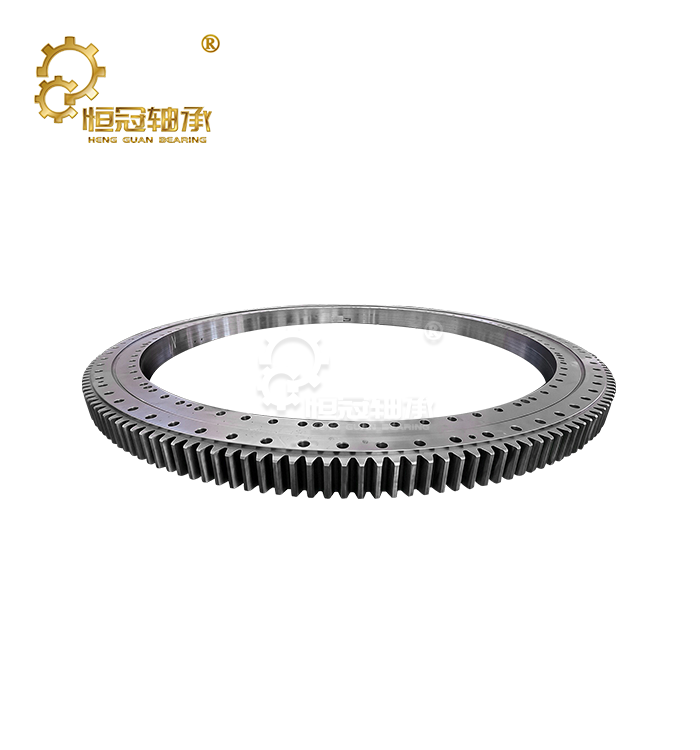
The majority of mobile crane slewing bearings utilize external gears to transmit the rotation force via the drive system. The quality of the gear surface and the heat treatment it receives directly affect its resistance to wear, especially in applications that require frequent starts, stops, and changes in direction.
If done properly, hardened gear teeth can improve wear resistance and increase service intervals over untreated surfaces. However, real service performance depends on operating conditions, lubricant quality, installation accuracy, and maintenance methods.
Another crucial aspect is ENVIRONMENTAL PROTECTION. Mobile cranes are frequently used under difficult conditions, such as
Dust exposure at construction sites;
Coastal locations of excessive humidity and salt spray;
Outdoor crafts at different temperatures.
Properly designed sealing systems provide a barrier against impurities entering the bearing structure and protect the lubricant from deterioration. This minimizes the frequency of maintenance for the AC100 crane slewing bearing and contributes to the stability of performance during lengthy durations of operation.
How to Identify a Reliable AC100 Crane Slewing-Bearing Supplier?
Verify Manufacturing Capability and Quality Control Systems
In selecting crane components, it’s not just the pricing of goods that buyers need to consider but also the supplier’s production capacity, it has been said. A good supplier should be able to show that it has the equipment, engineering knowledge, and inspection methods to reliably produce heavy-duty slewing bearings.
Key considerations to consider when evaluating suppliers:
1. Production Experience
Long experience in the manufacturing of slewing bearings usually means that the manufacturers have a superior grasp of the following:
Load requirements.
Control of heat treatment.
Machining Challenges;
Improvements for specialized applications.
Experience is especially important when customers are replacing bearings for older crane models where dimensional precision is important.
2. Quality of Documentation
Technical documents should be available from professional sources such as the following:
Material certifications, inspection reports, heat treatment registers, product drawings, and quality certificates.
These documents help buying teams to ensure product uniformity and decrease procurement risks.
3. Support of Engineering
Often the technical skill of a provider is as crucial as their production ability. Buyers may want assistance with:
during installation or replacement projects
Mounting compatibility;
Bolt selection;
Lubrication needs;
Operating recommendations.
Suppliers with engineering support teams can help clients prevent installation difficulties that can reduce bearing service life.
Check Supplier Certifications and Production Standards
Certifications are useful evidence of a supplier’s commitment to quality management. The certification does not alone guarantee the product performance, but it does indicate that the manufacturer is following documented production control and quality assurance methods.
When buying industrial bearings, consumers should ask if the manufacturer has:
Quality management systems ISO 9001;
Internal audit systems;
Traceability systems;
Standard production processes.
This minimizes the frequency of maintenance for the AC100 crane slewing bearing and contributes to the stability of performance during lengthy durations of operation.

How Should Buyers Compare Different AC100 Crane Slewing-Bearing Suppliers?
Evaluate Technical Capability Instead of Focusing Only on Price
When choosing heavy-duty crane components, price is a factor, but it's not the only factor on which to base decisions. Sometimes a low quote may signify that the quality of the material is substandard, the inspection procedure is not comprehensive, or there is no after-sales service.
The key criteria that the customers have to compare while buying the AC100 crane slewing bearing are as follows:
Manufacturing know-how Material quality control 3. Machining accuracy Inspection ability reliability of delivery support service
A more technically knowledgeable vendor can help customers avoid hidden costs from untimely bearing replacement, crane downtime, and unexpected maintenance.
For example, two bearings may have the same outside dimensions, but differences in steel grade, raceway processing, depth of heat treatment, and assembly control can have a big impact on service performance. Therefore, professional buyers have to look at total cost of ownership, not simply purchase price.
A reputable manufacturer should be able to explain how they ensure consistency in their production process from raw material selection to final inspection.
Consider Application Conditions Before Selecting a Supplier
The best AC100 crane slewing bearing provider should know the real working conditions of the crane, not only supply a standard product.
Distinct working environments have distinct needs:
Applications in Buildings
Construction cranes are generally subject to frequent rotation, multiple lifting cycles, and different loads. The bearings utilized in these situations must have a consistent load distribution and strong fatigue resistance.
Port and Marine Operations
Cranes that operate in coastal environments have other issues such as humidity, salt exposure, and corrosion threats. Suppliers should offer adequate maintenance methods and protection measures.
Big Industrial Projects
Industrial lifting equipment can be used constantly for long periods of time. In these applications, the bearing’s durability and the supplier’s response speed become extremely critical, as unanticipated downtime may interfere with production schedules.
An application-savvy supplier can offer lubrication intervals, inspection procedures, and maintenance schedules to help maximize bearing service life.
Procurement Guidelines for AC100 Crane Slewing-Bearing Buyers
What Documents Should Buyers Request Before Ordering?
If you are going to buy an AC100 crane slewing bearing, the experienced procurement team should ask for technical documentation to ensure the product quality and compatibility.
Material Certificates
Material certifications are providing traceability information and proof of the grade of steel used in manufacture. This allows the buyer to check that the bearing rings and rolling parts fulfill the required parameters.
Inspection Reports
The final bearing has passed dimensional inspection and quality control tests as documented in inspection reports.
Typical inspection elements include the following:
Outer and inner diameter sizes and tolerance on mounting holes;
Gear precision, track condition,
Testing of surface hardness.
Technical Drawings
Accurate designs are important for replacing an existing crane bearing. Wrong sizes might cause difficulties in fitting, unequal loads, and less safe functioning.
Warranty and After-Sales Information
A clear warranty policy demonstrates how the seller addresses product responsibility after delivery. Buyers should be aware of:
Warranty period;
How to make a claim;
Technical support availability;
Replacement process.
Suppliers that give thorough documentation tend to have a better quality management system and are more committed to their customers.
Common Risks When Buying AC100 Crane Slewing Bearings
Risk 1: Purchasing Low-Quality Replacement Bearings
One of the major problems in the bearing market is the availability of replacement items of low quality. These bearings can look like the original parts but may have poorer materials and incomplete production techniques.
Possible outcomes are the following:
Accelerated track wear;
Excessive clearance, unusual vibration, and unscheduled crane downtime.
Working with certified producers and seeking quality data can greatly lessen this danger.
Risk 2: Ignoring Installation Requirements
Even a high-quality bearing can experience premature failure if installation procedures are incorrect.
Common installation-related problems include:
Improper bolt tightening;
Incorrect mounting surface preparation;
Insufficient lubrication;
Failure to check alignment.
A professional supplier should provide installation recommendations and technical guidance to help customers achieve optimal performance.
Risk 3: Choosing Suppliers Without Long-Term Support
Crane components often require ongoing technical assistance throughout their service life. A supplier that only provides the product but cannot support future maintenance needs may create additional challenges.
Long-term supplier relationships are valuable because customers can receive:
Faster technical responses;
Replacement recommendations;
Maintenance suggestions;
Product improvement feedback.
For fleet operators managing multiple cranes, supplier reliability directly affects operational efficiency.
Building a Long-Term Partnership With an AC100 Crane Slewing Bearing Manufacturer
Why Long-Term Supplier Relationships Create More Value
For companies operating cranes continuously, purchasing a slewing bearing is not simply a one-time transaction. Future maintenance requirements, replacement schedules, and equipment upgrades all depend on supplier reliability.
A long-term partnership allows manufacturers and buyers to develop better communication regarding the following:
Product specifications;
Application conditions;
Delivery schedules;
Technical improvements.
Over time, suppliers gain a better understanding of customer requirements and can provide more suitable solutions.
For example, customers with multiple crane models may benefit from standardized purchasing programs, customized documentation, and planned inventory support.
The Importance of Technical Cooperation and Continuous Improvement
Experienced slewing bearing manufacturers often work closely with customers to improve product performance. Feedback from real operating conditions helps suppliers optimize designs, manufacturing processes, and quality controls.
Technical cooperation may include the following:
Reviewing failure causes;
Improving lubrication methods;
Adjusting product specifications;
Developing replacement solutions.
This approach benefits both sides because customers receive more reliable components while manufacturers gain valuable application knowledge.
For companies sourcing an AC100 crane slewing bearing, selecting a supplier with engineering capability can provide long-term advantages beyond the initial purchase.
Conclusion
To find a trustworthy AC100 crane slewing bearing supplier, buyers should evaluate more than product availability and pricing. A reliable supplier should demonstrate strong manufacturing capability, strict quality control, accurate documentation, and professional technical support.
Because slewing bearings directly influence crane safety, rotation performance, and maintenance costs, supplier selection should be treated as a long-term investment rather than a simple purchasing decision. Companies should verify material quality, inspection procedures, engineering support, and delivery reliability before establishing cooperation.
By choosing a qualified manufacturer and developing a stable supplier relationship, crane operators, equipment manufacturers, and maintenance companies can reduce operational risks, improve equipment reliability, and achieve better total cost performance throughout the service life of their crane fleets.
|
|


FAQ
1. What factors determine AC100 bearing replacement intervals?
How often something needs to be replaced depends on how it is used, how often it is loaded, and how often it is maintained. Bearings usually last 8,000 hours or more when used normally and with the right amount of grease. However, excessive axial play that goes beyond the manufacturer's limits or metal contamination in grease samples means that the bearings need to be replaced right away, no matter how many hours they have been used.
2. How can procurement teams verify supplier authenticity?
Real sellers give a lot of paperwork, like material certificates, measurement inspection reports, and records of how the goods were made. Verified sellers have industry certifications like ISO 9001 and can show that they have established customer relationships with trustworthy crane makers or equipment users.
3. What advantages do bulk orders provide for AC100 bearings?
By buying in bulk, you can save money on costs through volume prices and make sure that you have enough inventory for planned repair schedules. But proper storing conditions and inventory rotation processes are needed to keep bearings from wearing out during long periods of time before they are installed.
Contact Heng Guan for Your AC100 Crane Slewing Bearing Requirements
Heng Guan Bearing Technology is ready to help you buy AC100 crane slewing bearings because they have a wide range of production skills and technical know-how. Our factory in Luoyang makes bearings with diameters from 50mm to 10,000mm and precision grades from P0 to P4. This means that we can provide the best options for your unique crane needs. As a producer with a lot of experience making AC100 crane slewing bearing, we use cutting-edge production technology and strict quality control to make sure that the parts we send out are reliable and meet the most stringent practical needs.Email our technical team at mia@hgb-bearing.com for full quotes, to talk about modifications, or to get engineering advice that will help you get the most out of your crane bearings.
References
1. International Organization for Standardization. "Rolling Bearings - Slewing Bearings: Geometrical Product Specifications and Tolerance Values." ISO 12043-1:2007.
2. American Society of Mechanical Engineers. "Design and Application Guidelines for Mobile Crane Slewing Bearings." ASME B30.5-2018.
3. European Committee for Standardization. "Cranes - Safety Requirements for Mobile Cranes." EN 13000:2010+A1:2014.
4. Bearing Industry Research Institute. "Failure Analysis and Prevention in Large Diameter Slewing Bearings." Technical Publication 2023-BR-147.
5. Construction Equipment Manufacturers Association. "Best Practices for Mobile Crane Component Procurement and Maintenance." CEMA Technical Bulletin TB-2022-15.
6. International Crane Foundation. "Global Standards for Heavy-Duty Lifting Equipment Bearings: A Comprehensive Analysis." ICF Research Report 2023-GS-08.

WHAT OUR CUSTOMERS SAY
Here is the customer's evaluation of us