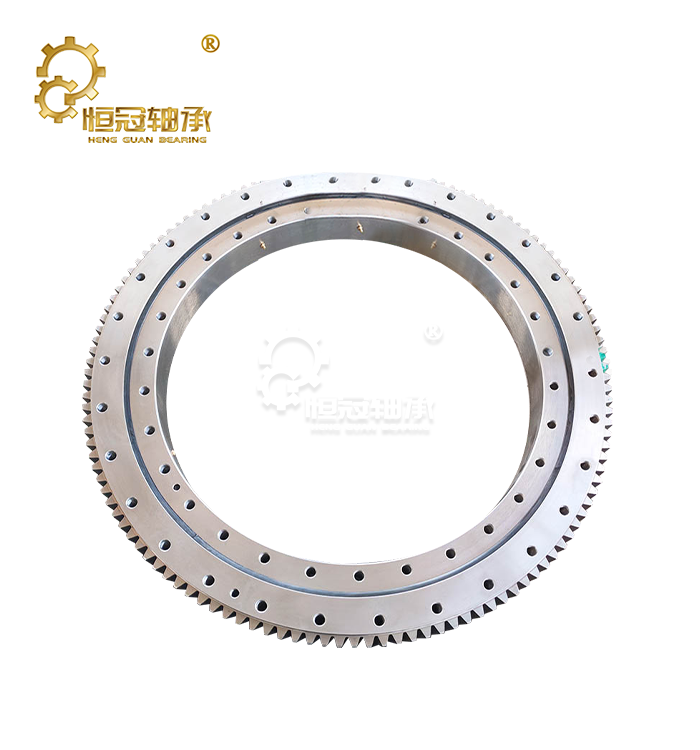




Where to Buy Reliable Slewing Bearings for Tower Cranes?
When purchasing a slewing bearing for tower crane applications,For heavy lifting applications, purchasing managers and engineering teams need to select vendors who understand the significance of these components. Selecting a reliable slewing bearing for tower crane applications is a key decision for contractors, crane owners and maintenance teams. The bearing supports the spinning upper structure of the crane, and directly influences the lifting safety, operational stability and service life. Buyers can get bearings from manufacturers in Luoyang, China, from well-established European suppliers or from regional wholesalers, but the key thing is to choose a supplier with a proven track record in tower crane applications and constant quality control.

Key Functions of a Slewing Bearing in Tower Cranes
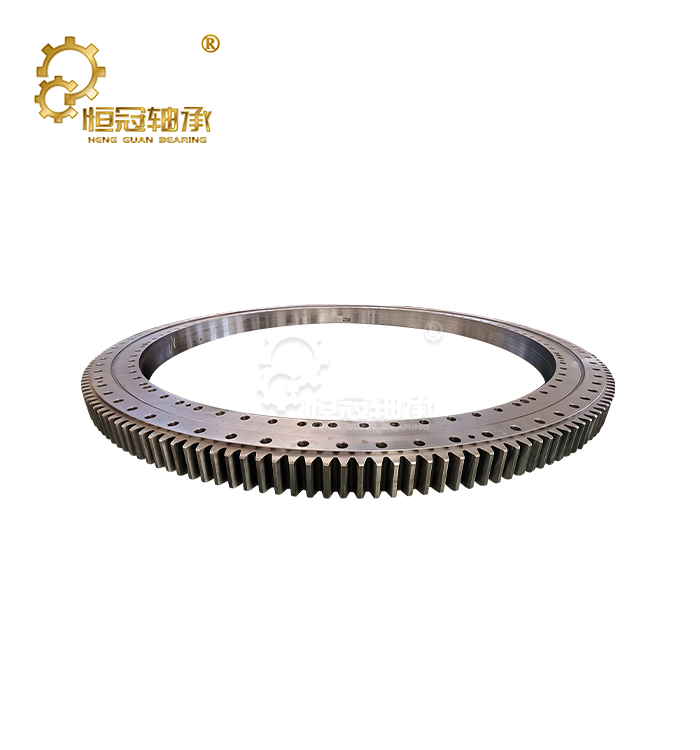
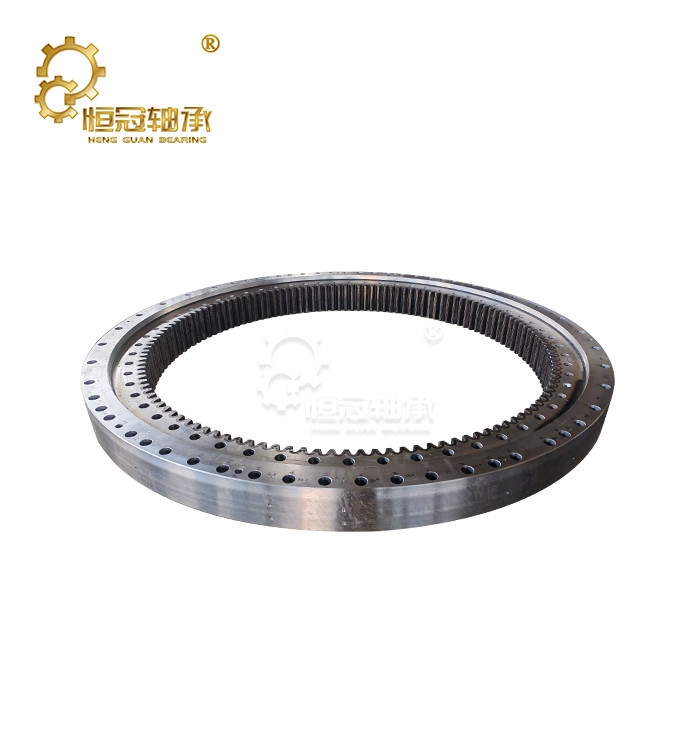
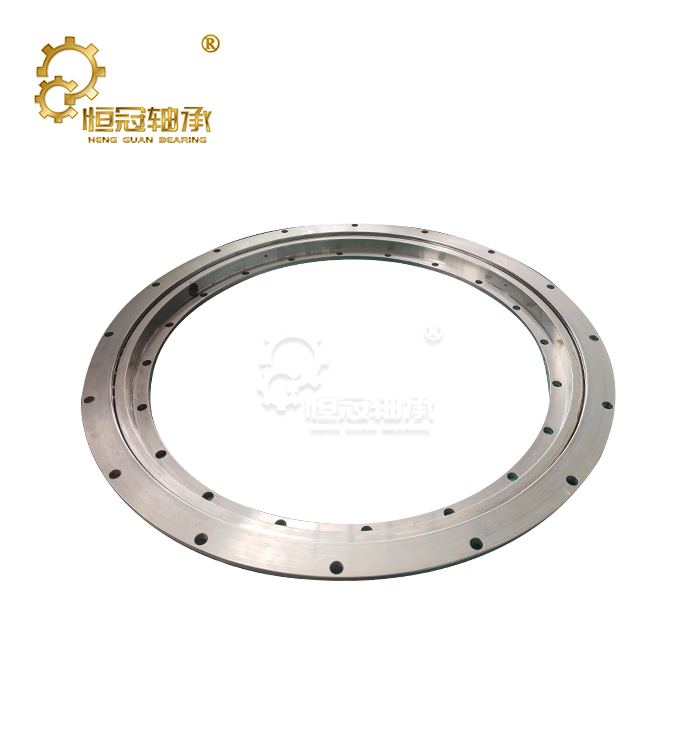
A slewing bearing for tower crane applications enables the steady rotation of the crane's upper structure when hauling enormous loads. It must resist axial loads, radial loads and overturning moments created during lifting operations.
The bearings of tower cranes are generally made of alloy steel such as 50Mn or 42CrMo. These materials offer exceptional strength, wear resistance and fatigue performance for severe construction settings. The four-point contact design is frequently utilized due to its load distribution and steady rotation under different operating situations.
Bearing Types Commonly Used in Tower Cranes
Crane sizes and working situations demand distinct bearing designs.
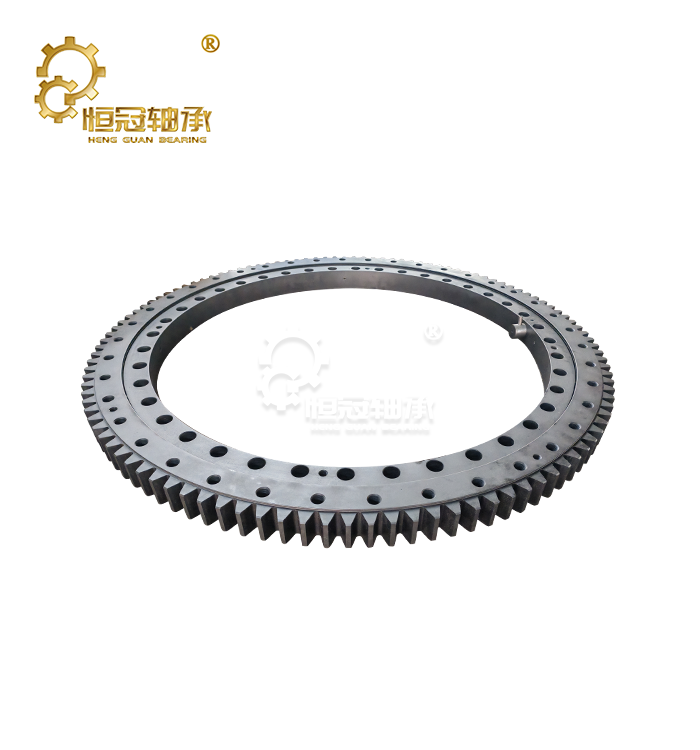
Single-Row Four-Point Contact Ball Bearings
These are used in ordinary tower cranes as they offer an excellent compromise of load capacity, size and cost.
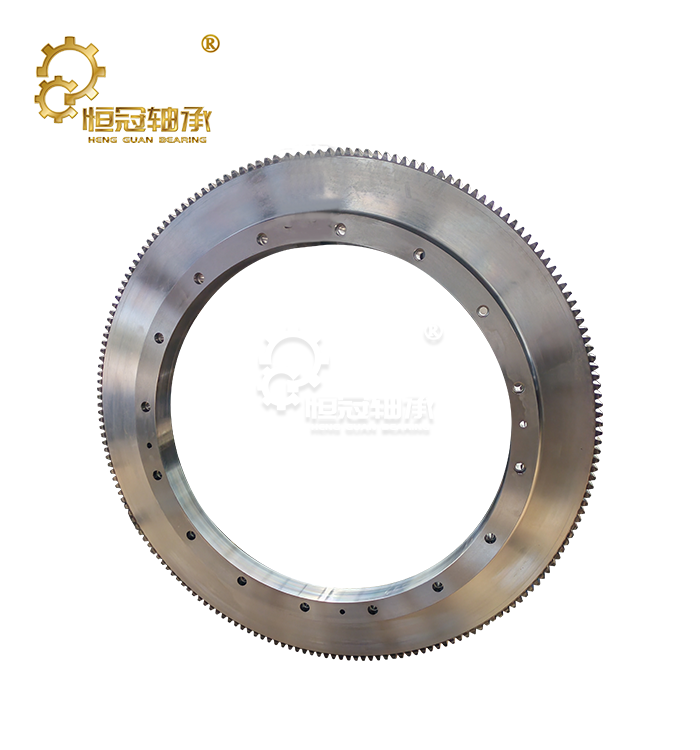
Cross Roller Bearings
Cross roller bearings can give more rigidity and rotational precision and are therefore appropriate for applications where deflection needs to be low.
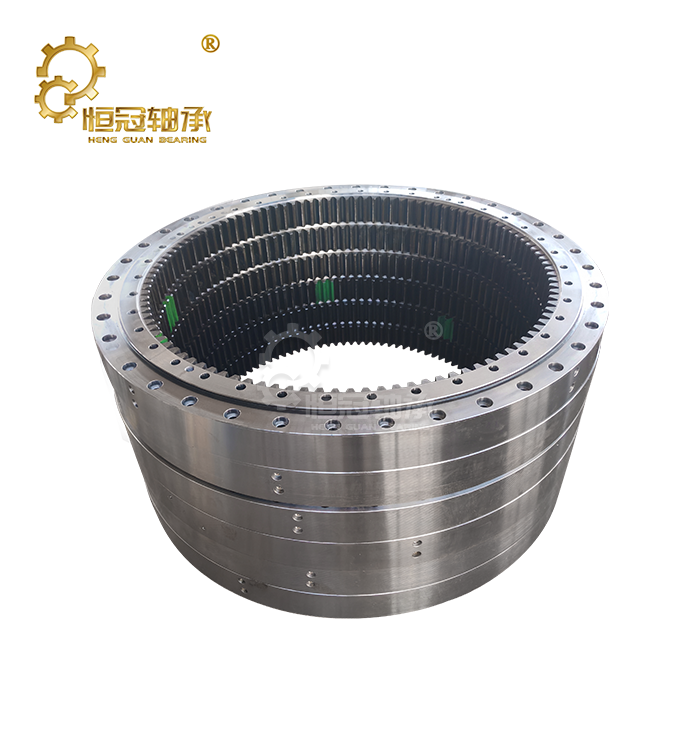
Three-Row Roller Bearings
These bearings are utilized in heavy-duty cranes with very high load requirements. They are good for load capacity but need additional installation space and cautious maintenance.
The selection should be based on crane model, load spectrum, duty cycle and site conditions.
Buyers to Check Quality Standards
The supplier must submit evidence of quality management and product testing. Important things are the following:
ISO 9001-certified
Material certifications
Dimension inspection reports
Heat-treatment data
Results of performance tests
For many tower crane applications, accuracy grades of P6 or P5 are often chosen to assure smooth rotation and long service life.
Global Sourcing Options for Tower Crane Bearings
Luoyang, China
Luoyang is one of the largest bearing production locations in the world. Many companies offer reasonable prices, big manufacturing capacity, and customized services for non-standard sizes and sealing designs.
Europe
European businesses are noted for precision engineering and rigorous quality control procedures. They are commonly chosen for luxury projects with stringent technological requirements.
North America and Local Distributors
Regional distributors can deliver faster, give local technical assistance, and provide more convenient communication for urgent replacement needs.
Your best sourcing choice will be determined by your budget, delivery schedule, technical needs and expectations regarding after-sales assistance.
How to Evaluate a Bearing Supplier
Before placing your order, look at the supplier on a number of critical aspects.
Manufacturing Capacity
Look for sophisticated CNC machining equipment, heat-treating capabilities, and dedicated inspection stations.
Technical Support Suppliers with skilled engineering teams can help with checking load calculations, mounting dimensions and bearing selection.
Delivery Performance
Inquire about the normal lead times, export experience and logistics plans for a slewing bearing for a tower crane to avoid delays in the project.
Industry Experience
Suppliers who routinely supply tower crane manufacturers or organizations that provide crane maintenance are usually more equipped to deal with application-specific requirements.
Custom Bearing Orders and Lead Times
Custom slewing bearing for tower crane designs may be required when standard products cannot meet space, load, or environmental requirements.
A typical custom project includes:
Load analysis
Dimensional review
Sealing selection
Material confirmation
Drawing approval
Standard modifications often require 8–16 weeks, while complex designs may take longer. Early involvement of the supplier during the project planning stage can reduce delivery risks.
Installation Practices That Improve Bearing Life
Correct installation is essential for achieving the expected service life.
Mounting Surface Preparation
The mounting surfaces should be flat, clean, and free from burrs, corrosion, or welding distortion.
Bolt Tightening
Use calibrated torque tools and follow the tightening sequence recommended by the manufacturer to achieve uniform clamping force.
Lubrication
Apply the specified grease during installation of a slewing bearing for a tower crane and establish a regular relubrication schedule based on operating hours and environmental conditions.
Improper installation is one of the most common causes of premature bearing failure.
Early Signs of Bearing Wear
Regular inspection can identify problems before a major breakdown occurs. Watch for:
Increased rotational resistance
Abnormal noise during slewing
Excessive axial or radial play
Damaged seals
Grease leakage or contamination
Detecting these signs early allows planned maintenance instead of costly emergency repairs.

Why Many Buyers Choose Luoyang Heng Guan Bearing Technology?
Luoyang Heng Guan Bearing Technology is located in Luoyang, China, a region with decades of bearing manufacturing experience. The company combines modern production equipment with established quality-control procedures to supply slewing bearing for tower crane products for construction and lifting applications.
Key strengths include:
Wide bearing size range
Precision grades from P0 to P4
Material traceability
Factory inspection before shipment
Technical support for selection and installation
The company also offers customization services for special crane requirements and export support for international customers.
Practical Buying Checklist
Before confirming a purchase, verify the following:
Correct bearing model and dimensions
Load ratings match crane requirements
Material specification
Precision grade
Sealing type
Lubrication recommendation
Inspection documents included
Warranty terms
Delivery schedule
This checklist helps reduce procurement risk and improves long-term operating reliability.
Conclusion
Buying a reliable slewing bearing for tower crane applications requires more than comparing prices. The best suppliers provide proven manufacturing capability, documented quality assurance, technical support, and dependable delivery performance. Luoyang manufacturers are attractive for buyers seeking competitive pricing and customization, while European and regional suppliers may offer advantages in precision engineering or local service. Careful supplier evaluation and proper installation are the most effective ways to ensure safe crane operation and long bearing life.
|
|


FAQ
1. What is the typical service life of a tower crane slewing bearing?
A high-quality slewing bearing for tower crane applications can often achieve around 100,000 operating hours under normal conditions when properly installed and maintained.
2. Which precision grade should I choose?
P6 is commonly used for standard tower crane applications, while P5 or higher may be selected for cranes requiring improved rotational accuracy.
3. Why do many international buyers source bearings from Luoyang?
Luoyang offers extensive bearing manufacturing experience, competitive production costs, large capacity, and flexible customization options for tower crane applications.
Contact Heng Guan for Tower Crane Bearing Solutions
If you need technical assistance selecting a slewing bearing for tower crane projects, contact Luoyang Heng Guan Bearing Technology. The engineering team can help review load requirements, recommend suitable bearing models, and provide installation and maintenance guidance for your crane application.
Contact mia@hgb-bearing.com right away to talk about your needs and see how the quality and service at Heng Guan are different.
References
1. International Standards Organization. "Rolling Bearings - Slewing Bearings - Part 1: Design Principles." ISO 12043-1:2007.
2. American Society of Mechanical Engineers. "Crane Safety Standards and Specifications for Construction Applications." ASME B30.3-2016.
3. European Committee for Standardization. "Tower Cranes - Safety Requirements and Testing Methods." EN 14439:2020.
4. Society of Manufacturing Engineers. "Advanced Materials and Manufacturing Processes for Heavy Industry Bearings." SME Technical Publication, 2023.
5. Construction Industry Research and Information Association. "Best Practices for Tower Crane Component Selection and Maintenance." CIRIA Report C789, 2022.
6. International Association of Bridge and Structural Iron Workers. "Rigging Manual for Construction and Industrial Operations - Equipment Components." Fourth Edition, 2023.

WHAT OUR CUSTOMERS SAY
Here is the customer's evaluation of us
_1776668700508.webp)