



How to Choose the Right External Gear Slewing Bearing?
Choosing between gear configurations isn't just a technical detail — it shapes how your equipment drives, mounts, and performs for years to come. This guide from Heng Guan Bearing walks through how to choose the right External Gear Slewing Bearing, covering the load, torque, and design factors that actually matter for your application. Whether you're specifying a bearing for a new machine or replacing one that underperformed, let's work through the decision step by step.
What Should You Check When Choosing an External Gear Slewing Bearing?
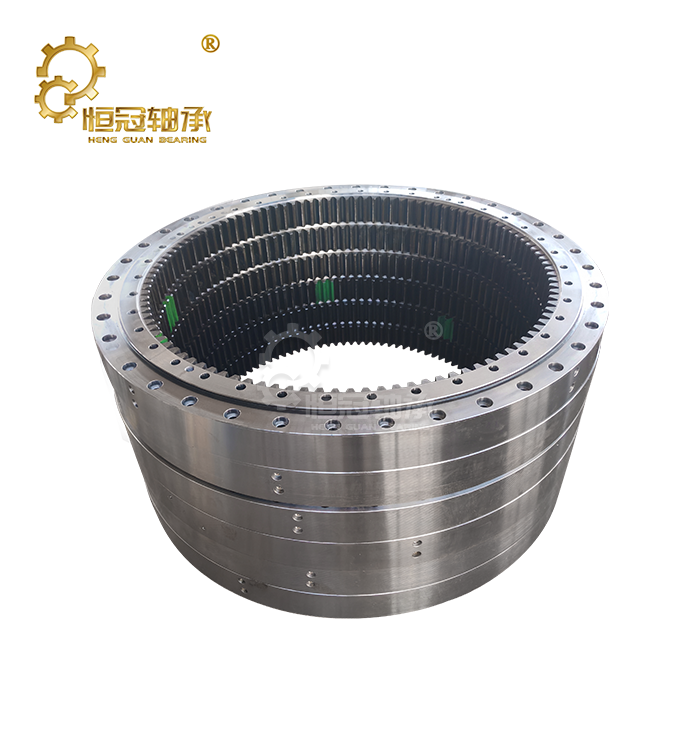
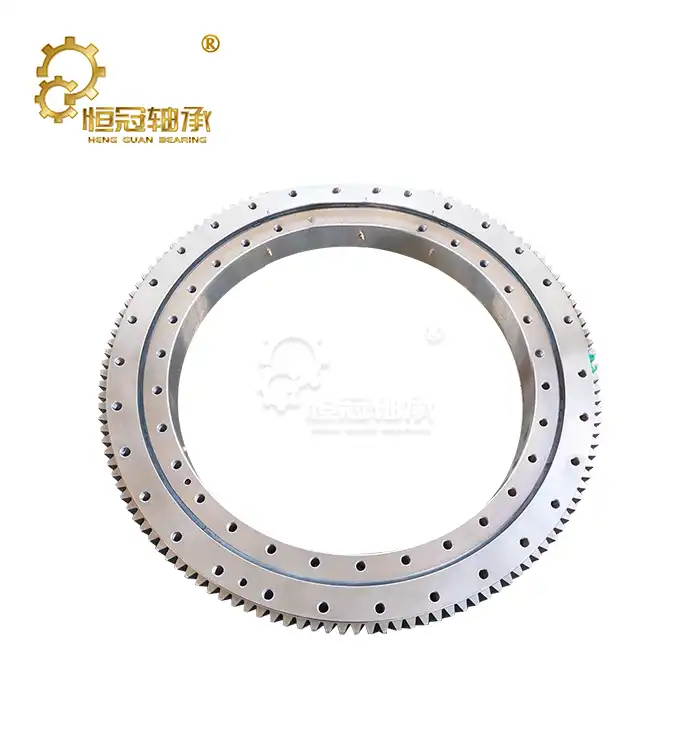
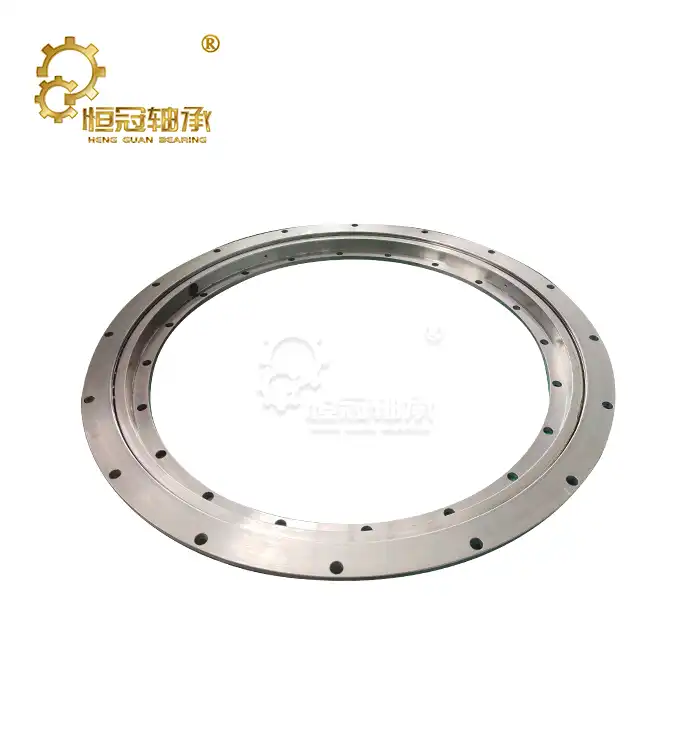
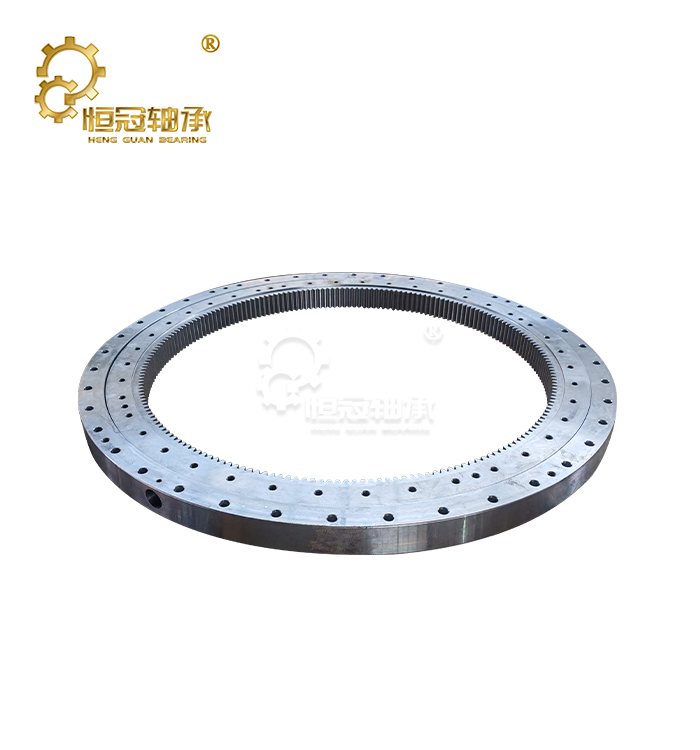
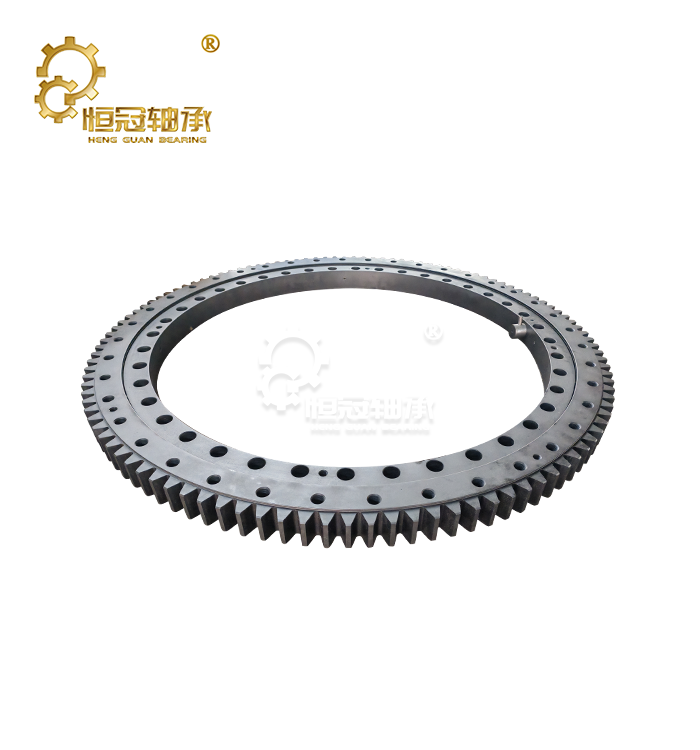
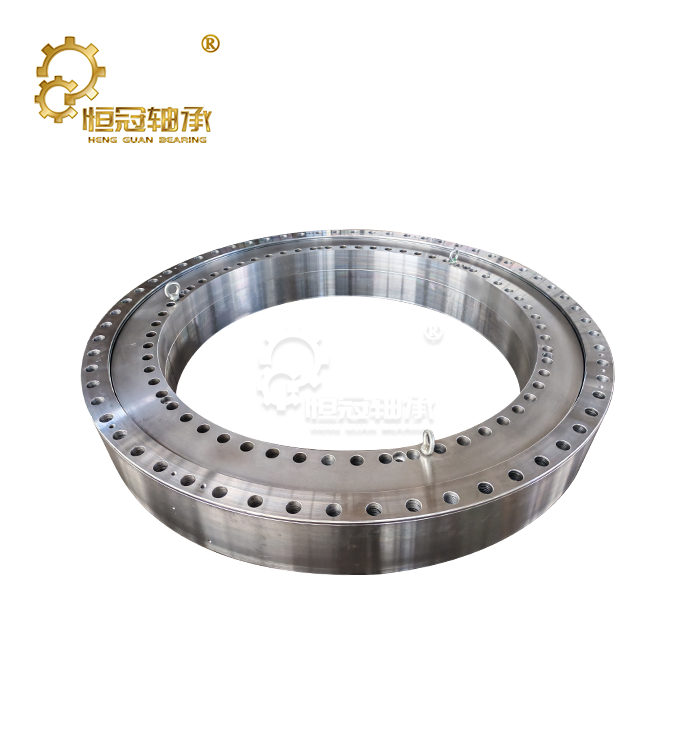
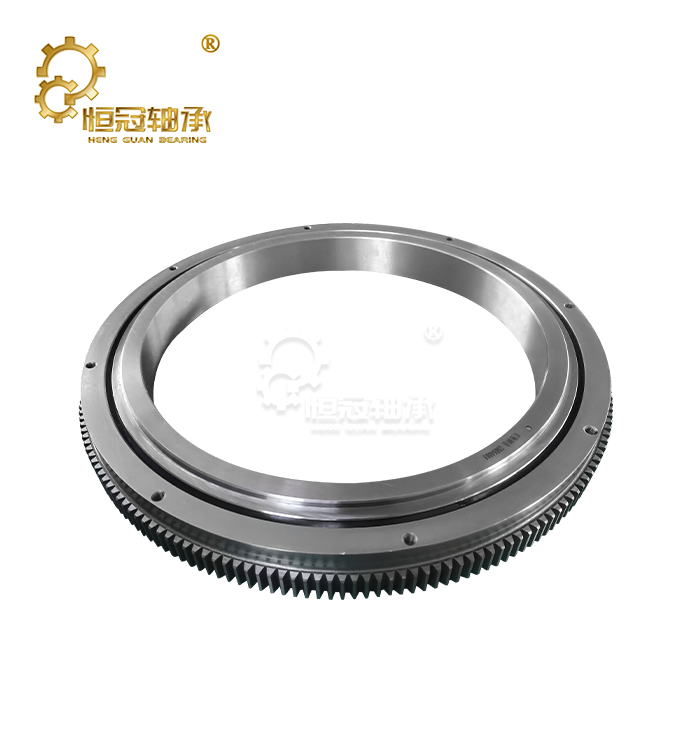
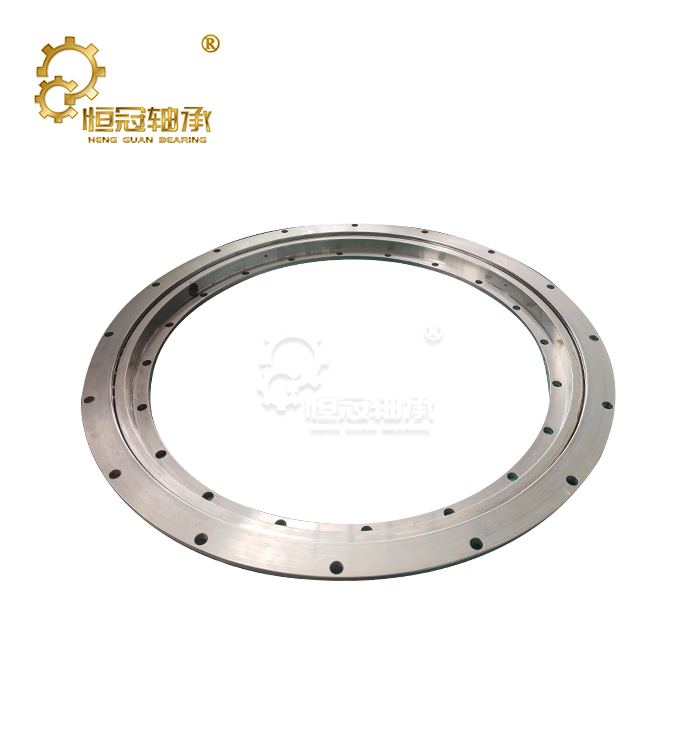
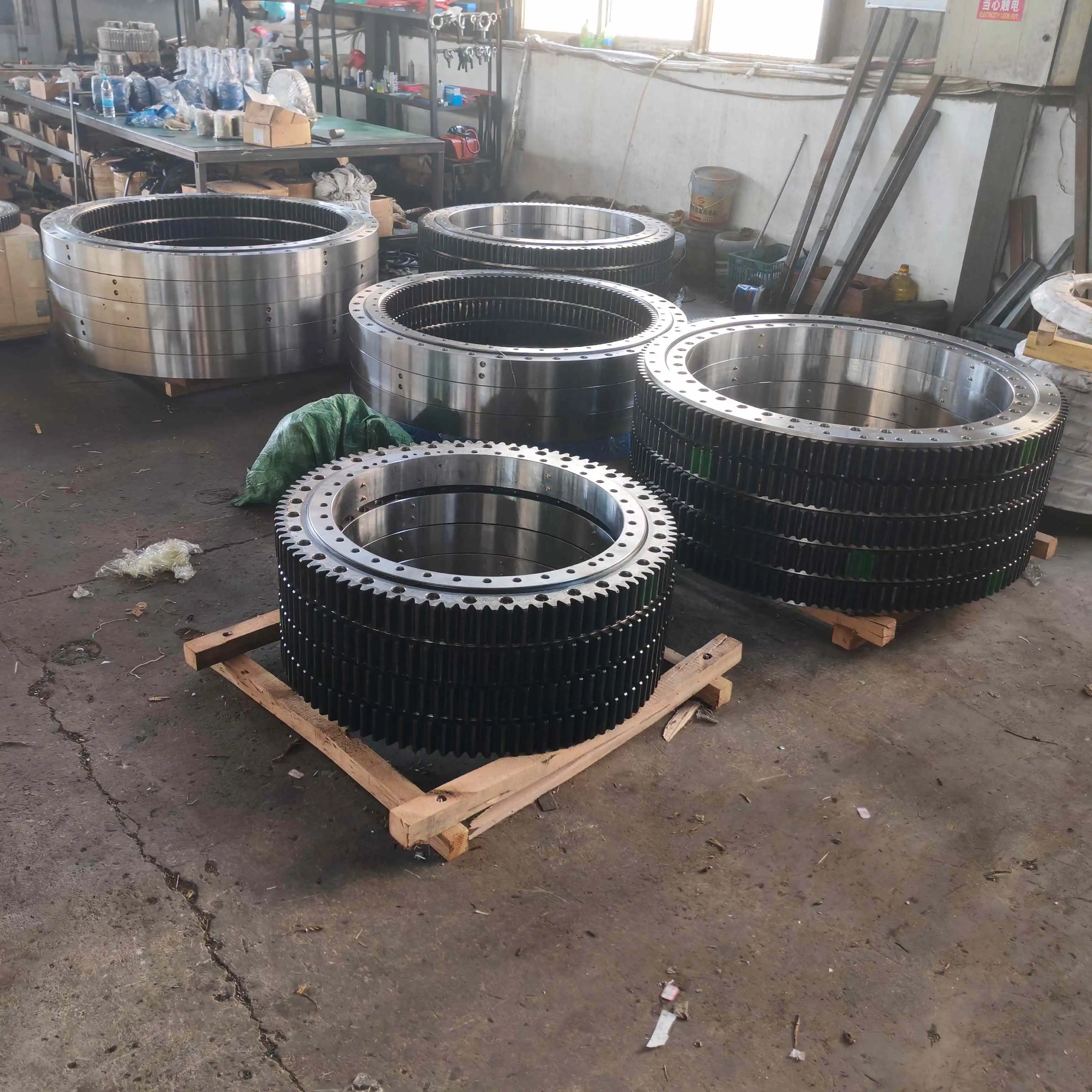
First, let's look at the most important checklist. The External Gear Slewing Bearing has the gear teeth on the outside ring, so the first thing you should verify is the compatibility of the drive — the pinion size, module, and pressure angle all need to match your motor and gearbox. Then think about the raceway arrangement: single-row four-point contact, double-row ball, or three-row roller, each fit for a distinct load profile.
You also want the manufacturer to provide dimensions inspection reports, hardness verification, and gear tooth profile measurements, since these figures tell you whether the bearing was produced to spec or merely to size. A high-performance external gear slewing bearing is supplied as standard with material certifications and rotating torque test results, not as an optional extra.
| Structure | Typical Load Profile | Where It Excels |
|---|---|---|
| Single-row four-point contact ball | Axial-dominant combined loads | Slim, cost-efficient rotation |
| Double-row ball | Moderate combined loads | Extra radial and axial capacity |
| Three-row roller | Extreme tilting moments | Highest rigidity for heavy-duty |
| Cross-roller | Precision, moment-heavy duty | Compact high-stiffness rotation |
How Do Load Capacity and Torque Affect External Gear Slewing Bearing Selection?
This naturally gets us to load and torque, where most of the choice errors are made. An External Gear Slewing Bearing must cope with axial load, radial load, and tilting moment concurrently, and having any of them incorrect reduces the service life greatly. Don’t simply look at the nameplate capacity. Look at the whole working cycle of your equipment – static weight, dynamic pressures from movement, and impact loads from uneven terrain or abrupt stops.
Since the gear module and the number of teeth have a great influence on the torque capacity, the high-performance external gear slewing bearing is usually designed with a safety margin above the maximum working torque rather than the average torque. Heng Guan Bearing estimates these values against your real duty cycle. This is why matching load data to bearing selection early in the design phase saves rework later.
| Load Type | What It Affects |
|---|---|
| Axial load | Raceway contact stress, vertical stability |
| Radial load | Lateral positioning accuracy |
| Tilting moment | Resistance to overturning under offset loads |
| Peak torque | Gear tooth sizing and motor selection |
Why Choose an External Gear Slewing Bearing for Heavy-Duty Equipment?
You might be wondering why external gear designs remain so common in heavy machinery, and the answer comes down to simplicity and torque capacity. Because the gear teeth sit on the outer ring, an External Gear Slewing Bearing allows direct coupling with a pinion drive, eliminating separate transmission components and reducing overall system weight. This also simplifies motor mounting compared to internal gear or gearless designs, which matters on cranes, excavators, and port equipment where accessible maintenance space is limited. For questions about matching gear type to your machine, our team at mia@hgb-bearing.com can review your drive layout and torque requirements directly.
Heng Guan Bearing has supplied external gear designs across construction, mining, and marine equipment, where high torque, straightforward assembly, and dependable rotation under load are non-negotiable requirements.
| Specification | Range |
|---|---|
| Bore diameter | 50 – 8,000 mm |
| Outside diameter | 200 – 10,000 mm |
| Section height | 50 – 500 mm |
| Gear module | M4 – M40 (larger on request) |
| Gear tooth hardness | HRC 55–62, CNC hardened |
| Precision grade | P0, P6, P5, P4 |
| Operating temperature | -40°C to +80°C |
How to Match External Gear Slewing Bearing Design to Your Application?
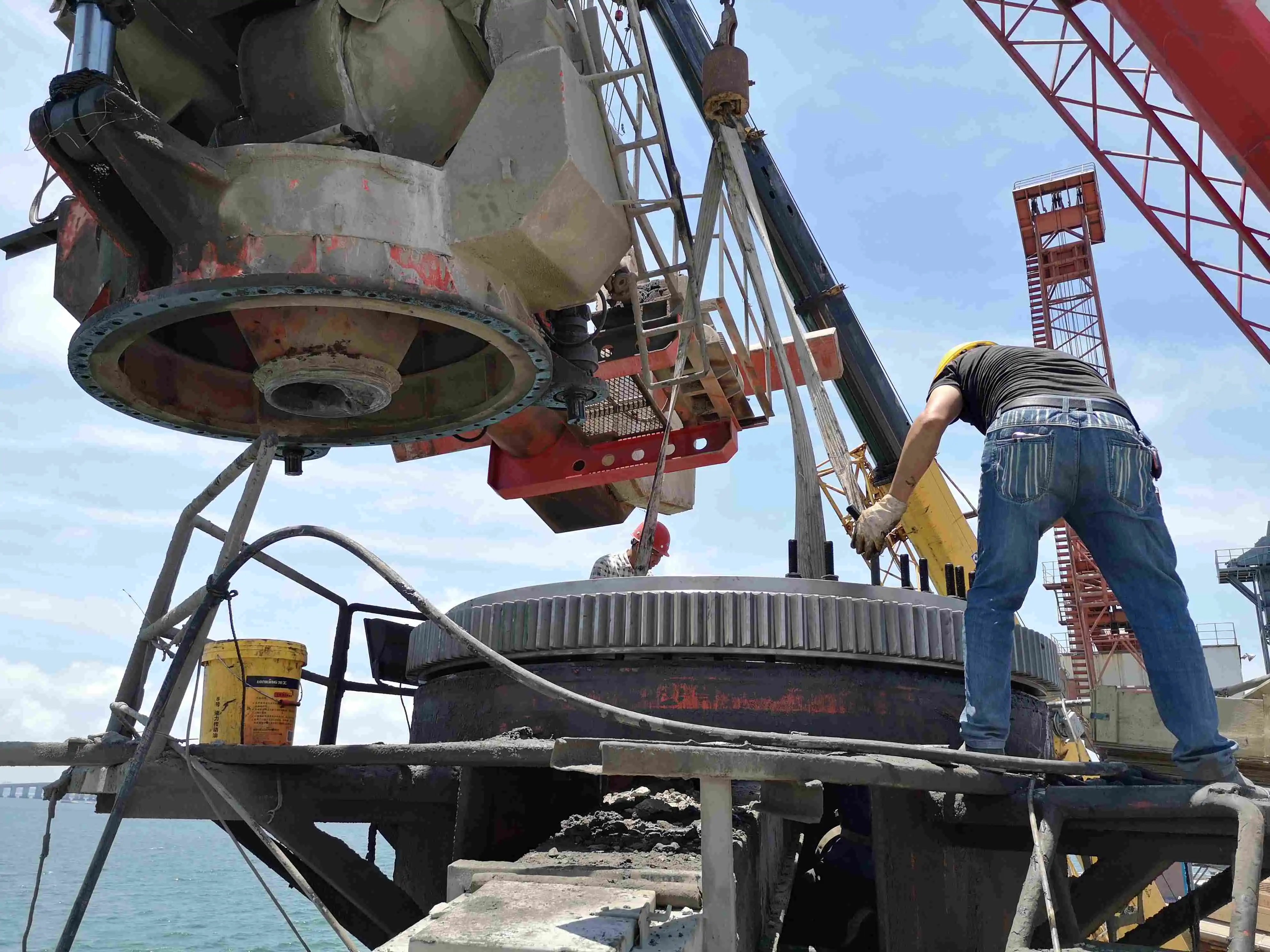
Finally, let’s discuss matching design to application, since not every configuration is right for every machine. Choose your mounting interface, standard flange, custom bolt pattern, or machined positioning shoulder. This is how the bearing will connect with your current structure. Check sealing requirements: Nitrile rubber for regular duty or Fluororubber if chemical resistance is a consideration, plus high-pressure marine-grade seals for offshore cranes subject to salt and moisture.
For example, an External Gear Slewing Bearing designed for a wind turbine yaw system has significantly different fatigue properties than one designed for a rotating construction platform. Heng Guan Bearing creates specific raceway, gear, and sealing combinations from the ground up, as opposed to modifying a generic catalog item. Tooth count, backlash, and mesh characteristics are all matched to your drive, and matching pinions may be provided as well. That’s the difference between a bearing that fits and a bearing that’s built to function.
| Application Factor | Design Consideration |
|---|---|
| Mounting interface | Flange type, bolt pattern, positioning shoulder |
| Environment | Seal material, corrosion protection |
| Duty cycle | Fatigue life, raceway hardness |
| Drive system | Gear module, tooth count, pinion alignment |
Conclusion
Selecting the right External Gear Slewing Bearing comes down to matching load data, torque, and sealing needs to your equipment. Heng Guan Bearing engineers each unit around these exact requirements, backed by 20+ years of manufacturing experience in Luoyang and quality control to P0–P4 — reach out to get started.
FAQs
1. What makes an external gear slewing bearing different from internal gear types?
The gear teeth sit on the outer ring, allowing direct pinion drive coupling and simpler motor mounting.
2. How is torque capacity determined for these bearings?
It's based on the gear module, tooth count, and the equipment's peak operating torque with a safety margin.
3. What sizes and modules are available?
Bore diameters from 50mm to 8,000mm, outside diameters up to 10,000mm, and gear modules from M4 to M40.
4. Can an external gear slewing bearing be customized?
Yes, raceway type, gear profile, tooth count, backlash, flange pattern, and seals can all be engineered to your specifications.
5. What industries commonly use external gear slewing bearings?
Construction, mining, port handling, wind power, and marine equipment all rely on this configuration.
Find the Right External Gear Slewing Bearing for Your Equipment
Not sure which configuration fits your machine? Heng Guan External Gear Slewing Bearing's engineers are ready to review your load, torque, and drive requirements. Email mia@hgb-bearing.com with your specifications, and we'll recommend a solution built for reliable, long-term performance — standard production ships in 3–4 weeks; custom designs in 6–8 weeks.
References
1. International Organization for Standardization. ISO 281: Rolling Bearings — Dynamic Load Ratings and Rating Life. Geneva: ISO, 2007.
2. International Organization for Standardization. ISO 76: Rolling Bearings — Static Load Ratings. Geneva: ISO, 2006.
3. International Organization for Standardization. ISO 1328-1: Cylindrical Gears — ISO System for Flank Tolerance Classification — Part 1: Definitions and Allowable Values of Deviations Relevant to Deviations of Flanks. Geneva: ISO, 2013.
4. Harris, T. A., & Kotzalas, M. N. Rolling Bearing Analysis: Essential Concepts of Bearing Technology, Fifth Edition. Boca Raton: CRC Press, 2007.
5. Brändlein, J., Eschmann, P., Hasbargen, L., & Weigand, K. Ball and Roller Bearings: Theory, Design, and Application, Third Edition. Chichester: Wiley, 1999.
6. International Organization for Standardization. ISO 9001: Quality Management Systems — Requirements. Geneva: ISO, 2015.

WHAT OUR CUSTOMERS SAY
Here is the customer's evaluation of us