




Slewing Ring Turntable: What Should Buyers Check Before Ordering?
Selecting the correct slewing ring turntable is something you should never rush, since the wrong decision might result in premature wear, downtime, and expensive repairs. Heng Guan Bearing provides dependable rotational support for large or slow-turning equipment to clients in the construction, wind power, port, and automation sectors. It helps you understand the load requirements, gear arrangement, mounting technique, and quality verification methods before making an order. This manual will show you what to check before you commit to a provider so your slewing ring turntable will work as intended for years of service.
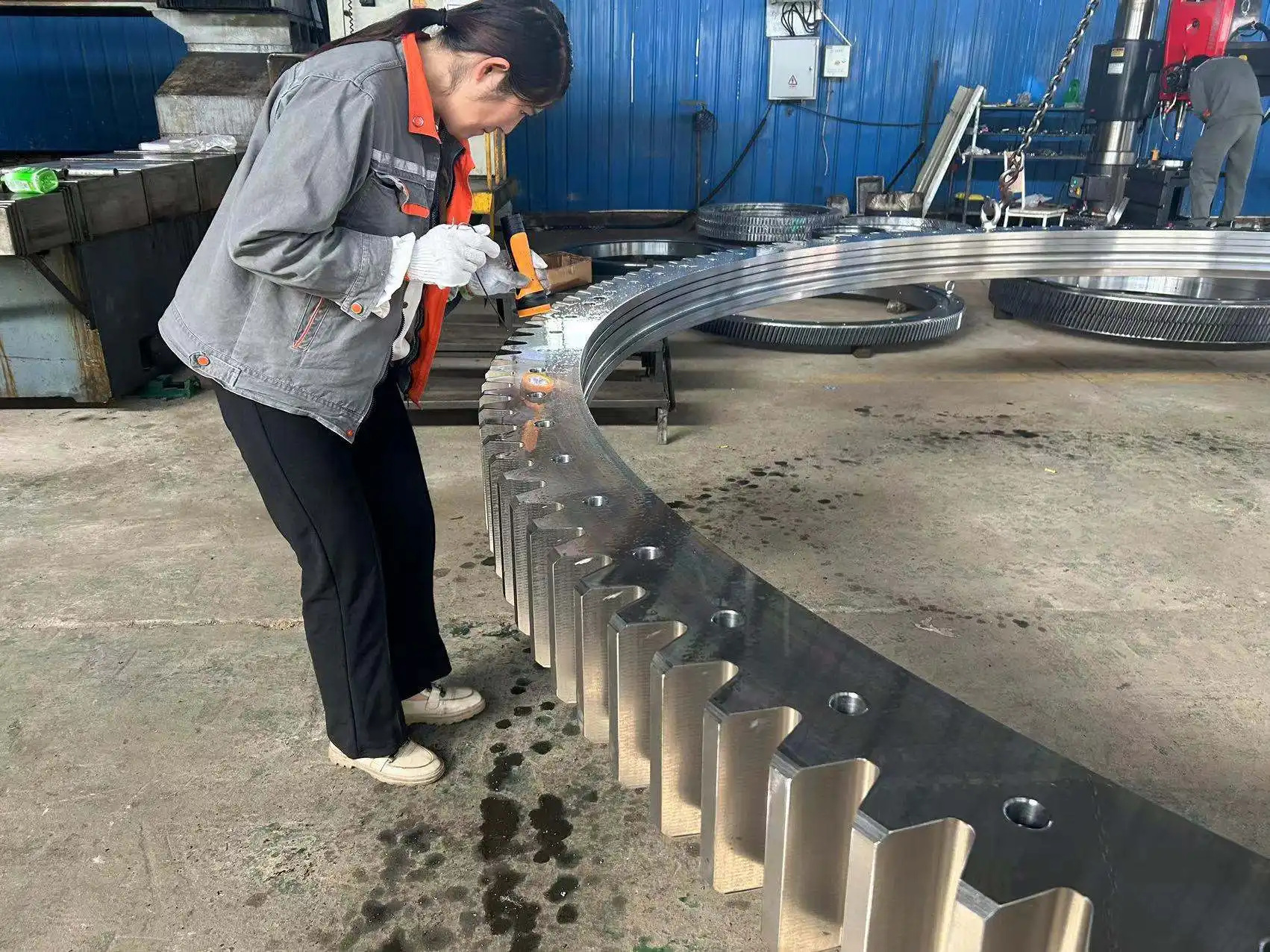
Slewing Ring Turntable Load Capacity and Size Selection
Each slewing ring turntable must be designed for the actual axial, radial, and moment stresses it will be subjected to, not merely the total weight of the equipment. Buyers commonly underestimate combined loading, particularly in cranes, excavator platforms, and spinning displays where tilting forces are added to the vertical weight.
It’s recommended to ask for a load chart from your supplier and then compare it to your application’s duty cycle, rotation speed, and estimated service life. Diameter choice is important too: a tiny turntable would wear out rapidly under duress, while an enormous machine adds weight and expense. Heng Guan Bearing offers slewing ring turntable units ranging in outer diameter from 200 mm to 10,000 mm, so engineers may choose a size that fits perfectly instead of a rough estimate.
| Load Type | Typical Application | Key Consideration |
|---|---|---|
| Axial Load | Cranes, wind turbines | Vertical weight capacity |
| Radial Load | Excavators, port equipment | Side-force resistance |
| Moment Load | Aerial platforms, robotics | Tilting/overturning resistance |
What Specifications Should Buyers Confirm Before Ordering a Slewing Ring Turntable?
Before finalizing an order, buyers should confirm outer diameter, bore size, bolt circle pattern, ring width, and precision grade, since even small mismatches can delay installation. Precision grades typically range from P0 through P6, with P5 and P4 under ISO tolerances, with tighter grades required for applications like medical equipment or aerospace positioning tables, while a standard-grade slewing ring turntable suits general industrial rotation tasks.
It is also important to ask about sealing type, lubrication intervals, and expected operating temperature range, particularly for outdoor equipment exposed to dust or moisture. Requesting a technical drawing and material certification before production begins can prevent costly misunderstandings later. If you are unsure which specification fits your project, our engineering team at mia@hgb-bearing.com can review your drawings and recommend a configuration suited to your load, environment, and installation constraints, so nothing is left to guesswork.
| Specification | LYHGB Capability |
|---|---|
| Outer Diameter Range | 200 mm – 10,000 mm |
| Precision Grades | P0, P6, P5, P4 (ISO) |
| Ring / Rolling-Element Material | 42CrMo & 50Mn alloy steel; GCr15SiMn bearing steel |
| Raceway Hardness | HRC 55–62 (induction hardened, 3–6 mm case depth) |
| Operating Temperature | -40 °C to +80 °C (extended ranges available) |
| Sealing | Double-lip nitrile or fluororubber seals |
Slewing Ring Turntable Mounting, Gear Type, and Material Requirements
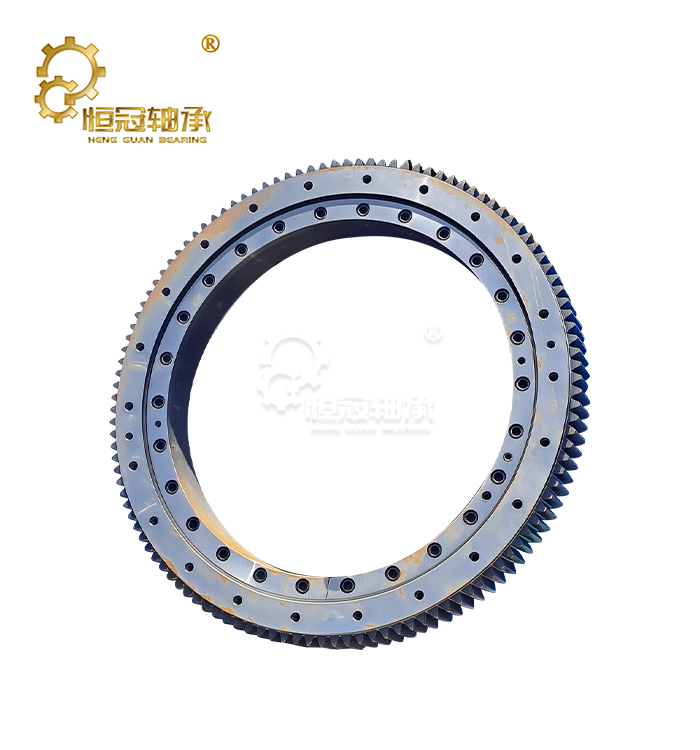
The mounting technique will affect both installation time and long-term stability; therefore, it should be given early consideration rather than being determined at the last moment. Flange-mounted, flat-base, and thin-section versions are all suitable for varied equipment layouts, and consumers should check that bolt hole spacing fits their current structure before buying. Another aspect is the kind of gear used. Internal gear, external gear, or gearless designs all work well with various drive arrangements; therefore, a wrong choice might entail a redesign of the drive system.
Material selection also has a major impact on durability. The hardness of the raceway, ring steel grade, and heat treatment all affect the resistance to repetitive stress cycles of a slewing ring turntable. Heng Guan Bearing provides single-row four-point contact ball, double-row ball, triple-row roller, and cross-roller structures, with raceways induction-hardened to HRC 55-62. This enables buyers to match structure and material with real operating conditions, rather than simply forcing a standard part into a non-standard application.
| Structure Type | Best Suited For |
|---|---|
| Single-row four-point contact ball | Compact layouts with lighter combined loads |
| Double-row ball | Enhanced load capacity in tight designs |
| Triple-row roller | Extreme radial and axial forces in mining and metallurgy |
| Cross-roller | High rigidity and precision in automation and robotics |
How Can You Verify Slewing Ring Turntable Quality and Supplier Reliability?
Never trust marketing promises to check the quality. Buyers may ask for the hardness test results, dimensional inspection records, and sample production images before placing the entire order. A good provider will also tell you about their raceway induction hardening method and quality control checkpoints during manufacture. It's fair to inquire about the supplier’s experience in manufacturing slewing ring turntable items, the industries served, and whether they can customize for non-standard bolt patterns or gear profiles.
Experience in export is also important, as vendors that understand the international shipping & paperwork process tend to be more seamless in logistics. Heng Guan Bearing, with 30 years of expertise in developing and testing equipment, guarantees constant production. We invite customers to ask for references or case studies related to their sector before placing an order, so trust is based on proof, not assumption.
| Quality Control Check | What It Verifies |
|---|---|
| CMM dimensional inspection | Raceway geometry to ISO tolerances |
| Rockwell hardness testing | Case depth and uniformity (HRC 55–62) |
| Load cycle testing | 10⁶ cycles at 120% of rated load |
| Vibration analysis | Manufacturing anomalies before shipment |
| Material traceability | Raw material certificates to mill test reports |
Conclusion
Selecting a slewing ring turntable comes down to matching load, specifications, mounting, and material to your real application. Heng Guan Bearing designs and manufactures these solutions with precision, helping customers rotate heavy loads reliably for years.
FAQ
Q1: What is the standard diameter range for a slewing ring turntable?
A: Most manufacturers, including Heng Guan Bearing, produce slewing ring turntable units from roughly 200 mm up to 10,000 mm in outer diameter.
Q2: How do I know which precision grade I need?
A: Precision grades typically range from P0 through P4 under ISO tolerances. P0 suits general industrial rotation, while tighter grades such as P5 and P4 fit high-accuracy equipment like medical scanners or positioning tables.
Q3: Can a slewing ring turntable be customized?
A: Yes. Bolt patterns, gear type (internal, external, or gearless), structure, and seals can typically be customized to fit non-standard equipment layouts, and single-unit orders are accepted.
Q4: What maintenance does a slewing ring turntable require?
A: Regular relubrication with NLGI Grade 2 lithium grease and periodic inspection of seals and bolts help extend service life. Bolts should be retightened after the first 50 operating hours and annually thereafter.
Q5: What materials and hardness are used?
A: LYHGB uses 42CrMo and 50Mn alloy steel rings with GCr15SiMn rolling elements and induction-hardens raceways to HRC 55–62 with a case depth of 3–6 mm.
Q6: How long does production typically take?
A: Standard sizes ship in about 15–20 days, while customized units typically take 30–45 days depending on size and configuration.
Ready to Order Your Slewing Ring Turntable?
If you are planning a project that needs a dependable slewing ring turntable, Heng Guan Bearing is ready to help with sizing, specifications, and custom design support. Reach out to our team at mia@hgb-bearing.com for a quote or technical consultation, and let's build a rotation solution that fits your exact needs.
References
1. American Bearing Manufacturers Association (ABMA). ANSI/ABMA STD 11 — Load Ratings and Fatigue Life for Roller Bearings.
2. Harris, T. A., & Kotzalas, M. N. Rolling Bearing Analysis (5th ed.). CRC Press.
3. International Organization for Standardization. ISO 76:2006 — Rolling Bearings — Static Load Ratings.
4. Brändlein, J., Eschmann, P., Hasbargen, L., & Weigand, K. Ball and Roller Bearings: Theory, Design, and Application (3rd ed.). Wiley.
5. International Organization for Standardization. ISO 281:2007 — Rolling Bearings — Dynamic Load Ratings and Rating Life.
6. International Organization for Standardization. ISO 492:2014 — Rolling Bearings — Radial Bearings — Geometrical Product Specifications (GPS) and Tolerance Values.

WHAT OUR CUSTOMERS SAY
Here is the customer's evaluation of us
YOU MAY LIKE
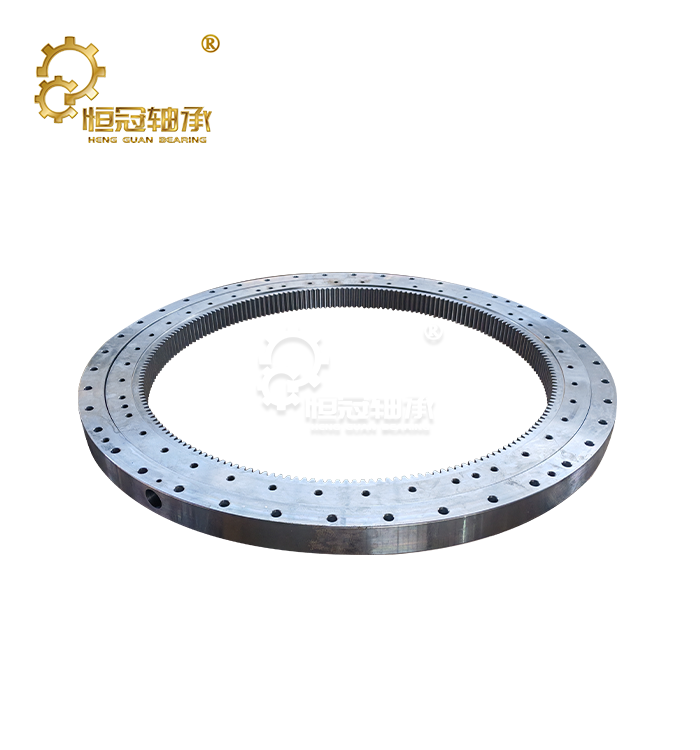 VIEW MORERKS.160.14.0414 Slewing Bearings
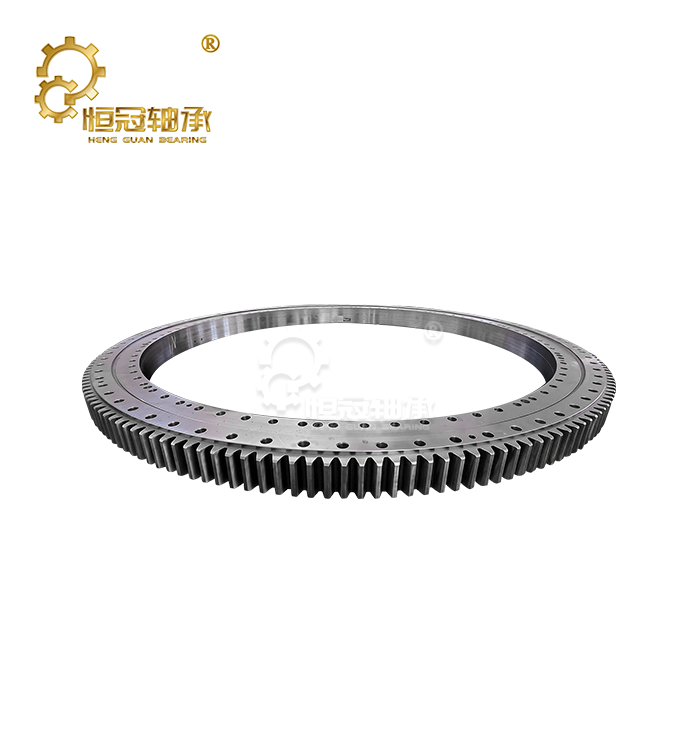 VIEW MORE161.40.2000.890.11.1503 Slewing Bearings
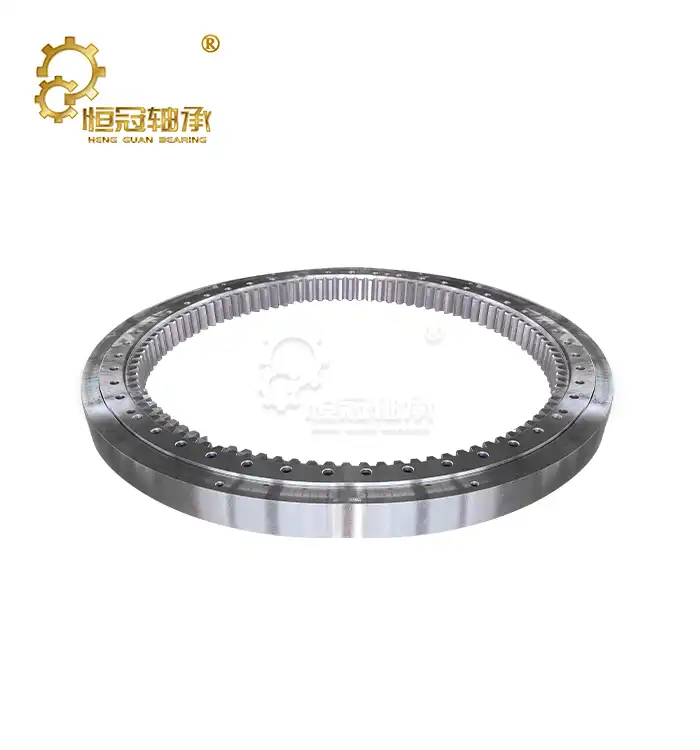 VIEW MORE133.50.3150 slewing bearing
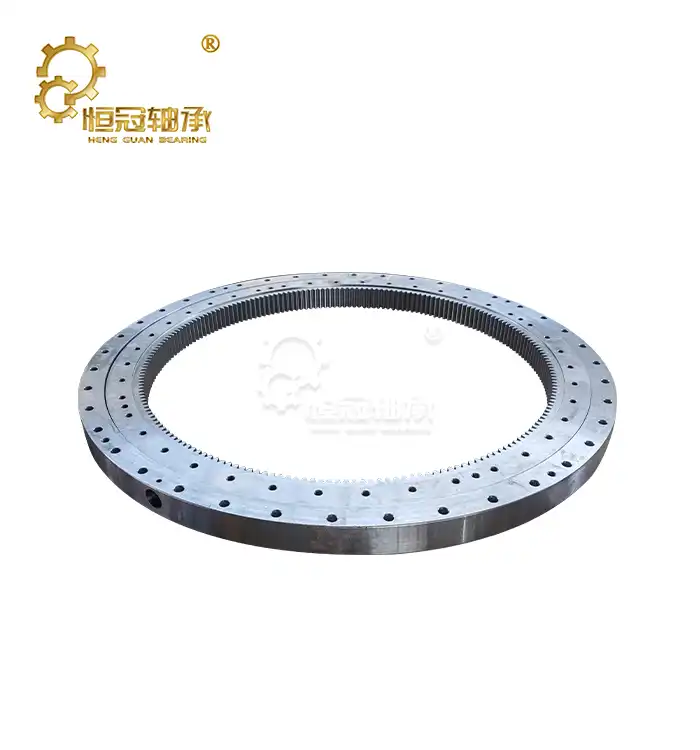 VIEW MORESingle row four point contact ball slewing bearing (Q series)
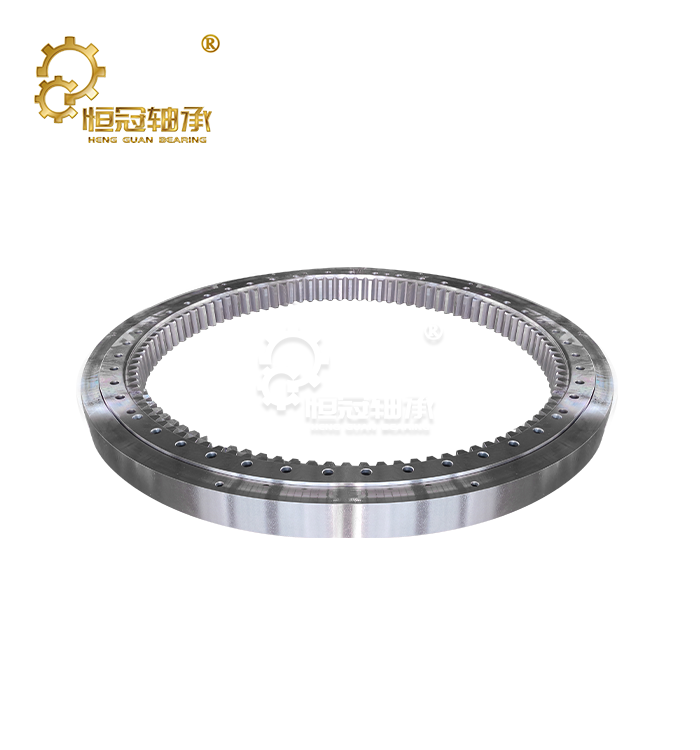 VIEW MOREDoosan Excavator slewing bearing
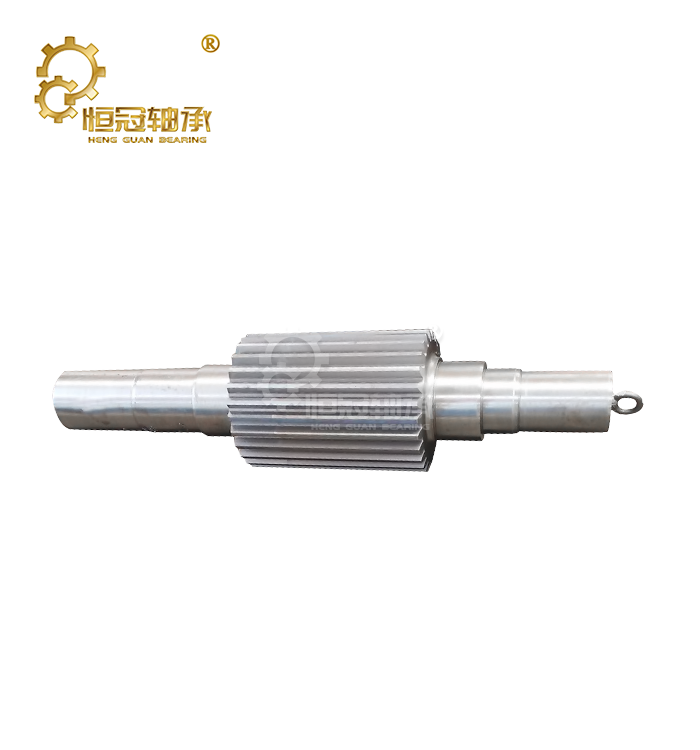 VIEW MORECrusher Gear Shaft
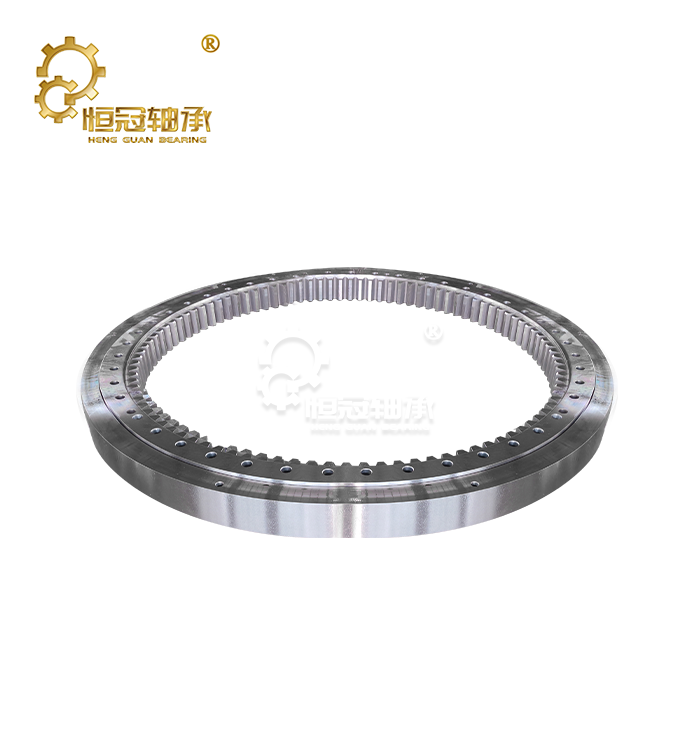 VIEW MOREThree Row Roller Slewing Bearings
 VIEW MOREAmusement Equipment Slewing Bearing