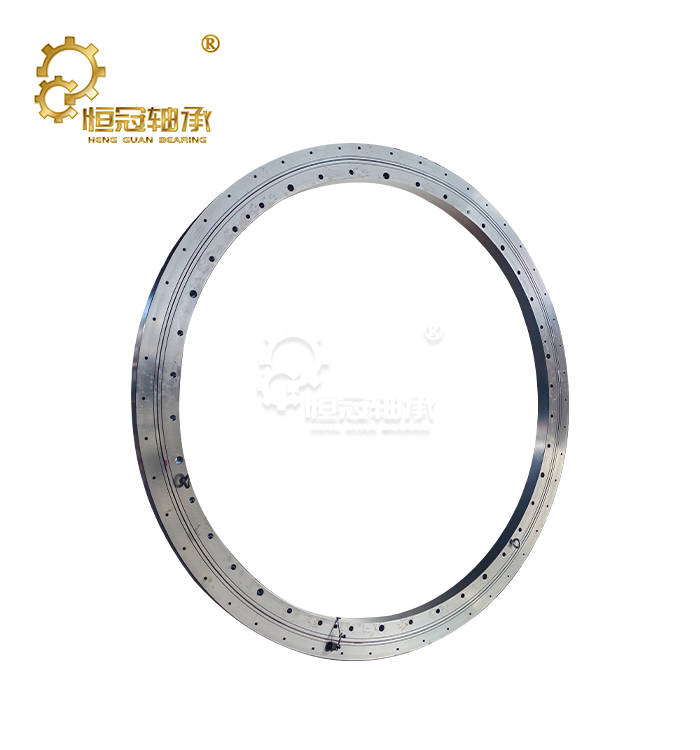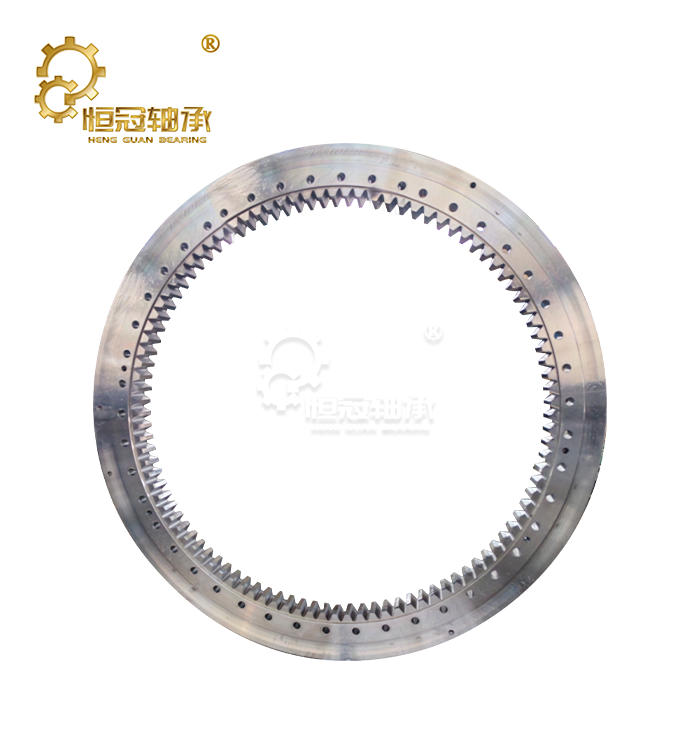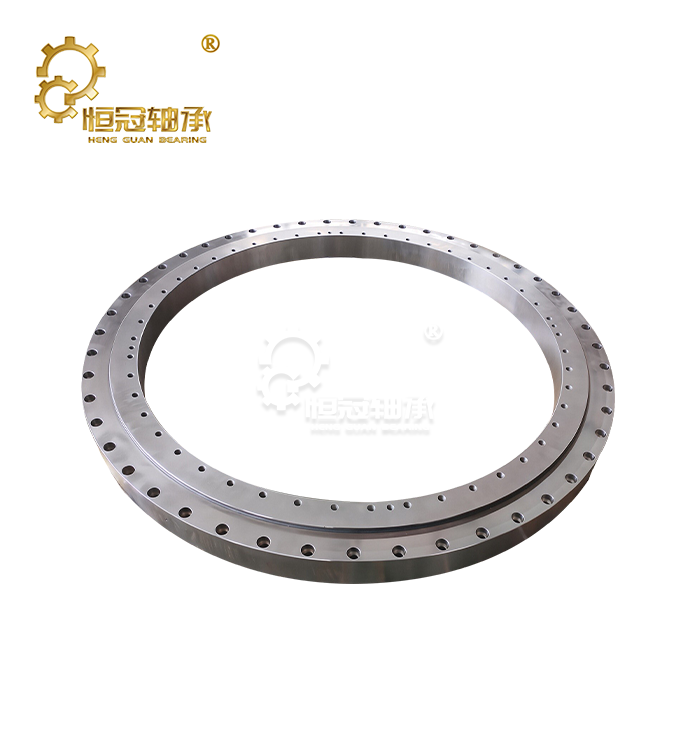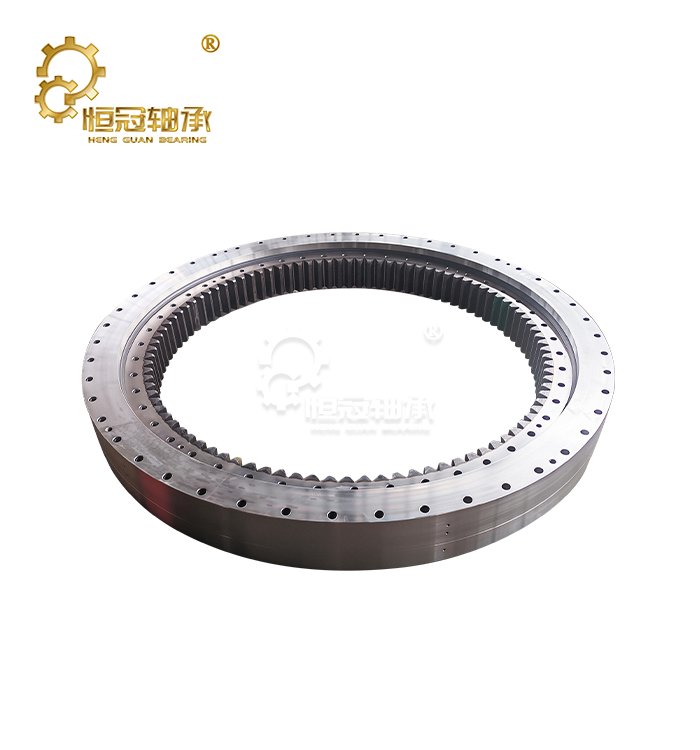




How to choose internal gear slewing bearing and external gear slewing bearing?
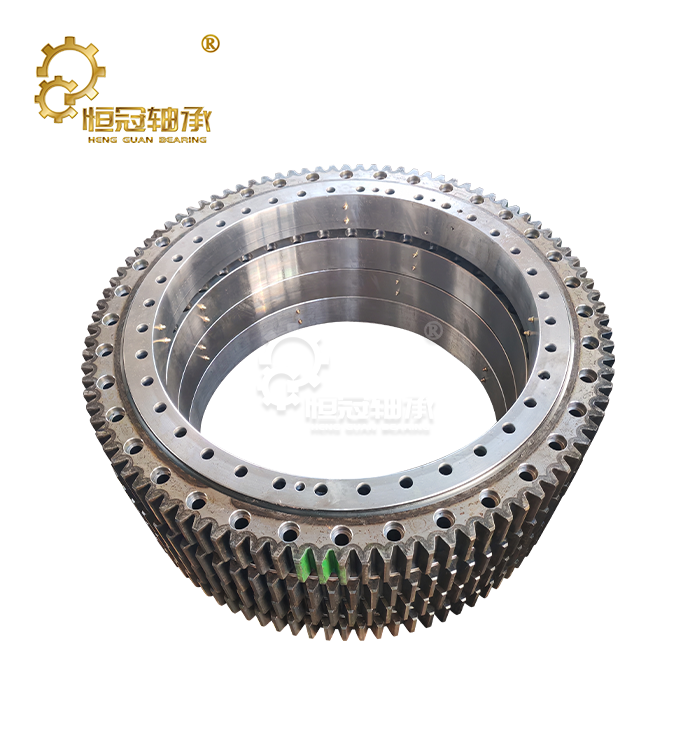
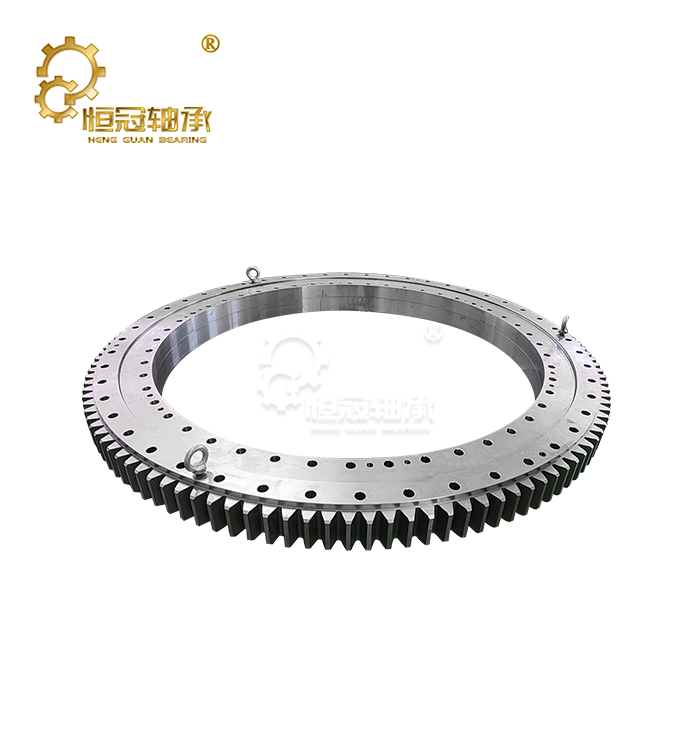
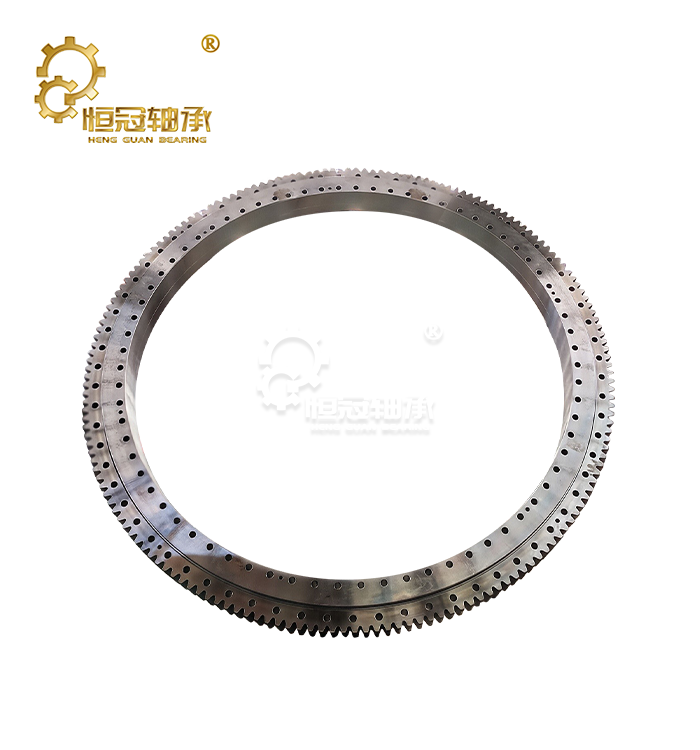
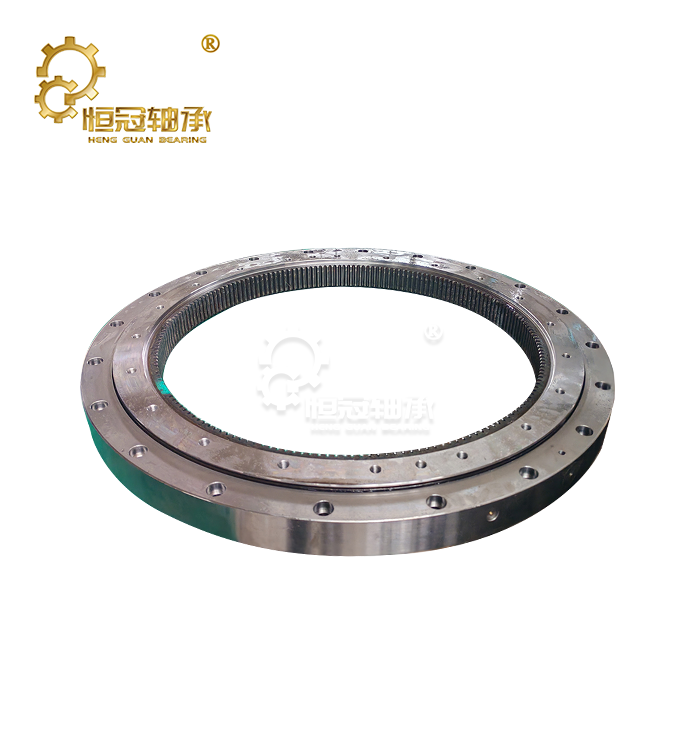
There are a number of real issues that directly affect the performance of your tools, which determine whether you should use internal or external gear slewing bearings. Internal Gear Slewing Bearing solutions have gear teeth built into the inner ring. This gives them better protection against environmental contamination and a smaller size, which makes them perfect for loaders, rotary drilling rigs, and other construction equipment that works in harsh conditions. External gear designs put the teeth on the outer ring. This makes upkeep easier and lets more torque be transmitted, which is good for harbor cranes and big wind turbines. Your choice should take into account things like space limitations, load needs, ease of upkeep, access, and environmental exposure in order to meet your business needs and budget.
Understanding Slewing Bearings: Internal Gear vs External Gear
Heavy industrial equipment relies on slewing bearings to keep it turning. These bearings handle axial loads, radial forces, and twisting moments all at the same time. These carefully designed parts allow smooth spinning in all directions while holding huge loads—sometimes more than hundreds of tons—in a wide range of situations, from crawler cranes to steelmaking converters.
Design Fundamentals of Internal Gear Configuration
The Internal Gear Slewing Bearing has gear teeth that are cut right into the inner ring, but the outer ring shape stays smooth. This design puts the drive pinion inside the protected core of the bearing. This keeps rocks, dust, water, and other debris that are common on building sites and in mines from getting into the gear mesh. Base materials like 42CrMo and 50Mn special alloy steel are used to keep the structure strong. They are paired with GCr15SiMn high-purity bearing steel rolling elements that keep working well even when they are loaded and unloaded many times.
External Gear Architecture and Characteristics
External gear types put their teeth on the outside edge of the ring, leaving the inside edge smooth for fitting. This setup makes engaging the pinion easier and makes it easier to view during regular repair checks. Larger diameter gear circles create more mechanical advantage, which means that the open gear design can usually transmit more power. Designers of equipment often choose this setup for uses that need to reach the bearing for lubrication often, or where the fitting envelope of the bearing allows for external gear protection through a designated housing. External gear solutions are often used in portal cranes, ship-to-shore container handling, and big amusement rides where repair teams need easy access to drive parts without taking apart the structures around them.
Real-World Application Context
Excavator turntables have Internal Gear Slewing Bearing units that protect the drive system from the rough dirt and rocks that are thrown at it by the bucket. This means that the drive system doesn't have to be cleaned as often. External gear setups are often used in wind turbine yaw and pitch systems because the controlled environment inside the nacelle keeps contamination to a minimum, and repair platforms make it easy to get to the gear meshes. The internal gear slewing bearing's compact design of crawler cranes lowers the overall height of the slewing system and makes the machine more stable.
Key Criteria for Choosing Between Internal Gear and External Gear Slewing Bearings
To choose the right rotary bearing option, you need to carefully look at both technical factors and business issues that affect the overall lifecycle value. When making decisions, people have to weigh technical performance against cost limits while also guessing how much upkeep will be needed over the equipment's useful life.
Load Capacity and Torque Requirements
A load study is the initial stage in bearing selection. Internal Gear Slewing Bearing units with three-row roller arrangements can bear axial forces above 2000 kN, rotating loads, and tipping moments. This is crucial for mobile cranes that raise uneven loads. Bearing load distribution depends on raceway geometry and roller addition. Heated 42CrMo alloy steel raceways can handle 35% more weight than usual.
Spatial Constraints and Equipment Design Integration
Bearing design often depends on machine envelope limits. Internal Gear Slewing Bearings need less radial area since the driving pinion fits within the center void instead of protruding. This compact shape is useful in excavator house designs with limited platform space and hydraulic parts, operator cab, and counterweight. Height restricts influence choice. Single-row four-point contact ball types fit beneath low-profile equipment housings at 80mm to 150mm. Three-row roller types with 400mm height provide the maximum load capacity when vertical space permits. External gear systems need extra radial space for the pinion and safety guards, but they can generally achieve lower overall height profiles since the gear arrangement doesn't restrict raceway size.
Maintenance Accessibility and Service Life Considerations
Maintenance strategy coordination considerably impacts total ownership costs. External gear bearings make lubrication simpler and enable you to observe gear teeth without disassembling the device. Service time and personnel expenses during specified maintenance periods are reduced. Internal Gear Slewing Bearing designs must be perfectly sealed using foreign NBR or FKM seal materials that are robust at -40°C to +120°C to prevent grease from entering. Because there is less contamination, safe gear extends lubrication intervals.
Cost-Effectiveness and Budget Alignment
Early purchase prices are simply one aspect of economic study. Internal Gear Slewing Bearing units cost 15–25% more than external gear kinds because they are harder to produce and have additional functions. Less frequent maintenance and longer component lifespan generally offset the greater original cost within three to five years. Bulk purchase reduces unit prices significantly. Orders above 50 units may save 20%. Custom bearing designs with unique mounting hole shapes or non-standard standards need more engineering and delivery time, adding 8–12 weeks to catalog products.
Comparing Internal Gear and External Gear Slewing Bearings: Pros and Cons
For each bearing configuration, there are certain benefits and drawbacks that become more or less important based on the purpose. A thorough comparison helps tech teams choose products that are in line with what's most important for operations.
Advantages of Internal Gear Solutions
Internal Gear Slewing Bearing designs have a lot of great advantages that solve common problems in the business world. The sealed gear setup greatly lowers the chances of contamination from outside debris, which also cuts down on unexpected downtime due to premature wear from rough particles. This protection is especially useful for mine excavators and building equipment, where rock chips and dust in the air are always a threat to moving parts that are uncovered. The small, integrated structure takes up 20–30% less room for installation than external gear versions with protective housings.
Limitations and Considerations for Internal Gear Bearings
Even though they have big benefits, Internal Gear Slewing Bearing setups can be hard to use. In order to check or fix gear meshes during maintenance processes, more parts have to be taken apart. This could cause longer downtime during major service intervals. The internal drive pinion has to fit into the center opening of the bearing. This limits the gear ratio choices and sometimes requires more reduction stages in the drive train. Custom mounting hole shapes or changes to seals make the manufacturing process more difficult.
Benefits of External Gear Configurations
In the right situations, external gear setups offer clear benefits. Direct pinion access makes it easier to apply grease and lets maintenance teams see how the teeth are doing during regular walk-around checks. This lets them spot problems before they become too big to fix. With external teeth, the bigger pitch width creates more torque, which reduces the size of the input drive motor and the amount of electricity used in high-torque systems like ship loaders and steel mill charging systems.
Drawbacks of External Gear Systems
External gear bearings need extra guards or housings to keep them clean and safe from external contamination. This makes the whole system heavier, more expensive, and harder to maintain. In dusty or rough settings, the uncovered gear mesh collects debris that speeds up tooth wear. This could cut service life by 30–40% compared to protected Internal Gear Slewing Bearing systems working in the same conditions. The bigger circular envelope takes up valuable equipment room and makes it harder to integrate into small machine designs. Safety rules need to cover pinch points and rotating parts that can be dangerous, but Internal Gear Slewing Bearing setups naturally get rid of these problems because they are contained.
Alternative Solutions: Cross Roller Bearings
Cross roller bearing options that have very small profiles and high rigidity without gear teeth are useful for some uses. By crossing two cylinder-shaped rollers at a 90-degree angle, these special units make sure that the load capacity is the same in all directions while keeping the cross-sections very thin. Cross roller designs are often used in medical imaging equipment, precision robots, and aircraft positioning systems, where room constraints and accuracy in positioning are more important than the need to transmit torque. Cross roller bearings are usually only available in sizes smaller than 2000 mm and need to be driven from the outside. They work with standard gear-equipped slewing bearings to make a full range of products.
How to Select the Right Slewing Bearing Supplier for Your Business
Choosing the right supplier has a direct effect on the quality of the product, the reliability of delivery, the quality of technical help, and the value of the long-term relationship. Procurement workers should look at possible manufacturing partners based on a number of factors that, when put together, indicate a good working relationship.
Manufacturing Expertise and Industry Experience
Track records of suppliers show what they can do and how reliable they are. Companies that have been making rotor bearings for 15 to 20 years usually have improved their manufacturing methods, learned how to use their products in a wide range of industries, and set up quality control systems that always meet specifications. Engineering teams with 30 or more specialized bearing designers show that they can handle custom optimization projects and offer expert advice during the development of new equipment.
Production Capabilities and Customization Options
How flexible a supplier's manufacturing is affects their ability to meet specific needs that go beyond what's in their list. Facilities that can make bearings with inner sizes ranging from 300 mm to 5000 mm and different structure designs, such as single-row four-point contact ball, double-row ball, three-row roller, and cross-roller types, show a wide range of skills. When standard goods don't exactly meet the needs of an application, customization services like non-standard mounting hole designs, special seal materials for high temperatures, and unique lubrication systems are very useful.
Delivery Performance and Logistics Coordination
Supply chain dependability influences project deadlines and inventory costs. Standard bearing configurations take 6–8 weeks if suppliers carry adequate raw materials and parts. Custom designs with technical clearance take 10–14 weeks. Global distribution networks and transportation alliances help firms handle shipping containers, customs procedures, and ultimate transfer to client facilities better than single-location enterprises.
Technical Support and After-Sales Service
Strategic partners give comprehensive service, unlike transactional suppliers. Pre-sales engineering assistance helps clients identify the optimum bearings for their requirements and may reveal cheaper or superior choices. Installation instructions, including power limitations, surface preparation, and alignment stages, prevent costly field errors and void warranties. Troubleshooting practical issues reduces downtime. Time-sensitive circumstances benefit from vendors with 24-hour technical hotlines and field service expertise.
Competitive Positioning and Brand Comparison
European giants like SKF and Rothe Erde charge higher costs for Internal Gear Slewing Bearings due to their lengthy history, whereas Chinese manufacturers provide cheaper solutions with better quality. Chinese providers supply over 50 nations with dependable performance that fulfills international requirements at 30–40% cheaper costs than European counterparts. Procurement choices should weigh brand legacy against performance objectives and total cost of ownership.
Installation, Maintenance, and Operational Tips for Slewing Bearings
If you follow the right steps for installation and upkeep, your slewing bearings will last as long as they're supposed to or break down early, causing costly, unexpected downtime.
Installation Best Practices for Internal and External Gear Bearings
Preparing the area well is the first step to a proper fitting. To keep stress concentrations from building up and deforming the raceway, mounting surfaces must be flat within 0.10 mm per meter and have a surface finish better than 6.3μm Ra. Cleaning the mounting sides of paint, rust, and other debris makes sure that the load is transferred evenly. Impurities as small as 0.05 mm can cause stress points to form, which can cause the part to fail early. Both Internal Gear Slewing Bearing kits and external gear versions need to have their bolts tightened precisely, following specific torque steps that load the fasteners in a star pattern and make sure that the preload is spread out evenly.
Lubrication Strategies and Contamination Prevention
Proper lubrication is the most important part of upkeep; according to a study, over 96% of early bearing failures are caused by lubricant that is too little or too dirty lubricant. Extreme pressure additives mixed with high-pressure lithium-based grease work well in most industrial settings. It should be sprayed using special grease fittings at regular times based on the conditions of use. Light-duty equipment that only works sometimes might need to be oiled every 100 hours of use, while heavy-duty equipment that works all the time needs to be oiled every 25 to 50 hours.
Routine Inspection and Preventive Maintenance Protocols
Regular inspections find problems as they start to happen, before they become too big to fix. Visual checks should be done once a month to record any damage to the seals, oil leaks, or strange wear patterns on the external gear teeth. Measurements of gear backlash taken every three months show how the track is wearing down; jumps of more than 0.2 mm from the starting point show faster wear that needs to be looked into. A full checkup once a year includes checking the torque on the mounting bolts, replacing the seals, and carefully looking at the gear teeth with a dye penetrant to find cracks. Vibration tracking with accelerometers placed near bearings shows emerging problems through unique frequency patterns.
Troubleshooting Common Operational Issues
Noises that don't make sense when the machine is turning on are usually a sign of poor lubricant or pollution that is putting rough particles into the raceways. Stopping the machine right away and cleaning it well will stop harm from getting worse, which could mean replacing the whole bearing. Too much play or wobble could mean that the mounting bolts are loose or that the raceways are wearing down. Comparing the radial and axial clearances to the original specs lets you figure out how bad the damage is and help you decide whether to fix or replace the part.
Conclusion
When deciding between internal and external gear slewing bearings, you have to weigh the technical specs against the practicalities of the job and the cost. Internal Gear Slewing Bearing designs offer better security against contamination, a small footprint, and better safety features that work well in harsh settings like building, mining, and heavy manufacturing. External gear options make upkeep easier, offer higher torque capacities, and are easy to install, making them good for controlled settings where service is available regularly. Instead of going with the first option that comes to mind, you should base your choice on application-specific factors like load needs, room limitations, maintenance skills, and environmental exposure. When you work with seasoned makers that offer full engineering support, customization options, and a track record of global shipping, you can be sure that your bearing solution will last as long as it was designed to and meet other equipment reliability goals.
|
|
FAQ
What factors most significantly influence slewing bearing load capacity?
Load capacity is mostly determined by the shape of the raceway, the number and size of moving elements, the strength of the material, and how the structure is set up. Three-row roller designs can handle more axial and lateral loads at the same time than single-row ball designs. When heat treatment methods raise the hardness of the raceway surface to 58–62 HRC, load values go up a lot. The choice of base material (42CrMo vs. 50Mn special alloy steel) affects how strong the structure is when it is loaded momentarily.
How often should repair checks be done on industrial slewing bearings?
The regularity of inspections depends on how hard the machine is working and the weather outside. Continuously running equipment in rough settings needs visual checks every month and thorough checks every three months. Machines that are only used sometimes in controlled settings may need visual checks every three months and full reviews once a year. With condition tracking devices, you can plan maintenance based on how much a part is worn instead of a set schedule.
Can companies make bearings that are specific to certain types of machinery?
Customization requests, such as non-standard sizes, unique mounting hole patterns, changed seal designs, and custom lubrication systems, can be met by reputable makers. Custom engineering usually adds 4 to 6 weeks to wait times for standard goods and needs a minimum order quantity, usually 5 to 10 units, to make the tooling costs worth it. For the best unique design, you need detailed application data like load spectra, speed patterns, and environmental variables.
Partner with Heng Guan for Your Slewing Bearing Requirements
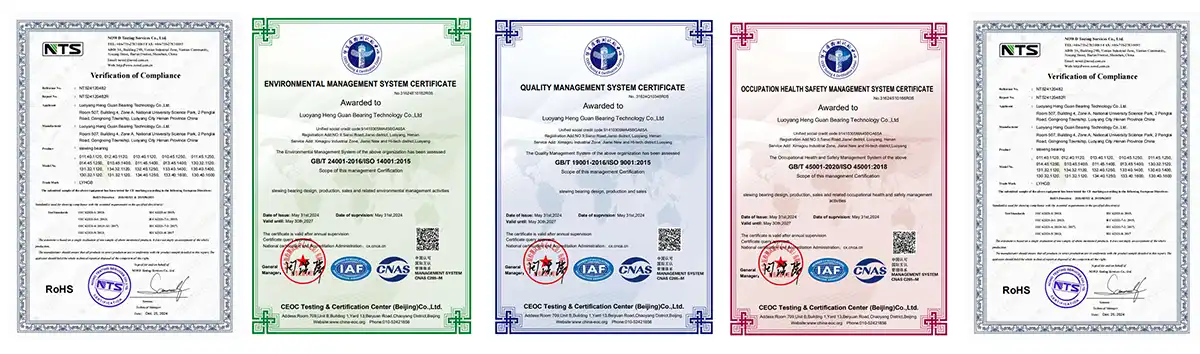
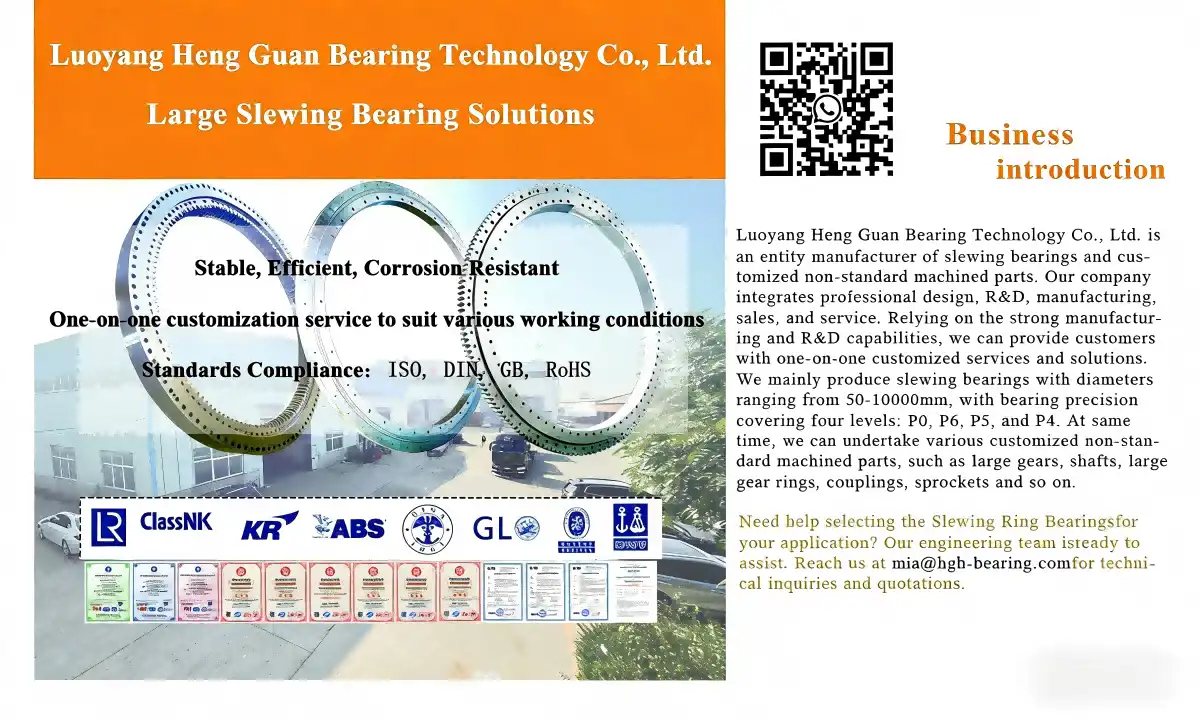
Luoyang Heng Guan Bearing Technology delivers precision-engineered spinning options that are backed by more than 20 years of excellent manufacturing. Our wide range of products includes Internal Gear Slewing Bearing sets with sizes from 300mm to 5000mm. These come in single-row four-point contact ball, three-row roller, and cross-roller designs that meet P4, P5, and P6 precision grades. We make bearings with 42CrMo and 50Mn special alloy steel bases and GCr15SiMn high-purity rolling elements. This gives us load capacities and service lives that meet the needs of difficult industries like aerospace, mining, building, and wind power. Our 30-person engineering team offers individual optimization design and adaptable customization for needs that aren't standard. We offer reasonable pricing, full expert support, and reliable logistics coordination as a trustworthy Internal Gear Slewing Bearing provider to clients in more than 50 countries. Email our team at mia@hgb-bearing.com to talk about your unique needs and get detailed quotes for the jobs you have coming up.
References
1. Harris, T.A. and Kotzalas, M.N. (2006). Advanced Concepts of Bearing Technology: Rolling Bearing Analysis, Fifth Edition. CRC Press.
2. Budynas, R.G. and Nisbett, J.K. (2015). Shigley's Mechanical Engineering Design, Tenth Edition. McGraw-Hill Education.
3. ISO 12121:2012. Earth-moving machinery — Slewing bearings for hydraulic excavators and other construction machines, International Organization for Standardization.
4. Glodež, S., Potočnik, R., and Flašker, J. (2012). "Computational Model for Calculation of Static Capacity and Lifetime of Large Slewing Bearings," Mechanism and Machine Theory, Vol. 47, pp. 16-30.
5. Schwack, F., Flory, P., and Poll, G. (2016). "Free Contact Angles in Pitch Bearings and Their Impact on Contact and Stress Conditions," Wind Energy Science Conference Proceedings.
6. Daidié, A., Chaib, Z., and Ghosn, A. (2008). "3D Simplified Finite Elements Analysis of Load and Contact Angle in a Slewing Ball Bearing," Journal of Mechanical Design, Vol. 130, Issue 8.

WHAT OUR CUSTOMERS SAY
Here is the customer's evaluation of us