



How Does A Slewing Ring Work?
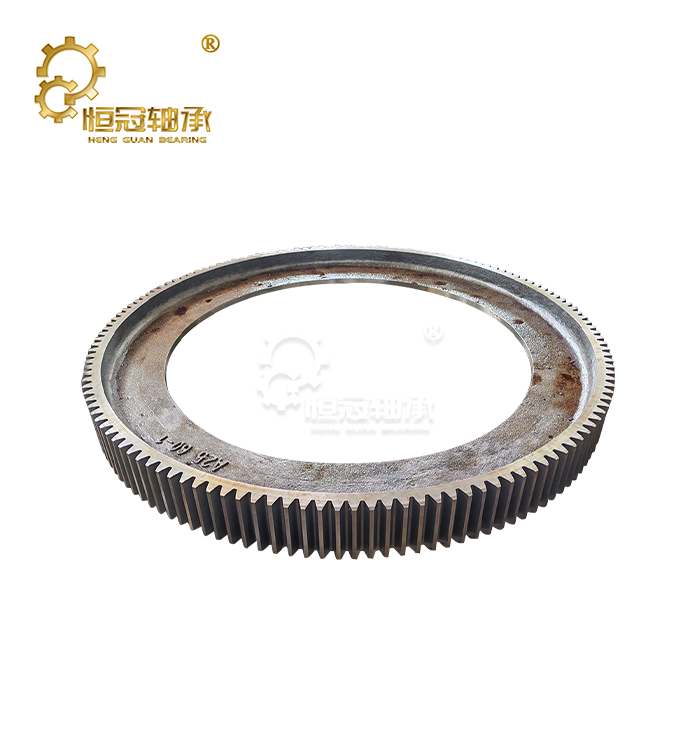
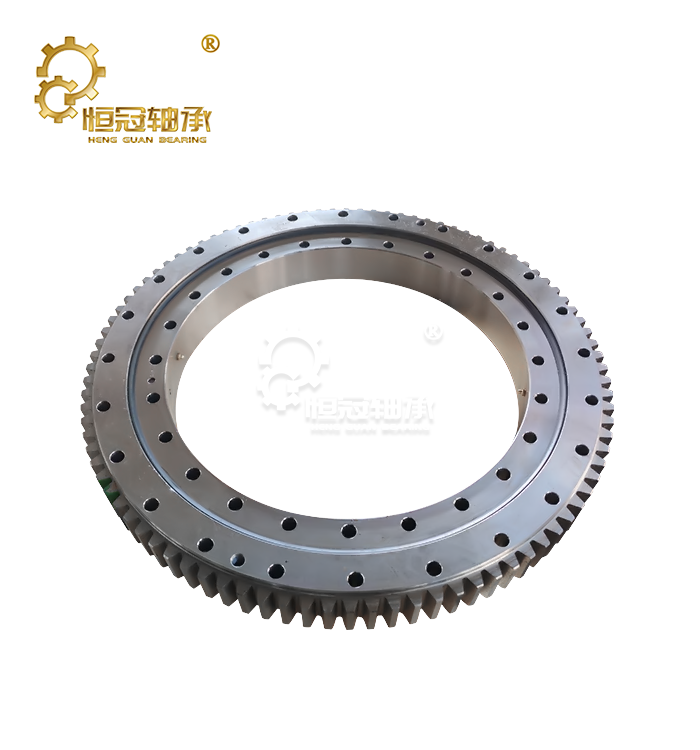
When a large gantry crane moves heavy containers in a port terminal or handles steel components in an industrial yard, the smooth rotation of the crane structure depends on a critical component hidden inside the machine — the slewing ring. A Gantry Crane Slewing Ring is a large-diameter bearing designed to support heavy axial loads, radial forces, and tilting moments while allowing the crane upper structure to rotate accurately around its axis.
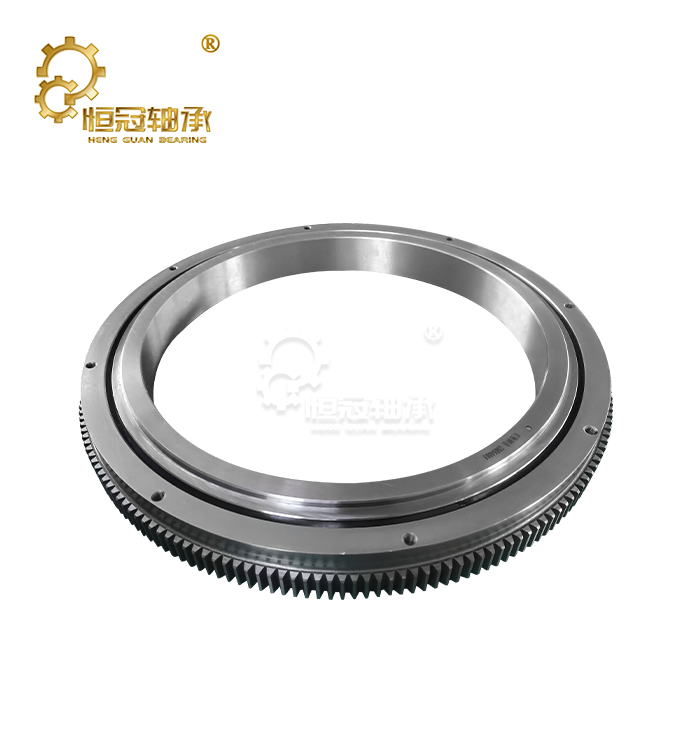
Slewing rings are not your typical bearings on small mechanical equipment. They are a compact assembly with multiple functions: They help support rotation, connect rotating components to stationary components, transmit operational stresses, and usually have gear teeth to connect to a slew drive. Such design enables gantry cranes to have a controlled 360-degree rotation with stability during the lifting operations.
The working principle of a slewing ring is based on the interaction of inner rings, outer rings, rolling elements, raceways, seals, and mounting structures. The rolling elements could be steel balls or cylindrical rollers, depending on the crane's function. They reduce friction and spread loads over several contact areas, therefore aiding the safe operating of the crane in severe working circumstances.
It is important to choose the right gantry crane slewing ring for heavy-duty applications such as ports, shipyards, mining operations, and huge building projects. The service life and dependability of the crane system depend on the bearing structure, quality of material, manufacturing accuracy, and maintenance methods.
Understanding Gantry Crane Slewing Rings: Function and Working Principle
A gantry crane slewing ring operates by a well-engineered mix of load support and rotation. The bearing comprises two primary rings held together by rolling parts, which are running in carefully machined raceways. When the crane receives a slew order, the slew drive transmits torque to the gear teeth or associated gearbox system, causing one ring to rotate relative to the other.
The interior construction allows the bearing to accommodate several forces at once. Axial loads are generated by the weight of the cargo in lifting activities. Radial loads are created by movement and external forces, whereas non-uniform or suspended loads are generating tilting moments. These forces are transferred through raceways and rolling parts of a correctly built slewing ring to ensure steady operation.
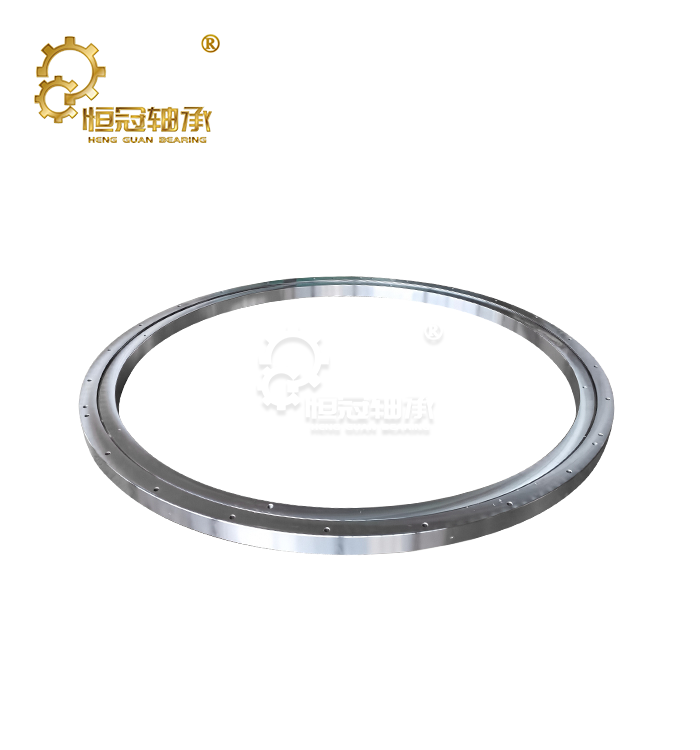
Compared to traditional bearings, slewing rings have a much greater diameter and a smaller cross-sectional height. This configuration makes them well suited for applications where great load capacity is desired with minimal weight or complexity to the overall design.
Core Components and Their Interaction
A gantry crane slewing ring has numerous important parts that work together to provide dependable rotation.
The main supporting structure is an inner ring and an outer ring. One ring is normally fixed to the crane base, and the other is attached to the rotating platform or upper crane construction. The rings have precision-machined raceways that guide the rolling elements and allow stable movement.
Rolling elements are another important part of the system. Depending on the design, slewing rings use the following:
- Single-row or double-row balls for applications demanding a good balance of performance and compact size.
- Cylindrical rollers for ultra-heavy-duty applications with enhanced load-carrying capacity in three rows.
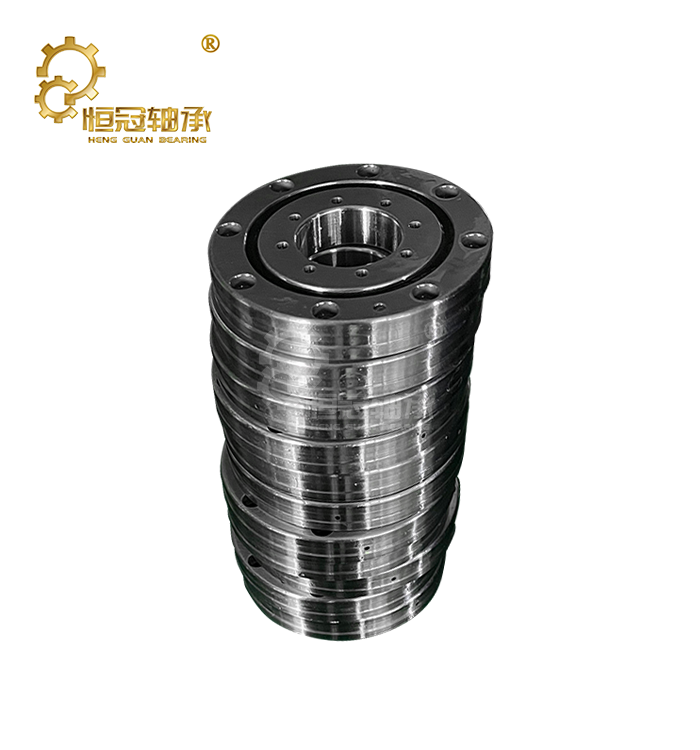
- Cross roller for applications demanding high stiffness and better rotational accuracy.
Roller-based systems are often preferred for heavy-duty gantry cranes, as rollers give a wider contact area as opposed to balls. This lets the bearing carry more load and reduces the contact stress while it is operating.
The sealing systems keep the internals from becoming contaminated. Dust, moisture, salt spray, and industrial particles can enter the raceway area in ports and cause wear. High-quality seals help to maintain lubrication conditions and prolong the lifetime of the bearing.
The mounting holes around the rings are also crucial. Proper bolt installation is critical to make sure that the bearing is firmly linked to the crane structure and the operational loads are evenly transferred. Excessive bolt preload or uneven surfaces of the mount might introduce additional stresses and shorten service life.
Load Transmission Mechanics
The basic function of a slewing ring is to transfer various kinds of mechanical loads while permitting controlled rotation.
The bearing in the operation of the gantry crane is usually exposed to three principal forces:
- Axial load: Axial load is the load applied in the axial direction.
- This force is mostly caused by the weight of the hoisted load and the crane construction itself. The rolling elements transmit the vertical force through the raceways.
Load, radial:
Radial forces are horizontal movement, acceleration, braking, wind pressure, and external impacts. The bearing structure must be kept in line and be able to withstand these side forces.
Reversing moment:
If the load is not centered on the center of rotation, it is a bending force. This is one of the most difficult circumstances since it puts unequal strain on different parts of the bearing.
A gantry crane slewing ring is designed to take up these forces with the aid of optimized raceway geometry, proper arrangement of rolling elements, and high-strength materials. Three-row roller slewing bearings are often used in heavy lifting equipment because the different roller rows may take different directions of load independently.
This load sharing design decreases the stress concentration and enhances the fatigue resistance. Therefore, the crane can work more reliably in repeated lifting cycles when beginning, stopping, and changing orientations regularly occur.
Integration with Crane Rotation Systems
This is not an independent slewing ring. Usually, the crane rotation is controlled by a slew drive, hydraulic motor, or electric drive system coupled to the slew ring.
The driving mechanism provides torque to the slewing ring gear when the operator actuates the rotation system. The teeth of the gear change the output of the motor into controlled rotational motion so the structure of the crane may rotate smoothly.
The correctness of this movement is contingent on a number of factors:
- Precision Machining of Gears
- Manufacture of raceway quality
- Internal clearance
- State of lubrication
- Accuracy of installation
Slewing rings, when made properly, allow the operator to position loads accurately, an important factor in container terminals and industrial lifting, where slight errors in positioning can impact efficiency and safety.
The mounting configuration also makes it easy to integrate with existing crane structures. The bearing can be fitted between the fixed base and the rotating platform using standard bolt patterns. When installing, the bolts must be progressively torqued in a star pattern to avoid unequal stress distribution.
Types and Design Considerations of Gantry Crane Slewing Rings
Depending on the use of the gantry crane, several gantry crane slewing ring designs are required. Choice of the suitable design depends on criteria such as load capacity, rotation speed, operating environment, maintenance requirements, and estimated service life.
Common Structural Configurations
The most usual slewing ring designs are ball bearings, roller bearings, and special hybrid constructions.
Single-row four-point contact ball slewing bearings are used in situations with modest loads and limited installation space. Their small design delivers consistent rotation performance and helps reduce the total weight of the equipment.
Double-row ball slewing rings distribute the load better than single-row versions. They are widely utilized when the load has to be balanced both axially and radially during operation.
Three-row cylindrical roller slewing bearings are frequently employed in large industrial equipment. The roller configurations are independent and so have a high load capacity and good moment resistance. These bearings are widely used in large gantry cranes, port handling machinery, and mining equipment.
A cross roller slewing bearing has high stiffness and excellent rotation accuracy. They are perfect for applications that need accuracy in movement and deflection.
Choosing the right construction for the highest load capacity is not enough for a heavy-duty gantry crane. Engineers have to consider operating frequency, environmental exposure, available installation area, and maintenance accessibility.
Material Selection and Performance Requirements
The choice of material for the slewing ring of a gantry crane strongly influences the crane’s load capacity, fatigue resistance, and service life. Gantry cranes usually work continuously under severe loads, and so the bearing rings and rolling parts should have strength and dimensional stability over repeated loading cycles.
Normally the slewing ring is structured in high-strength alloy steels. Materials such as 42CrMo and 50Mn are frequently utilized because they have outstanding mechanical strength, impact resistance, and wear resistance after suitable heat treatment.
The 42CrMo alloy steel is widely utilized for heavy-duty slewing rings due to its high tensile strength and capability to sustain huge loads without significant deformation. The material is then subjected to operations such as quenching and tempering to improve hardness and toughness. This helps the bearing provide reliable performance under harsh situations.
The rolling elements often need special bearing steel, for example, GCr15SiMn. The material has great contact fatigue strength and good resistance to surface wear. Material quality directly affects bearing durability, because rolling parts are subjected to frequent contact stress during operation.
Another important consideration, in addition to the choice of material, is heat treatment. The raceway surfaces are hardened sufficiently by heat treatment, and the bearing rings are tough enough within. Optimized hardness balance helps to avoid typical failures such as raceway deformation, cracking, and early fatigue damage.
You should also consider corrosion protection if you're planning to use them in a coastal port or outside. Protective coatings, proper lubrication systems, and good sealing designs can help to limit the effects of moisture, salt spray, and industrial pollutants.
Dimensional Parameters and Customization Options
The dimensions of a slewing ring should satisfy the mechanical requirements of a crane system. Unlike typical bearings, slewing rings are often customized and designed according to the equipment design, space for installation, and load circumstances.
Important dimensional factors are
Diameter exterior:
- Inside diameter
- Arrangement of mounting holes
- Track width
- Gear specs
- Height above bearing
Bolt circle diameter:
- In applications in large gantry cranes, slewing rings of diameters from a few hundred millimeters up to several meters are often required. The final design is a function of crane capacity, rotation needs, and structural limits.
- Manufacturing precision is critical because dimensional inaccuracies might impair load distribution and rotational stability. The accuracy of the gears and the flatness of the mounting surface affect the ultimate performance of the bearing.
While selecting a gantry crane slewing ring, the engineers should analyze numerous operating parameters:
- Maximum axial load
- Max radial load
- Moment of Tilt
- Speed of rotation
- Operating cycle frequency
- Temperature conditions
- Exposure to the environment
For example, a crane in a container terminal may have different bearing design requirements than a crane in a sheltered interior industrial facility. The working environment directly impacts the sealing requirements, lubrication choices, and maintenance intervals.
Special applications can benefit from custom manufacture. Experienced manufacturers can alter bearing size, gear layout, mounting holes, and internal arrangements to customer specifications. It improves the interoperability of the slewing ring with the existing crane system.

Maintenance and Troubleshooting of Gantry Crane Slewing Rings
Proper maintenance is essential for maximizing the service life of a Gantry Crane Slewing Ring gantry crane slewing ring. Even a high-quality bearing can experience premature failure if lubrication, inspection, or installation conditions are neglected.
Because slewing rings operate under continuous heavy loading, preventive maintenance is more effective than waiting until performance problems appear. Regular inspections help identify early signs of wear and reduce the risk of unexpected crane downtime.
Lubrication Management
Lubrication is one of the most important maintenance activities for slewing rings. Grease creates a protective layer between rolling elements and raceways, reducing friction and preventing direct metal-to-metal contact.
The lubrication schedule depends on several factors:
- Operating hours
- Load conditions
- Rotation frequency
- Working environment
- Temperature changes
Heavy-duty cranes working in ports or mining sites usually require more frequent lubrication than equipment operating under lighter conditions.
Extreme pressure (EP) lithium-based greases are commonly used for industrial slewing bearings because they provide good load resistance and stability. In environments with high temperatures, water exposure, or severe contamination, specialized lubricants may be required.
During lubrication, grease should be evenly distributed throughout the raceway area. Insufficient lubrication can cause increased friction, overheating, and accelerated wear. Excessive lubrication may also create problems by increasing resistance or attracting contaminants.
Inspection Procedures and Failure Prevention
Regular inspection allows maintenance teams to identify problems before they become major failures.
Common inspection items include:
Seal Condition
Damaged seals allow dust, moisture, and foreign particles to enter the bearing. Contaminated raceways can accelerate wear and reduce rotational accuracy.
Bolt Tightening
Loose mounting bolts can create uneven loading conditions. Over time, this may lead to deformation of mounting surfaces or abnormal stress concentration.
Rotation Performance
Operators should monitor unusual vibration, noise, resistance, or irregular movement during crane rotation. These symptoms may indicate internal damage, insufficient lubrication, or installation problems.
Clearance Measurement
Changes in internal clearance may indicate raceway wear or rolling element damage. Regular measurement helps determine whether the bearing remains suitable for continued operation.
Early detection is especially valuable for large cranes because replacing a damaged slewing ring requires significant downtime and maintenance resources.
Common Problems and Solutions
Several issues can reduce the performance of gantry crane slewing rings.
Improper Installation
Incorrect installation is one of the most common causes of premature failure. Uneven mounting surfaces, incorrect bolt tightening, or poor alignment can create additional stress on specific areas of the bearing.
To avoid these problems:
- Clean mounting surfaces before installation.
- Check structural flatness.
- Follow recommended bolt tightening procedures.
- Inspect alignment after installation.
Overloading
Operating beyond the designed load capacity can damage raceways and rolling elements. Shock loads caused by sudden stopping, impact, or unstable lifting conditions can accelerate fatigue damage.
Operators should ensure that lifting operations remain within the rated capacity of the crane system.
Environmental Contamination
Dust, sand, water, and chemical substances can enter the bearing system if seals are damaged or unsuitable for the working environment.
For cranes operating in harsh conditions, additional protective measures such as improved sealing systems and regular cleaning programs can significantly extend bearing life.
Comparison and Selection Guide: Choosing the Right Gantry Crane Slewing Ring
Selecting the correct slewing ring requires more than comparing purchase prices. A reliable evaluation should consider product quality, technical support, manufacturing capability, and long-term operating costs.
Material Verification and Quality Certification
Before purchasing a gantry crane slewing ring, buyers should verify the material specifications and manufacturing process.
Important documents may include:
- Material certificates
- Inspection reports
- Dimensional inspection records
- Heat treatment reports
- Load testing information
These documents help confirm that the bearing meets required mechanical performance standards.
Manufacturing quality also plays an important role. Precision machining ensures accurate raceway geometry, while controlled heat treatment improves durability. Professional manufacturers usually perform multiple inspection steps throughout production to ensure consistency.
Supplier Evaluation Criteria
Choosing the right supplier is as important as choosing the bearing design itself.
A qualified manufacturer should provide the following:
- Engineering support
- Custom design capability
- Production experience
- Quality control procedures
- Technical documentation
- After-sales service
For large crane projects, supplier experience can significantly reduce risks during installation and operation.
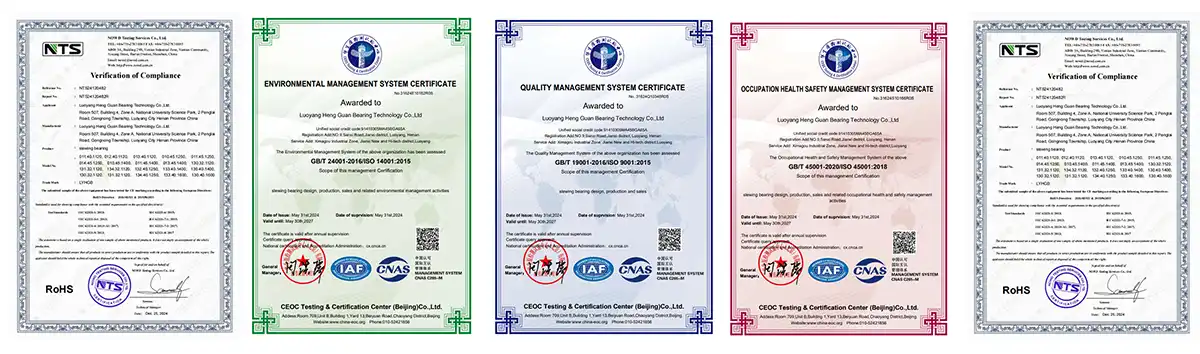
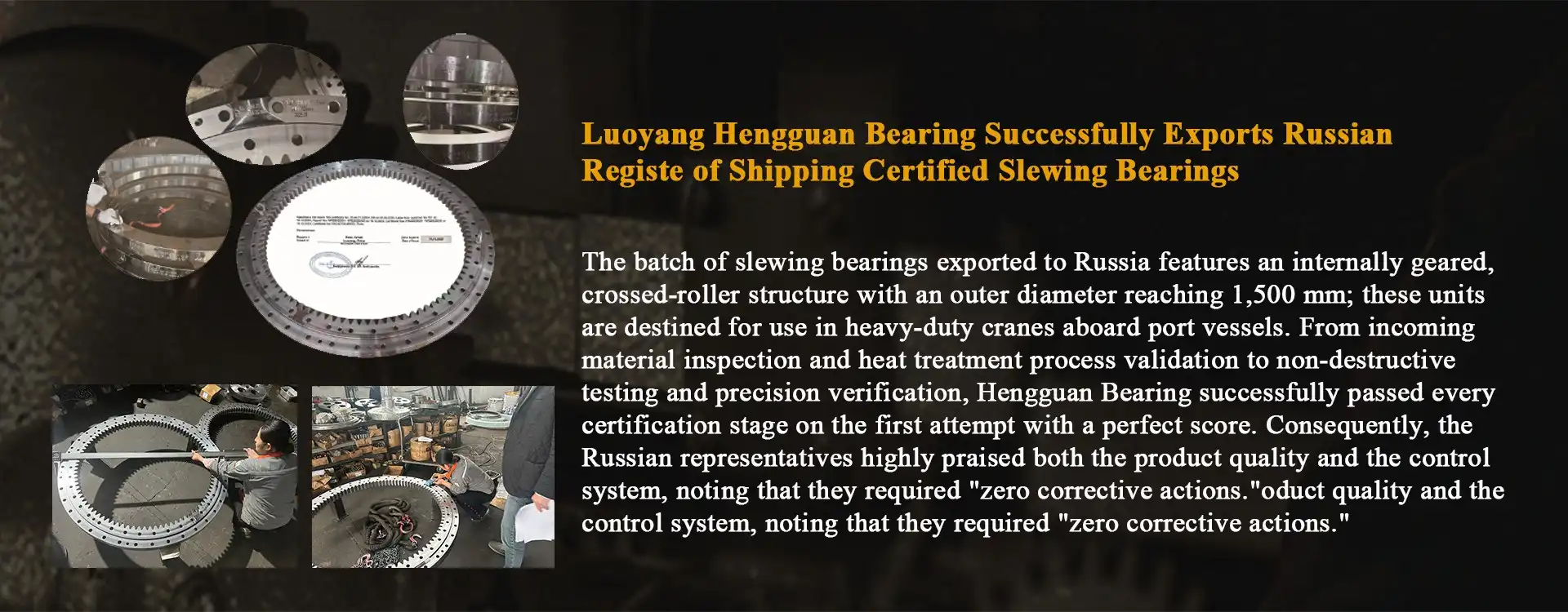
Heng Guan specializes in slewing bearing manufacturing and provides customized solutions for different industrial applications. With engineering support and flexible production capability, the company helps customers select suitable bearing structures according to load requirements, installation conditions, and operating environments.
Procurement Tips: How to Buy Gantry Crane Slewing Rings Efficiently
A successful procurement process balances cost, performance, and long-term reliability. Choosing the cheapest option may create higher maintenance expenses if the bearing cannot withstand actual operating conditions.
Defining Technical Requirements
Before requesting quotations, buyers should prepare complete technical information, including:
- Crane type
- Load capacity
- Bearing dimensions
- Rotation requirements
- Working environment
- Operating hours
- Expected service life
Providing accurate technical requirements allows manufacturers to recommend the correct bearing structure and avoid unnecessary design changes.
For example, a port gantry crane with continuous operation requires a different slewing ring design compared with a small workshop crane used occasionally.
Bulk Orders and Customized Solutions
Bulk purchasing can reduce production costs and improve supply efficiency for standard bearing models. However, customized solutions are often necessary for special crane designs.
Standard products are suitable when:
- Installation dimensions already match existing equipment.
- Operating conditions are predictable.
- Replacement requirements are consistent.
Customized slewing rings are preferred when:
- Load conditions are unusual.
- Space limitations exist.
- Special gear designs are required.
- Environmental conditions are severe.
Early communication with the manufacturer helps determine the most cost-effective solution.
Installation Support and Technical Service
Professional installation guidance can significantly improve bearing performance.
During installation, technicians should pay attention to the following:
- Mounting surface preparation
- Bolt tightening sequence
- Gear engagement
- Lubrication condition
- Initial operation testing
Experienced suppliers can provide technical recommendations during installation and maintenance, helping customers reduce downtime and extend equipment life.
A reliable supplier does not only provide products but also supports customers throughout the entire service cycle, from initial selection to long-term operation.
Conclusion
Understanding how a slewing ring works reveals the important engineering role behind modern crane rotation systems. A gantry crane slewing ring supports heavy loads while allowing precise and stable movement, making it an essential component in ports, shipyards, construction sites, and industrial facilities.
The performance of a slewing ring depends on multiple factors, including structural design, material selection, manufacturing accuracy, lubrication practices, and installation quality. Choosing the correct bearing configuration helps improve crane reliability, reduce maintenance requirements, and minimize unexpected downtime.
For buyers and engineers, selecting a suitable slewing ring requires careful evaluation of load conditions, operating environment, technical specifications, and supplier capabilities. Working with an experienced manufacturer provides access to professional engineering support and customized solutions that match the specific requirements of each crane application.
By combining proper product selection with regular maintenance, a high-quality gantry crane slewing ring can deliver stable performance and a longer service life even under demanding industrial operating conditions.
|
|
FAQ
1. How often should I perform maintenance on crane slewing rings?
Maintenance frequency depends on operational intensity and environmental conditions. Heavy-use applications in contaminated environments typically require lubrication every 100-200 operating hours and comprehensive inspections quarterly. Lighter-duty installations in controlled environments may extend lubrication intervals to 500 hours with semi-annual inspections. Monitor performance indicators like rotational resistance and temperature to adjust schedules based on actual conditions rather than rigid timelines.
2. What distinguishes slewing rings from turntable bearings?
Crane slewing rings represent large-diameter, heavy-duty bearings designed specifically for high-load rotational applications in construction and industrial equipment, typically ranging from 500mm to several meters in diameter. Turntable bearings generally refer to smaller units used in material handling, indexing tables, and light machinery. Slewing rings incorporate robust structural designs, integrated gear systems, and heavy-duty sealing to withstand extreme loading conditions that would overwhelm turntable bearings.
3. Can slewing rings be customized for unique load requirements?
Comprehensive customization capabilities address diverse application requirements. Dimensional modifications accommodate specific installation constraints across our 50-10,000mm processable range. Material selection can be optimized for environmental conditions, such as corrosion-resistant alloys for marine applications. Gear configurations, mounting interfaces, and seal designs adapt to unique operational demands. Consulting with experienced bearing engineers during design phases ensures custom solutions meet both technical requirements and cost objectives effectively.
Partner with Heng Guan for Superior Crane Slewing Ring Solutions
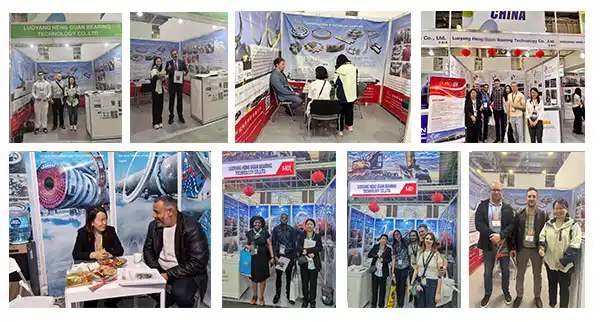
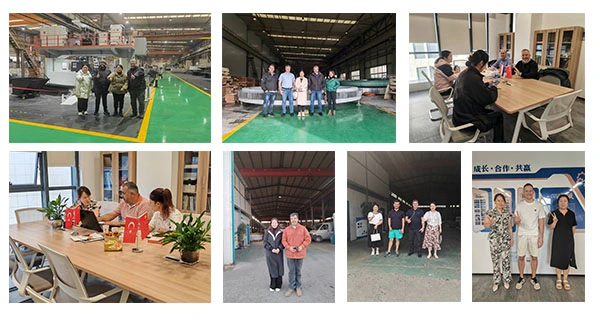
At Luoyang Heng Guan Bearing Technology Co., Ltd., we combine over two decades of specialized expertise with advanced manufacturing capabilities to deliver exceptional gantry crane slewing ring solutions. Our three-row roller bearings, crafted from premium 42CrMo alloy steel and GCr15SiMn rolling elements, provide superior load distribution performance and extended service life that directly reduces your total ownership costs. As an ISO9001 certified slewing ring manufacturer, we serve clients across the construction, mining, wind power, and automation sectors throughout Europe, America, and Asia. Whether you require standard configurations or custom designs spanning our 50-10,000mm processable range, our 50+ engineering specialists develop optimized solutions tailored to your precise application requirements. Contact our technical team at mia@hgb-bearing.com to discuss how our personalized design approach and flexible production capabilities can address your specific rotational bearing challenges and enhance your equipment performance.
References
1. American Society of Mechanical Engineers. (2019). ASME B89.3.4M - Axes of Rotation: Methods for Specifying and Testing. New York: ASME Press.
2. Harris, T.A., & Kotzalas, M.N. (2020). Advanced Concepts of Bearing Technology: Rolling Bearing Analysis (6th ed.). Boca Raton: CRC Press.
3. International Organization for Standardization. (2018). ISO 76:2006 - Rolling Bearings: Static Load Ratings. Geneva: ISO Standards.
4. Machinery's Handbook Editorial Board. (2021). Machinery's Handbook: Large Diameter Bearings and Slewing Rings (31st ed.). New York: Industrial Press.
5. Neale, M.J. (2017). The Tribology Handbook: Bearing Lubrication and Maintenance Practices. Oxford: Butterworth-Heinemann.
6. Wensing, J.A. (2022). On the Dynamics of Ball Bearings in Heavy Industrial Applications. Journal of Mechanical Engineering Science, 236(8), 4127-4145.

WHAT OUR CUSTOMERS SAY
Here is the customer's evaluation of us