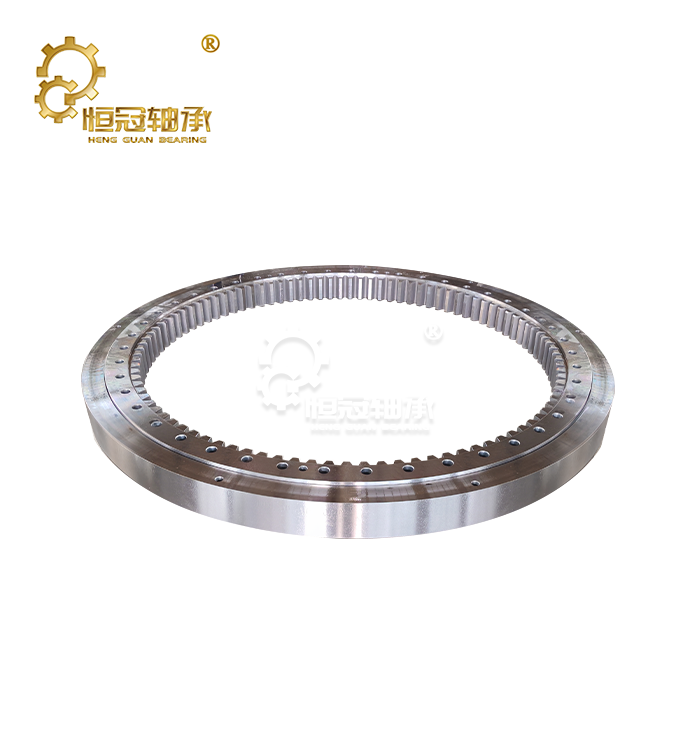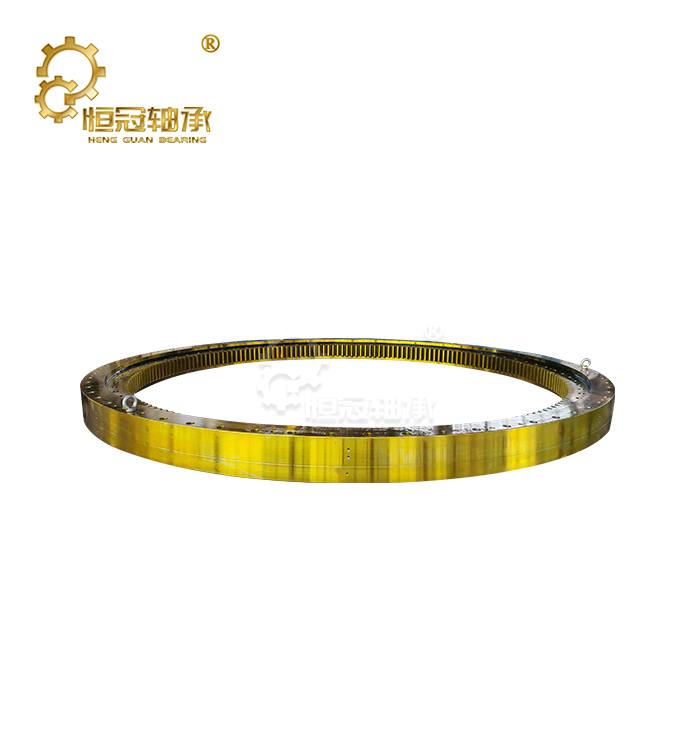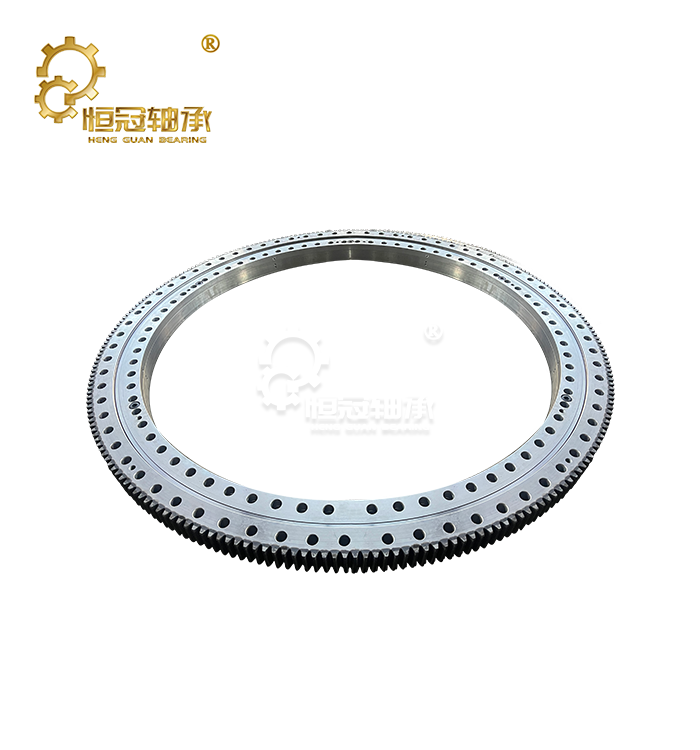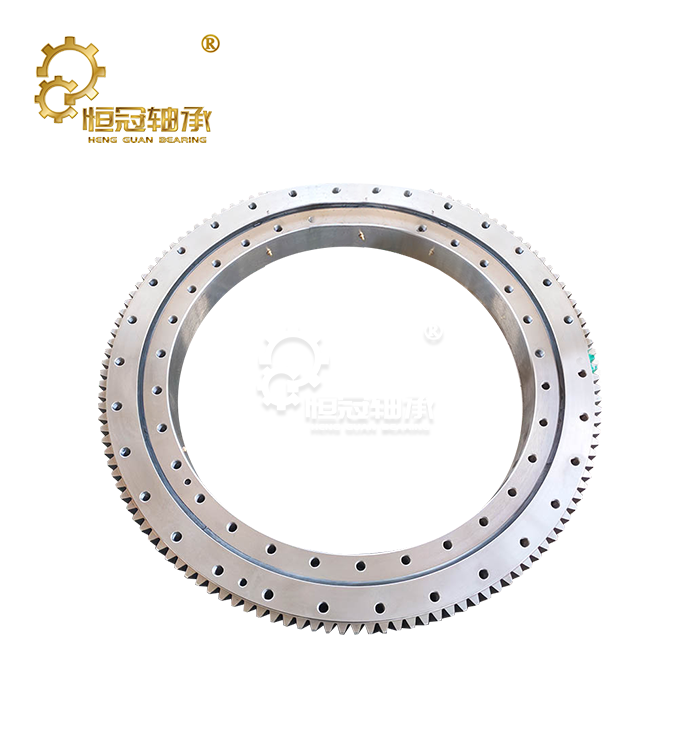




High-Precision Rotary Table Bearings for CNC Equipment
High-precision rotary table bearingsare essential components in modern CNC machining systems, where positioning accuracy, load stability, and long-term reliability directly affect machining quality. In multi-axis machining centers, rotary tables must handle complex forces generated by heavy workpieces, cutting operations, and continuous indexing movements. Without a properly selected bearing system, even advanced CNC equipment may experience positioning errors, vibration, reduced surface quality, and unexpected downtime.
As a professional bearing manufacturer, Heng Guan provides precision rotary table bearing solutions designed for demanding CNC applications. By combining accurate machining processes, strict quality control, and customized engineering support, the company helps machine tool manufacturers and industrial users achieve stable rotary motion under various operating conditions.

Why Are Rotary Table Bearings Critical for CNC Machining Accuracy?
The Role of Rotary Table Bearings in CNC Equipment
The rotary table bearing is a support for the rotating platform of CNC machines and permits smooth movement around a fixed axis. Conventional bearings generally support either radial or axial loads. In contrast, rotary table bearings may support mixed forces, radial loads, axial loads, and overturning moments.
CNC machining cutting forces are very sensitive to material type, tool location, and speed of machining. A good bearing system will keep the rotary axis rigid and avoid any undesired movement that can damage the machining accuracy.
In applications like aerospace parts, medical components, mold production, and precision industrial equipment, the bearing accuracy is directly related to the quality of the finished output.
How Bearing Accuracy Influences CNC Performance
The accuracy of a rotary table is influenced by a number of parameters such as runout of the bearings, preload adjustment, stiffness, and installation conditions. In high-precision machining, minor amounts of clearance or distortion might cause errors in placement.
High-precision rotary table bearings assist CNC systems in achieving the following:
Rotary placement more solid
Better surface polish quality
Lower vibration when machining
Improved repeatability in multi-axis processes
Extended Service Life of Machine Components
But the bearing itself is simply one aspect of the whole precise system. Reliable performance can also be achieved with proper installation, lubrication, and machine structure design.
Types of Rotary Table Bearings Used in CNC Applications
Crossed Roller Bearings for High Rigidity Requirements
Crossed roller bearings are commonly utilized in precision rotary tables due to their high stiffness and great rotational accuracy. The rollers are set alternately at right angles to allow the bearing to carry forces from many directions in a compact structure.
These bearings are perfect for CNC applications where space-saving and positional accuracy are concerns. They include:
High-precision machining centers
Inspection Machines
semiconductor equipment
Robotics systems
In its compact design, producers are able to build smaller rotary axes with high load resistance.
Ball-Type Rotary Table Bearings for High-Speed Operations
Ball-based rotary table bearings are often chosen for applications that require smooth running and low friction. In comparison with roller types, ball bearings typically exhibit lower friction during operation and are better suited for rapid indexing motions.
They are sometimes utilized in CNC equipment when:
The speed of rotation matters.
Moderate load requirements
A key priority is energy efficiency.
The choice of a bearing depends on the compromise between speed, rigidity, precision, and load capacity.
Multi-Row Roller Bearings for Heavy-Duty CNC Machines
In heavy machining operations with large workpieces, bearings of high load capacity and tilting force resistance are required. Multi-row roller designs have more contact areas and so can carry higher axial, radial, and moment stresses.
These designs are commonly utilized in:
Heavy Machining Centers
Heavy-Duty Rotary Tables
Industrial production machinery
In these applications, the bearing stiffness is very critical, since the cutting forces might induce substantial deformation if the support system is not adequate.
|
|
Key Factors When Selecting Rotary Table Bearings for CNC Machines
Evaluate Load Capacity and Operating Conditions
The first step in selecting rotary table bearings is understanding the actual loads generated during machining. Engineers should evaluate:
Workpiece weight
Cutting force
Tool position
Rotation speed
Frequency of indexing operations
A bearing that is suitable for light machining may not provide enough rigidity for heavy cutting applications.
For example, large components made from titanium or hardened steel often generate higher cutting resistance. These applications require bearings with greater stiffness and moment load capacity.
Consider Precision Grade and Runout Requirements
Precision requirements vary significantly between CNC applications. General industrial machining may require standard accuracy levels, while aerospace and medical manufacturing often demand tighter control.
Important parameters include:
Radial runout
Axial runout
Rotational accuracy
Bearing preload
Dimensional tolerance
Selecting the appropriate precision grade ensures that the rotary axis can maintain stable positioning throughout repeated machining cycles.
Match Bearing Size with Machine Structure
Bearing dimensions must match the mechanical design of the CNC rotary table. A larger bearing generally provides higher rigidity and load capacity, but it also requires more installation space and stronger supporting structures.
Engineers should consider:
Available mounting space
Shaft or table diameter
Housing design
Weight limitations
Maintenance accessibility
A properly matched bearing improves overall machine performance while avoiding unnecessary oversizing.
Choose Materials According to Working Environment
Material selection affects bearing durability, especially in demanding CNC environments.
Standard bearing steel is suitable for many industrial applications. However, special operating conditions may require alternative solutions, such as:
Corrosion-resistant materials for coolant exposure
Heat-resistant materials for high-temperature environments
Specialized coatings for improved wear resistance
The correct material choice helps maintain performance under long-term operating conditions.
Manufacturing Quality Requirements for Precision Rotary Table Bearings
Precision Machining and Dimensional Control
The manufacturing accuracy of rotary table bearings directly affects their performance. Precision grinding, controlled machining processes, and strict dimensional inspections are necessary to achieve consistent quality.
Important manufacturing controls include:
Raceway accuracy inspection
Surface finish measurement
Dimensional verification
Assembly accuracy testing
Small manufacturing deviations can influence preload stability and rotational performance, especially in high-precision CNC equipment.
Inspection and Testing Before Delivery
Reliable bearing manufacturers perform comprehensive inspections before products reach customers. Typical quality checks include:
Dimensional inspection
Rotation accuracy testing
Load performance verification
Material inspection
Final assembly evaluation
These procedures help ensure that each bearing meets application requirements and reduces the risk of premature failure after installation.
Heng Guan applies strict quality management procedures to provide dependable bearing products for industrial customers requiring consistent precision and reliability.
Installation and Maintenance Practices to Extend Bearing Service Life
Proper Installation Procedures
Correct installation is essential for achieving the expected performance of rotary table bearings. Even a high-quality bearing may experience premature wear if installation conditions are unsuitable.
Key installation considerations include the following:
Cleaning all mounting surfaces
Checking housing and shaft accuracy
Applying correct mounting force
Avoiding contamination during assembly
Improper installation can create uneven loading, excessive friction, or early raceway damage.
Lubrication Management for CNC Rotary Systems
Lubrication reduces friction and protects internal bearing components from wear. The lubricant type and maintenance schedule should match operating conditions such as
Rotation speed
Temperature range
Load level
Environmental contamination
In CNC machining environments, coolant, metal chips, and dust can affect lubrication performance. Regular inspection helps prevent lubricant degradation and unexpected bearing damage.
Monitoring Bearing Condition During Operation
Early detection of bearing problems can prevent costly machine downtime. Common warning signs include:
Increased vibration
Unusual operating noise
Temperature rise
Reduced positioning accuracy
Condition monitoring methods, such as vibration analysis and temperature tracking, allow maintenance teams to identify problems before severe damage occurs.
Common Rotary Table Bearing Problems and Prevention Methods
Excessive Vibration During CNC Operation
Excessive vibration may result from:
Incorrect preload adjustment
Bearing wear
Installation errors
External machining forces
Reducing vibration requires identifying the actual cause rather than replacing components without analysis.
Loss of Positioning Accuracy
Positioning errors can occur when bearing stiffness decreases or internal clearance changes over time.
Possible causes include the following:
Insufficient lubrication
Overloading
Thermal expansion
Long-term wear
Regular inspection and proper operating conditions help maintain CNC accuracy.
Premature Bearing Failure
Most early failures of rotary table bearings are related to improper application conditions rather than manufacturing defects. Common causes include:
Incorrect bearing selection
Contamination
Poor lubrication practices
Excessive loading
A complete analysis of operating requirements before installation can significantly improve bearing service life.
Custom Rotary Table Bearing Solutions for CNC Manufacturers
Engineering Support for Specialized Applications
Standard bearings may not always meet the requirements of advanced CNC systems. Custom solutions allow manufacturers to optimize bearing performance according to machine design and operating conditions.
Customization options may include:
Special dimensions
Modified preload settings
Material selection
Customized sealing solutions
Application-specific designs
Engineering cooperation between bearing suppliers and CNC manufacturers helps achieve better performance and reliability.
Why Choose Heng Guan for Precision Bearing Applications
Selecting a reliable bearing supplier is important for maintaining CNC equipment performance. Heng Guan supports customers with:
Precision manufacturing capabilities
Application-focused engineering assistance
Quality inspection procedures
Customized bearing solutions
Through close cooperation with customers, Heng Guan helps optimize bearing selection for different machining environments, from standard industrial equipment to advanced precision applications.
Future Trends in Rotary Table Bearing Technology
Higher Precision Requirements in Advanced Manufacturing
With the development of industries such as aerospace, medical equipment, and automation, CNC systems need to be more accurate and reliable.
Future development of rotary table bearings will focus on:
Enhanced rotational accuracy
Increased thermal stability
Long service life
Lubrication systems efficient
Integration with Intelligent Manufacturing Systems
Smart manufacturing technologies bring new options for bearing monitoring and predictive maintenance.
Future CNC systems may progressively incorporate sensors and digital monitoring tools to help track:
Temperature variations
Patterns of vibration
Conditions of operation
Requires maintenance
These solutions help manufacturers cut downtime and make equipment work better.
|
|
Conclusion
High-precision rotary table bearings are the key to reliable and accurate CNC machining performance. In aircraft manufacturing or normal industrial production, the right bearing design helps preserve positional stability, decrease vibration, and enhance machining consistency.
The choice of the proper bearing is a matter of careful analysis of the load conditions, the accuracy requirements, the operating environment, and the maintenance strategy. The manufacturer’s experience enables the CNC equipment builder and the industrial user to find solutions that meet the requirements of the application.
Heng Guan also provides precise manufacturing, quality control methods, and bespoke engineering support, all of which enable us to continue to supply dependable rotary table bearing solutions to customers looking for increased CNC performance and long-term operational stability.
FAQ
1. What is the typical lifespan of a high-precision rotary table bearing in CNC applications?
High-precision rotary table bearings typically achieve service lives ranging from 15,000 to 30,000 operating hours under normal CNC conditions, with actual lifespan depending heavily on load conditions, operating speeds, and maintenance quality. Bearings operating under continuous high-load conditions may require replacement every 12,000-18,000 hours, while applications with moderate loading and excellent maintenance can achieve 40,000+ hour service lives. Proper lubrication management and contamination prevention significantly impact actual service life achievement.
2. How do I determine if my current rotary table bearing needs replacement?
Positioning accuracy degradation beyond acceptable tolerance ranges represents the most critical replacement indicator for CNC applications. Increased vibration levels, elevated operating temperatures above baseline measurements, and unusual noise during rotation also signal potential bearing problems. Regular measurement of rotary axis runout and positioning repeatability provides a quantitative assessment of bearing condition, with degradation beyond specified limits indicating replacement necessity.
3. Can I upgrade to higher-precision bearings on existing CNC equipment?
Upgrading to higher-precision bearings is often possible but requires careful evaluation of mounting interface compatibility and structural support adequacy. P4 precision bearings can frequently replace P5 or P6 grade units without mechanical modifications, provided that improved accuracy justifies the additional cost. However, upgrades may require enhanced thermal management and improved maintenance practices to realize the full benefits of increased precision capabilities.
4. What's the difference between angular contact and crossed roller bearings for rotary tables?
Angular contact bearings excel in high-speed applications through their reduced friction characteristics and optimized load distribution for combined axial and radial loading. Crossed roller designs provide superior load capacity and rigidity through their alternating roller arrangement but typically operate at lower maximum speeds. Application requirements regarding speed, load capacity, and rigidity determine the optimal bearing technology for specific CNC applications.
Partner with Heng Guan for Superior Rotary Table Bearing Solutions
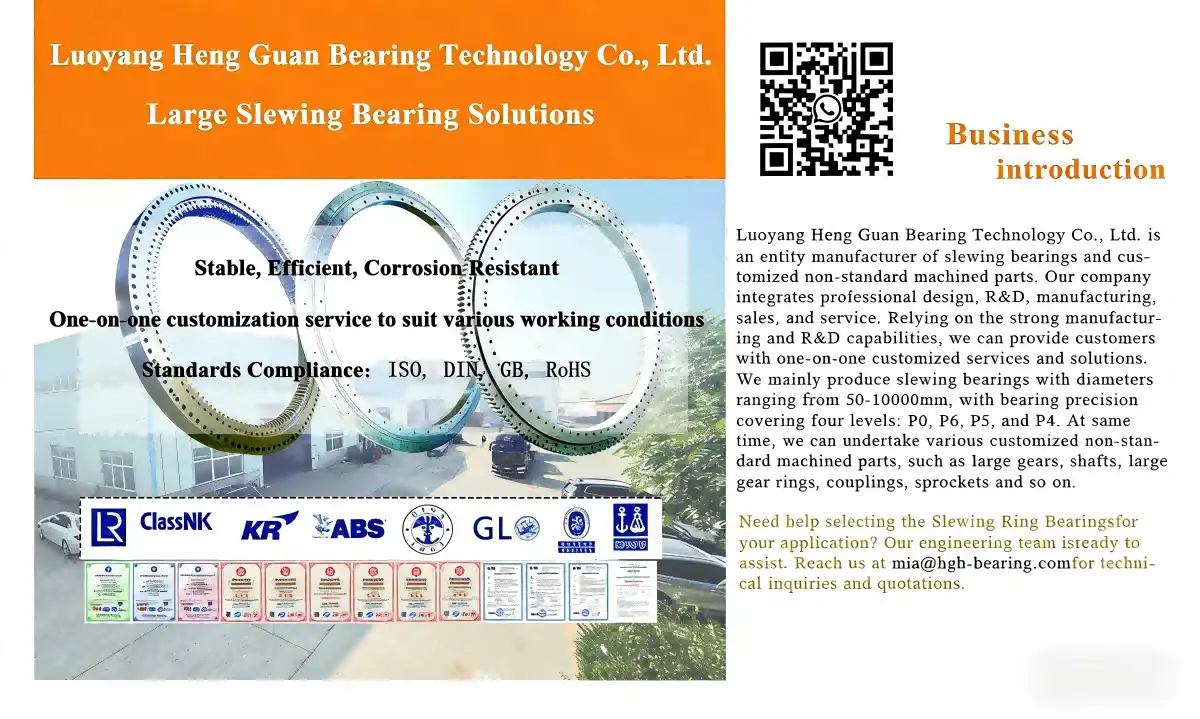
With diameter capabilities ranging from 20mm to 10,000mm, we specialize in precision rotary table bearings with grades P0 through P4, allowing us to handle needs ranging from large-scale industrial gear to tiny automation equipment. Our dedication to quality control and client satisfaction has won us acclaim in heavy industrial, automation, medical, and aerospace applications throughout the globe.To discuss your unique needs and learn how Heng Guan can maximize the performance of your CNC equipment with better bearing solutions, get in touch with our engineering team at mia@hgb-bearing.com.
References
1. Thompson, R.A. "Advanced Bearing Technologies for CNC Machine Tools." Journal of Manufacturing Engineering, Vol. 45, No. 3, 2023, pp. 78-92.
2. Chen, L. and Williams, M. "Precision Bearing Selection Criteria for Multi-Axis Machining Centers." International Conference on Manufacturing Technology Proceedings, 2023, pp. 234-248.
3. Anderson, K.J. "Rotary Table Bearing Performance in High-Speed CNC Applications." Precision Engineering Quarterly, Vol. 28, No. 2, 2023, pp. 156-171.
4. Rodriguez, P. et al. "Maintenance Strategies for High-Precision Bearing Systems in Industrial Applications." Reliability Engineering Review, Vol. 39, No. 4, 2023, pp. 445-460.
5. Zhang, H. and Mueller, D. "Thermal Effects on Bearing Performance in Continuous Operation CNC Equipment." Manufacturing Systems Engineering, Vol. 52, No. 1, 2024, pp. 23-37.
6. Johnson, S.R. "Economic Analysis of Bearing Selection in Precision Manufacturing." Cost Management in Manufacturing, Vol. 31, No. 6, 2023, pp. 112-128.

WHAT OUR CUSTOMERS SAY
Here is the customer's evaluation of us