



Excavator Slew Ring Bearing: Types, Wear Signs & Replacement Guide
The Excavator Slewing Bearing is the hidden hero of your job when big machinery needs to rotate precisely under heavy loads. This important moving part links the upper frame of your excavator to its undercarriage. It allows the machine to rotate smoothly in all directions and supports the weight of the boom, dipper arm, and upper frame at the same time. Whether you're running a small mini excavator on a city building site or a group of very large mining machines, knowing how these bearings work and when they need to be fixed can mean the difference between making money and losing money when your machines break down. This guide will talk about different kinds of bearings, how to diagnose problems, how to maintain them, and how to repair them in a way that gives buying managers and maintenance teams the information they need to make smart choices.
Understanding Excavator Slew Ring Bearings
What Makes Slew Ring Bearings Essential
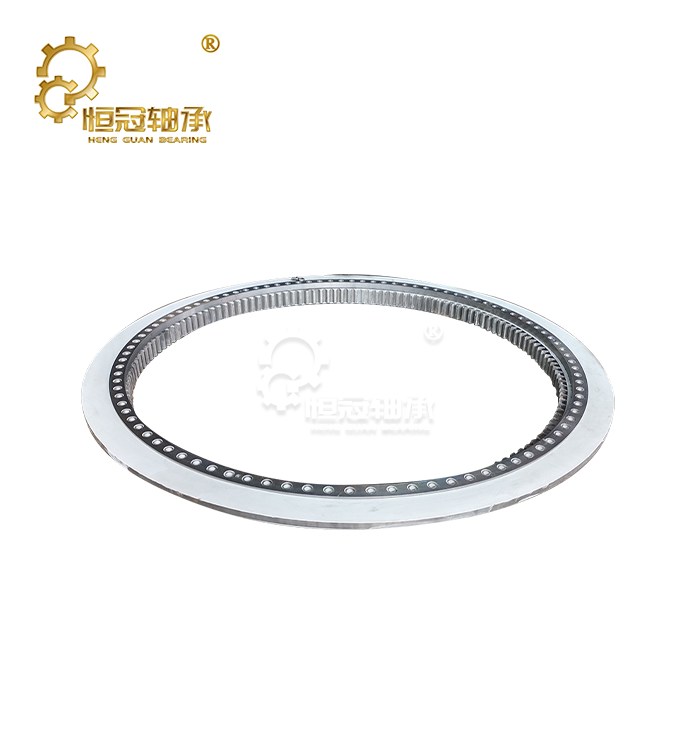
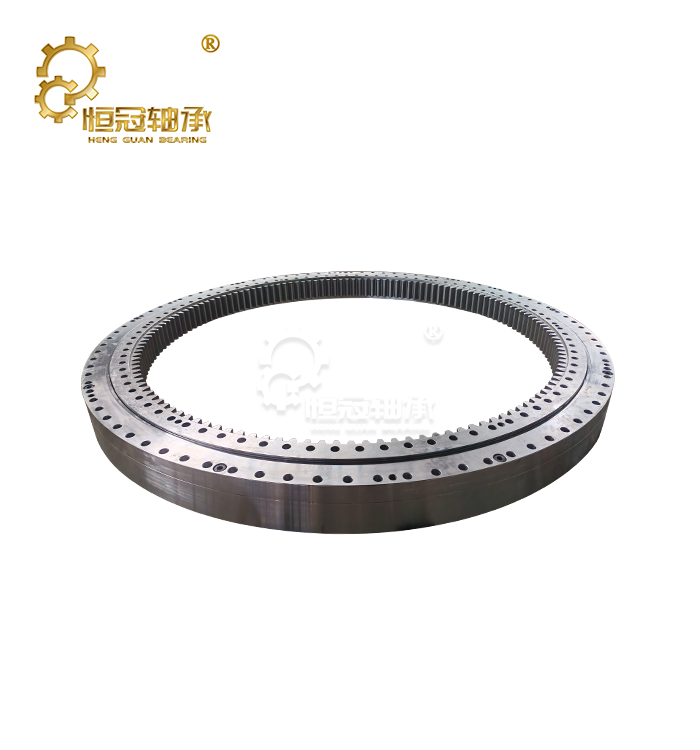
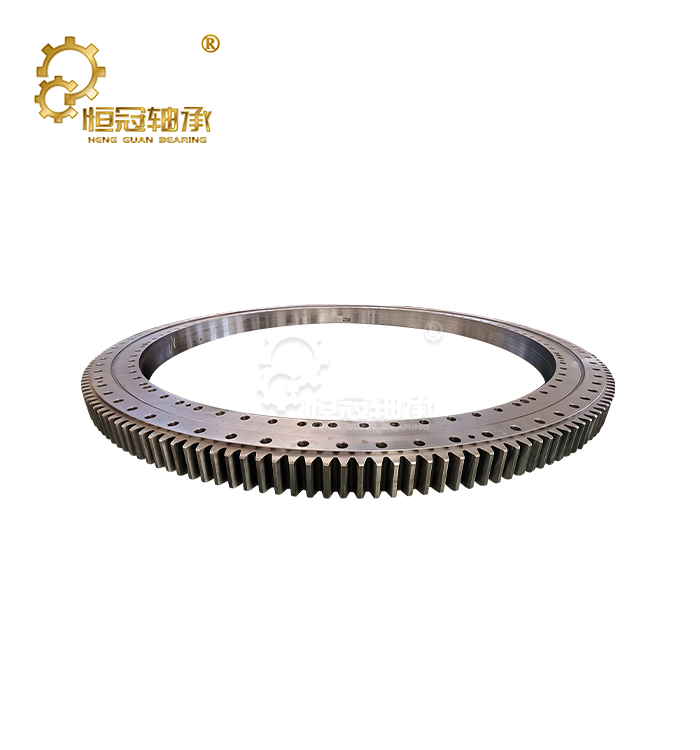
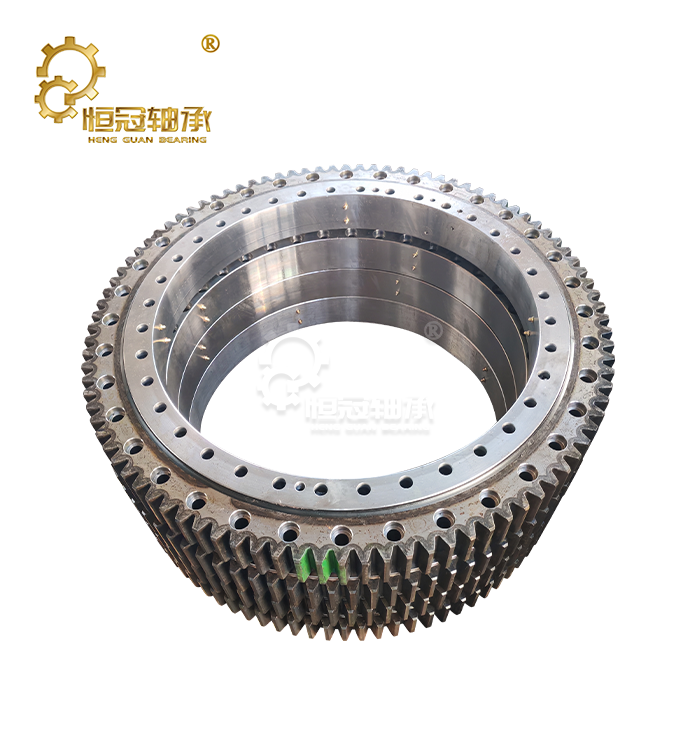
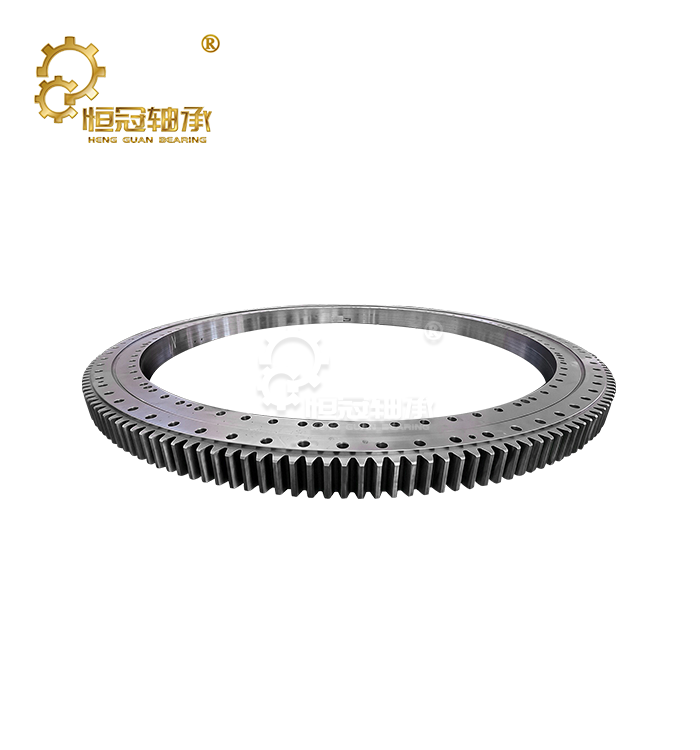
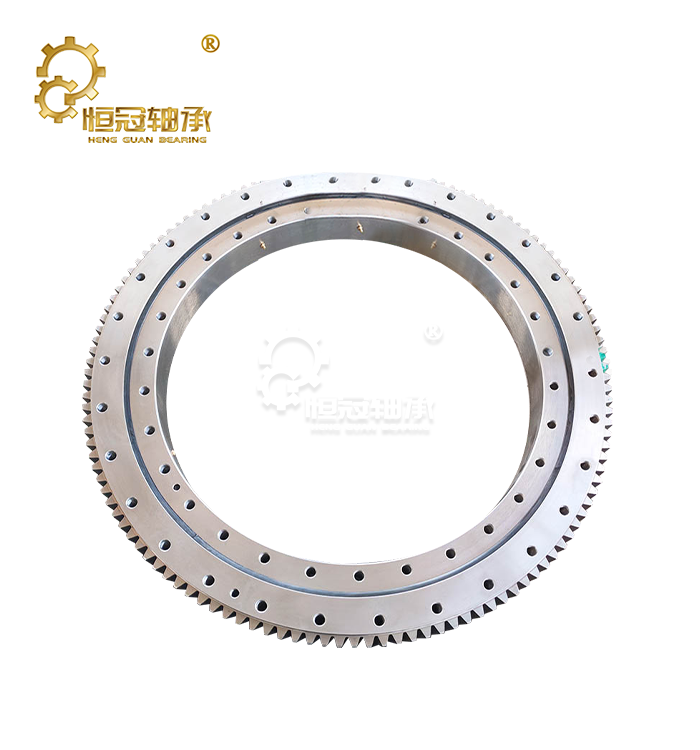
The Excavator Slewing Bearing is the backbone of its spinning. It transfers axial, radial, and moment loads between assemblies that are still and assemblies that are moving. Unlike standard bearings found in smaller machines, these large-diameter parts have to deal with forces acting in more than one way at the same time while still rotating precisely. The inner and outer rings of the bearing make raceways for balls or rollers that move and spread the load evenly across the contact area. Integrated gear rings make it easier for the swing motor to send power, and strong locking systems keep the inside parts clean in tough places like mines, demolition sites, and ports.
Core Structural Types and Their Applications
Based on the type of load and practical needs, different excavator uses need different bearing designs. Knowing about these differences in structure helps engineering teams choose the right part for each machine.
Single-Row Four-Point Contact Ball Bearings are designed to work with standard excavators that are under modest load. This design has a single row of precise balls that touch the raceway at four different places. This makes it easy to distribute axial and radial pressures. This type's short height makes it perfect for machines that don't have a lot of room to be installed. The rings of these bearings are made from 42CrMo and 50Mn special alloy steel, and the rolling elements are made from GCr15SiMn high-purity bearing steel. The raceway surfaces are inducted hardened to HRC 55–60 with entry depths of 2.5–5 mm. This gives them great wear protection and a longer service life. Gear teeth are heated in a special way to HRC 45–50, which is the best level of contact power for swing drive systems.
Double-Row Ball Bearings deliver enhanced load capacity for medium to large excavators that have to carry bigger loads. This design divides load lines and improves overall capacity without making the bearing's footprint much bigger by using two rows of balls with different diameters. This setup works especially well for machines that do high-cycle, repeated tasks like moving materials or digging continuously, where fatigue resistance is very important.
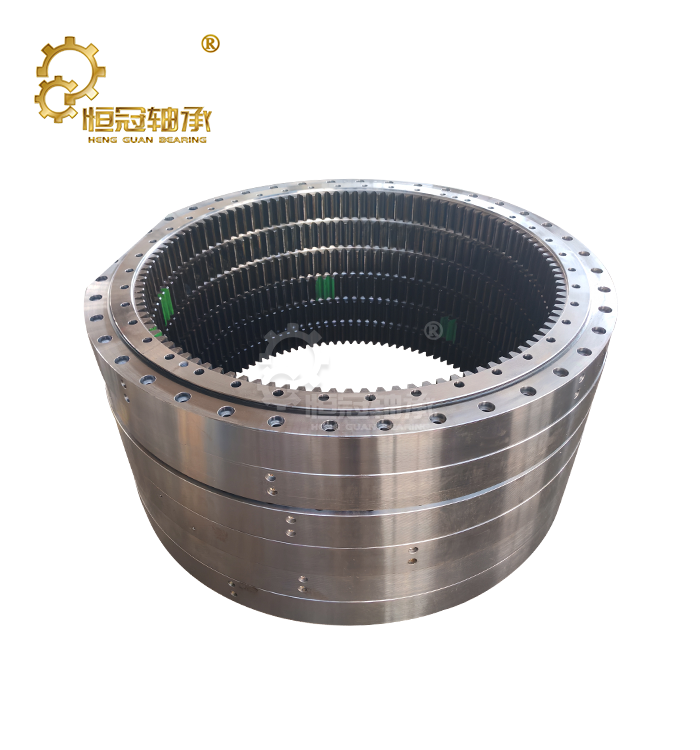
Triple-Row Roller Bearings are the best way to carry big loads on very large mine excavators and in other heavy-duty situations. Three different raceway rings hold rows of cylinder-shaped wheels that handle axial, radial, and moment loads separately. Engineers can make each roller row work best for the type of load it will be carrying because of this split. This gives the structure its highest capacity and strength. Extreme forces from bucket-wheel excavators, ship cranes, and dock equipment can't damage the strong building. Even though they are taller than ball-type bearings, the better load distribution makes up for the extra room needed in heavy-duty uses.
Each type of Excavator Slewing Bearing uses advanced sealing technology with foreign nitrile rubber or fluororubber materials to make good shields against dust, mud, and water getting in. The cage materials—brass, steel, or industrial plastics—are chosen based on the speeds, temperature ranges, and ability to work with lubricants to keep the roller spacing smooth and avoid damage from touch.
Size Specifications and Customization Capabilities
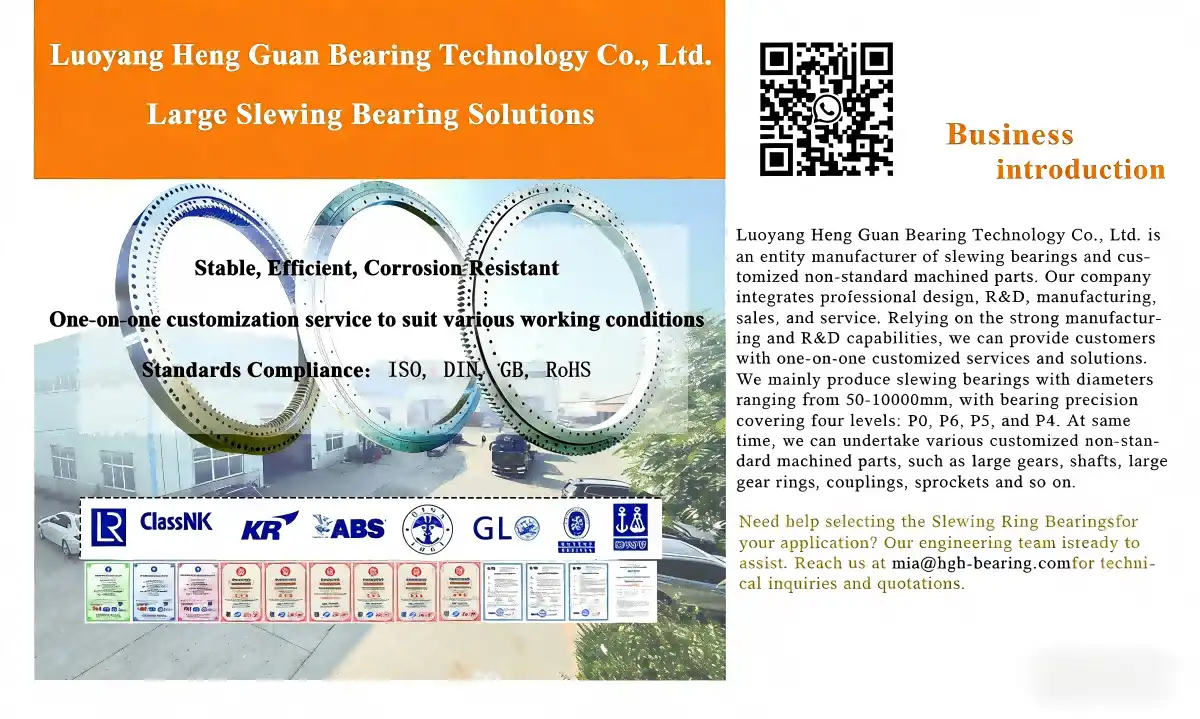
We can make Excavator Slewing Bearings with inner diameters ranging from 500mm to 5,000mm, outer diameters ranging from 600mm to 5,500mm, and heights ranging from 100mm to 500mm. This wide range of sizes includes small miners that weigh only a few tons and very large mining machines that weigh more than 500 tons when fully loaded. We keep precision grades like P0, P6, P5, and P4 in stock so that we can meet the needs of a wide range of applications, from normal building equipment to specialized aircraft ground support machinery that needs to be able to hold tighter tolerances.
Customization services are available for non-standard needs when off-the-shelf options don't work with certain operational factors. Over fifty experienced engineers work on our research and development team. They offer professional advice, product design, and custom improvement for each application. We often get requests for bearings that are too big for normal catalogs, gear specs that need to be changed, special sealing configurations for harsh environments, and material upgrades for corrosive conditions. When you need to replace old parts but don't have the original paperwork, we can help by measuring and reverse-engineering the parts to make accurate models.
Identifying Wear Signs & Common Problems
Critical Diagnostic Indicators
By spotting early warning signs, you can avoid major failures that leave equipment stuck and production stopped. As part of regular inspections, maintenance teams should include thorough bearing checks to find problems early on before they get worse.
Abnormal noise patterns give you instant feedback about the state of the Excavator Slewing Bearings. Grinding, clicking, or sporadic scraping sounds mean that the moving parts are dirty, not well-oiled, or broken. A constant clicking sound that gets louder as the swing speed goes up could mean that the fixing surfaces aren't lined up or are wearing unevenly. During normal use, workers should be aware of any changes to the machine's usual sound profile compared to when the bearings were brand new.
Root Causes of Premature Failure
Understanding how failures happen lets you take preventative steps that make Excavator Slewing Bearings last longer and help you decide when to replace them.
When loads are greater than the design capacity, they damage the raceways and warp the rolling elements more quickly. Using excavators for tasks that are too heavy for them to handle, working with buckets that are too full, or doing things that weren't meant to be done, like impact breaking, puts too much force on the bearings, which breaks them. These huge loads make depressions in the track surface called brinelling, which causes vibrations and wear and tear over time.
When there isn't enough lube, abrasive bits get into the machine and work like grinding compound between the precision surfaces. The protected film between metal parts can be broken by dirty grease, not relubricating often enough, or dirty grease guns. When water gets in through broken seals, it creates acidic conditions that attack the steel that is bearing. This is especially true in coastal or marine settings where salt speeds up the breakdown.
Maintenance Tips to Prolong Bearing Life
Systematic Inspection and Lubrication Protocols
To get the best return on investment, you need to do regular repairs that take care of the Excavator Slewing Bearing needs before they become damaged. Setting up regular plans that work with your working conditions will keep your tools reliable.
The number of inspections should match the harshness of the surroundings and the level of activity. Comprehensive monthly checks that check rotational smoothness, sound quality, and structural stability are good for standard building uses. Assessments should be done every two weeks or even every week in harsh environments like demolition sites with a lot of dust, sea settings with salt spray, or mining activities with abrasive minerals. Recording what was found during inspections creates baseline data that shows patterns of slow decline, which helps with making decisions about preventative maintenance.
Installation Best Practices and Load Management
How well a new Excavator Slewing Bearing works and how long it lasts in service are directly related to how it was installed. Paying close attention to details when replacing a bearing will pay off for a long time.
Before you can mount something, you have to clean the upper frame and lower carriage contact areas very carefully to get rid of any rust, old paint, and other dirt. These surfaces need to be flat and smooth so that the bolt circle can make good contact all the way around. Before putting in expensive new parts, we suggest that vital areas be inspected with magnetic particles to find cracks. Apply a thin, even layer of anti-seize powder to the mounting surfaces, but don't go into the bolt holes. This will make it easier to take the parts apart later and stop rust from bonding.
Early Intervention Through Monitoring
By using condition tracking, you can do preventative maintenance that fixes problems as they arise before they become major problems.
Using infrared thermography or touch thermometers to keep an eye on the temperature can find hot spots that mean the Excavator Slewing Bearings are damaged, the grease isn't good enough, or the bearings aren't lined up right. Using thermal imaging during operation shows how the temperature is distributed around the bearing's edge. Even temperatures mean that everything is working right, while focused heat means that there are problems that need to be looked into. Set temperature baselines for normal operations so that you can spot heat signs that aren't normal.
Replacement Guide: When & How to Replace Excavator Slew Ring Bearings
Determining Replacement Timing and Financial Impact
Figuring out the exact time to change Excavator Slewing Bearings is important for both safety and cost-effectiveness. Replacing things too soon loses useful life, and waiting too long increases the chance of catastrophic failure and damage to other things.
Some signs that it's time to replace something are raceway spalling that can be seen under a microscope, rotational resistance that needs a lot of swing motor current, gaps that are too big as measured with dial indicators, and strange sounds that won't go away even after fresh greasing. When the gear tooth wears down to 30% of its original thickness, the swing drive can't do its job. If a dye penetrant check finds cracked rings, they need to be replaced right away, no matter what else is going on with the part.
Step-by-Step Instructions for Installation
To change Excavator Slewing Bearings correctly, you need to follow a set of steps, use the right tools, and pay close attention to the specs that make sure the bearings fit and work well.
Getting the right bearing that fits your excavator model perfectly in terms of gear design, bolt patterns, and dimensions is the first step in getting ready. Before you start taking apart the part, make sure the new part is the right size by comparing it to the manufacturer's plans or to existing bearings. Put together the tools you'll need, such as accurate torque wrenches, hydraulic jacks to support the upper structure, measuring tools, the right sockets and wrenches, bearing pullers (if you need them), and cleaning supplies.
OEM Versus Aftermarket Bearing Selection
When choosing between original equipment maker (OEM) parts and great aftermarket options, you have to look at more than just the initial purchase price.
OEM bearings promise that the dimensions, material requirements, and design features will be the same as the original installation. This ensures alignment, gets rid of fitting worries, and keeps the value of the equipment when it comes time to sell it. However, higher prices and longer wait times are cons, especially for older tools or cases where replacement is needed right away.
Making Informed Procurement Decisions
Material Composition and Design Things to Think About
The effectiveness and life of an Excavator Slewing Bearing are directly related to the choice of material and the way the structure is designed to meet the needs of the application.
Choice of base material strikes a mix between strength, toughness, and ease of machining. We use 42CrMo alloy steel because it can be hardened more easily and is better at resisting impact in high-stress situations. On the other hand, 50Mn alloy steel is great for standard-duty equipment because it wears well and has high cycle strength. Both materials are heated in a controlled way that makes the body tough and allows the top to harden. When you put these two things together, you get bearings that don't crack from pressure loads and have hard, wear-resistant contact surfaces.
Looking at what suppliers can do and making sure quality
Choosing the right supplier is what determines whether buying adds value or causes trouble. A thorough review across many factors shows you which partners are worth your business.
The manufacturing skills of a supplier show whether they can regularly make parts that meet your needs. Our plant is in Luoyang, which is known as China's bearing manufacturing center. It has high-tech CNC vertical machining centers, CNC cooling equipment, forming machines, and precision grinding systems that make it possible to make a lot of things with very tight tolerances. This set of tools can be used to make Excavator Slewing Bearings with sizes ranging from 50 mm to 10,000 mm and for all standard structural types and precision grades P0, P6, P5, and P4.
Conclusion
To be good at choosing, maintaining, and replacing Excavator Slewing Bearings, you need to know how bearing types, working conditions, and upkeep methods all work together. Identifying wear indicators lets you act quickly, which stops catastrophic breakdowns and keeps servicing costs low. Proper lubrication, regular checking, and careful fitting all have a direct effect on how long parts last and how reliable the equipment is. Long-term value goes beyond the original purchase price. It is based on purchasing decisions that balance material quality, source skills, and cost. The technical information and useful tips in this guide can help procurement managers, maintenance supervisors, and equipment engineers improve the performance of bearings, make them last longer, and keep heavy equipment running smoothly.
FAQ
How often should the swing joints on a digger be checked?
The working conditions and job cycle intensity have the most impact on how often inspections are done. Standard building uses profit from full checks every month that look at rotational smoothness, sound issues, and visible condition. Harsh places like mines, demolition sites, or marine uses need to be checked every two weeks because pollution and wear happen more quickly there. Equipment that is used a lot and works multiple jobs every day needs more attention than tools that are only used sometimes. By taking baseline readings during the first checks, it is possible to look for patterns that can help find problems before they become catastrophic. Write down everything you find so you have past records to back up your data-driven maintenance choices.
What are the risks of using aftermarket bearings instead of OEM ones?
When the right specs are checked, quality aftermarket Excavator Slewing Bearings from reputable makers don't pose much of a risk. The correctness of the measurements, the make-up of the material, and the heat treatment must meet or beat the original standards. Risks mostly come from sellers who don't meet standards, like those who make parts with bad materials, bad hardening, or measurement errors that make them hard to fit. To reduce the risk, it is better to buy from well-known bearing experts with documented quality systems, provable certifications, and a track record than from unknown sellers offering incredibly low prices. Before making a deal with a seller that doesn't have a good image, ask for material certifications, dimensional records, and customer references.
What urgent signs mean that the bearing needs to be replaced right away?
Some signs show that the Excavator Slewing Bearing conditions are too bad to keep running without the risk of catastrophic failure. Visible raceway cracks found during inspection mean the structure is weak and needs to be replaced right away, no matter what else is going on. Heavy rotating binding that stops the swing from moving smoothly is a sign of major damage inside. Too much space between the upper structure and the ground makes it less stable and unevenly distributes the load. If you hear loud grinding noises even after applying new oil, it means that the rolling element or track is breaking down faster than expected. If any of these things happen, the equipment should be taken out of service until it can be replaced. Keeping it in use could put people's safety at risk and cause damage to nearby buildings.
Partner With Heng Guan for Reliable Swing Bearing Solutions
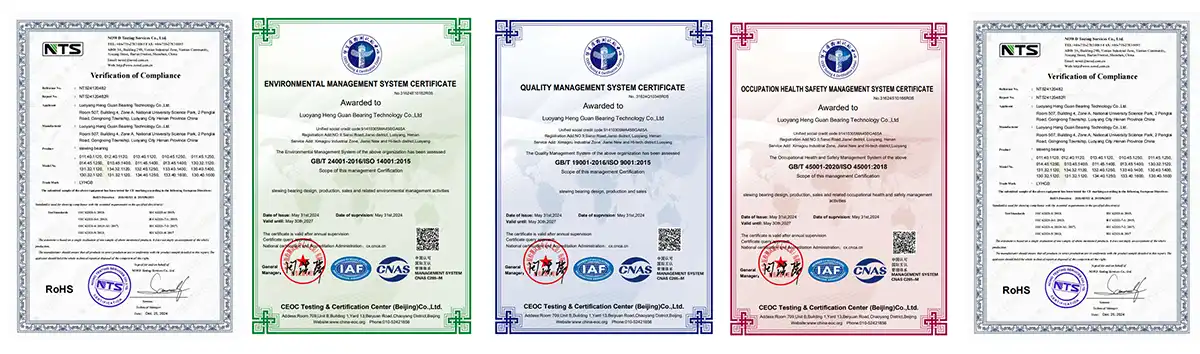
To keep excavators working efficiently, you need to work with Excavator Slewing Bearing suppliers who have a lot of knowledge and know what heavy equipment needs. Heng Guan has been making things for over 20 years in Luoyang, which is China's best place to make bearings. We can make Excavator Slewing Bearings with diameters from 500mm to 5,000mm and precision grades P0 through P4. We can do this with the help of advanced CNC machining and heat treatment facilities. We've successfully sent high-quality parts to customers in 50 countries, including a lot of businesses in North America. Our engineering team offers individual advice, custom design services, and technical support that are tailored to the needs of each application. Every bearing meets strict requirements thanks to ISO 9001 approval and strict testing methods. Our flexible partnership models can meet your needs, whether you need OEM replacements, unique setups, or expert advice. Contact our team at mia@hgb-bearing.com right away to talk about your excavator bearing needs and find out how our mix of high-quality manufacturing, low prices, and quick service can save you money over the life of your equipment.
References
1. Budynas, R.G. & Nisbett, J.K. (2020). Shigley's Mechanical Engineering Design, 11th Edition. McGraw-Hill Education, New York.
2. Harris, T.A. & Kotzalas, M.N. (2019). Essential Concepts of Bearing Technology, 5th Edition. CRC Press, Boca Raton.
3. Machinery Lubrication Magazine (2021). Best Practices for Slew Bearing Maintenance in Heavy Equipment. Noria Corporation Technical Publications.
4. SKF Group (2022). Slewing Bearings: Technical Design and Application Guide. SKF Motion Technologies AB, Gothenburg.
5. American Bearing Manufacturers Association (2023). Standards for Large Diameter Bearings: Quality and Performance Metrics. ABMA Engineering Standards, Washington, D.C.
6. Zhang, W. & Chen, Y. (2021). Failure Analysis and Life Prediction of Large Slewing Bearings in Construction Machinery. International Journal of Mechanical Engineering and Applications, Volume 9, Issue 3, pp. 78-92.

WHAT OUR CUSTOMERS SAY
Here is the customer's evaluation of us