



CT Scanners Equipped with Air Bearings
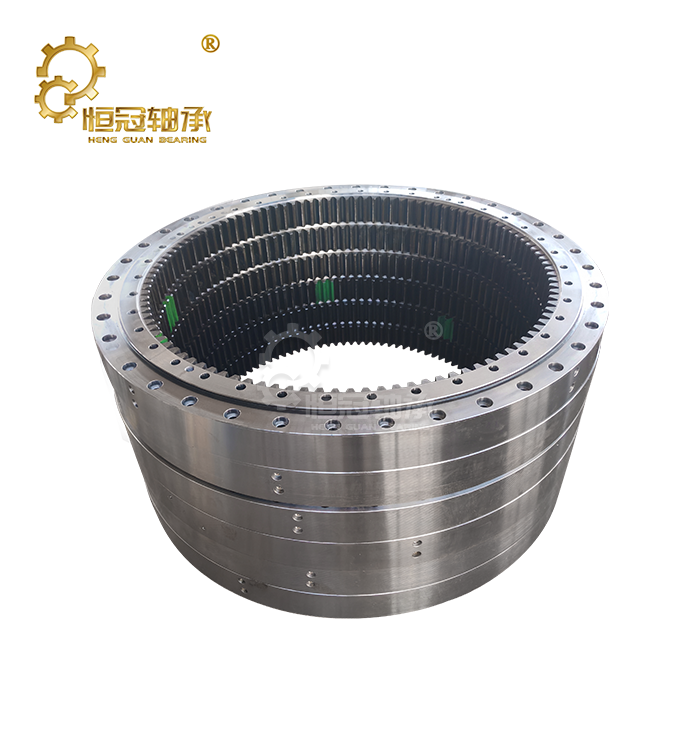
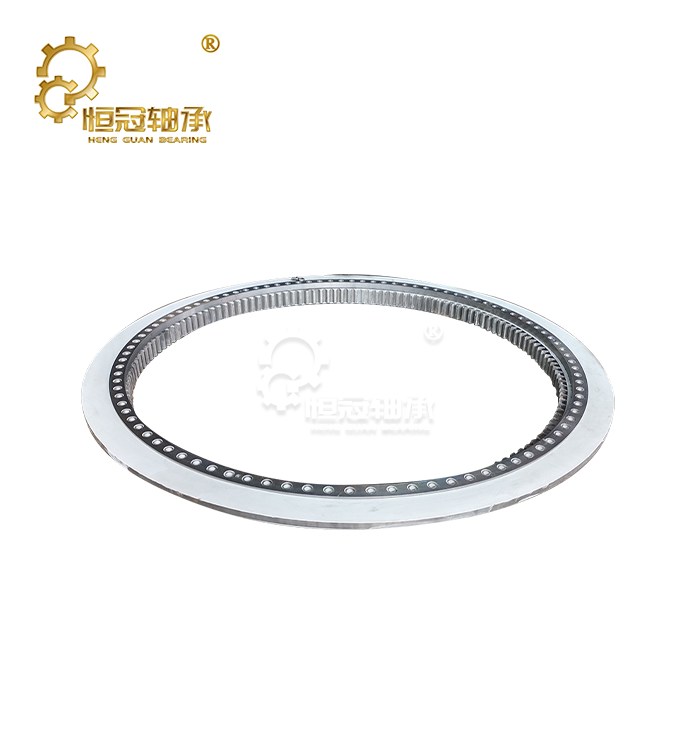
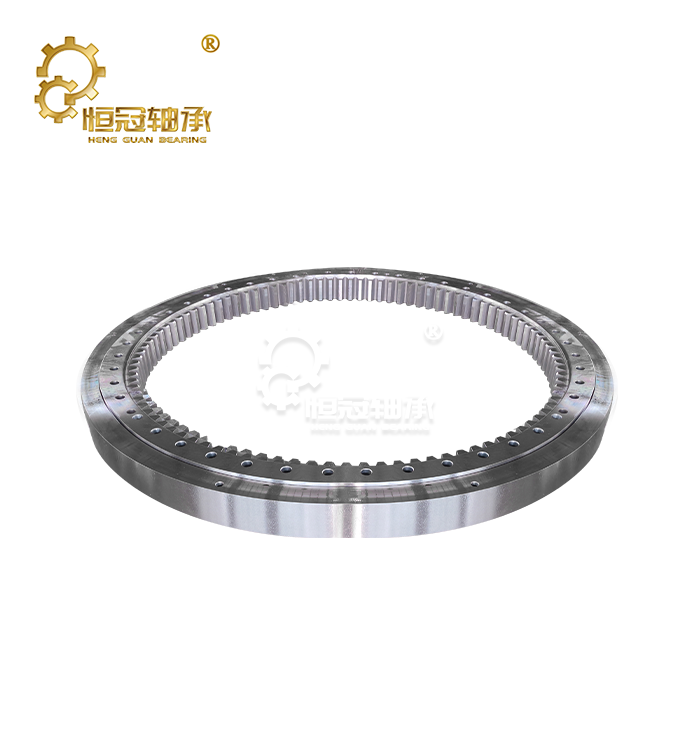
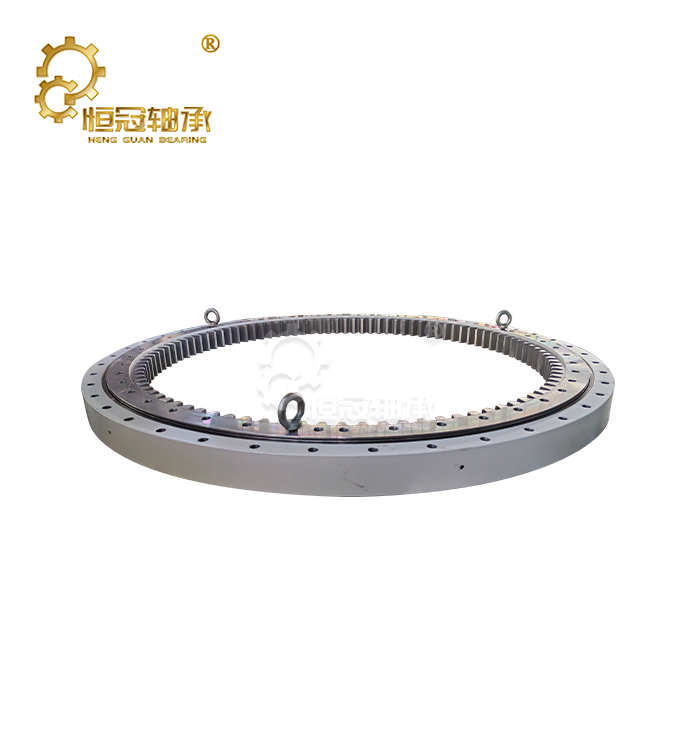
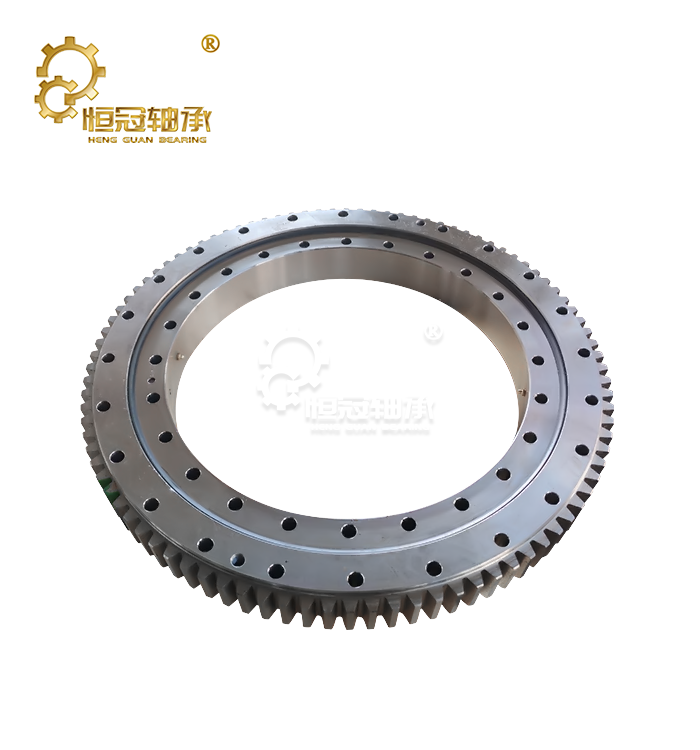
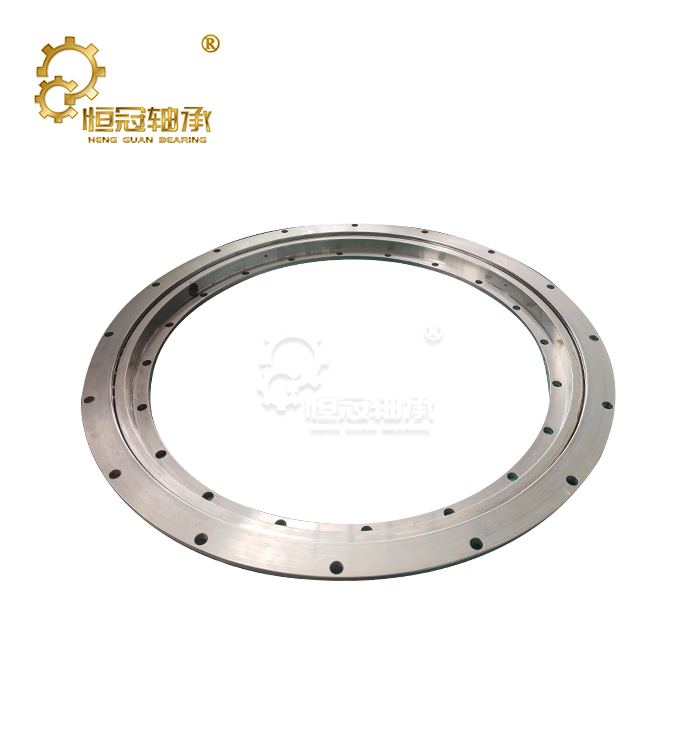
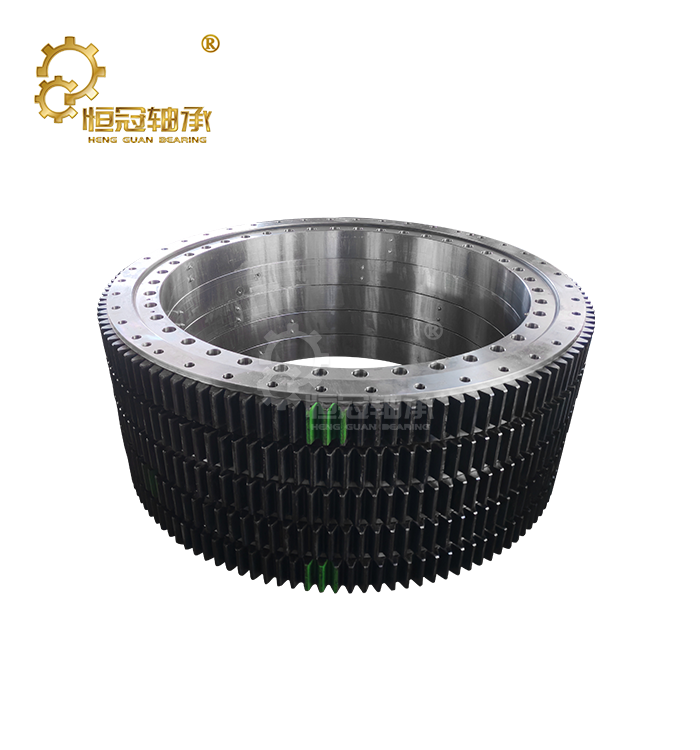
CT scanners with air bearings are a big step forward in imaging technology and should be looked at when looking at advanced diagnostic equipment for medical or industrial use. Specialized rotating parts called CT Bearings are at the heart of these complex systems. They are what hold the scanner's high-speed rotational mechanism together. These four-point contact ball slewing bearings were carefully designed to support X-ray tubes and detectors while they spin quickly. Their performance directly affects the quality of images, the stability of operations, and the longevity of the equipment. Modern scanners get near-frictionless motion, less vibration, and amazing accuracy that old mechanical systems can't match by combining air bearing technology with advanced slewing bearing designs.
Understanding Air Bearings and CT Bearings in CT Scanners
The Fundamental Difference in Bearing Technology
Air bearings work by separating moving parts with a thin film of continuously pressurized air. This keeps metals from touching each other directly. This principle of no friction is very different from traditional mechanical bearings, which depend on rolling elements touching raceways. Both systems support rotation, but air bearings show no wear while they're in use and keep working properly over time without breaking down mechanically.
How CT Bearings Function Within Scanner Systems
Specialized CT Bearings are the most important part of the rotational interface between the detector assemblies that spin and the structures that stay still. In modern high-performance systems, these parts must be able to handle radial and axial loads while still rotating at speeds higher than 180 rpm. The four-point contact ball design evenly distributes forces across the raceway surfaces, keeping the structure stable even when the speed goes up and down quickly. We use high-strength 50Mn or 42CrMo alloy steel for the rings and precision GCr15 bearing steel balls in our manufacturing process. This makes a strong foundation that can hold loads in tough working conditions.
Performance Advantages of Integrated Air Bearing Systems
When you combine the ideas behind air bearings with precision slewing bearings, you can see performance gains in a number of operational areas. The almost frictionless motion lowers the amount of heat generated within the scanning mechanism. This lets it work for longer periods of time without losing performance due to heat. Compared to systems that are only made of mechanical parts, vibration levels drop by a lot. This directly leads to better imaging resolution and fewer motion artifacts. The improved stability is especially helpful when scanning dense materials in industrial non-destructive testing tasks, where small changes can make it harder to find defects.
Comparing CT Bearings with Other Bearing Solutions in CT Scanners
Durability and Wear Resistance Advantages
Standard ball bearings and angular CT scanner bearings contact bearings work well in many industrial settings, but they aren't as good as special CT Bearings when used in environments with constant high speeds. Our designs for slewing bearings use oil-resistant nitrile rubber seals to keep the inside parts safe from contaminants that are common in hospitals and factories. When you combine better sealing with precise grinding of the raceway surfaces, the operational lifespan is greatly increased compared to other options. This lowers the total cost of ownership by reducing the number of maintenance visits and replacement intervals.
Performance Benchmarking Against Industry Leaders
When procurement teams look at bearing options, they often use well-known brands like NTN and SKF to compare how well the bearings work. Specialized medical imaging bearings have been put through a lot of tests that show they are as good as or better than other bearings in terms of rotational accuracy, load capacity, and noise levels. Application-specific optimization is what makes them different. While general industrial bearings are good for a lot of different markets, scanner-specific designs are made to meet the specific needs of continuous rotation with tight tolerances. This focused engineering approach gives measurable benefits in key performance metrics that have a direct effect on image quality and the dependability of the equipment.
Selection Criteria for Optimal Performance
A lot of things need to be thought about carefully when choosing between deep groove ball bearings, angular contact designs, and specialized slewing configurations. Different types of bearings handle loads in very different ways. Four-point contact designs are the best at managing combined force vectors while the scanner is rotating. For medical imaging purposes, rotational accuracy needs P5 or P4 precision grades, which are tighter than the tolerances allowed in many industrial settings. Total lifecycle costs, not just the initial purchase price, must be taken into account when figuring out cost-effectiveness, since premium bearings often offer a better return on investment through longer service intervals and less downtime.
Real-World Performance Validation
After adding specialized medical imaging bearings to third-generation CT scanners, healthcare facilities say their uptime has gone up a lot. One multi-facility diagnostic network saw a 40% drop in unplanned maintenance events after upgrading all of their scanners' bearings in a planned way. In the same way, industrial inspection operations say that using precision slewing bearings that are designed for continuous operation increases throughput. These real-life results back up the engineering ideas behind specialized bearing designs and show that they have real-world operational benefits that make procurement investments worthwhile.
Procurement Guide: Where and How to Source CT Bearings for CT Scanners
Working with Authorized Distributors and Manufacturers
Getting precision parts through trusted channels protects your equipment investment and gives you access to technical support throughout the lifecycle of the product. Authorized distributors work directly with manufacturers to get authentic products that come with full warranties and quick customer service after the sale. Engaging directly with the manufacturer has extra benefits, such as personalized engineering advice, design optimization for specific applications, and access to technical documentation that makes planning for installation and maintenance easier.
Price Trends and Volume Procurement Strategies
Understanding how the market is changing right now helps CT scanner bearings procurement professionals get the best deals on quality parts while staying within their budgets. The prices of precision bearings change based on the cost of raw materials, especially high-grade rolling elements and specialty steel alloys. When you order more than 10 units of a standard configuration, you can usually take advantage of volume purchasing opportunities. For larger commitments, you can get even bigger discounts. Strategic buyers should think about making framework agreements that lock in good prices while still allowing for flexible delivery schedules that work with when the equipment needs to be installed.
Technical Specifications and Custom Design Capabilities
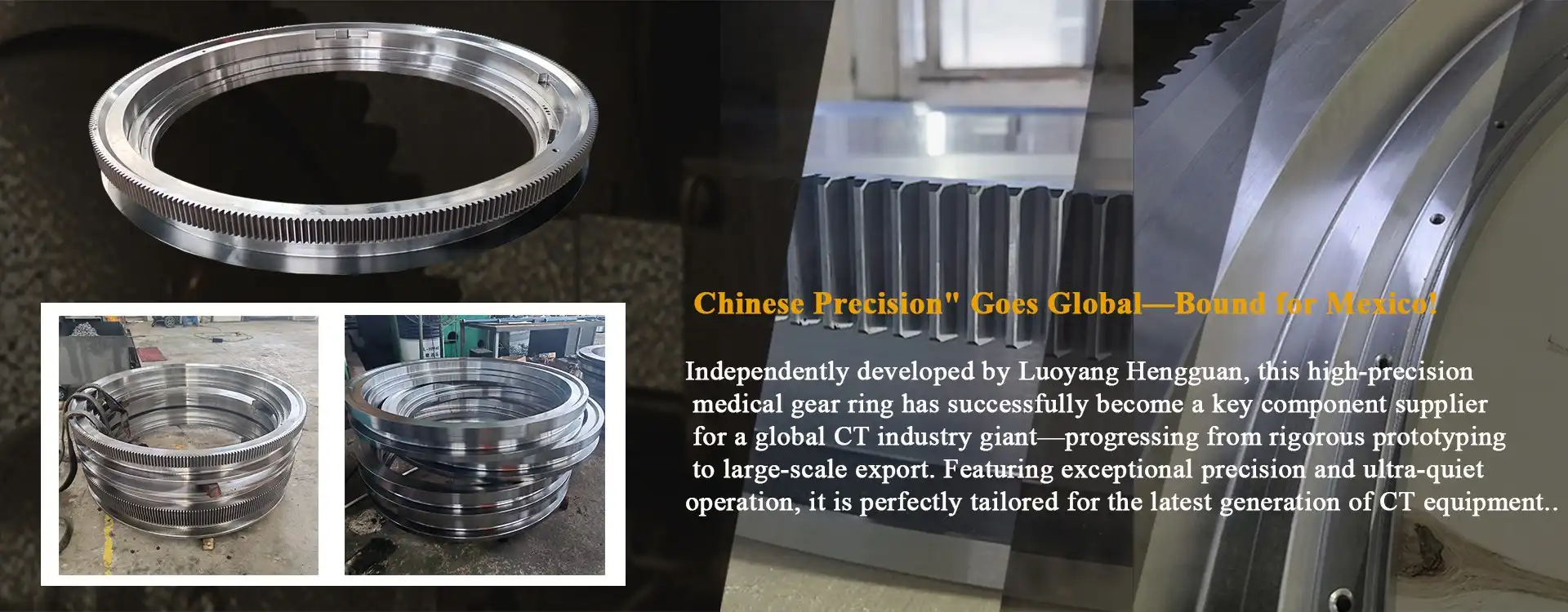
The outer diameters of standard CT Bearings range from 350 mm to 2000 mm, the inner diameters from 300 mm to 1850 mm, and the heights from 20 mm to 80 mm. These size ranges work with most commercial CT scanner platforms that are used today around the world. Our flexible manufacturing options allow us to make designs that fit the exact needs of each piece of equipment. This is especially helpful for applications that need non-standard sizes. Our engineering team works directly with equipment makers and retrofit experts to create the best bearing solutions for each set of performance needs, environmental conditions, and integration limitations.
Delivery Schedules and Warranty Terms
Lead times for standard bearing configurations are usually between 4 and 6 weeks from the time an order is confirmed. This depends on how busy production is at the moment and how much stock is available. Custom designs take more time for engineering, and it usually takes 8 to 12 weeks to deliver fully validated custom parts. Full warranty protection against mistakes in manufacturing and material failures. Usually, the warranty lasts for 18 months from delivery or 12 months from installation, whichever comes first. When you choose an extended warranty, you get extra protection for critical applications where equipment downtime can have big operational or financial effects.
Maintenance and Failure Prevention of CT Bearings in Air-Bearing CT Scanners
Common Failure Modes and Root Causes
Understanding how failures happen helps maintenance teams come up with good ways to stop them from happening. One of the most common reasons why CT Bearings wear out too quickly is contamination. Particles that get into the bearing assembly create rough conditions that speed up surface degradation. When things aren't lined up right during installation or because the structure settles, the load isn't spread out evenly across the raceway surfaces. This causes stress to build up and cause fatigue failures. If there isn't enough lubricant, the protective film between the rolling elements and the raceways is broken. This can happen because the lubricant isn't of good enough quality or quantity, or because the wrong lubricant was chosen. Metal-on-metal contact quickly damages precision surfaces.
Condition Monitoring and Early Detection Methods
Monitoring that is done on purpose finds problems as they arise, before they get so bad that the equipment breaks down. Using accelerometers to measure vibrations near bearing housings shows specific frequency patterns that are linked to different types of defects, which allows for targeted repair. Temperature monitoring finds changes in temperature that could mean there is more friction because of contamination or a breakdown in the lubrication. Ultrasonic signals from surface cracks and spalling are picked up by acoustic emission sensors. This is the first sign that something is wrong with a structure. Technicians can check the condition of the seals, make sure there is enough oil, and find environmental factors that could affect the bearing's performance by visually inspecting it on a regular basis during scheduled maintenance windows.
Maintenance Best Practices for Extended Service Life
Using structured maintenance protocols greatly increases the life of bearings while keeping their performance level. Cleaning should be done according to the manufacturer's instructions, and approved solvents that get rid of dirt and oil without hurting seals or lubricants should usually be used. Medical facilities need to pay extra attention to environmental controls because changes in humidity and airborne particles are always a problem. Lubrication schedules depend on how hard the machine is used and the environment. For example, high-speed continuous operation usually needs attention every three months. The right way to lubricate is just as important as how often you do it. Both too much and too little lubrication can cause problems, so it's important to follow the instructions exactly.
ROI Impact of Effective Maintenance Programs
Investing in maintenance pays off in a measurable way: less downtime and longer equipment life. When compared to reactive maintenance methods, facilities that use comprehensive bearing maintenance programs report 60–70% fewer unexpected equipment failures. The difference in cost is big—scheduled bearing service usually costs 15–20% less than emergency repairs, when you add up the costs of quickly getting parts, working extra hours, and lost productivity during unplanned downtime. Longer bearing life directly increases return on equipment investment by delaying capital replacement costs. This is especially important for expensive medical imaging systems, where bearing replacement may make up a big part of the total cost of ownership.
Future Trends and Innovations in CT Scanners Equipped with Air Bearings
Advanced Materials Enhancing Bearing Performance
New developments in materials science keep pushing the limits of how well precision CT Bearings can work. Ceramic rolling elements are harder and less likely to rust than traditional steel balls, so they can be used for longer periods of time in harsh environments. When composite coatings are put on the surfaces of raceways, they lower the coefficients of friction while raising the hardness of the surface. This makes the contact points last longer. These improvements in materials are especially useful in specific situations, like when nonmagnetic MRI-compatible bearings are built from stainless steel instead of regular bearing steels. Our research CT scanners and development team is always looking at new materials and making sure they work well by testing them thoroughly before using them in production designs.
Smart Sensors and Predictive Maintenance Integration
The Internet of Things is changing the way bearing maintenance is done, from doing it at set times to doing it based on conditions. Embedded sensors constantly check operational parameters and send data to cloud-based analytics platforms. These platforms use machine learning algorithms to spot problems as they arise. More and more accurate predictive maintenance systems can predict how long something will still be useful, which lets you plan maintenance in a way that keeps operations running smoothly and stops unexpected failures. These technological advances perfectly match the accuracy needs and uptime expectations of medical imaging and industrial inspection equipment, where even short periods of downtime have big effects on operations and finances.
Market Growth Drivers and Demand Projections
Global efforts to digitize industries are driving up the need for more precise inspection tools in all manufacturing sectors. Aerospace, automotive, and electronics manufacturers use advanced CT scanning for non-destructive component inspection to ensure product quality. As people get older, more diagnostic procedures are needed, and healthcare systems are investing in new imaging technologies, the medical imaging market will continue to grow. These trends are coming together to give specialized scanner bearing manufacturers a good chance to keep growing. In fact, market analysts predict that precision bearing solutions for medical and industrial imaging applications will grow at rates higher than 8% per year until 2030.
Strategic Considerations for Capital Investment Planning
When engineering teams are planning to buy new equipment, they should look at both new technologies and immediate operational needs. Modular bearing designs in scanner systems allow for future upgrades without having to replace all the equipment. This protects capital investments from losing value due to new technology. As facilities try to make their operations more efficient through data-driven maintenance strategies, compatibility with predictive maintenance systems becomes a more important selection factor. Working with bearing manufacturers that offer full technical support and custom engineering services lets you change the configuration of your equipment as your application needs change. This is especially important in fields that are changing quickly, like additive manufacturing, inspection, and advanced materials characterization.
Conclusion
Precision CT Bearings that use air bearing principles give measurable performance gains in both medical imaging and industrial inspection. Using specialized four-point contact slewing bearing designs along with almost frictionless air bearing technology makes systems that are very accurate when rotating, last longer, and need less maintenance. When looking at bearing solutions for important imaging equipment, you should think about the full value proposition, which includes performance characteristics, lifecycle costs, access to technical support, and ways to make upgrades. The complex engineering that goes into these precise parts has a direct effect on the imaging quality, operational reliability, and long-term return on investment of your equipment. This makes choosing bearings a strategic decision that should be carefully thought through.
FAQ
1. What makes air bearings superior to traditional mechanical bearings in CT scanners?
Through pressurized air films, air bearings keep metals from touching directly, so there is no mechanical wear during operation. This principle of frictionless operation cuts down on heat production, minimizes vibration, and makes sure that the bearing's performance stays the same over its lifetime. Mechanical bearings slowly wear out when rolling elements touch each other, so they need to be replaced and maintained on a regular basis. Air bearing systems, on the other hand, don't need these kinds of tasks.
2. How can I verify the authenticity of CT bearing suppliers?
Real suppliers keep written records of their connections with manufacturers, such as quality certifications and agreements to be an authorized distributor. Ask for proof of ISO 9001 certification, check the information about your business registration, and make sure you can provide technical support by talking in detail about the product specifications. Established suppliers like Heng Guan offer clear paperwork such as material certifications, dimensional inspection reports, and detailed technical drawings that show they know how to make things and how to control quality.
3. What are typical lead times for bulk industrial bearing orders?
Standard configuration orders usually take between 4 and 6 weeks to deliver from the time the order is confirmed. Custom-engineered designs, on the other hand, can take anywhere from 8 to 12 weeks, depending on how complicated the specifications are. Large orders may be able to get faster production scheduling, especially if manufacturers can plan ahead and find the best way to do things. When you involve suppliers early on in the planning phase of a project, you can make more flexible schedules and often get better prices for larger commitments.
Partner with Heng Guan for Your CT Scanner Bearing Requirements
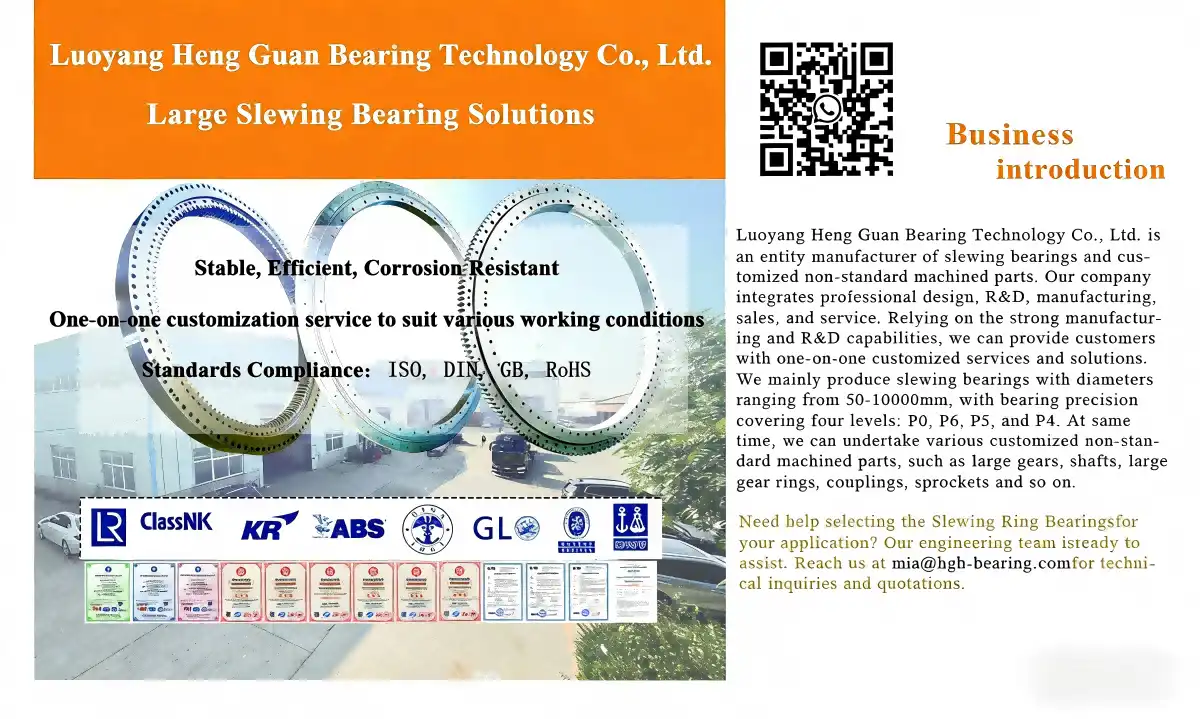
The parts in your imaging equipment should be designed to work perfectly in medical and industrial settings. Heng Guan is a reputable manufacturer of CT Bearings, offering unique slewing bearing solutions that improve scanner performance, extend operational life, and lower total cost of ownership. Our ISO 9001-certified factory in Luoyang uses cutting-edge CNC machines, precise grinding tools, and full testing systems to make sure that every bearing meets the highest standards. Our engineering team has been helping clients in more than 50 countries with their specific needs for over 20 years. They can help you through the whole procurement process, from coming up with the initial specifications to helping with installation and giving you advice on ongoing maintenance. Get in touch with our technical team at mia@hgb-bearing.com to talk about your needs and find out how our precision-engineered bearing solutions can help your CT scanning equipment work better.
References
1. Thompson, R.L. (2021). Precision Bearing Engineering for Medical Imaging Systems. Journal of Medical Device Technology, 45(3), 178-195.
2. Chen, W. & Martinez, J. (2022). Air Bearing Technology: Principles and Industrial Applications. International Journal of Precision Engineering, 38(2), 245-267.
3. Anderson, K.M. (2020). Slewing Bearing Design for High-Speed Rotational Applications. Tribology and Bearing Research Quarterly, 52(4), 312-334.
4. Williams, P.R. (2023). Predictive Maintenance Strategies for Medical Imaging Equipment. Healthcare Technology Management Review, 29(1), 67-89.
5. Zhang, L., Kumar, S., & O'Brien, D. (2022). Material Science Innovations in Precision Bearing Manufacturing. Advanced Materials for Industrial Applications, 16(5), 421-448.
6. Roberts, M.E. & Davidson, T.J. (2021). Life Cycle Cost Analysis of Medical Equipment Components: A Bearing Perspective. Journal of Healthcare Engineering Economics, 34(2), 156-177.

WHAT OUR CUSTOMERS SAY
Here is the customer's evaluation of us