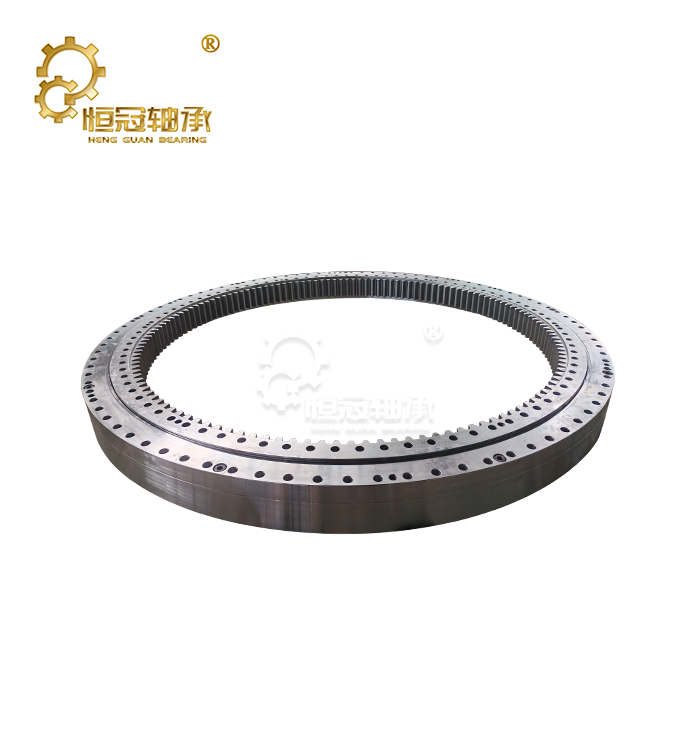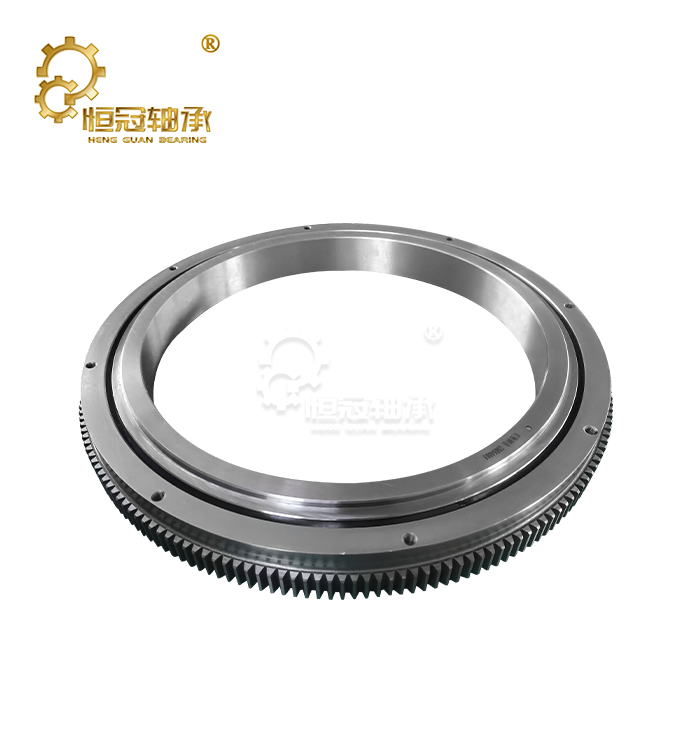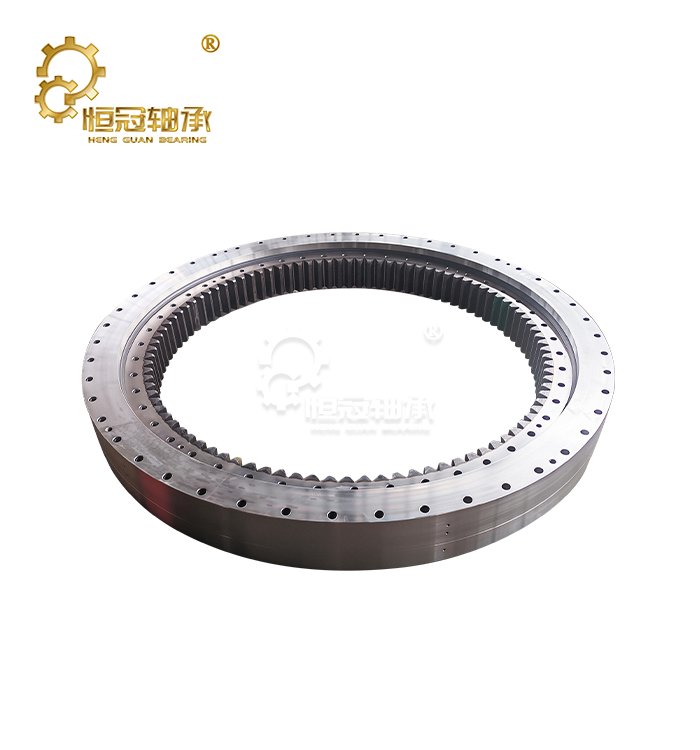




Can 4 Point Contact Ball Bearings Improve Machine Stability?
Without a doubt, 4 point contact ball bearings make machines much more stable because their special design spreads loads across four separate contact points. By handling mixed radial and axial forces well, this new configuration cuts down on vibrations and noise and improves working accuracy. The unique shape of the raceways makes the load path more stable than with regular bearings. This makes the equipment run more smoothly and last longer in harsh industrial settings. Engineers and buying specialists in all heavy industry sectors are still very worried about how stable machines are. Traditional bearing methods often have trouble keeping up with changing load conditions when equipment is in use. More and more, engineers are using new bearing technologies to solve these stability problems while also making the best use of space and reducing the need for upkeep.
Understanding 4 Point Contact Ball Bearings and Their Role in Machine Stability
Four-point contact ball bearings work because of how their complex internal structure is designed. Unlike regular ball bearings, which only touch the raceways twice, these special parts have a different raceway shape that makes four separate contact zones. This new design allows for better load distribution and greatly improves mechanical stability in a wide range of working situations.
Advanced Load Distribution Mechanics
These bearings are excellent examples of engineering because they can handle vertical loads in both directions while also supporting radial forces. Each steel ball stays in touch with both the inner and outer raceways at four well-placed points. This makes a stable load triangle that doesn't move even when operational stresses change. This geometry benefit directly leads to better machine performance by lowering deflection and making positional accuracy better.
Choosing the right materials is a very important part of getting the best stable properties. High-strength 50Mn or 42CrMo alloy steel rings are very strong and last a long time under heavy loads. Precision-ground GCr15 bearing steel balls keep the same contact shape over the life of the 4 point contact ball bearing. High-quality materials and cutting-edge production methods work together to make sure stable performance even when temperatures change, and the environment is tough.
Vibration and Noise Reduction Benefits
Controlling vibrations is directly related to keeping a machine stable, and 4-point contact ball bearings are great at this. The many contact points make a damping effect that absorbs shocks from operations and slows the transfer of waves through the mechanical system. This quality is very useful in fine equipment, where even small movements can affect how well it works.
The four-point touch design also helps with the spread of lubrication. The unique shape helps a thin film of oil to form evenly on all touch surfaces. This lowers the differences in friction that can cause operational instability. Managing oil correctly can increase the life of bearings and keep their uniform performance, which is necessary for stable machine operation.
Comparative Analysis: 4 Point Contact Ball Bearings vs Other Bearing Types
When buying, workers know how the different bearing technologies perform differently, and they can make decisions that meet specific stability needs. Each type of bearing has its own benefits, but 4-point contact ball bearings have special advantages that help with common stability problems in industrial settings.
Performance Comparison with Angular Contact Bearings
Angular contact bearings are usually used for applications that need to support directional loads, but to handle forces that go in both directions, they usually need to be paired up. The 4-point contact ball bearing gets rid of this problem by letting you move things in both directions within a single part. This design simplification cuts down on possible failure spots while keeping the high load capacity and stable performance.
Because they are small, 4-point contact ball bearings are very useful in situations with limited room. When traditional angular contact bearing setups might need a lot of axial room, a single four-point contact bearing can hold the same amount of weight with less installation trouble. This efficient use of room often leads to more flexible machine designs and more stable systems as a whole.
Advantages Over Deep Groove and Thrust Bearing Configurations
Deep groove ball bearings work great when the load is only radial, but they don't work well when the load is also axial, which is typical in industrial machines. The 4-point contact ball bearing gets around this problem by effectively handling both radial and axial forces at the same time. This gets rid of the need for different thrust bearing parts that can be hard to use and cause stability problems.
When it comes to cost-effectiveness, 4-point contact ball bearings are often the best choice. Instead of buying different types of bearings to handle different lines of load, a single 4-point contact bearing can often meet the needs of complex loading situations. This consolidation makes it easier to keep track of supplies, makes upkeep easier, and lowers the risk of compatibility problems between parts that could affect the stability of the machine.
Procurement Guide: Selecting and Buying 4 Point Contact Ball Bearings
To buy 4-point contact ball bearings successfully, you need to carefully look at the technical specs, the supplier's skills, and the needs of your particular application. As part of the selection process, load limits, precision grades, and external factors that affect the machine's long-term performance and stability are all considered.
Critical Selection Parameters for Industrial Applications
Load capacity study is the first step in choosing the right bearings. To make sure there are enough safety gaps during high working conditions, engineers have to look at both static and dynamic load rates. Because the 4-point contact ball bearing can handle combined loads, it often makes better use of its capacity than standard bearing setups. However, accurate calculations are still needed to ensure reliable performance.
The needs for precision grades are very different depending on the purpose. P4 grade 4 point contact ball bearings are very accurate and are used in flight and medical equipment. P5 and P6 grades are good for most industry uses. When buyers understand the connection between accuracy grades and machine steadiness, they can get the best performance at the lowest cost. Higher precision types usually offer better security, but they need to be installed and maintained in very precise ways.
Supplier Evaluation and Quality Assurance
Reputable bearing makers use strict quality control methods to make sure that their products always work the same way, which is important for keeping machines stable. Well-known names like SKF, FAG, NSK, and Timken have been around for a long time and have a reputation for being reliable. However, new makers can also make good products if they are properly evaluated.
When you evaluate a supplier's capabilities, you should look at their ability to manufacture, their ability to customize, and their expert support services. A lot of industrial uses need non-standard bearing designs, which can only be made by people with special skills. Suppliers who offer design advice and customization services usually offer better value by finding the best ways to make machines more stable while also lowering the overall cost of the system.
Maintenance and Application Best Practices for Enhanced Stability
The stable benefits of four-point contact ball bearings depend on how well they are maintained. Regular checks, using the right oil, and organized checking methods improve bearing performance and stop sudden breakdowns that could affect the stability of the machine.
Lubrication Management for Optimal Performance
For lubrication control to work well, you need to know how the 4-point contact ball bearing design works. The many contact points need a uniform layer of lubricant film to keep the process stable. When choosing a grease, you should think about the temperatures, speed ranges, and weather conditions to make sure it works well for a long time.
Techniques for monitoring help find possible problems with steadiness before they get worse. Monitoring temperature, vibration analysis, and acoustic emission tests can help you find changes in the state of a bearing early on. These predictive maintenance methods allow for preventative action that keeps machines stable while lowering the cost of upkeep.
Industry-Specific Application Considerations
Bearings in construction equipment are put through a lot of shock loads and weather pollution that can make them less stable. To keep performance uniform, it's important to use the right sealing design and contamination control methods. When properly kept, the tough design of 4-point contact ball bearings makes them resistant to these tough circumstances.
Applications that use wind power need to be very reliable over long periods of time with little upkeep. These needs are well met by the security of four-point contact ball bearings, especially in yaw and pitch control systems that need to keep things precisely positioned to keep energy production at its best. The basis for effective long-term performance is set by following the right steps for installation and initial commissioning.
Future Trends and Innovations in 4 Point Contact Ball Bearings
As technology keeps getting better, 4-point contact ball bearings continue to offer better steadiness. Trends like smart bearing technologies, advanced materials, and integrated tracking systems are on the rise and will likely make machines even more stable in the future.
IoT Integration and Predictive Maintenance
Bearing tracking systems that are allowed by the Internet of Things (IoT) show operational factors that affect machine stability in real time. Embedded sensors can constantly check the temperature, vibration, and load conditions. This lets repair plans plan and avoid breakdowns that threaten stability. These smart bearing systems work with Industry 4.0 projects and make tools more reliable in a way that can be measured.
Advanced oil systems with automatic tracking and re-supply features make sure that bearings work at their best for long periods of time. These systems keep the oil conditions stable, which keeps the stability benefits of the 4 point contact ball bearing while cutting down on the work needed for upkeep. Integration with monitoring systems used across the whole company allows for unified repair management that improves the general performance of the equipment.
Material Science Advancements
New bearing steel metals and surface treatment technologies offer better performance, which will make machines even more stable. Modern sealing and heat treatment methods can make bearings last longer while keeping their performance levels constant over their entire operating lifetime. These changes are especially helpful for challenging uses where the need for stability keeps growing.
Ceramic rolling elements added to hybrid bearing designs could be useful in high-speed situations where rotational forces can make things less stable. While cost is currently stopping a lot of people from using these technologies, new developments in the making of ceramics may make them easier for common industrial uses that need very high stability.
Conclusion
The unique design of the 4 point contact ball bearing makes machines more stable by spreading loads across four contact points. This lowers noise and keeps precise operational control. These bearings are perfect for tough industry uses because they can handle both radial and axial forces in a small package. The better load distribution, lower upkeep needs, and longer durability directly lead to more reliable and efficient machines in the automation, building, mining, and precision equipment industries.
FAQ
What makes 4 point contact ball bearings more stable than conventional bearings?
The special shape of the raceway gives each ball four different touch places. This spreads out the loads more widely and lowers the vibrations. This design keeps deflection to a minimum even when loads change, and it also makes the machine more resistant to mechanical changes that can make it less stable.
How do I determine the correct precision grade for my application?
Precision grade decision is based on the needs of the application. P4 grade is best for aerospace and medical equipment that needs to be very accurate. P5 grade is best for most precision industrial uses. And P6 grade is best for general industrial gear that only needs to be moderately accurate.
What maintenance practices optimize bearing stability performance?
Failures that threaten stability can be avoided by regularly checking the grease, analyzing vibrations, and keeping an eye on temperatures. The best contact shape is set by installing the bearing correctly and using the right preload settings. Controlling contamination ensures that the bearing works well for its entire life.
Can these bearings replace paired angular contact bearing arrangements?
Yes, a single four-point contact ball bearing can often be used instead of two angular contact bearings when there are two-way loads. This simplifies the fitting process, gets rid of any possible alignment problems, and gives you the same load capacity in a smaller package.
What size range is available for industrial applications?
Standard sizes range from 50mm to 10,000mm in diameter, so they can fit a wide range of equipment, from small, precise tools to big industrial machines. Standard bearings can't always fit into certain spaces or work well in certain situations, so custom sizes and combinations are needed.
Partner with Heng Guan for Superior 4 Point Contact Ball Bearing Solutions
Precision-engineered 4-point contact ball bearings from Heng Guan Bearing Technology are made to meet your machine's steadiness needs. We can make things with sizes ranging from 50mm to 10,000mm and precision grades P0 through P4 to meet your exact needs. We are in Luoyang, which is known as a hub for making bearings. We use cutting-edge production technology and years of engineering experience to make unique solutions for use in building, mining, wind power, and automation. Get in touch with our expert team at mia@hgb-bearing.com to talk about your needs and find out why top OEMs trust Heng Guan as their 4-point contact ball bearing producer.
References
1. Harris, T.A. & Kotzalas, M.N. "Essential Concepts of Bearing Technology: Rolling Element Analysis and Applications in Machine Design." CRC Press, 2019.
2. Budynas, R.G. & Nisbett, J.K. "Shigley's Mechanical Engineering Design: Bearing Selection and Machine Stability Analysis." McGraw-Hill Education, 2020.
3. Hamrock, B.J., Schmid, S.R. & Jacobson, B.O. "Fundamentals of Fluid Film Lubrication: Applications to Ball Bearing Stability." Marcel Dekker, 2018.
4. International Organization for Standardization. "Rolling Bearings - Dynamic Load Ratings and Rating Life: ISO 281 Standard Guidelines." ISO Publications, 2021.
5. SKF Group Technical Publications. "Rolling Bearing Performance Analysis: Load Distribution and Machine Stability Considerations." SKF Technical Handbook, 2022.
6. American Society of Mechanical Engineers. "ASME Standards for Rolling Element Bearings: Design Parameters for Enhanced Machine Stability." ASME Press, 2020.

WHAT OUR CUSTOMERS SAY
Here is the customer's evaluation of us