




Applications of Large Diameter Slewing Bearings in Tower Cranes
Tower cranes are huge machines that Large Diameter Crane Slewing Bearing move tons of stuff hundreds of feet into the air with great accuracy and dependability. The Large Diameter Crane Slewing Bearing is the key to this amazing rotational ability. It is a unique part that allows for smooth movement in all 360 degrees while handling heavy loads and overturning moments. These bearings join the crane's fixed base to its spinning upper part. They can handle axial forces, radial loads, and tilting moments at the same time, which would be too much for most bearing systems.
Understanding Large Diameter Slewing Bearings in Tower Cranes
Tower cranes' rotating support systems require a lot of complex engineering. Unlike standard bearings in smaller machines, slewing bearings for cranes have to handle complicated load combinations while taking up as little vertical room as possible in the turntable assembly of the crane.
What Makes These Bearings Unique
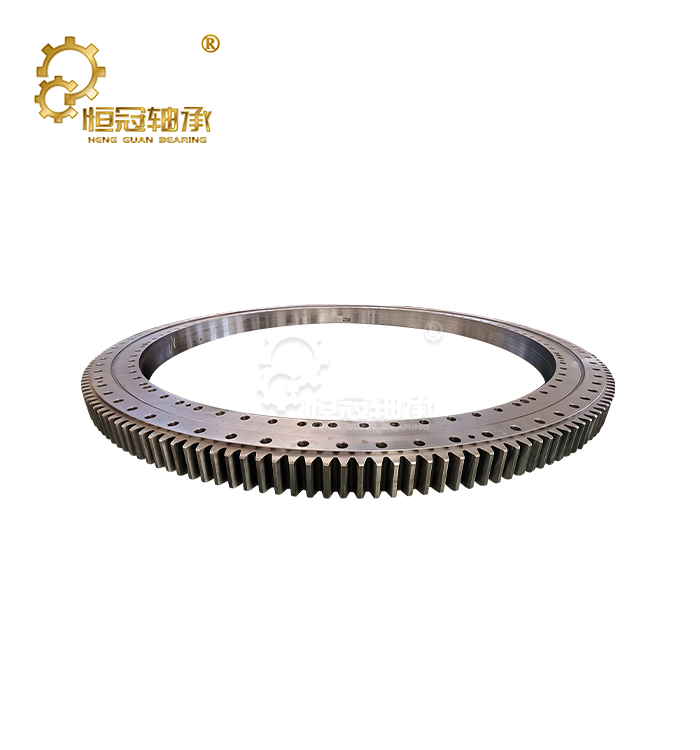
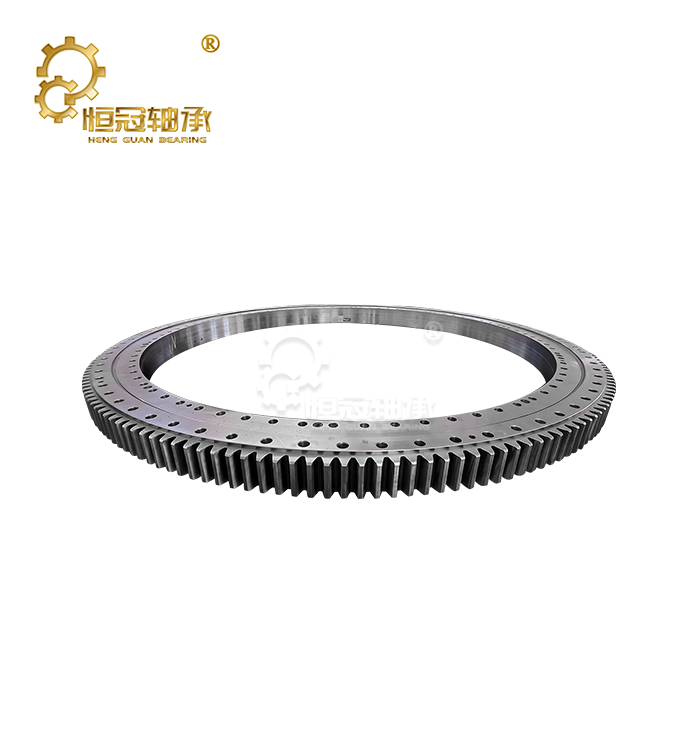
A slewing ring bearing for a tower crane is usually between 1 and 10 meters in diameter and has a gear ring built in that lets you precisely control the spin. The internal gear ring transmission design incorporates gearing into the bearing structure, making a compact option that maximizes efficiency while reducing the amount of room needed for installation. This unified method gets rid of the need for different gearing processes, which makes the system simpler and less likely to break. The bearing is made up of inner and outer rings made of 42CrMo and 50Mn special alloy steel, which were chosen because they have high tensile strength and wear resistance. Rolling parts, like balls or rollers, move loads across precisely cut raceways between these rings. Modern sealing systems keep these important areas clean, which extends their useful life even in harsh building sites where dust, wetness, and changes in temperature can shorten the life of parts.
Load Transfer Principles in Heavy Lifting
When a tower crane lifts a load that weighs many tons, forces work in more than one way at the same time. The slewing bearing has to deal with the load's downward axial force, the off-center positioning's radial shear, and the tilted moment caused by the boom extending outward. This range of loads acting in different directions needs a special raceway shape and rolling element setups that can't be made with regular bearings. Smooth power transfer and even load spread across the whole bearing surface are made possible by the combined gear system. This design feature is very important when using a crane, because the load changes quickly and there are dynamic forces all day long.
Structural Configurations for Tower Crane Applications
Different types of tower cranes and their weight capacities require different types of bearings, with the Large Diameter Crane Slewing Bearing playing a crucial role in ensuring stability and rotation. One-row four-point contact ball bearings are compact and suitable for lighter-duty tower cranes where installation space is limited. The split inner or outer ring design of these bearings makes installation and maintenance easier. Cross-roller designs provide higher rigidity and load capacity within a relatively small space, making them ideal for medium-capacity applications. The perpendicular arrangement of cylindrical rollers enhances resistance to tilting moments, which become increasingly significant as boom length and load capacity grow. For heavy-duty tower cranes, three-row roller bearings are the preferred choice. This design separates axial and radial loads into different raceways, with each row of rollers optimized for its specific load direction. Due to their robust structure and large axial and rotational dimensions, these bearings can withstand the extreme forces encountered in large-scale construction projects, where cranes often lift loads exceeding 20 tons to heights of over 200 meters.
Key Applications and Benefits of Large Diameter Slewing Bearings in Tower Cranes
Quality slewing bearings have a direct effect on the time it takes to finish a building job, the number of accidents, and the cost of maintaining the equipment. When procurement managers know about these perks, they can make choices that large diameter slewing bearing factory maximize long-term value.
Load Capacity and Structural Stability
These days, tower cranes often move loads that would have been unthinkable a few decades ago. In a normal city construction job, 15-ton steel beams might have to be lifted to the 40th floor of a tall building. The crane's slewing bearing has to support both this vertical load and the huge overturning moment that is formed when the boom is 50 meters away from the tower's axis. Think about a real-life example from a big infrastructure project. Tower cranes with three-row roller slewing bearings kept working smoothly even though they were carrying more than 800 kilonewton-meters of swaying moment. The over-3-meter-wide, large-diameter bearing design spreads these forces out over hundreds of roller contact points, stopping stress buildups that could cause the bearing to fail early. This ability to handle loads directly leads to project efficiency. When cranes have the right bearings, they can work at full capacity for the whole time they are supposed to. This means that they won't lose any productivity when they have to lower their capacity because of worn parts or worries about reliability.
Precision Rotation and Operational Efficiency
Every part of a crane works better when the movement is smooth and under control. When workers place loads within millimeters of where they need to be, safety risks go down, and projects stay on schedule. This level of accuracy is made possible by the internal gear slewing bearing design, which has regular tooth contact and low backlash. Quality bearings with lubrication systems that are kept in good shape have a constant spinning force across all 360 degrees of motion. This regular behavior helps operators build muscle memory for control inputs, which speeds up the learning process for new operators and makes experienced teams more productive. Faster cycle times are good for projects because loads move quickly from the pickup position to the placement position without stopping and moving, which can be a sign of bearing problems.
Service Life Extension Through Proper Selection
The prices of repairs and replacements have a big effect on the total cost of ownership estimates. Cranes that use bearings that are too small or not properly defined experience faster wear patterns that shorten the life of parts and increase unplanned downtime. When a tower crane's bearings break, they usually have to be replaced over several days. During this time, the whole building project may have to stop, which costs thousands of dollars per hour in direct and indirect costs. At a large diameter slewing bearing factory, large diameter slewing bearings manufactured from premium alloy steel and subjected to advanced heat treatment processes deliver exceptional wear resistance. When used in demanding building situations, properly stated bearings can last up to 20 years, while cheaper options only last 5 to 7 years. Because they are made of high-quality steel, the raceways are strengthened and won't bend or wear down even after a lot of heavy-duty rounds. The need for maintenance also goes down when you choose high-quality bearings. High-performance sealing systems keep dirt and oil away from important areas and keep the oil where it's needed. This security lowers the number of inspections and lubrication intervals, which lowers both the direct costs of upkeep and the potential costs of having to take equipment out of service for routine tasks.
Performance Comparisons With Alternative Designs
Some companies that make tools try to cut costs by using a lot of smaller bearings or changing the way bearings that were made for other uses work. These methods regularly don't work as well as Large Diameter Crane Slewing Bearing units that are specifically designed for the job. It's not possible for smaller bearings to distribute loads evenly enough for safe crane operation, which leads to uneven wear patterns and shorter service lives. The compact turntable design is made possible by the integrated gear structure within the Large Diameter Crane Slewing Bearing, allowing it to maintain full functionality while saving significant space—an advantage that is especially important on urban construction sites where crane placement must account for limited space and setback requirements from nearby buildings.
Selecting the Right Large Diameter Slewing Bearing for Tower Cranes
Successful bearing specification requires balancing multiple technical factors against project requirements and budget constraints. Making smart choices during procurement saves both the short-term needs of the project and the long-term value of the tools.
Critical Selection Criteria
The most important specification element is the load ability. When engineers figure out the highest estimated lift capacity, they also have to take into account dynamic load factors, wind loads, and operational shock loads that happen when the lift speeds up and slows down quickly. To make sure the bearing works reliably for its whole life, safety gaps usually add 20 to 30 percent more capacity than the maximum loads that were estimated. The environment has a big effect on how well and how long bearings last. Coastal building sites are subject to air that is high in salt, which speeds up corrosion even when coatings are used to protect them. In deserts, tiny dust particles get into sealing systems and lubrication and make them less effective. The conditions in the Arctic are hard on seal materials, large diameter slewing bearing factory, and the density of lubricants. By choosing the right seal design, material specs, and surface treatment choices, you can make sure that these environmental factors are taken into account when choosing a bearing. The performance qualities of a material are directly related to its makeup. Premium bearings are made of 42CrMo alloy steel, which has a tensile strength of up to 1100 MPa and great qualities for resistance to impact and wear. The 50Mn material is better at resisting wear in situations where it will be rotated a lot. When procurement teams know about these material qualities, they can better match bearing requirements to the needs of an application.
Heavy-Duty Versus Standard Bearing Designs
Standard bearing designs that work well for most industrial uses don't always meet the needs of tower cranes. Heavy-duty designs have bigger moving element diameters, bigger raceways, and stronger structural parts that can handle the different types of loads that come up in lifting work. During long processes, the differences in speed become very clear. Standard bearings may meet initial capacity requirements, but experience accelerated wear rates under the constant cycling typical of construction sites. In three to five years, wear and tear can be seen in the form of higher spinning resistance, strange noises, and obvious damage to the raceways. The higher starting cost of heavy-duty bearings is justified by their better total cost of ownership, since they keep performing the same way throughout their design life.
Supplier Qualification and Support Services
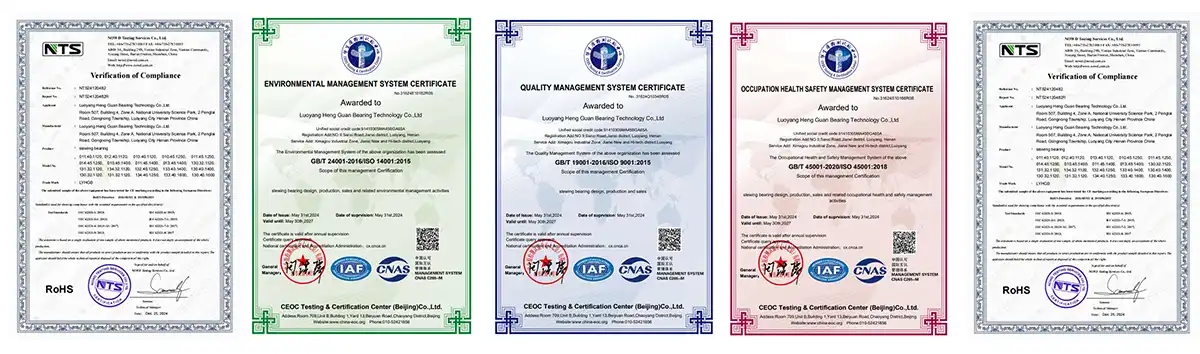
It turns out that picking the right bearing provider is just as important as picking the right product specs. Reputable makers keep quality management systems that are ISO 9001-certified. This makes sure that the manufacturing process is always the same and that the products are reliable. RoHS compliance shows a dedication to being environmentally friendly and following the rules, which are important factors for global projects and clients who care about the environment. The ability to manufacture has a big effect on the quality of the product. High-tech CNC cutting centers can hold very close limits that are needed for smooth operation and long life. Precision cutting of tooth profiles by gear hobbing tools makes sure that the load is spread out evenly during spinning. Grinding tools make surfaces for raceways that are less likely to rub against each other and wear down quickly. Professional suppliers are different from commodity vendors in more ways than just the quality of their products. They also offer full expert help. Engineering consulting services help buying teams make tough design choices, making sure that the bearings they choose meet the needs of the application. After-sales support includes installation help, training on upkeep, and troubleshooting that makes the most of the equipment's efficiency and return on investment.
Customization and Procurement Considerations
Standard bearing designs work well for many uses, but sometimes unique crane setups need special solutions. You can change the mounting hole shapes, gear specs, seal arrangements, and materials to fit your needs. Manufacturers that offer customization services usually have minimum order numbers that range from one unit for a trial to dozens of units for production equipment. Lead times depend on the size of the bearing, how complicated the design is, and how much customization is needed. Standard configurations in popular sizes may ship in 4 to 6 weeks, but custom-engineered solutions can take 12 to 16 weeks from the time the order is placed until they are delivered. Planning your purchases around these dates keeps your project on track and lets you work with the plans for making or fixing up cranes. Payment terms and shipping plans affect how much money a project makes and how reliably it delivers. Established providers usually offer a range of payment options, such as letters of credit, staged payments based on manufacturing goals, and terms that last between 30 and 60 days for approved customers. To make sure that bearings arrive on time for installation, international packages need to be carefully coordinated with customs paperwork, freight transfer, and delivery schedules.
Conclusion
Large diameter slewing bearings, especially the Large Diameter Crane Slewing Bearing, are the base parts that make it possible for tower cranes to work reliably on building sites around the world. If you choose the right one, taking into account the load needs, the surroundings, and quality standards, it will work perfectly for a long time. Systematic repair programs that include regular checks, the right way to lubricate, and quick problem-solving keep these purchases safe and make sure that the equipment is always available. As the market changes, it offers more complex solutions that use cutting-edge materials, smart tracking tools, and a wide range of support services. Procurement workers who make smart choices by weighing short-term needs against long-term value set their companies up for success by getting reliable equipment that works well, keeping costs low, and giving them a competitive edge.
FAQ
1. How Often Should Tower Crane Slewing Bearings Be Inspected?
During busy activities, seals, fasteners, and the outside of the machine should be inspected visually once a week. It is suggested that technical checks using vibration analysis and thorough reports be done every three months or every 500 hours of operation. Comprehensive inspections by trained experts once a year make sure that problems are found early, before they affect operations or safety.
2. What Factors Most Significantly Affect Bearing Service Life?
The most important factor is how well you handle loads; operating within the rated capacity greatly extends life compared to frequently overloading. Protecting the environment with good covers and stopping rust is almost as important, especially in harsh circumstances. The quality of the lubrication and regular maintenance are the last two important factors. Using the right methods can often double the projected service life compared to not using them at all.
3. Can Bearings Be Customized for Specific Tower Crane Models?
You can customize the mounting hole shapes, gear specs, seal arrangements, and material choices to fit your individual needs. Manufacturers usually can make custom designs, and the smallest order they'll take is a single unit for a trial. Lead times are longer than for normal goods, but they allow for the best performance matches for specific tools.
Partner With Heng Guan for Premium Tower Crane Bearing Solutions
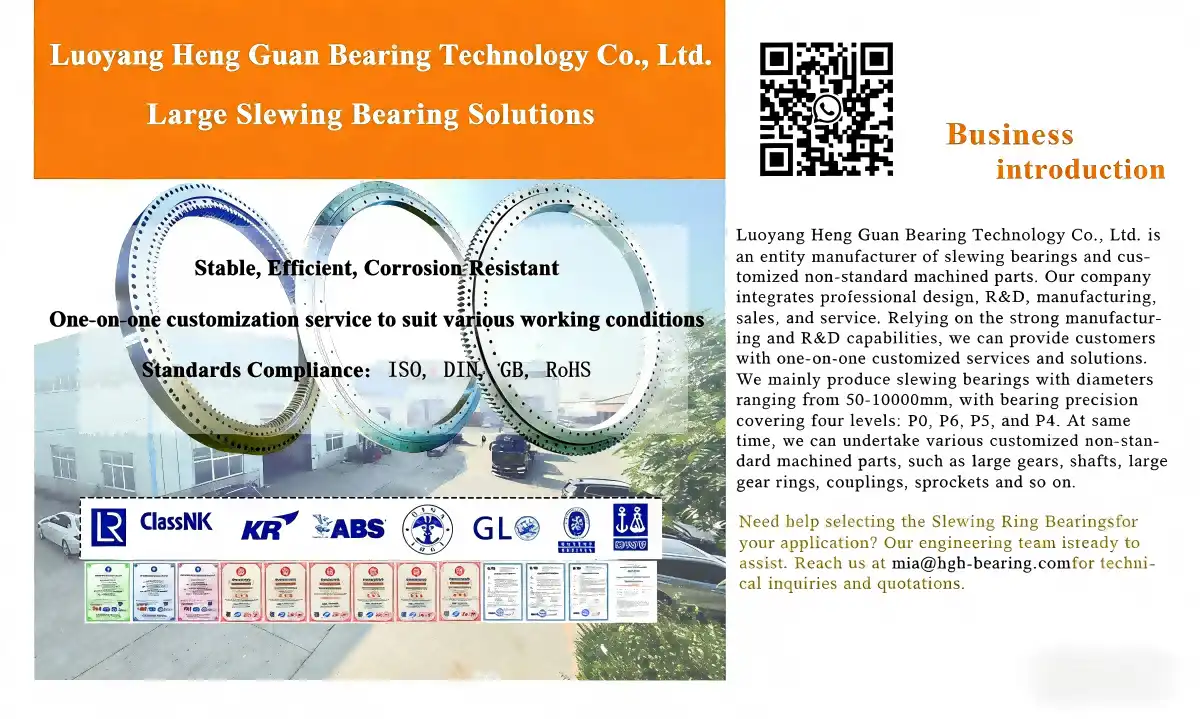
The reliability of your tools and the success of your project will depend on which slewing bearing maker you choose for the life of your crane. Heng Guan Bearing Technology has been designing and making accurate bearings for heavy-duty lifting uses for more than twenty years. Our Luoyang factory is ISO 9001-certified and uses cutting-edge CNC machining and quality control methods to make sure that every Large Diameter Crane Slewing Bearing meets strict requirements for size accuracy, material properties, and performance. We make bearings with diameters from 50 mm to 10,000 mm in single-row four-point contact ball, cross-roller, and three-row roller designs. These are made from 42CrMo and 50Mn special alloy steel, which makes them very durable. Our engineering team will help you choose the best bearing specs for your tower crane based on its needs, the area in which it will be used, and your performance goals. We are an experienced Large Diameter Crane Slewing Bearing seller with customers in North America, Europe, and Asia. We offer flexible buying, low prices, and full support after the sale. Get in touch with our team at mia@hgb-bearing.com to talk about your project needs and get full technical specs and quotes for bearings that are built to last for decades of tough use.
References
1. Wozniak, D., & Chen, G. (2019). "Load Distribution Analysis in Large Diameter Slewing Bearings for Heavy Lifting Equipment." Journal of Mechanical Engineering Science, 233(12), 4387-4402.
2. American Society of Mechanical Engineers. (2021). "Design Guidelines for Slewing Bearings in Construction Machinery." ASME Technical Standards Publication, B106.1M-2021.
3. Xu, H., Zhang, L., & Wang, T. (2020). "Material Selection and Heat Treatment Optimization for High-Performance Crane Slewing Bearings." Materials Science and Engineering: A, 789, 139-148.
4. International Organization for Standardization. (2018). "Rolling Bearings - Slewing Bearings: Geometrical Product Specifications and Tolerance Values." ISO Standard 12043:2018.
5. Ferguson, R. K. (2022). "Predictive Maintenance Strategies for Tower Crane Rotational Support Systems." Construction Equipment Maintenance Quarterly, 45(3), 78-94.
6. Liu, Y., Schmidt, H., & Patel, N. (2021). "Comparative Life-Cycle Cost Analysis of Slewing Bearing Technologies in Mobile Crane Applications." International Journal of Heavy Vehicle Systems, 28(4), 512-531.

WHAT OUR CUSTOMERS SAY
Here is the customer's evaluation of us
YOU MAY LIKE
 VIEW MOREDouble Row Ball Slewing Bearing
 VIEW MOREStacker-Reclaimer Slewing Bearing
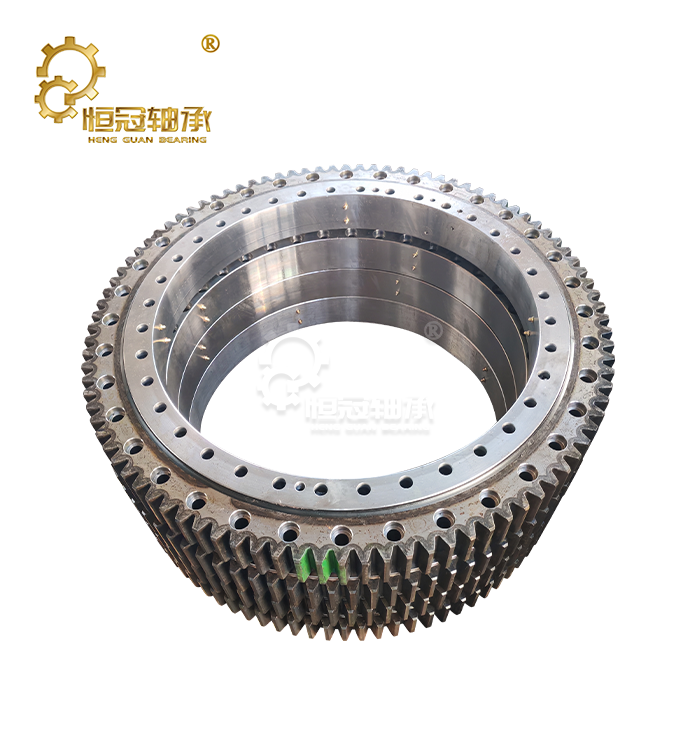 VIEW MORESlewing Ring Bearing With External Gear
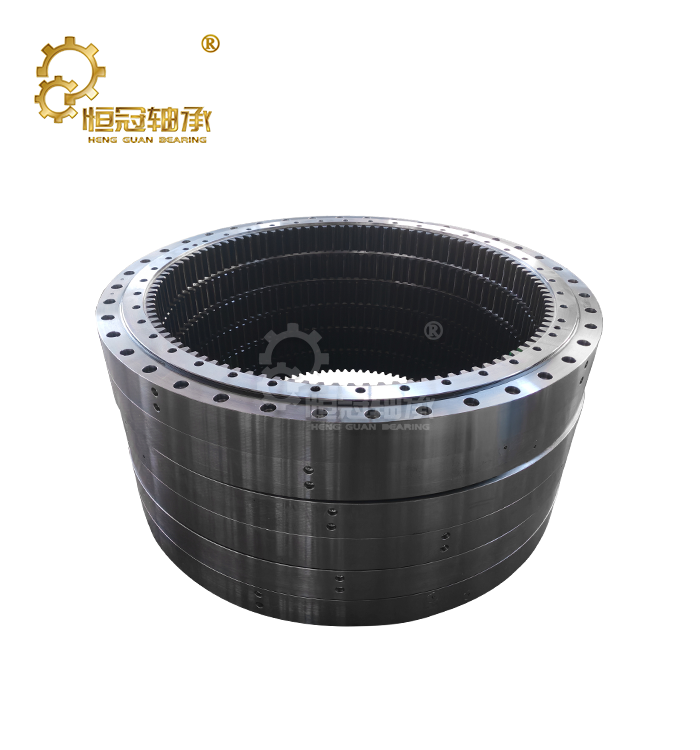 VIEW MOREPortal Crane Slewing Bearing
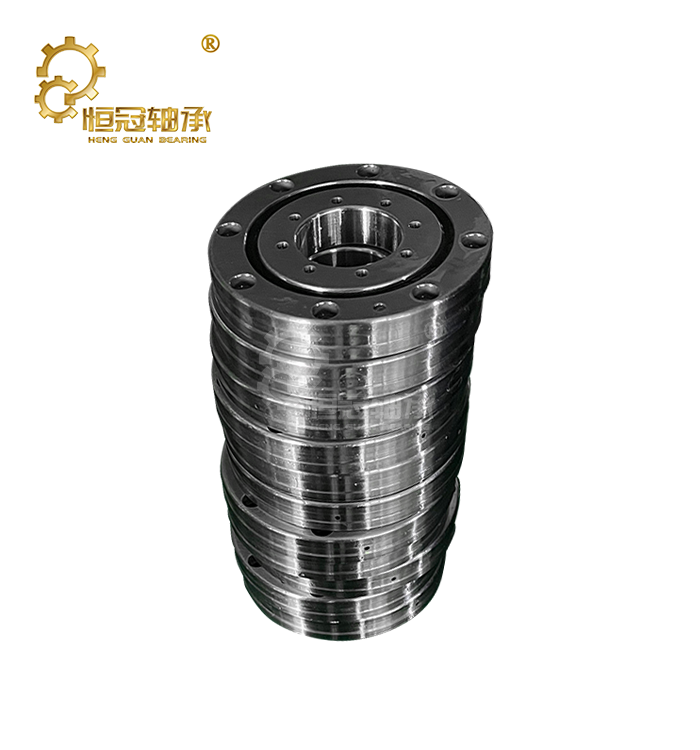 VIEW MOREPrecision Crossed Roller Bearings
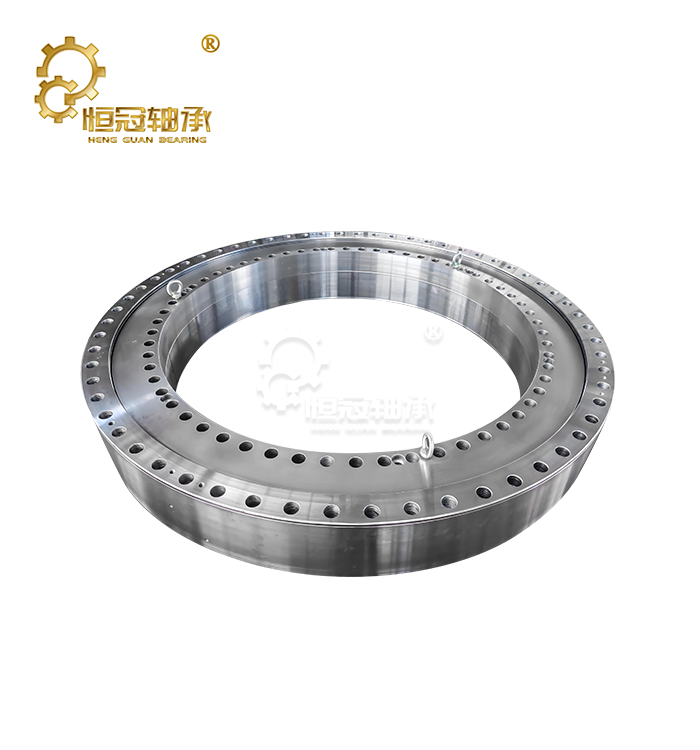 VIEW MOREConveying System Slewing Bearing
_1769754972666.webp) VIEW MOREWelding Positioners Slewing Bearing
VIEW MOREWelding Positioners Slewing Bearing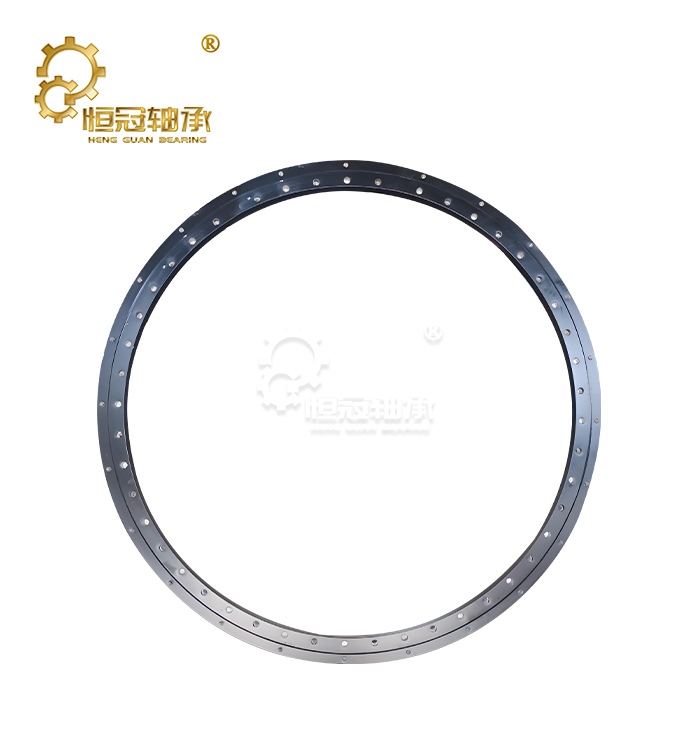 VIEW MOREBridge Scraper Slewing Bearing