




What Is an AC100 Crane Slewing Bearing Used For?
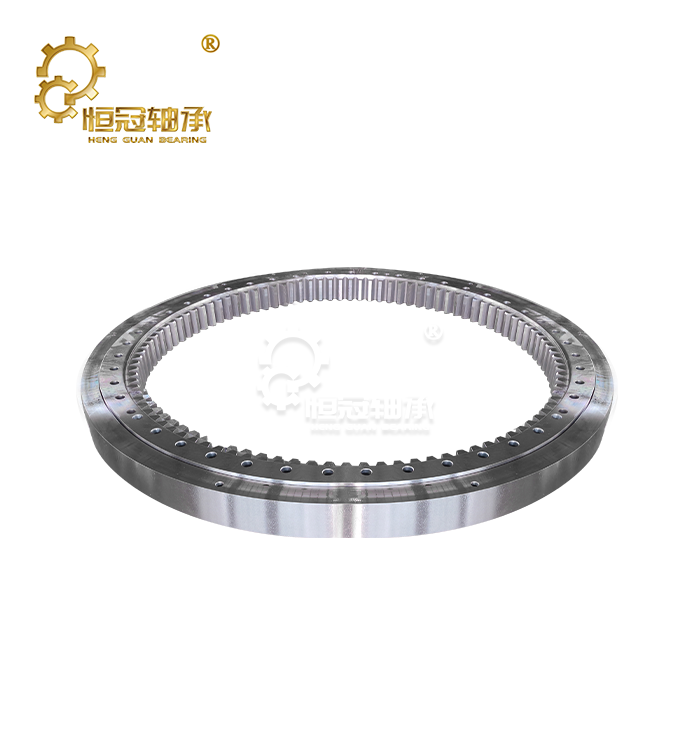
For mobile cranes that require stable rotation and reliable load support, the AC100 Crane Slewing Bearing is a key mechanical component that connects the bottom chassis to the higher spinning structure. It permits the smooth rotation of the crane superstructure while handling complicated loads such as axial forces, radial loads and overturning moments generated during lifting operations.
The AC100 is a medium- to heavy-duty mobile crane slewing bearing. It is utilised mainly in construction, mining, port handling and industrial installation projects where frequent rotation and high load capacity are required. Its rugged design, multi-row roller configuration and high-strength alloy steel construction help increase operating stability and decrease maintenance needs under strenuous working circumstances.
Different from general bearings for light machinery, crane slewing bearings have to bear the constant impact load, vibration and the change of the load direction. To ensure the safety of the crane and prolong its service life, the right bearing design, installation way and maintenance plan must be selected.

What Role Does an AC100 Crane Slewing Bearing Play in Crane Operations?
The AC100 crane slewing bearing is mainly used to create a steady rotation link between the crane base and the upper part of the crane. The bearing transmits various sorts of forces during lifting operations and allows the boom and cabin assembly to spin as required by activities.
A mobile crane is subject to not just vertical lifting forces. When the boom extends, moves, or carries uneven loads, the slewing bearing must also endure side stresses and overturning moments. The AC100 design distributes these forces more uniformly through its internal roller structure, minimizing stress concentrations on specific components.
In practical applications, the bearing directly affects the following:
Smoothness of rotation of the crane;
Distribution of loads between the crane structures;
Reliability of slewing system in the long run; maintenance intervals and expenses.
AC100 slewing bearings are the right choice for crane operators for better and safer lifting operations.
How Is the AC100 Crane Slewing Bearing Designed for Heavy Loads?
Three-Row Roller Structure for Better Load Distribution
One of the main features of the AC100 Crane Slewing Bearing is its three-row roller. Compared with single-row ball slewing bearings, a three-row roller design provides numerous contact sites for carrying different load directions.
The structure usually divides load functions:
One row of rollers takes care of axial loads principally;
A further roller row takes up axial stresses in both opposite directions.
The third roller row absorbs radial forces.
This configuration permits the bearing to accommodate combined loading situations, which often occur during operation of the crane. The bearing can better disperse forces and provide stable rotation while a crane is lifting big equipment or working on uneven ground.
High-Strength Materials for Long-Term Operation
The selection of materials directly affects the performance of the slewing bearing. The AC100 crane slewing bearings are normally made from high-strength alloy steels such as 42CrMo and other materials with good mechanical strength and fatigue strength.
The bearing rings should have good hardness due to the repeating loading cycles in the whole operation. The rolling elements are usually made from special bearing steels, which have exceptional hardness and dimensional stability.
Furthermore, the technology of raceway surface treatment enhances wear resistance in areas of constant roller contact. Proper heat treatment serves to maintain the surface hardness while retaining the internal toughness required for heavily demanding applications.
Precision Manufacturing and Inspection Requirements
Crane slewing bearings are a safety-related component, and so manufacturing accuracy is of paramount importance. Professional producers generally control:
Accuracy of raceway machining;
Precision of gear teeth; dimensions of mounting holes;
Surface hardness. General size tolerance.
Crane manufacturers and replacement applications rely on inspection processes such as hardness tests, dimensional checks, and material identification to help guarantee the AC100 Crane Slewing Bearing is suitable.
Where Are AC100 Crane Slewing Bearings Commonly Used?
Construction and Infrastructure Projects
Cranes are a familiar sight at construction sites, as they raise steel structures, concrete parts, and heavy mechanical equipment. In these situations, cranes often rotate with huge loads, which puts high demands on the slewing mechanism.
The AC100 design is ideal for applications where cranes need the following:
High load capacity;
Multiple cycles of rotation;
Reliable operation in changing weather conditions.
Infrastructure projects, such as bridges, commercial buildings, and industrial facilities, benefit from consistent slewing bearing performance, as unexpected bearing failure can lead to expensive downtime.
Mining and Heavy Industrial Applications
In the mining industry, the crane equipment is under added stress due to the dust, vibration, and continual material handling needs.
In such situations the slewing bearing must resist the following:
Abrasive contamination;
Heavy impact loading;
Long service intervals.
When equipment is used in mining locations, proper sealing, lubrication management, and regular inspection are very critical.
Ports and Material Handling Operations
Cranes are an integral part of ports and logistics facilities, used for container handling and large cargo movement. Such tasks generally need multiple slewing motions during the working day.
The AC100 crane slewing bearing can provide reliable and stable rotation performance and enable effective cargo handling operations.
What maintenance practices help extend AC100 crane slewing bearing life?
Even high-quality slewing bearings require proper maintenance to reach their intended service life. Most premature failures are caused by lack of lubrication, contamination, improper installation, or delayed examination.
Lubrication Management and Inspection
Lubrication lowers friction between the rollers and raceways and protects the inner surfaces from wear. Maintenance teams should follow the lubrication schedule according to the manufacturer's instructions based on operating conditions.
Technicians should check during inspection:
Condition of grease.
Unusual Sound When Rotating.
Changes in temperature;
Lubricants containing metal particles;
“Vibration is abnormal.
Visible metal debris or grease contamination may be indications of internal wear and should be investigated before major damage occurs.
Monitoring Axial Clearance and Structural Condition
Lubrication lowers friction between the rollers and raceways and protects the inner surfaces from wear. Maintenance teams should follow the lubrication schedule according to the manufacturer's instructions based on operating conditions.
Technicians should check during inspection:
Condition of grease.
Unusual Sound When Rotating.
Changes in temperature;
Lubricants containing metal particles;
“Vibration is abnormal.
Visible metal debris or grease contamination in the AC100 Crane Slewing Bearing may be indications of internal wear and should be investigated before major damage occurs.
How Should an AC100 Crane Slewing Bearing Be Installed Correctly?
Preparing the Crane Structure Before Installation
Correct installation is essential for achieving reliable bearing performance. Before mounting an AC100 slewing bearing, all contact surfaces should be cleaned and inspected.
Important preparation steps include:
- Removing dirt and oil from mounting surfaces;
- Checking mounting structure flatness;
- Confirming bolt hole alignment;
- Inspecting the bearing for transportation damage.
Uneven mounting surfaces can create additional stress and shorten bearing service life.
Proper Bolt Installation and Torque Control
Mounting bolts provide the necessary connection strength between the bearing and crane structure. Incorrect bolt tightening is one of the common causes of slewing bearing problems.
During installation:
- Use bolts with suitable strength grades;
- Apply the recommended tightening torque;
- Follow a correct tightening sequence;
- Record installation data for future maintenance.
Hydraulic torque tools are often used for large crane applications because they provide more accurate preload control.
Final Testing After Installation
Before returning the crane to operation, technicians should verify:
- Smooth rotation performance;
- Proper gear engagement;
- Correct clearance;
- Secure fastening conditions.
Recording initial operating data creates a useful reference for future inspections and helps identify performance changes over time.
How Should Buyers Select the Right AC100 Crane Slewing Bearing Supplier?
Choosing the right supplier is an important step for ensuring product reliability and reducing operational risks. Crane operators and equipment manufacturers should evaluate suppliers based on technical capability rather than price alone.
Manufacturing Capability and Customization Support
A reliable slewing bearing manufacturer should have experience producing large-size bearings and supporting customized requirements.
Important supplier capabilities include:
- Engineering support;
- Custom dimensional solutions;
- Material traceability;
- Quality inspection reports;
- After-sales technical assistance.
For replacement projects, suppliers should also be able to confirm compatibility with existing crane structures.
Quality Documentation and Delivery Reliability
Before purchasing an AC100 slewing bearing, buyers should request relevant technical documents, including:
- Material certificates;
- Inspection reports;
- Product drawings;
- Performance specifications.
Proper packaging and transportation management are also important because large bearings can be damaged by impact, moisture, or contamination during delivery.
Working with an experienced manufacturer helps reduce risks associated with incorrect specifications or unreliable replacement parts.
What Factors Affect the Service Life of an AC100 Crane Slewing Bearing?
The service life of an AC100 slewing bearing depends on several factors rather than the bearing design alone.
Major influencing factors include:
Operating Conditions
Heavy loads, frequent rotation, extreme temperatures, and contaminated environments can accelerate wear. Bearings used in mining or offshore applications often require more frequent inspection compared with indoor operations.
Installation Quality
Even a high-quality bearing can experience early failure if installation errors create uneven loading. Proper alignment and bolt tightening are essential for maintaining correct load distribution.
Maintenance Practices
Regular lubrication, inspection, and monitoring allow operators to identify problems early. Preventive maintenance is usually more cost-effective than emergency repairs after bearing failure.
Conclusion
The AC100 Crane Slewing Bearing is a key component for mobile cranes that require reliable rotation, high load capacity, and long-term operational stability. Its multi-row roller structure, strong alloy steel construction, and precision manufacturing make it suitable for demanding applications in construction, mining, ports, and industrial projects.
Understanding its working principles, installation requirements, maintenance methods, and supplier selection criteria helps crane owners and equipment manufacturers improve safety and reduce operating costs.
For businesses looking for replacement or customized slewing bearing solutions, working with an experienced manufacturer can provide better technical support, quality assurance, and long-term performance reliability. A properly selected and maintained AC100 slewing bearing can support efficient crane operation throughout its service life.
|
|
FAQ
1. What are the standard load capacity specifications of the AC100 crane slewing bearing?
The AC100 crane slewing bearing can handle turning moments of more than 4500 kNm and axial loads that are normal for cranes that can hold 25 to 100 tons. The three-row roller design spreads these loads across more touch points than single-row options, making it better at managing loads. For exact information, you should talk to the bearing makers because specific load ratings rely on the type of crane and how it is used.
2. How often should AC100 bearings be maintained to minimize crane downtime?
High-viscosity gear oils with extreme pressure additives need to be used to grease open gear teeth once a week or every 50 hours of operation. Every 100 hours or once a month, internal raceway systems need to be re-greased. During planned repair times, the axial clearance and grease analysis should be checked regularly so that problems can be found before they affect operations.
3. What customization possibilities exist for specific crane models and operations?
The AC100 can be changed to fit different crane setups and load needs within a size range of 50mm to 10000mm. Changes can be made to bolt hole shapes, gear tooth specs, and sealing arrangements to fit the needs of a certain setting. For customization to work, you need to work with experienced bearing makers to make sure that the engineering is correct and that the bearings perform as expected.
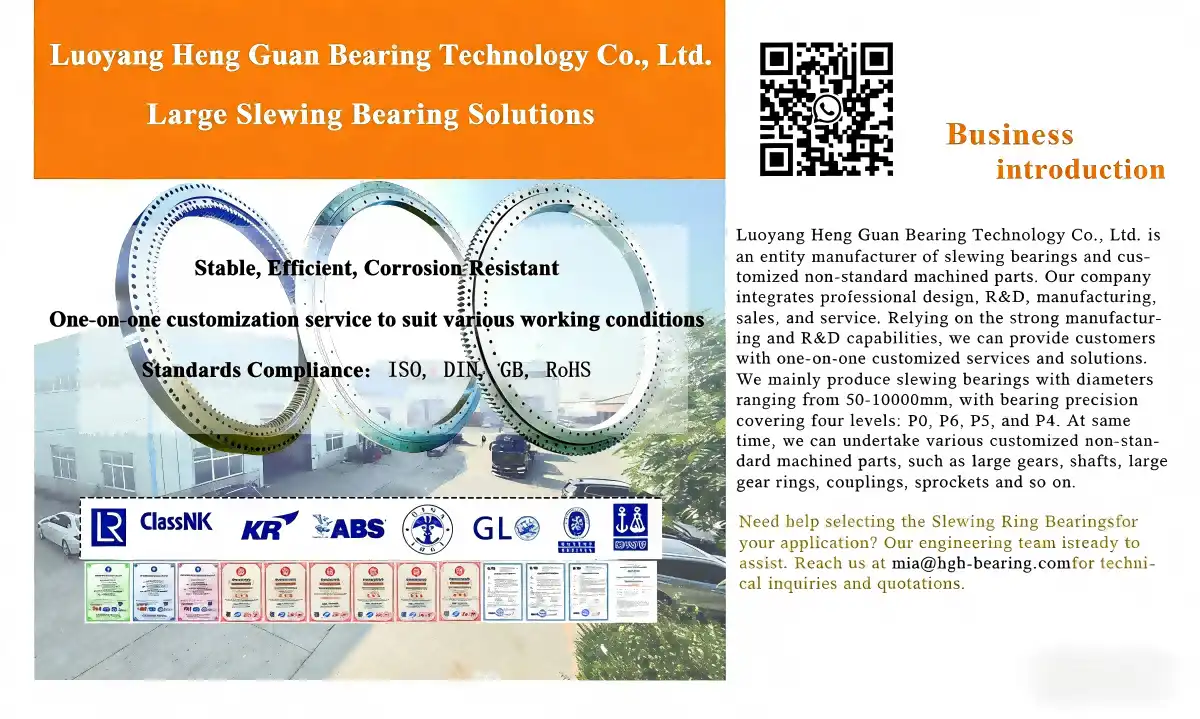
Partner with Heng Guan for Your AC100 Crane Slewing Bearing Needs
Heng Guan Bearing Technology stands as your trusted AC100 Crane Slewing Bearing supplier, combining decades of manufacturing expertise with cutting-edge production capabilities in Luoyang's renowned bearing technology hub. Our comprehensive quality management systems ensure P0, P6, P5, and P4 precision grades that meet the most demanding industrial applications. We manufacture complete size ranges from 20 to 10000mm diameter with customization capabilities that address your specific operational requirements. Contact our engineering team at mia@hgb-bearing.com to discuss your crane bearing specifications, request detailed technical documentation, or arrange bulk procurement agreements that optimize your supply chain efficiency.
References
1. Industrial Bearing Technology and Applications in Heavy Machinery Systems, American Society of Mechanical Engineers, 2023.
2. Slewing Ring Design Standards for Mobile Crane Applications, International Organization for Standardization Technical Committee, 2022.
3. Bearing Failure Analysis in Construction Equipment: Preventive Maintenance Strategies, Journal of Construction Engineering and Management, 2023.
4. Advanced Materials in Heavy-Duty Bearing Manufacturing: Alloy Steel Performance Characteristics, Materials Science and Engineering Review, 2022.
5. Load Distribution Analysis in Three-Row Roller Slewing Bearings for Mobile Crane Applications, International Journal of Mechanical Engineering, 2023.
6. Maintenance Best Practices for Crane Slewing Bearings in Harsh Environmental Conditions, Heavy Equipment Maintenance Quarterly, 2022.

WHAT OUR CUSTOMERS SAY
Here is the customer's evaluation of us
YOU MAY LIKE
 VIEW MOREKomatsu Excavator slewing bearing
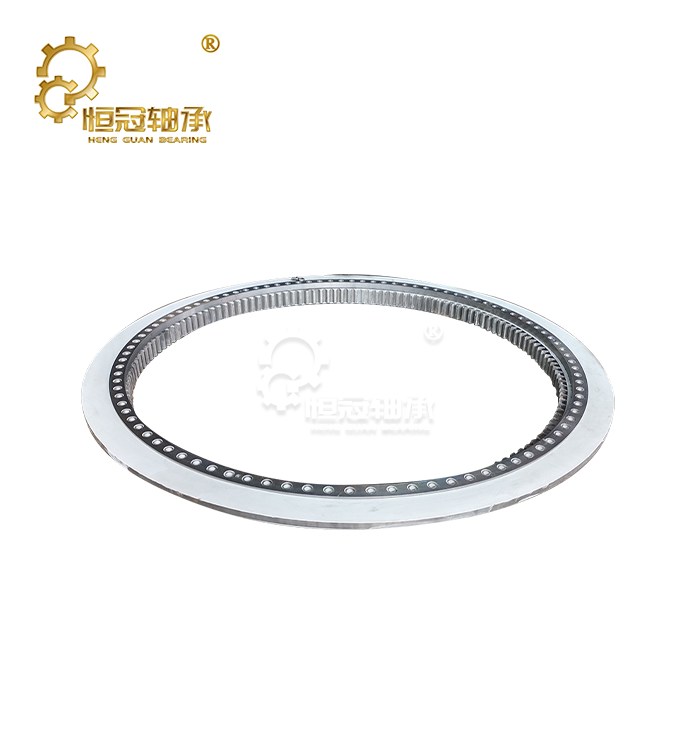 VIEW MOREFour-Point Contact Ball Slewing Bearings
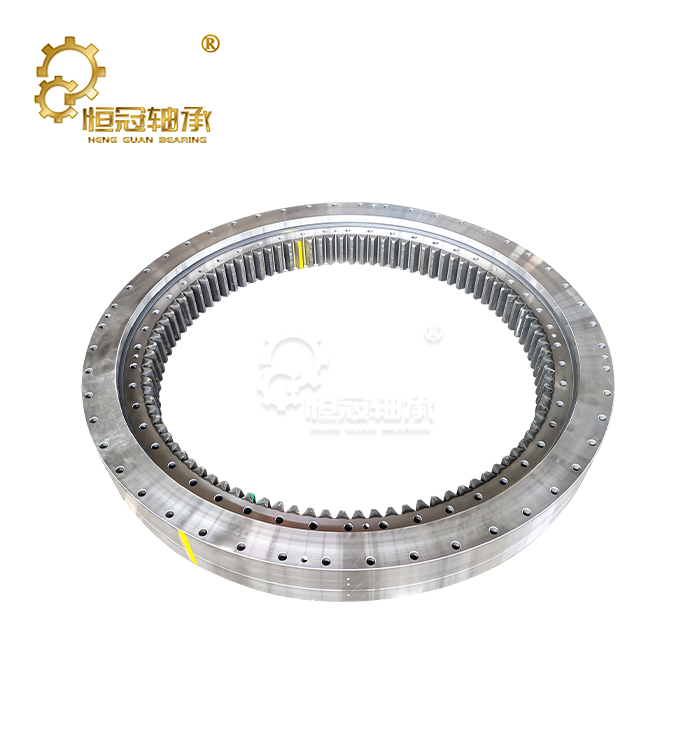 VIEW MOREPC1250 Excavator Bearings
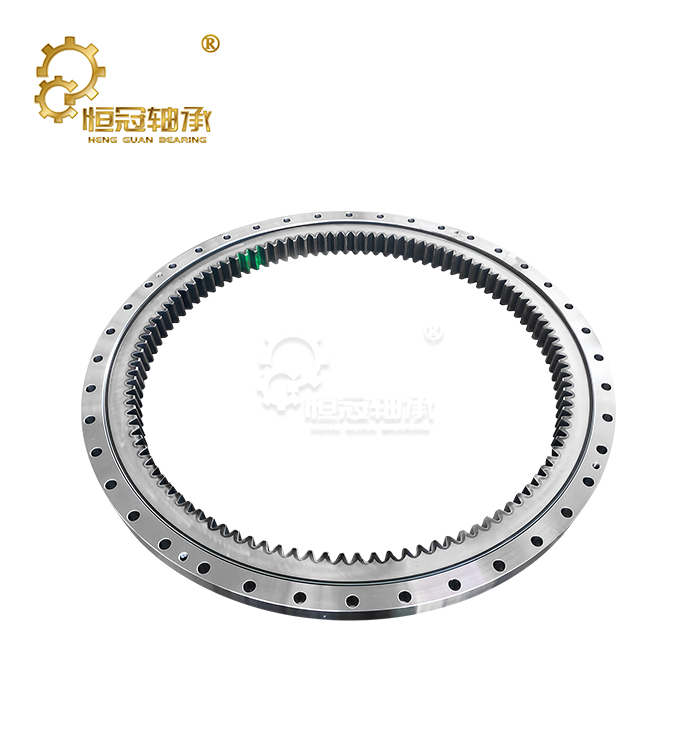 VIEW MOREPC450-6 Excavator Slewing Bearing
_1767784942887.webp) VIEW MOREDouble-Row Ball Slewing Ring Bearing
VIEW MOREDouble-Row Ball Slewing Ring Bearing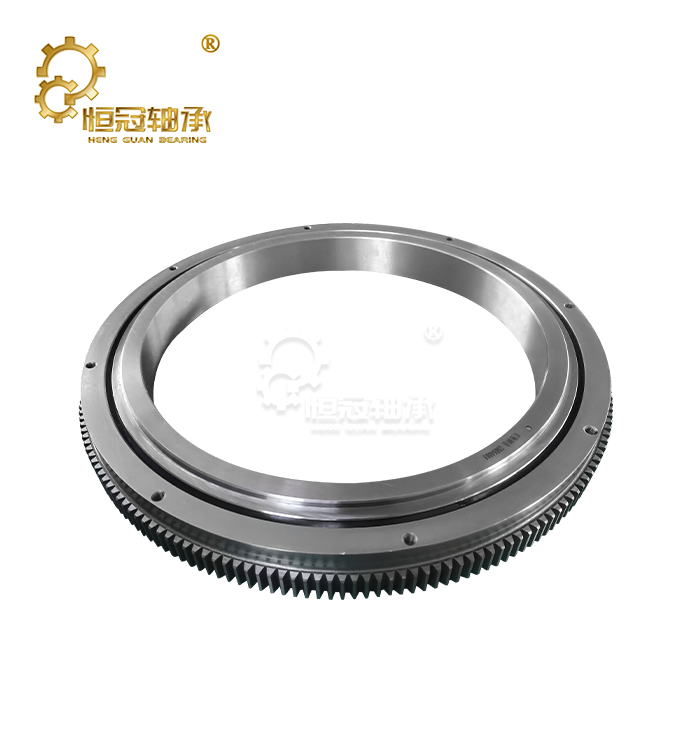 VIEW MORERotary Table Bearing
 VIEW MORElarge gear rings for mining
 VIEW MORECross Roller Bearing