



What Are the Advantages of Triple-Roller Port Crane Slewing Bearings?
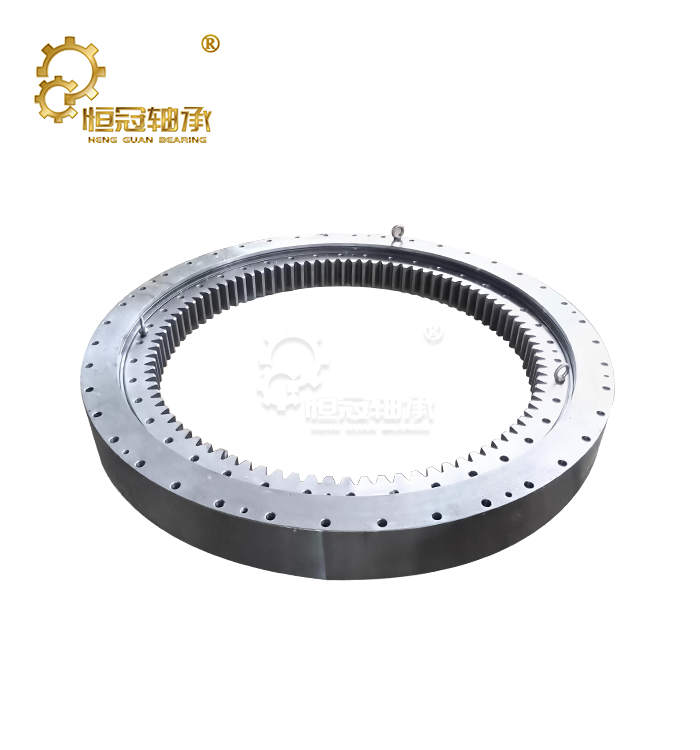
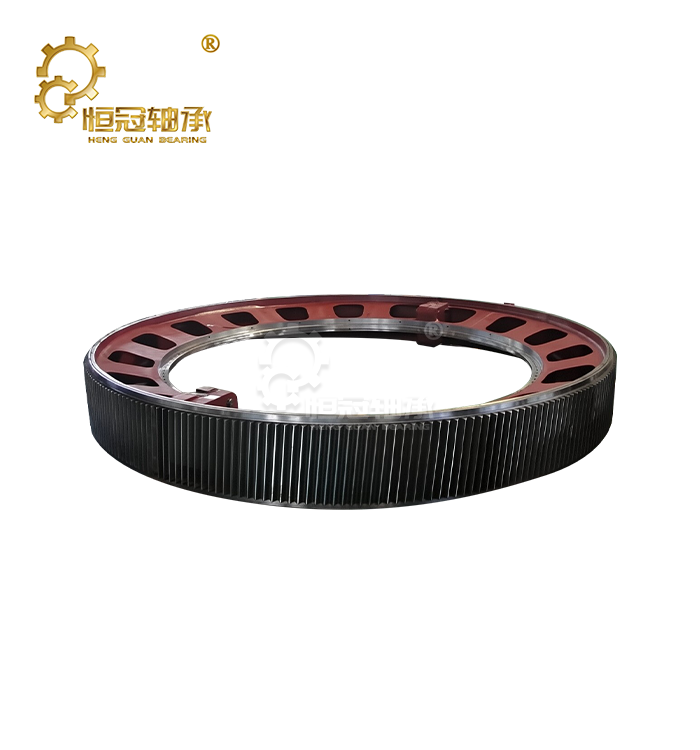
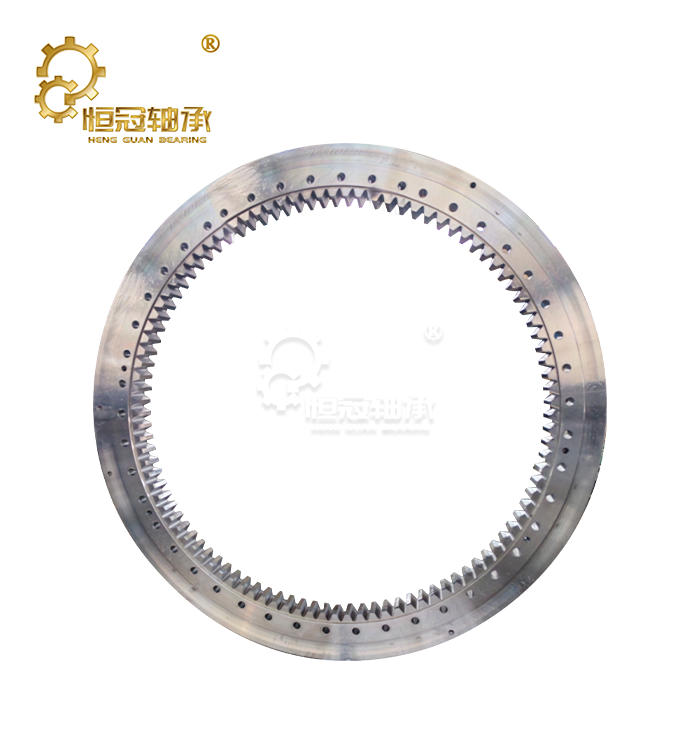
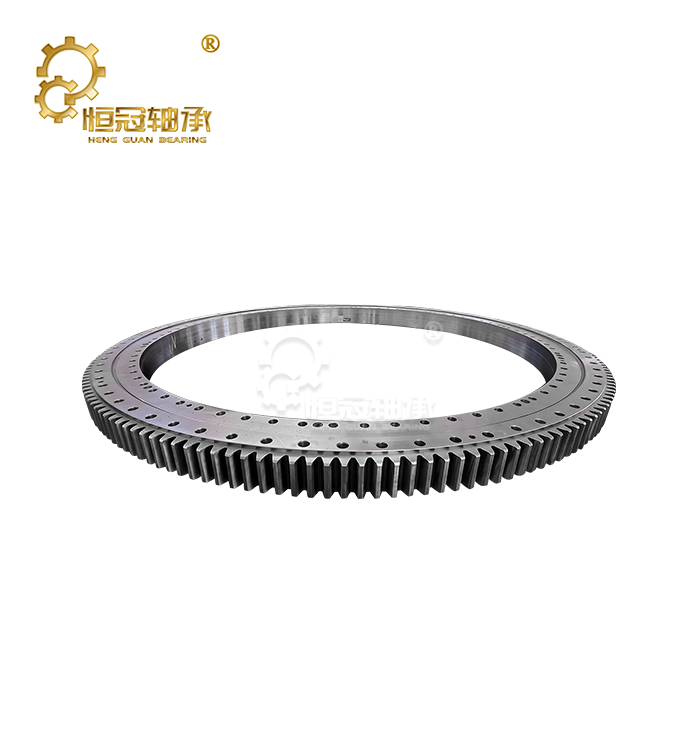
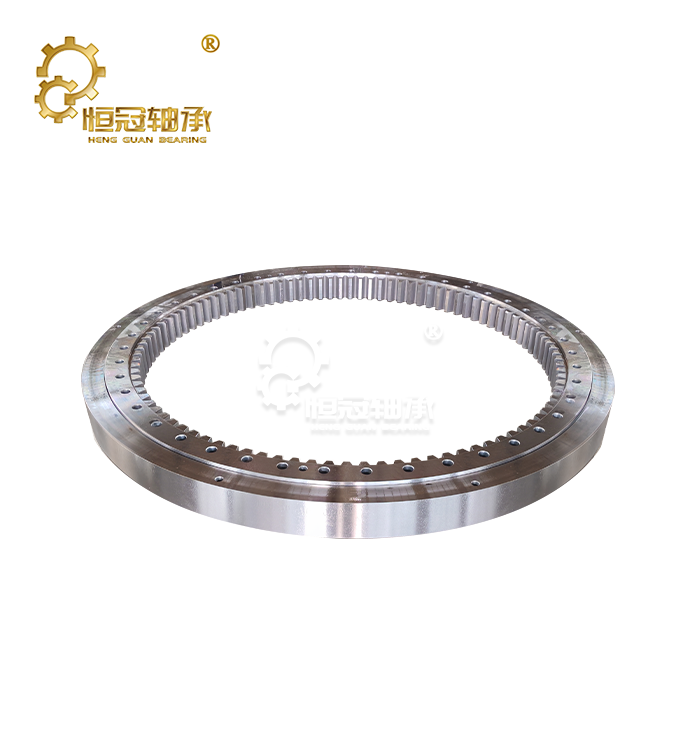
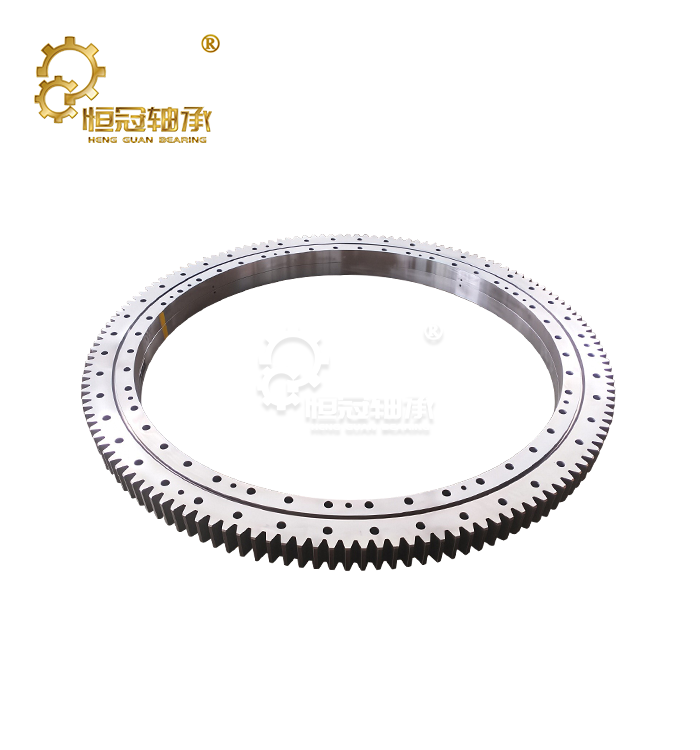
Triple-roller port crane slewing bearings are very important to heavy-duty port equipment and come with a lot of perks. These unique bearings meet the needs of maritime loads. Crane spinning systems have to work harder in modern ports because they handle bigger ships, heavier packages, and more frequent filling processes. Port crane slewing bearings are very important parts that hold up the harbour cranes' spinning parts and deal with complicated mixtures of axial loads, rotational forces, and rolling moments. Triple-roller slewing bearings are made for heavy-duty uses that need to be able to hold a lot of weight, be stable, and last a long time. Their three-row roller design separates the different directions of loads, which lets port cranes keep turning smoothly even when conditions are tough. Because of these benefits, they are used a lot in ship loaders, container cranes, stackers, reclaimers, and other machines that move big loads. Port owners can make better choices about equipment, make cranes more reliable, and lower long-term upkeep costs if they know about the structural benefits, performance features, and application benefits of triple-roller designs.

How Triple-Roller Slewing Bearings Improve Heavy-Duty Port Crane Performance
Port cranes operate under demanding conditions where bearings must continuously support heavy loads while maintaining precise rotation. Unlike standard bearing designs, triple-roller slewing bearings use multiple roller rows to distribute forces more effectively.
The three-row configuration typically includes:
- Two roller rows designed mainly for radial load support
- One roller row is designed primarily for axial load support
This separated load path allows the bearing to handle combined forces more efficiently, especially when cranes experience heavy cargo loads and large overturning moments.
Superior Load Distribution for Heavy Cargo Handling
One of the most important advantages of triple-roller designs is their ability to distribute loads across multiple contact areas.
During container lifting operations, cranes experience constantly changing forces caused by:
- Cargo weight variations
- Boom movement
- Acceleration and braking
- Wind influence
The multiple roller rows help spread these forces more evenly, reducing stress concentration on individual components.
Compared with simpler bearing structures, triple-roller slewing bearings provide:
- Higher load-carrying capability
- Improved structural stability
- Better resistance to fatigue damage
- Longer operating life under heavy-duty conditions
For large ship-to-shore cranes and bulk handling equipment, this load distribution capability helps maintain reliable operation during continuous working cycles.
Strong Resistance Against Overturning Moments
Overturning moments are among the most challenging loads affecting port crane rotation systems. They occur when heavy loads are positioned away from the bearing centerline, creating a tilting force. Triple-roller slewing bearings are particularly suitable for these applications because their roller arrangement provides stronger moment resistance.
Key factors affecting moment load performance include:
- Raceway diameter
- Roller contact area
- Internal clearance
- Mounting stiffness
- Material strength
The optimized contact structure helps maintain stable rotation when cranes operate with extended booms or uneven cargo positioning.
This is especially important for:
- Container bridge cranes
- Large harbor cranes
- Ship unloading equipment
- Heavy material handling systems
By improving resistance against overturning forces, triple-roller bearings help protect both the bearing assembly and the crane structure.
Greater Adaptability Across Different Port Equipment Applications
Modern ports use various types of lifting equipment, and each application has different performance requirements. Triple-roller slewing bearings provide flexible solutions because their design can be customized according to load conditions and installation requirements.
Application Flexibility for Large-Scale Crane Systems
Triple-roller designs are commonly selected for equipment, including:
- Ship-to-shore container cranes
- Rail-mounted gantry cranes
- Mobile harbor cranes
- Stackers and reclaimers
- Bulk material handling machines
Different crane systems may require different:
- Bearing diameters
- Gear configurations
- Mounting structures
- Load ratings
Professional manufacturers can customize bearing designs based on actual operating conditions.This flexibility allows port operators to optimize equipment performance without relying only on standard bearing models.
Simplified Maintenance and Spare Parts Management
Using standardized bearing solutions across similar equipment can simplify maintenance planning.
Benefits include:
- Easier spare parts management
- Reduced inventory requirements
- Faster replacement procedures
- Improved maintenance efficiency
For large ports operating multiple cranes, consistent bearing selection strategies can reduce operational complexity and improve equipment availability.
Durability Advantages in Harsh Marine Operating Environments
Port equipment is exposed to some of the most challenging industrial environments. Continuous exposure to salt spray, humidity, temperature changes, and heavy mechanical loading can accelerate component wear.
A high-quality triple-roller bearing must provide:
- Corrosion resistance
- Structural strength
- Stable lubrication performance
- Long fatigue life
Corrosion Protection for Extended Service Life
Marine environments create significant corrosion risks because saltwater and moisture can damage metal surfaces over time.
To improve corrosion resistance, manufacturers commonly apply:
- High-strength alloy materials
- Surface treatment technologies
- Protective coatings
- Advanced sealing systems
The sealing system plays an important role by preventing contaminants from entering the bearing while keeping lubricant inside the raceway area.
Proper corrosion protection helps:
- Extend bearing service life
- Reduce unexpected failures
- Lower maintenance frequency
- Improve crane availability
For ports operating in coastal environments, corrosion resistance is a key factor when selecting port crane slewing bearings.

Thermal Stability Under Continuous Operation
Large port cranes often operate for long periods under changing weather conditions. Temperature fluctuations can affect material expansion, lubrication performance, and internal bearing clearance.
Triple-roller slewing bearings are designed with:
- Controlled heat treatment processes
- Stable material properties
- Optimized internal clearances
These features help maintain consistent performance during temperature changes.
Thermal stability is especially important for equipment operating:
- In hot coastal regions
- In cold climates
- During long continuous shifts
Maintaining proper internal conditions reduces premature wear and helps ensure smooth crane rotation.
Reliable Performance Under Shock Loads and Harsh Working Conditions
Port crane operations rarely involve perfectly stable loading conditions. Sudden starts, emergency stops, uneven cargo placement, and external forces can create impact loads that challenge bearing components.
Triple-roller designs provide improved resistance against these dynamic conditions through:
- Strong roller structures
- Optimized contact geometry
- High-strength raceway materials
- Stable internal load distribution
Improved Shock and Impact Resistance
During heavy lifting operations, cranes may experience sudden changes in force caused by:
- Rapid acceleration and deceleration
- Cargo swinging
- Uneven loading
- Wind-induced movement
A triple-roller slewing bearing absorbs and distributes these forces more effectively than simpler bearing arrangements.
The separated roller rows reduce concentrated stress on individual contact areas, helping protect:
- Raceway surfaces
- Rolling elements
- Internal bearing structures
For ports operating around the clock, this impact resistance helps maintain equipment availability and reduces the risk of unexpected bearing damage.
Precision Rotation and Energy Efficiency in Port Crane Operations
Modern ports require not only high lifting capacity but also accurate positioning and efficient operation. Crane movement accuracy directly affects container handling speed, safety, and overall terminal productivity. Port crane slewing bearings support these requirements through improved rotational stability and reduced mechanical losses.
Smooth Rotation for Accurate Cargo Positioning
Precise crane movement depends on the bearing’s ability to maintain consistent rotation under changing loads.
Factors that influence rotational accuracy include:
- Raceway manufacturing precision
- Roller alignment
- Internal clearance control
- Mounting accuracy
High-quality manufacturing processes help minimize:
- Excessive vibration
- Uneven rotation
- Positioning errors
This allows operators to place containers more accurately, improving:
- Yard organization
- Loading efficiency
- Operational safety
For automated and semi-automated terminals, bearing precision becomes even more important because small positioning errors can affect the entire handling process.
Reduced Friction for Improved Energy Performance
Energy efficiency has become an important consideration for modern port operations. Bearing friction directly affects the power required for crane rotation.
Triple-roller slewing bearings improve energy efficiency through:
- Optimized roller profiles
- Improved surface finishing
- Proper lubrication distribution
Lower rolling resistance helps:
- Reduce drive system workload
- Minimize component wear
- Improve overall crane efficiency
For ports seeking to reduce operating costs and improve sustainability, selecting efficient bearing solutions can contribute to long-term energy savings.
Low-Maintenance Design for Higher Equipment Availability
Unexpected downtime for a crane can cause big problems for operations. For this reason, choosing the right equipment depends a lot on how reliable the bearings are and how often they need to be serviced. Triple-roller slewing bearings are made to last a long time between repairs because they have strong structures and good safety features.
Longer Maintenance Intervals Through Better Structural Design
Compared with basic bearing configurations, triple-roller designs provide more balanced load distribution, which reduces localized stress and wear.
Maintenance advantages include:
- Longer lubrication intervals
- Reduced inspection frequency
- Lower risk of premature failure
- More predictable service planning
However, even high-performance bearings require regular maintenance.
Recommended practices include:
- Checking the lubrication condition
- Inspecting sealing performance
- Monitoring abnormal vibration
- Measuring mounting bolt conditions
Preventive maintenance allows operators to identify early issues before they develop into major failures.
How to Select the Right Triple-Roller Port Crane Slewing Bearing
Choosing the correct bearing requires more than selecting the largest available model. Engineers need to match the bearing design with actual crane operating conditions.
Important selection factors include:
- Maximum lifting capacity
- Working cycle frequency
- Rotation speed
- Load distribution
- Environmental conditions
- Installation dimensions
Evaluate Load Requirements Before Purchasing
Before selecting a bearing, engineers should analyze:
Axial Loads
Generated mainly by:
- Vertical lifting forces
- Crane structure weight
- Boom movement
Radial Loads
Caused by:
- Horizontal forces
- Cargo movement
- Structural reactions
Moment Loads
Created by:
- Extended boom positions
- Offset cargo loads
- Wind forces
Understanding these load combinations helps determine the appropriate bearing size and internal configuration of port crane slewing bearings.
Consider Material Quality and Manufacturing Capability
A dependable supplier should give you details about
- Certificates of materials
- Processes for heat treatment
- Precision in machining
- How to do inspections
Some common ways to judge quality are:
- Checking for dimensions
- Testing for hardness
- Tests of raceway accuracy
- Testing with ultrasound
- Checking the load
Consistency in manufacturing is very important for large-diameter bearings because even small errors in size can have a big effect on how well they work.
Procurement Considerations for Port Crane Slewing Bearings
For industrial buyers, purchasing a bearing is a long-term investment decision. Price should be evaluated together with reliability, service support, and total operating cost.
Information Required Before Requesting a Bearing Quote
Customers should give the following information to get a correct recommendation:
- Dimensions of existing bearings
- Crane type
- Conditions of load
- Setting up for work
- Needs for rotation
- Details about the gear
- Required amount
Giving providers all the technical information they need helps them suggest good solutions and avoid the wrong size.
Choosing an Experienced Bearing Manufacturer
A good maker ought to provide:
- Help with engineering OEM customisation
- Good documentation
- Stable ability to make things
- Technical support after the sale
Instead of just selling stock goods, makers with a lot of experience can help customers improve bearing designs based on how the crane will be used.
Why Triple-Roller Slewing Bearings Are Valuable for Modern Ports
As global trade keeps getting bigger, ports need tools that can handle bigger loads while still being reliable and effective.
Triple-roller port crane slewing bearings have a lot of benefits, such as:
- High ability to carry
- Moment resistance that is strong
- Stable performance in rotation
- Long life span
- Not as much maintenance is needed
Because they can handle complicated loading conditions, they are good for heavy-duty harbour equipment where downtime can have a direct effect on output.
Conclusion
Triple-roller port crane slewing bearings are a reliable choice for modern port equipment that needs to be stable, accurate, and able to carry a lot of weight. Their three-row roller structure makes it easier to distribute loads, makes them more resistant to tipping moments, and helps the crane work smoothly in rough marine conditions. In addition to their technical performance, these bearings have useful benefits such as protecting against rust, saving energy, and requiring less upkeep. Port managers can make equipment more reliable and lower long-term costs by choosing the right bearing design, checking out the skills of suppliers, and following the right repair methods. High-performance triple-roller slewing bearings will continue to be needed for safe, efficient, and ongoing crane operations as ports continue to handle bigger ships and more goods.
FAQ
1. The main benefit of triple-roller port crane slewing bearings?
Their load capacity and stability make them ideal for heavy cargo in harsh port environments.
2. How do triple-roller bearings save port crane energy?
They reduce power consumption and drive component wear by reducing friction.
3. Are triple-roller port crane slewing bearings suitable for all port equipment?
Yes, they increase operational flexibility and can be integrated into container gantry cranes and mobile harbor cranes.
4. Do these bearings perform in corrosive maritime environments?
Modern materials and coatings make triple-roller bearings corrosion-resistant, extending their lifespan in saltwater.
5. What are the triple-roller port crane slewing bearing maintenance benefits?
They require less maintenance, including longer lubrication intervals and better contamination protection, increasing port uptime.
|
|


About Luoyang Heng Guan
Luoyang"s "Bearing Town" is home to Luoyang Heng Guan Bearing Technology Co., Ltd., a top slewing bearing manufacturer. We offer a variety of slewing bearings, including triple-roller port crane slewing bearings, to meet the most demanding applications with a focus on innovation and customer satisfaction. Our products perform well and are reliable due to our cutting-edge facilities, skilled engineers, and rigorous quality control. We pride ourselves on custom solutions and excellent technical support for our customers' unique needs. Experience the difference in precision engineering and dedicated service with Heng Guan port crane bearings. Learn about our products and how we can help your port operations by emailing mia@hgb-bearing.com.
References
1. Smith, J. (2021). "Advanced Bearing Technologies in Maritime Applications." Journal of Port Engineering, 15(3), 78-92.
2. Chen, L., et al. (2020). "Performance Analysis of Triple-Roller Slewing Bearings for Heavy-Duty Cranes." International Journal of Mechanical Sc
iences, 167, 105267.
3. Maritime Logistics Review. (2022). "Innovations in Port Crane Technology: A Focus on Bearing Systems." Special Report, 45-52.
4. Johnson, R. (2019). "Corrosion Resistance Strategies for Port Equipment Components." Corrosion Engineering, Science and Technology, 54(6), 517-529.
5. Zhang, H., and Lee, K. (2021). "Energy Efficiency Improvements in Container Terminal Operations." Sustainable Port Development and Operations, Springer, 203-225.
6. International Association of Ports and Harbors. (2023). "Best Practices in Port Crane Maintenance and Reliability." IAPH Technical Report, 78-95.

WHAT OUR CUSTOMERS SAY
Here is the customer's evaluation of us