



How to Troubleshoot Common Issues with Cross Roller Bearings?
If the fine equipment you use starts to vibrate, make noise, or get hot for no reason, the Crossed Roller Bearing may be a sign that something is wrong. These high-tech parts are made to handle loads from all directions in small areas, but even the strongest designs have problems in harsh industrial settings. Taking care of these problems quickly will keep your production plan safe and save you money on costly breaks. If your repair team knows how to find, assess, and fix bearing problems, they can keep important machines running smoothly and efficiently.
Understanding Common Problems in Crossed Roller Bearings
People who work in manufacturing and engineering know that fine parts rarely break without notice. Because the circular wheels are arranged in a cross shape at 90-degree angles, these bearings are very good at handling heavy loads. However, this shape also has some weak spots that need to be looked at carefully.
Recognizing Early Warning Signs
One of the most reliable signs of bearing trouble is shaking that isn't normal. When the rollers hit uneven wear or dirt in the V-shaped raceways, you'll see strange moving patterns that weren't present when the system was first set up. This sound usually starts slowly but gets stronger as the damage inside grows. When used in robotic joints, this kind of shaking directly affects how accurately the parts are placed, which leads to production problems and parts being thrown away.
Acoustic signs are another way to check the health of a bearing. A unit that is working right makes a steady, low-level hum while it is running. Sharp clicking sounds mean that there are problems with the roller contacts, while grinding sounds mean that there is dirt or not enough oil on the rollers. A lot of bearing problems are accompanied by strange temperature changes. For example, too much heat can mean that friction is rising, which could be due to a failed seal, inadequate greasing, or incorrect preload calculations.
Impact on Production Operations
If you don't fix your bearing problems, they will affect your whole business. If a Crossed Roller Bearing in a CNC rotating table breaks, the machine loses its micron-level accuracy and cannot meet tight limits. This leads to stops in output, calls for emergency maintenance, and hasty purchasing choices that often don't take cost-effectiveness into account. When big equipment breaks down in industries like mining or building, it costs a lot of money because each hour of downtime means lost income and project delays.
You can't say enough about how important early discovery is for strategy. When maintenance engineers and procurement managers use regular tracking methods, they find problems before they become so bad that they cause a system failure. When you take this proactive approach, repair stops being a reactive cost and turns into a strategic investment that saves capital equipment and makes sure the supply chain works well.
Analyzing Root Causes of Crossed Roller Bearing Failures
Random breakdowns of bearings don't happen very often. Based on systematic analysis, most problems can be traced back to a few expected root causes that can be fixed by using better methods and picking the right suppliers.
Installation and Alignment Errors
Several types of early bearing failures are caused by incorrect fitting methods. The precision-ground outer rings and inner rings need to be installed so that they are perfectly lined up. Even a small misalignment of the Shaft causes the load to be spread unevenly across the circular rolling elements. This creates stress concentrations in certain areas that speed up wear. Imperfections in the mounting surface, like burrs, scratches, or situations where the surface isn't flat, stop the bearings from seating properly and cause geometric mistakes that hurt performance.
Another common download mistake is using the wrong setup application. In order to get rid of slack and increase stability, these bearings usually work with negative internal clearance. Too much preload causes friction and heat that aren't needed, and not enough preload lets unwanted play happen, which lowers precision and speeds up wear. To get the right setup, you need torque tools that are measured and follow the manufacturer's instructions.
Lubrication Management Challenges
Because the rollers and raceways are in a line-contact shape, they need to be oiled regularly to reduce friction and keep metal from touching metal. Not enough lube lets border contact happen, which quickly wears down precision-ground surfaces. On the other hand, too much lubrication leads to spinning losses, higher temperatures, and possibly damaged seals as the extra grease or oil looks for ways to get out.
The lubricant you choose is very important. The working conditions of mechanical equipment are very different from those of mining equipment that has to deal with dust, water, and high temperatures. High-carbon chromium Crossed Roller Bearing steel construction (GCr15) stays hard at different temperatures, but the grease needs to be able to handle those temperatures. Oil-resistant nitrile rubber (NBR) seals can protect internal parts, but only if they are used with the right oils and dirt is kept out.
Environmental and Material Factors
Even high-end bearing designs can't handle harsh working conditions. When dust gets on precision surfaces, it speeds up the wear process like a grinding compound. Moisture getting into the system leads to rust that damages raceways and makes it harder to get accurate measurements. Changes in temperature cause waves of expansion and contraction that can make the fit less snug and change the loading conditions.
Material quality differences between sources have a big effect on how reliable something is. High-end makers make rings out of 50Mn or 42CrMo high-strength alloy steel, which keeps the rings' shape even when they're under a lot of stress. High-precision, high-hardness GCr15 bearing steel balls that have been heated to 58–64 HRC are needed for the rolling elements. Lower-quality options give up on these material standards, which raises the risk of failure and costs more in the long run through shorter service life and unplanned downtime.
Step-by-Step Troubleshooting Principles and Procedures
Systematic methods of diagnosis are what set proactive maintenance programs apart from reactive defense. Structured troubleshooting steps help teams find problems correctly and quickly put focused answers into action.
Visual Inspection Protocols
Always start an assessment session with a full eye check. Take off the protected covers and check the state of the seals for signs of heat exposure, such as tears, movement, or hardening. Check the outside for rust, discoloration from being too hot, or dripping oil that could mean the seal has failed. Before moving on to a more in-depth study, these findings set the scene.
As much as possible, take the bearing apart so that you can look inside it. Look for wear lines on the V-shaped raceways that show where the load isn't being distributed evenly. A smooth, even look on all contact areas is a sign of good functioning. Localized wear zones, scoring, or pitting can be caused by issues with alignment, contamination, or poor lubricant. Check to see if the designed plastic spacers have broken down or moved so that the rollers can touch each other.
Performance Testing Methods
Vibration research gives you numbers that show how the bearings are doing. Portable vibration meters check the amounts of acceleration over a wide range of frequencies, looking for signs that are unique to certain types of defects. Roller flaws cause impact bursts at rates that can be calculated based on the speed and shape of the bearing. If the intensity of vibrations rises in certain frequency bands, it means that problems are starting to happen long before other signs show up.
Monitoring of temperature goes along with shaking readings. Set up a standard of temperature values for normal operation, and then keep track of any changes while you're troubleshooting. Surface-mounted sensors or infrared thermography show areas that indicate there is more friction because there isn't enough oil or there is too much loading. Differences in temperature between similar bearings in the same machine can often tell you which one needs repair.
Corrective Actions and Solutions
Many bearing problems can be fixed by changing the lubrication. Completely drain any lube that is dirty or breaking down, clean all the insides with the right cleaners, and then repack with new grease or oil that is right for the job. Relubrication intervals should be based on how often the machine is used. Machines that are used at high speeds or that are heavily loaded need to be serviced more often than machines that are only lightly loaded and only sometimes.
These ideas are shown through real-world examples. When a robotics company had problems with positioning in 6-axis robot joints, vibration research showed that the Crossed Roller Bearing had roller flaws. An inspection showed that pollution was caused by poor sealing. The problem was fixed and wouldn't happen again on any of their tools by using better seal designs and regular cleaning. After putting in place monthly temperature tracking and vibration screening, a mining company cut down on unplanned downtime in heavy equipment by 40%. This was because problems were caught before they became failures.
Maintenance Best Practices to Prevent Future Problems
It is more cost-effective to stop problems before they happen than to fix them after they happen. Structured maintenance plans that are made to fit your unique working conditions get the most out of your bearings and make them last longer.
Scheduled Inspection Programs
Set up check times based on how often and how critically the equipment is used. For high-precision uses in automation or medical equipment, thorough checks should be done every month. For less important installs, inspections may only need to be done every three months. Record baseline conditions during the initial installation. Write down vibration patterns, working temperatures, and eye notes that can be used to compare things in the future.
Monitoring that is done proactively finds degradation trends before they get bad enough to break something. Keep an eye on the vibration levels over time and look into any rising trends, even if the exact values stay within safe limits. Check the state of the oil by looking at it or having it tested in a lab. Look for signs of contamination, oxidation, or additive loss that mean it needs to be replaced.
Environmental Control Measures
Keeping bearings clean and free of external contaminants makes them much more reliable. Check how well the seals around the bearing housings are working and make changes to the designs if dust or moisture gets in. Keep the pressure up in the boxes that hold important bearings, and use filtered air to keep contaminants out. Control the area where the parts are put together during installation and upkeep work. Using clean rooms or filtered workspaces will keep contaminants from getting in during these times.
Controlling the temperature makes bearings last a lot longer. Make sure there is enough heat escape by designing and ventilating the housing correctly. When working in hot places, you might want to think about thermal shields or cooling systems that keep bearings in their best operating ranges. Keep an eye on the effects of thermal expansion that can change the setup or cause fit issues, and make changes to the installation process to account for thermal growth.
Strategic Supplier Selection
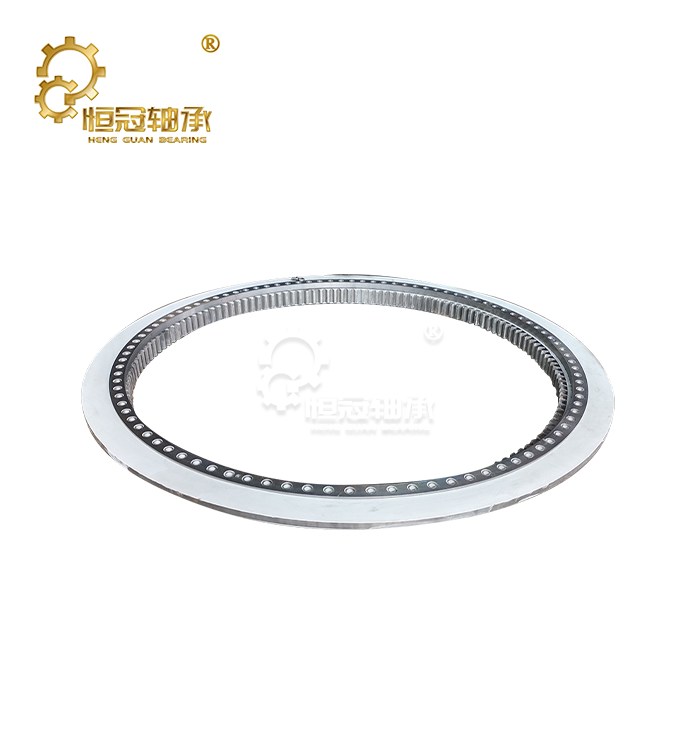
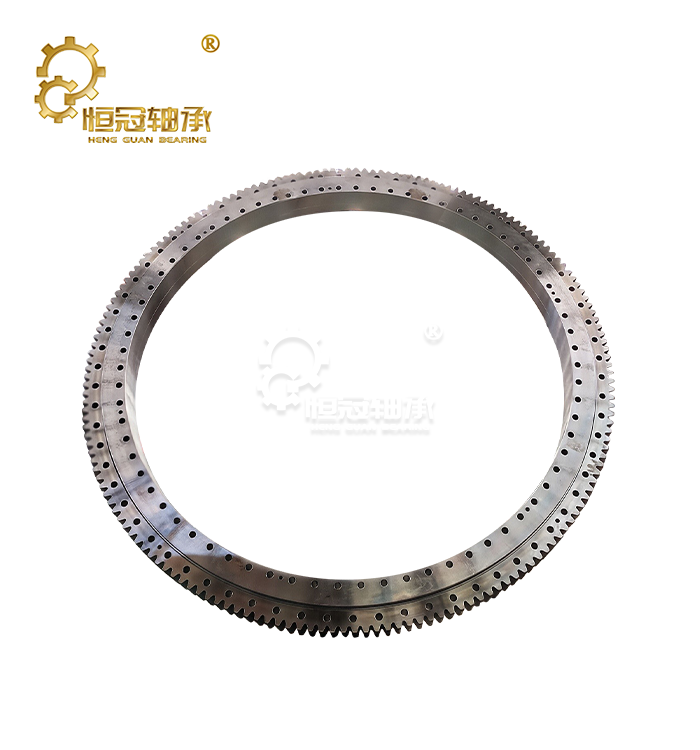
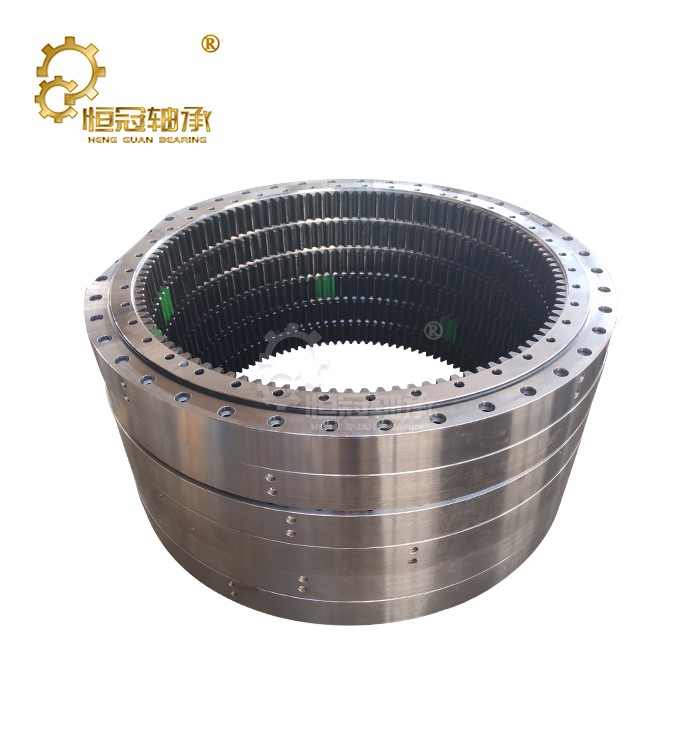
The quality of bearings made by different companies changes a lot. Premium providers consistently provide accurate measurements, solid materials, and a smooth surface finish. These factors directly lead to longer service life and more predictable performance. Our production skills at Heng Guan Bearing Technology show that we are serious about quality by making units with bore diameters from 50 mm to over 2000 mm and cross-section heights from 20 mm to 100 mm. This wide range of sizes can be used for a lot of different things, from small robotic joints to big industrial turntables.
In serious situations, precise scores are very important. The accuracy of the P5 grade is good enough for regular commercial use, while the accuracy of the P4 grade is good enough for demanding automation and medical equipment uses. The P2 grade is the most precise and is used in aircraft and optical equipment where mistakes in positioning must be kept to a minimum. By matching the exact grade to the needs of the product, cost-effectiveness is maximized without performance being compromised.
When and How to Source Replacement Crossed Roller Bearings
When making strategic choices about what to buy, you have to weigh the needs of your current operations against your long-term cost and reliability goals. Knowing when to replace something instead of fixing it and how to find the right parts is what separates businesses that run smoothly from those that have problems all the time.
Replacement Decision Criteria
A cost-benefit study helps decide when to replace something. Compare the cost of repair, which includes work, parts, and downtime, to the cost of replacing. Think about the secret costs, like lower accuracy after repair, a shorter service life, and the chance that the problem will happen again soon. When the cost of fixing is more than 60 to 70% of the cost of replacement, or when damage to the bearing affects important precision areas, it is usually cheaper to replace the Crossed Roller Bearing.
Performance standards help you figure out when bearings are no longer up to the task at hand. Check the correctness of movement, the load capacity, and the stiffness against the original specs. If the wear is beyond what is reasonable, the bearing needs to be replaced, even if it still works properly. Maintaining performance standards is more important than extending service life with small fixes in precision applications where micron-level accuracy is important.
Procurement Considerations
Specifications for load ability must match how the system is actually used. Correctly figure out the radial, axial, and moment loads that are added together, taking into account dynamic effects such as acceleration, shock, and shaking. Choose bearings that are rated for these real loads plus the right amount of safety cushion. Undersized units break down too soon, and large units raise prices for no reason.
Options for customization make it possible to solve problems in difficult situations. In some setups, non-standard bore sizes, unique mounting features, changed seal configurations, or custom preload sets make the system work better. Instead of sticking to catalog things, work with makers who can do custom optimization design. This method works especially well in OEM settings where improved designs give the company a competitive edge.
Building Supplier Partnerships
Reliable service after the sale is what sets great providers apart from average ones. Technical support during installation, help with debugging when problems happen, and a guarantee that shows trust in the quality of the product all add to the total value that goes beyond the initial price. Check how quickly suppliers are, how knowledgeable their staff is, and how willing they are to stand behind their goods for the full service life.
Consistency in quality is more important than rare peak success. Suppliers with strict quality systems give consistent results over a wide range of sales and long periods of time. This consistency makes planning upkeep easier, cuts down on the number of inspections needed, and lowers the chance of problems that were not predicted. Ask for quality proof like material approvals, dimensional inspection records, and process control data that show you are committed to making sure the standards are always met.
Conclusion
To fix problems with Crossed Roller Bearings, you need to use a methodical approach that includes careful observation, technical analysis, and making smart decisions. Early detection of warning signs stops expensive failures, and knowing root causes lets you take focused steps to fix problems. Structured maintenance plans make sure that bearings work well and last as long as possible by inspecting them on a regular basis, controlling the environment, and managing lubricant correctly. When making strategic purchasing choices, it's important to weigh short-term price concerns against long-term goals for reliability, putting more weight on quality consistency and source partnerships. These practices help buying and maintenance teams keep equipment up and running as much as possible, protect capital investments, and stay ahead of the competition in tough industrial settings where accuracy and dependability are key to operational success.
|
|

FAQ
What causes premature wear in crossed roller bearings?
Early wear is usually caused by not enough lube, contamination, or mistakes in the fitting process. When there isn't enough lube, metals can touch and damage precise surfaces very quickly. When dust or wetness gets in, it works like abrasive particles that speed up wear. When fixing isn't done right, the load isn't spread out evenly, which leads to stress buildup in certain areas. When compared to high-quality bearings made from the right steel types, low-quality bearings made from lesser materials also wear out much faster.
How often should I inspect crossed roller bearings?
How often you inspect relies on how important the program is and how it is being used. Medical devices or high-precision automation equipment should have thorough checks every month, which should include checking for vibrations and keeping an eye on the temperature. Heavy industry uses, such as mining and building, usually need checks every three months. Less important devices might only need maintenance every six months or so. Always do checks after something out of the ordinary happens, like when there is overloading, contamination exposure, or any other problem with the way the bearings work that could affect their health.
Can I repair a damaged crossed roller bearing?
How easy it is to fix depends on how bad the damage is and where it is. Small problems, like lube that is dirty or a broken seal, can be fixed properly. Damage to precision-ground raceways, roller flaws, or ring cracks, on the other hand, usually means that the whole thing needs to be replaced. The cost of repairs often gets close to the cost of replacement, but the repaired item works less well and has a shorter useful life. If harm happens to important precision surfaces or the cost of fixing is more than 60 to 70 percent of the cost of replacement, it is better to buy new bearings.
Partner With Heng Guan for Your Crossed Roller Bearing Needs
When machines break down, it hurts both the bottom line and the ties with customers. When you work with the right Crossed Roller Bearing manufacturer, problems with upkeep can be turned into competitive benefits. At Heng Guan Bearing Technology, we make precise parts that are used in difficult situations in heavy industry and technology. Our wide range of sizes, from 50 mm to over 2000 mm in hole diameter, covers a wide range of uses, from small robotic joints to big mining equipment. We use high-quality materials—50Mn and 42CrMo alloy steel rings along with GCr15 rolling elements—so our products last and stay the same size even under heavy loads. We can make accurate grades P4, P5, P6, and P0, which meet the needs of a wide range of industries, from general industry to aircraft. Email our team at mia@hgb-bearing.com to talk about your particular needs. We offer individual optimization design and flexible customization options that help with problems that standard catalog bearings can't fix. Our cost-effective solutions are backed by technical knowledge and reliable support after the sale.
References
1. Harris, T.A., & Kotzalas, M.N. (2006). Advanced Concepts of Bearing Technology: Rolling Bearing Analysis. CRC Press, Taylor & Francis Group.
2. Schaeffler Technologies AG & Co. KG. (2019). Technical Handbook: Crossed Roller Bearings Design and Application Guidelines. Industrial Publishing Division.
3. ISO 5593:1997. Rolling bearings — Vocabulary. International Organization for Standardization, Geneva, Switzerland.
4. Khonsari, M.M., & Booser, E.R. (2017). Applied Tribology: Bearing Design and Lubrication. John Wiley & Sons, Third Edition.
5. SKF Group. (2018). Rolling Bearings Catalogue: Technical Guidelines for Installation and Maintenance. SKF Publication Division, Sweden.
6. Bhadeshia, H.K.D.H. (2015). Steels for Bearings: Metallurgical Properties and Performance Characteristics. Progress in Materials Science, Volume 57, Issue 2, pp. 268-435.

WHAT OUR CUSTOMERS SAY
Here is the customer's evaluation of us