



How to Maintain a Crane Slewing Bearing for Long Life?
Maintaining a Crane Slewing Bearing so that it lasts longer takes regular checks, the right way to grease it, and creative ways to keep an eye on it. For these big rotating parts to work well with axial, radial, and moment loads at the same time, they need specific repair methods. They are the key link between a crane's base and rotating superstructure. Regular maintenance tasks like preventing contamination, checking the integrity of the seals, and analyzing the load distribution can greatly increase the service life of bearings beyond 100,000 hours and lower the costs of unplanned downtime.

Understanding Crane Slewing Bearings and Their Maintenance Needs
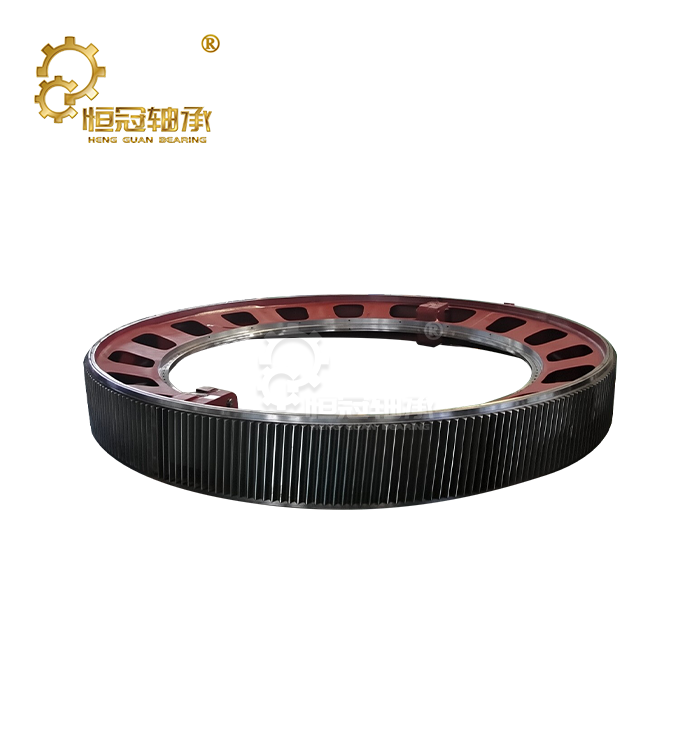
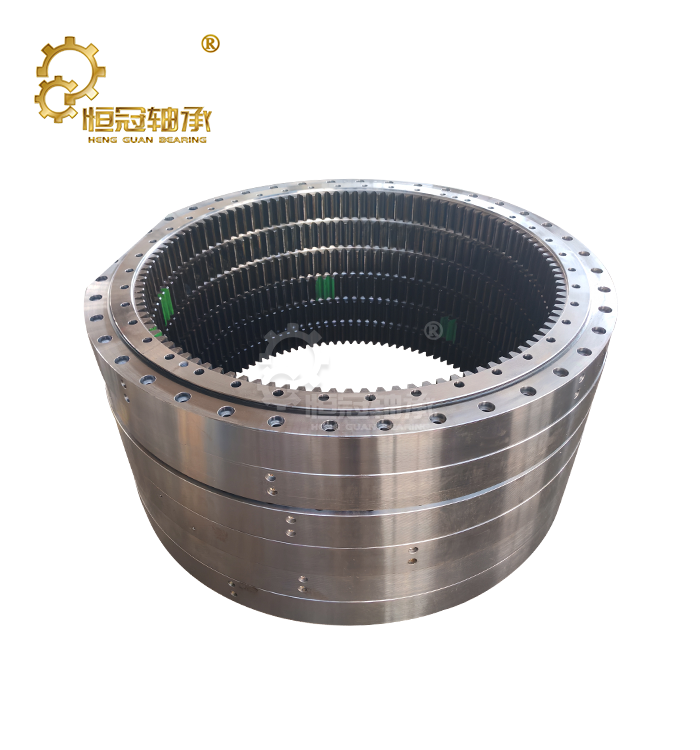
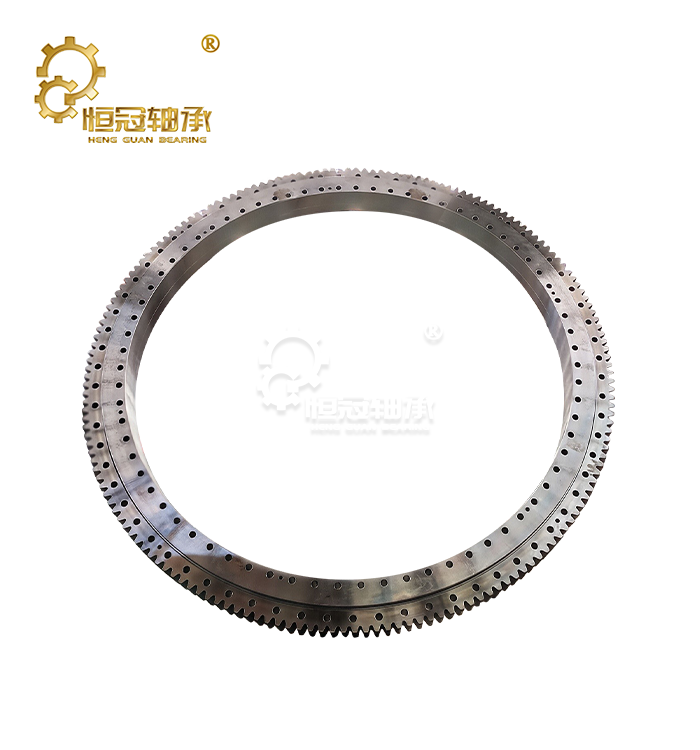
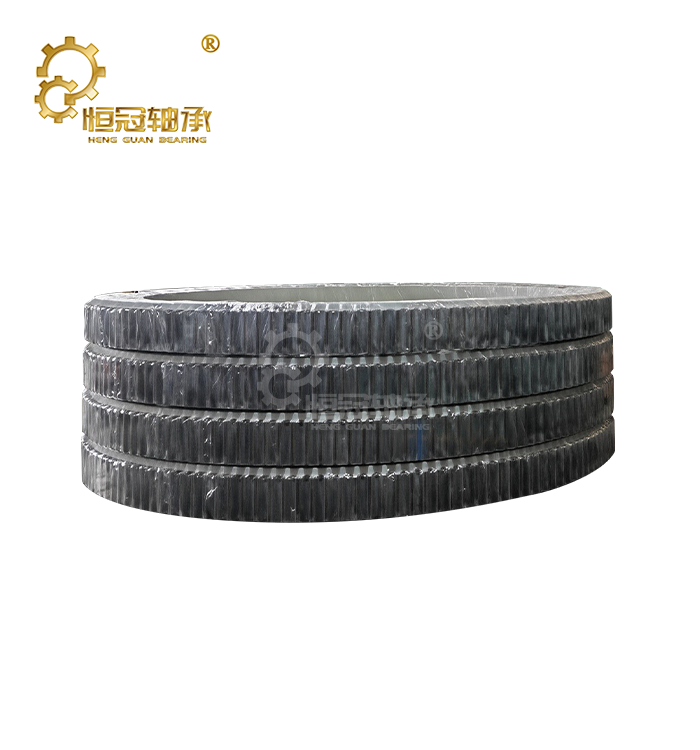
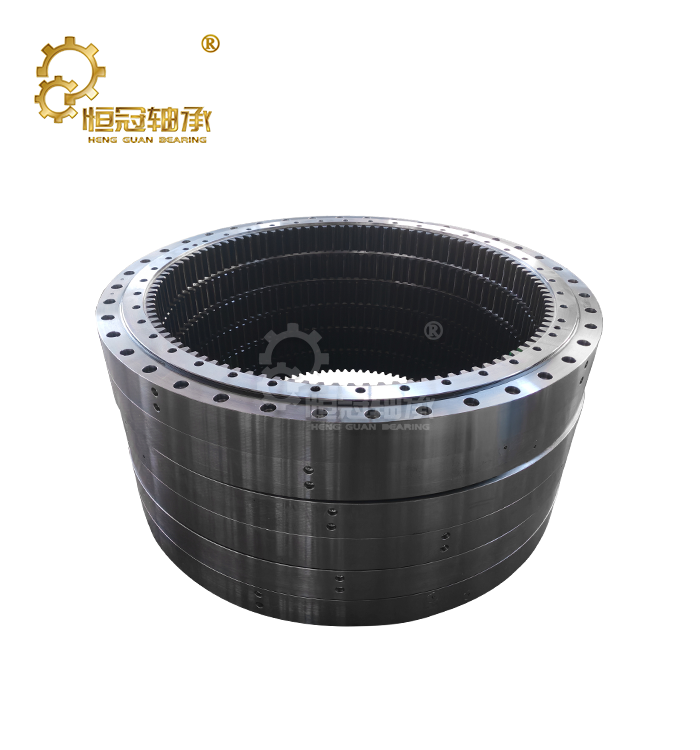
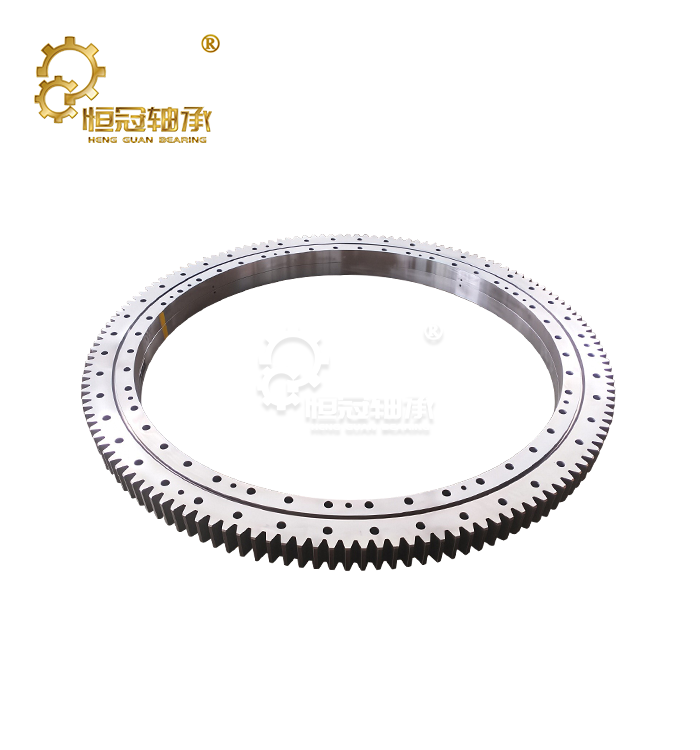
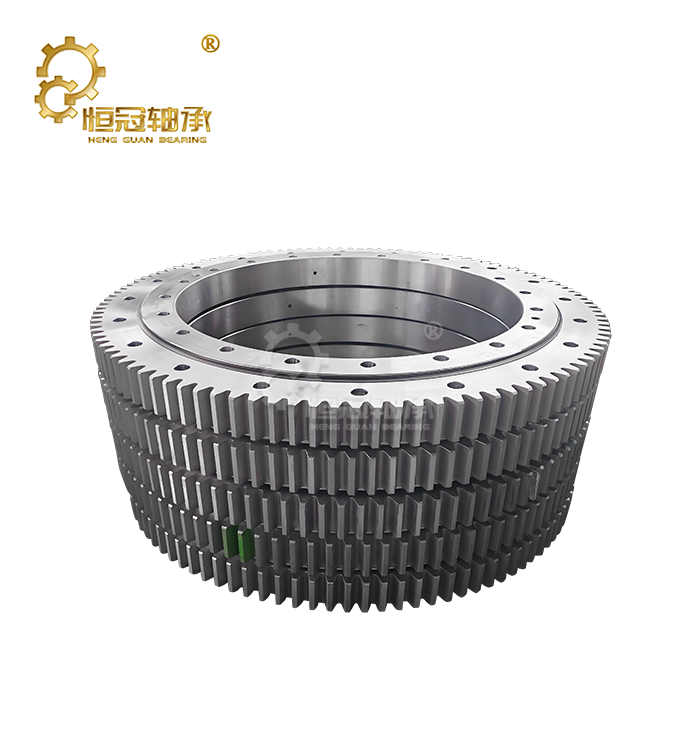
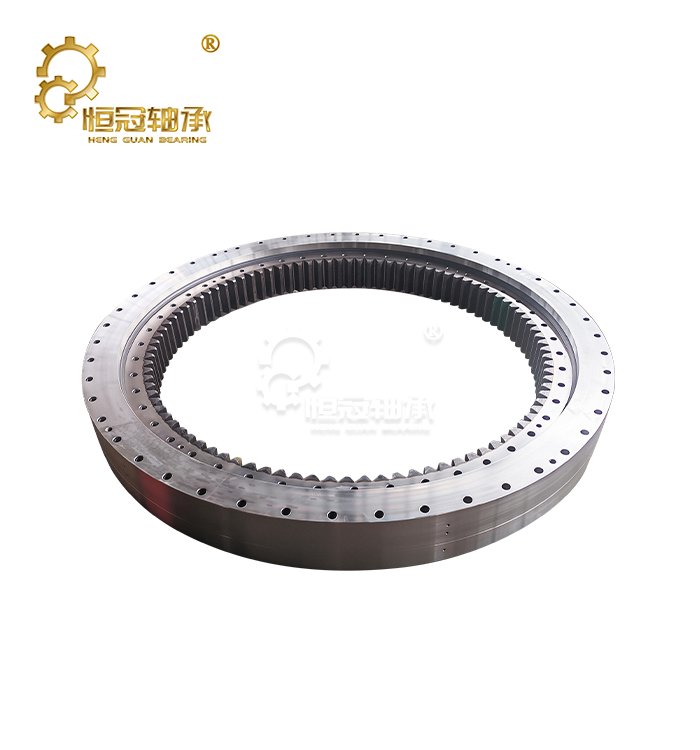
Crane Slewing Bearings are complex pieces of engineering that are made to handle the complicated mechanical needs of heavy lifting. These parts, which are sometimes called turntable bearings or slewing rings, have fixing holes, gear mechanisms, and high-tech sealing systems built right in. This lets them rotate precisely 360 degrees even when they're under a lot of weight.
Fundamental Structure and Operating Principles
Slewing bearings are built with various raceway configurations so that different types of loads are spread out effectively. Triple-row roller systems divide the radial, upper, and lower raceways. This lets each row of rollers handle different types of load. This setup increases the amount of weight that can be carried while keeping the structure strong during tough operations. The type of material used is very important for how long a bearing lasts. Higher kinds of material, like 50Mn, 42CrMo, and S48C, have better strength properties. Specialized heat treatments are used on these materials to get them to the right amount of hardness while still meeting the toughness standards for shock load resistance.
Critical Maintenance Requirements
Heavy-duty lifting settings have their own problems that need to be dealt with in repair plans that work. To keep wear patterns from starting too soon, you need to pay extra attention to wind shear forces, center-of-gravity changes during load handling, and stick-slip friction effects. Environmental factors like dust, wetness, and changes in temperature have a big effect on how well bearings work. When sealing systems are done right, they keep internal parts clean and ensure that the greasing works well in all kinds of operating situations.
Identifying Common Problems in Crane Slewing Bearings
Knowing how failures happen in Crane Slewing Bearing lets you do preventative maintenance that keeps your operations running smoothly and saves you money. Load-induced fatigue is the main way that things wear out, especially when bearings go through repeated stress cycles that are higher than what was intended.
Root Causes of Bearing Wear and Failure
Problems with contamination often happen because of poor seals or bad upkeep. When abrasive particles get into the raceway system, they speed up the wear patterns that make the bearing less accurate and less able to hold weight. When moisture gets in, it causes rust, which mostly affects the gear teeth and raceway surfaces. Lubrication problems show up when there isn't enough lubricant, the quality of the lubricant has gone down, or the wrong kind of lube was used for the job. These problems cause more friction, higher working temperatures, and faster wear and tear on parts.
Early Detection Techniques
Monitoring tools let you find problems early on, before they get worse and cause big failures. Here are the key signs that repair teams should keep an eye on:
- Acoustic monitoring — Weird noise patterns like grinding, clicking, or rumbling sounds could mean that the raceways are damaged or there are problems with the greasing.
- Vibration analysis — Increased shaking levels or changes in frequency can be a sign of structural problems, imbalance, or worn bearings.
- Temperature monitoring — High working temperatures often mean that the grease is breaking down or there is too much friction inside the machine.
- Visual inspection protocols — Seals, gear teeth, and mounting surfaces should be looked at regularly to find early signs of wear or contamination.
When used regularly across repair schedules, these tracking methods give useful diagnostic information.
Case Study Evidence
Industry data shows that proactive tracking cuts down on unexpected downtime by about 40% compared to reactive repair. When operations use thorough inspection methods, they report that bearing service lives are extended by 25 to 30 percent because problems are found and fixed quickly.
Best Practices for Crane Slewing Bearing Maintenance
For bearings to work reliably over long periods of service, they need to be maintained in a certain way. The frequency of routine inspections should be in line with the level of operating activity, the surroundings, and what the manufacturer recommends.
Inspection and Lubrication Protocols
Maintenance plans for Crane Slewing Bearing depend on how often the equipment is used. For example, heavy-duty uses need checks every month, while moderate-use equipment may only need them every three months. Raceway state, seal integrity, gear tooth wear, and mounting bolt torque specs are some of the most important things to check during a checkup. Management of lubrication includes both amount and quality issues. High-temperature lithium complex greases work better in tough situations, and special closing technologies keep oil from leaking out and dirt from getting in.
Cleaning and Protection Measures
Strategies for preventing contamination have a big effect on how long bearings last. Cleaning regularly gets rid of built-up dirt and grime, and coats that protect surfaces from rust stop damage. Improvements to environmental sealing make security better in tough working circumstances.
Here are the most important safety steps that will make bearings last longer:
- Comprehensive cleaning protocols — Every week, dirt, trash, and wetness that have built up on bearing surfaces and mounting areas are removed.
- Advanced sealing systems — Using multi-stage closing designs that are better at keeping out contamination.
- Corrosion protection — Putting on protective layers and checking the surface often to keep it from breaking down.
- Environmental shielding — Putting up guards and covers to keep workers from being exposed to hard weather and industrial pollutants.
During the bearing's service life, these protective tactics work together to keep the working conditions at their best.
Scheduled maintenance methods let you get a full picture of the state of a bearing and replace worn parts before they break. When something needs to be replaced doesn't depend on random time intervals, but on operational hours, load history, and inspection findings.

Advanced Maintenance Solutions and Procurement Considerations
Choosing high-performance bearing options lowers the amount of upkeep that needs to be done and raises the reliability of operations. Premium material combinations and improved design features make things last longer, which makes the higher original cost worth it because they save money over time.
Superior Material Technologies
New developments in advanced metals have made it possible to create bearings that can hold more weight and last longer between servicing. Specialized processing is used on premium steel types to get the best microstructural qualities for heavy-duty uses. By keeping internal parts clean from dirt and dust, sealed bearing setups reduce the amount of upkeep that needs to be done. These designs use modern elastomeric binding materials that work well at a lot of different temperatures and don't break down easily when exposed to chemicals.
Strategic Procurement Partnerships
Working with manufacturers who have a lot of knowledge lets you get custom solutions that meet your specific operating needs. Quality certifications and thorough testing methods make sure that the product is reliable, and expert support services make upkeep easier. Engineering relationships make it possible to make changes to the design that improve the performance of bearings for specific uses. Custom gear ratios, unique material choices, and changed sealing arrangements can all help with specific operating problems while keeping standard factory efficiency high.
Maintenance Optimization Through Technology and Service Support
Condition-based tactics that improve Crane Slewing Bearing performance while minimizing operating delays are made possible by modern maintenance technologies. Sensor systems collect tracking data in real time, which helps make accurate choices about when to do maintenance.
Innovative Monitoring Technologies
Wireless sensor networks constantly gather operational data, such as sound, pressure, and temperature traces. This data is processed by advanced analytics systems that look for problems that are getting worse and guess how much maintenance will be needed. Predictive maintenance programs look at past performance data to find out what the normal conditions are and find changes that could mean problems. These systems make it possible to schedule maintenance based on the real state of the bearings instead of set times.
Professional Installation and Support Services
How the bearings are installed has a big effect on how well they work and how long they last. Professional installation teams make sure that the right fitting steps are taken, that the right preload settings are made, and that the right amount of grease is applied during the initial setup. Ongoing technology helps maintenance experts use useful tools for improving their work and fixing problems. Service contracts usually include regular checks, expert advice, and emergency support services that make operations more reliable while lowering the amount of work that needs to be done by internal maintenance staff.
|
|


Conclusion
To keep Crane Slewing Bearings in good shape so they last longer, you need to come up with a complete plan that includes check schedules, lubrication management, keeping the bearings clean, and constant tracking. To be successful, you need to set up regular repair plans, use the right tracking tools, and work with experienced bearing makers to form partnerships. These methods help workers reach their goals of service life topping 100,000 hours while lowering the costs of unplanned downtime and upholding safety standards.
FAQ
How often should crane slewing bearings be inspected?
How often you inspect relies on how busy your operations are and what the surroundings are like. Comprehensive inspections are usually needed once a month for heavy-duty uses and every three months for moderate-use tools. For important safety uses, visual checks may need to be done once a week, along with thorough exams once a month.
What are the early warning signs of bearing failure?
Strange noises like grinding or clicking, higher energy levels, higher working temperatures, and wear on seals or gear teeth are some of the main signs that something is wrong. When the temperature goes above the standard working range, it usually means that there are problems with the lubrication or internal damage that needs to be fixed right away.
Why choose OEM-customized bearings over standard options?
Customized bearing solutions meet particular operating needs by using better materials, higher load rates, and better sealing systems. These changes usually give modified bearings 20 to 30 percent longer service life than standard bearings. They also lower the number of times they need to be serviced and increase working efficiency in tough situations.
Contact Heng Guan for Premium Crane Slewing Bearing Solutions
Heng Guan makes excellent customized crane slewing bearing options that are designed to last and work well in tough industrial settings. Our wide range of products includes triple-row rollers made from high-quality materials like 42CrMo and 50Mn steel and available in precision grades from P0 to P4. As a manufacturer with a lot of experience in making crane slewing bearings, we offer unique engineering solutions, reasonable prices, and full expert support. Email us at mia@hgb-bearing.com to talk about your unique needs and find out how our cutting-edge bearing technologies can help you run your crane more efficiently and save you money on the total cost of ownership.
References
1. Industrial Bearing Maintenance Guidelines for Heavy Machinery Applications, American Society of Mechanical Engineers, 2023.
2. Slewing Ring Bearing Technology and Performance Analysis in Construction Equipment, International Journal of Mechanical Engineering, Volume 45, 2024.
3. Predictive Maintenance Strategies for Large-Scale Rotational Bearings in Industrial Applications, Maintenance Engineering Research Institute, 2023.
4. Advanced Materials and Heat Treatment Processes for Heavy-Duty Bearing Applications, Materials Science and Engineering Quarterly, Issue 3, 2024.
5. Contamination Prevention and Sealing Technologies in Industrial Bearing Systems, Tribology International Research, Volume 78, 2023.
6. Condition Monitoring and Diagnostic Techniques for Crane Slewing Bearing Systems, Mechanical Systems, and Signal Processing Journal, 2024.

WHAT OUR CUSTOMERS SAY
Here is the customer's evaluation of us