




How to Find the Best Pinion Shaft Manufacturer for Your Project?
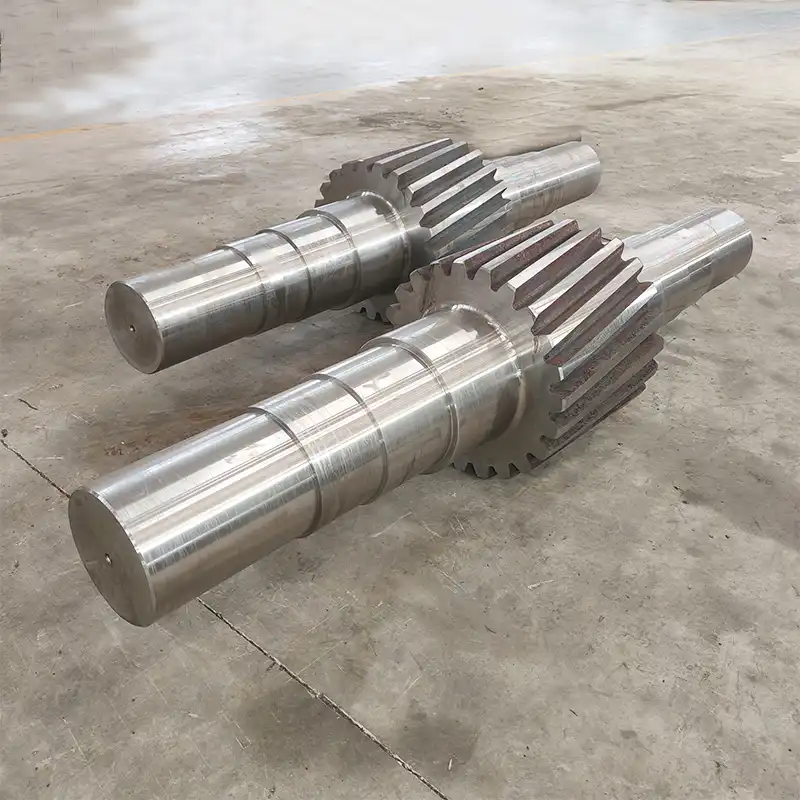
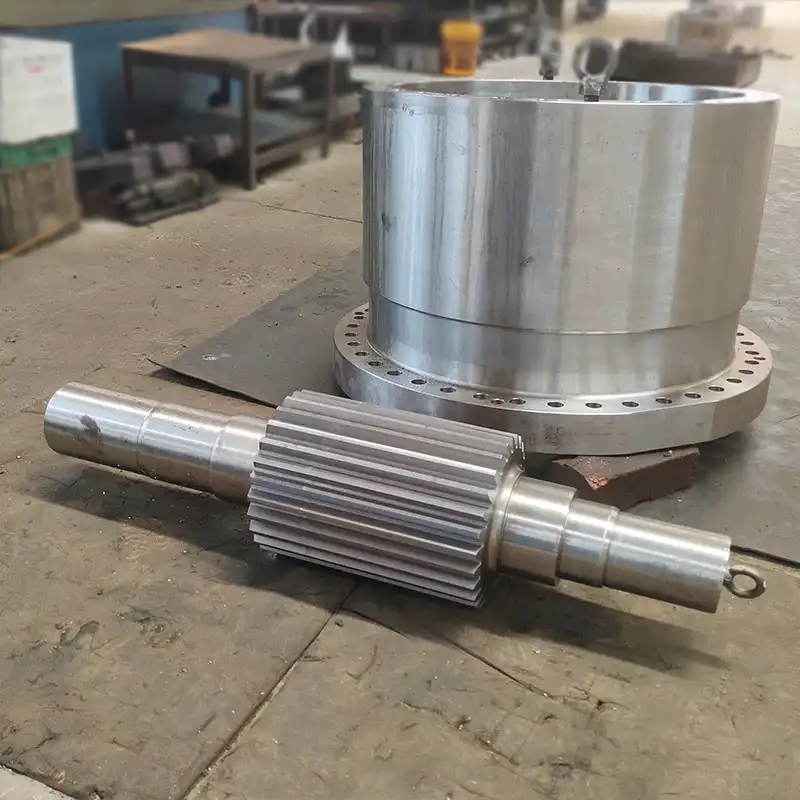
It's not easy to pick the right partner for a key drivetrain part, which is why so many buyers ask how to find the bestShaft/pinion-shaft"> pinion shaft manufacturer for their project.LYHGB (Luoyang Heng Guan Bearing Technology Co., Ltd.) has been making precision-machined pinion shafts for more than 20 years. Their products have been sent to more than 50 countries in North America, Europe, Southeast Asia, and the Middle East, and are used in everything from construction machinery to renewable energy. This guide will show you what makes a good provider different from a bad one. It will cover things like materials, heat treatment, precision cutting, quality systems, and customization, so you can choose with confidence before you place your order.
|
|
What Should You Look for in a Reliable Pinion Shaft Manufacturer?
You shouldn't just look at price to find a good pinion shaft supplier. Because a pinion shaft has to mesh correctly while carrying heavy radial and axial loads, you should pay close attention to how much the factory can produce, how well they support engineers, and how regularly they keep standards tight across batches. You should think of a good supplier as more than just a vendor. Check to see if the factory does the whole process itself, from forging to heat treatment to precise grinding and final inspection. Outsourced steps can cause variations that show up as tooth wear or changes in size.
| Evaluation Factor | What to Check | HGB Capability |
|---|---|---|
| Manufacturing experience | Years in business, project references, industry breadth | 20+ years; 50+ export countries |
| In-house process control | Forging → machining → heat treatment → grinding → testing | Full-process production base in Luoyang, China |
| Machining precision | CNC capability, gear accuracy grade | Gear accuracy GB 5-6 / ISO 1328 Class 6-7; shaft runout ≤ 0.02 mm |
| Material traceability | Steel certification, batch records | Spectrometer verification; mill certificates with each shipment |
| Testing equipment | Hardness testers, CMM, ultrasonic & magnetic particle | CMM full inspection, Rockwell hardness, UT & MT per batch |
| Lead time & logistics | Global shipping experience, packaging | 4–6 weeks standard; 8–10 weeks complex; export-grade anti-rust crating |
Pinion Shaft Materials, Heat Treatment, and Precision Machining Capabilities
Material selection is where pinion shaft performance is decided. Most industrial shafts start as forged alloy steel — 20CrMnTi, 42CrMo, or 40Cr — each balancing toughness, hardenability, and fatigue resistance differently. After forging, carburizing brings the tooth surface to HRC 58–62 while the core is quenched and tempered to HRC 28–32, giving wear-resistant teeth with a shock-absorbing core. This dual-hardness strategy is what separates a shaft that runs for years from one that cracks under cyclic loading. Heat treatment consistency is where many low-cost suppliers fall short — if carburizing depth or tempering temperature drifts, you get pitting, spalling, or sudden fracture. At HGB Bearing, every shaft passes controlled quenching and tempering with hardness-gradient verification, followed by precision grinding on journal seating surfaces. Shaft shoulders use fillet transitions to reduce stress concentration, and bearing seating surfaces are ground to ensure correct interference fit.
| Technical Parameter | Specification |
|---|---|
| Shaft diameter (standard) | φ50 mm – φ500 mm |
| Shaft diameter (custom max) | φ800 mm |
| Total length (standard) | 300 mm – 3,000 mm |
| Total length (custom max) | 6,000 mm |
| Single-piece weight | 5 kg – 500 kg |
| Gear module | M3 – M20 |
| Tooth type | Spur, helical, bevel |
| Gear accuracy | GB 5-6 / ISO 1328 Class 6-7 |
| Shaft material | 20CrMnTi / 42CrMo / 40Cr (custom alloys available) |
| Tooth surface hardness | HRC 58–62 (carburized) |
| Core hardness | HRC 28–32 (quenched & tempered) |
| Shaft runout tolerance | ≤ 0.02 mm (verified with dial indicator at installation) |
| Connection type | Keyway, spline, flange, or custom interface |
| Structure | Gear-shaft integrated; single-piece forged, fully machined |
How Do You Choose the Right Pinion Shaft for Heavy-Duty Industrial Applications?
The "right" pinion shaft depends on load direction, rotational speed, and operating environment. A wind turbine yaw drive, a port crane slewing mechanism, a mining excavator swing gear, and a marine propulsion system each impose very different stress patterns. Rolling mills demand continuous heavy torque with minimal backlash drift; marine systems need corrosion-resistant alloys. That's why sharing your torque, speed, and duty-cycle data early — before a design is finalized — matters. Our engineering team at HGB Bearing (reachable at mia@hgb-bearing.com) regularly matches shaft diameter, tooth profile, material, and heat treatment depth to real-world forces, confirming gear mesh compatibility before production begins.
| Application | Typical Load Type | Recommended Feature | Key Requirement |
|---|---|---|---|
| Wind power yaw/pitch | Variable cyclic load, long service intervals | 20CrMnTi carburized, HRC 58–62 surface | High-fatigue strength, low-maintenance |
| Port crane slewing | Heavy radial + moment load | 42CrMo induction-hardened, reinforced tooth | Load capacity, backlash stability |
| Mining equipment | Shock loading, contaminated environment | 40Cr deep case hardening, robust seal | Impact resistance, wear durability |
| Steel rolling mill | Continuous high torque | 42CrMo quenched & tempered, precision-ground | Torque transmission, thermal stability |
| Marine propulsion | Corrosive environment, variable load | Custom corrosion-resistant alloy + coating | Saltwater resistance, special sealing |
| Construction machinery | Continuous duty, dusty conditions | 20CrMnTi carburized, keyway or spline | Reliability, ease of maintenance |
Custom Pinion Shaft Design, Quality Control, and Industry Certifications
Custom design flexibility is essential when choosing a pinion shaft manufacturer. Whether you need a non-standard flange, modified tooth count, a shaft for a legacy gearbox, or a reverse-engineered replacement, a capable factory should move from drawing review to prototype quickly. HGB Bearing supports full non-standard design — including reverse engineering from physical samples — with custom tooth types, modified modules, alternative materials, and tailored connection interfaces. Quality control matters equally: every shaft passes spectrometer material analysis, ultrasonic forging inspection, CMM gear geometry measurement, hardness-gradient verification, and magnetic particle crack detection before shipment. Each order includes material test certificates. ISO 9001:2015 is the baseline; RoHS and CE are available on request. This customer-centered approach — tailoring each shaft to real operating requirements rather than a generic catalog spec — is what keeps HGB Bearing's quality consistent across batches and industries.
| Quality Checkpoint | Inspection Method | Acceptance Standard |
|---|---|---|
| Raw material composition | Spectrometer chemical analysis | 20CrMnTi / 42CrMo / 40Cr per mill certificate |
| Forging internal defects | Ultrasonic testing (UT) | No internal cracks, inclusions, or voids |
| Gear tooth geometry | CMM full inspection | GB 5-6 / ISO 1328 Class 6-7 |
| Surface hardness | Rockwell hardness test | HRC 58–62 (carburized tooth surface) |
| Core hardness | Rockwell hardness test | HRC 28–32 (quenched & tempered core) |
| Surface cracks | Magnetic particle inspection (MT) | No indications in critical zones |
| Shaft runout | Dial indicator on bearing journals | ≤ 0.02 mm rotation runout |
| Final dimensions | CMM / caliper verification | All dimensions within drawing tolerance |
Conclusion
Selecting the right pinion shaft manufacturer comes down to material quality, precision machining, and genuine engineering support. HGB Bearing combines all three — 20+ years of manufacturing experience, in-house forging through final grinding, carburized hardness of HRC 58–62, gear accuracy to ISO 1328 Class 6, and a 50+ country export network — helping customers worldwide build more reliable, longer-lasting equipment.
FAQ
Q: What materials are typically used for pinion shafts?
A: Forged alloy steel is most common — 20CrMnTi, 42CrMo, and 40Cr are the standard choices, each offering different balances of toughness, hardenability, and fatigue resistance after heat treatment.
Q: How does heat treatment affect pinion shaft performance?
A: Carburizing brings the tooth surface to HRC 58–62 for wear resistance, while quenching and tempering keep the core at HRC 28–32 for toughness and shock absorption. This dual-hardness structure is critical for long service life under cyclic loading.
Q: Can pinion shafts be custom designed?
A: Yes — dimensions (up to φ800 mm × 6,000 mm), tooth type (spur, helical, bevel), gear module (M3–M20), material, and connection interface (keyway, spline, flange) can all be tailored. Reverse engineering from physical samples is also supported.
Q: What industries commonly use heavy-duty pinion shafts?
A: Wind power, construction, mining, ports, steel rolling, marine propulsion, and industrial gearboxes are among the most common applications.
Q: How is pinion shaft quality verified before shipment?
A: Every shaft passes spectrometer material analysis, ultrasonic forging inspection, CMM gear geometry measurement, Rockwell hardness testing (surface and core), and magnetic particle crack detection, with documented certificates included.
Source Your Next Pinion Shaft with Engineering Confidence
Don't let an under-specified drivetrain component put your project at risk. HGB Bearing delivers ISO-certified pinion shaft solutions in 20CrMnTi / 42CrMo / 40Cr steel, with carburized tooth hardness of HRC 58–62, gear accuracy to ISO 1328 Class 6, shaft diameters from φ50 mm to φ800 mm, and full NDT + CMM inspection on every unit — backed by 20+ years of cross-industry experience and a 50+ country export network. Send your drawings, torque specs, or sample photos to mia@hgb-bearing.com today and receive a tailored recommendation with a quotation within 24 hours.
References
1. American Gear Manufacturers Association (AGMA) — Gear and Pinion Design Standards.
2. ASM International — Heat Treater's Guide: Practices and Procedures for Steel.
3. Budynas, R. G., & Nisbett, J. K. — Shigley's Mechanical Engineering Design, McGraw-Hill.
4. ISO 6336 — Calculation of Load Capacity of Spur and Helical Gears, International Organization for Standardization.
5. ISO 1328 — Cylindrical Gear Accuracy Tolerance System, International Organization for Standardization.
6. ISO 9001:2015 — Quality Management Systems Requirements, International Organization for Standardization.

WHAT OUR CUSTOMERS SAY
Here is the customer's evaluation of us
YOU MAY LIKE
 VIEW MOREExcavator Slewing Bearing
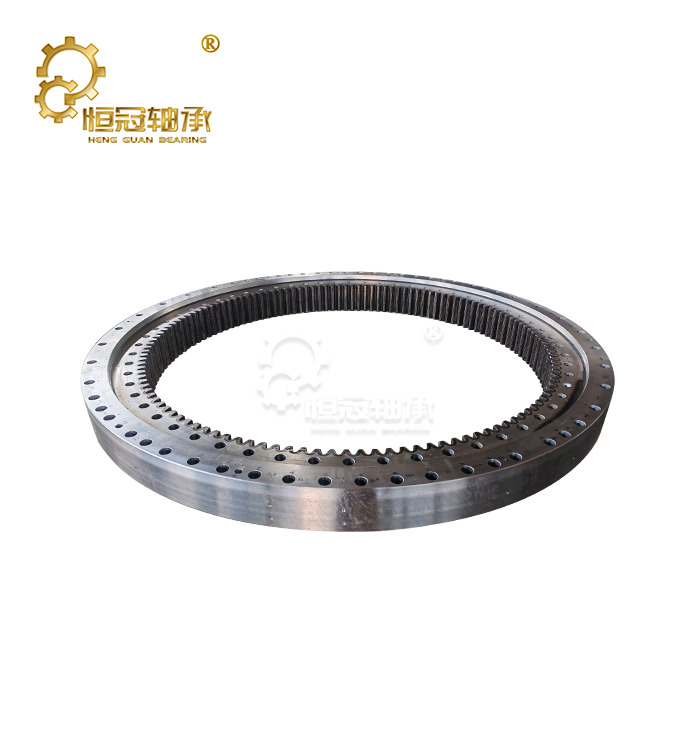 VIEW MORELiebherr Excavator slewing bearing
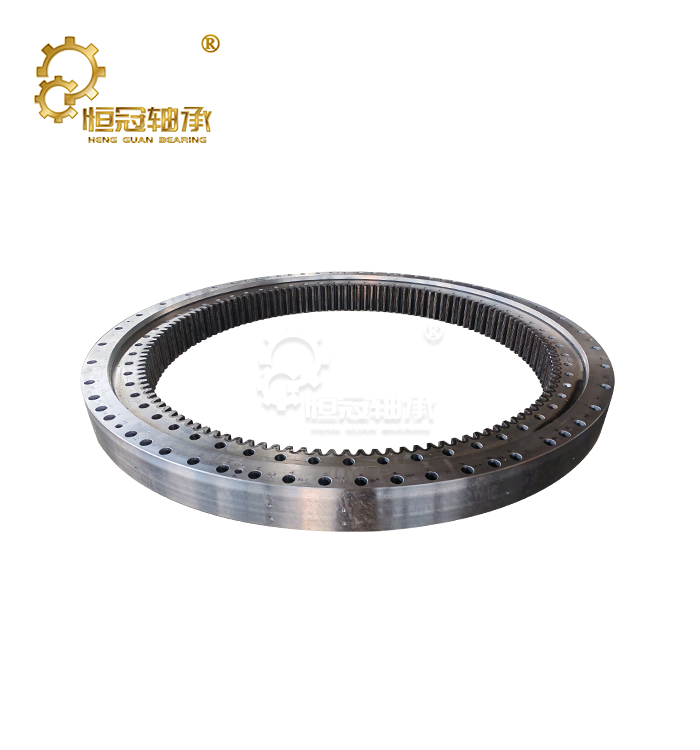 VIEW MOREJcb Excavator slewing bearing
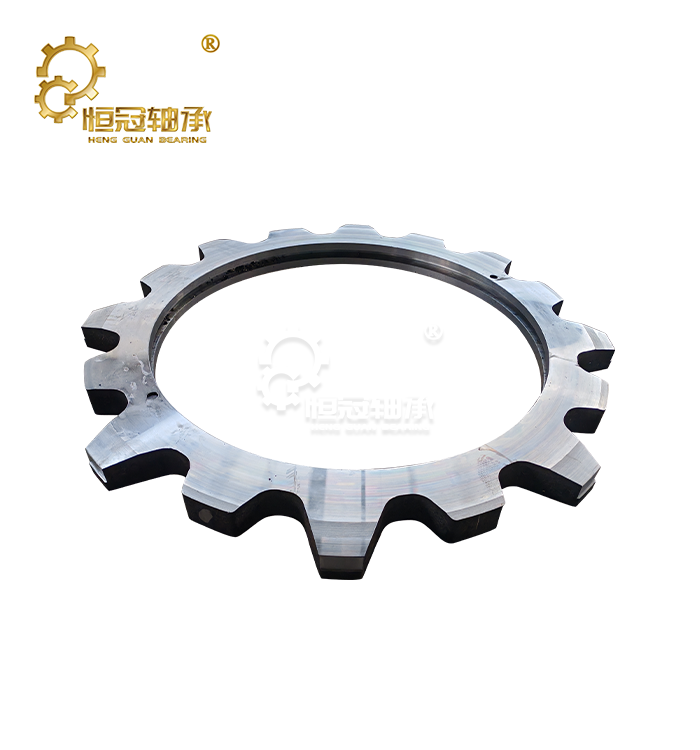 VIEW MOREOem Mining Equipment Gears
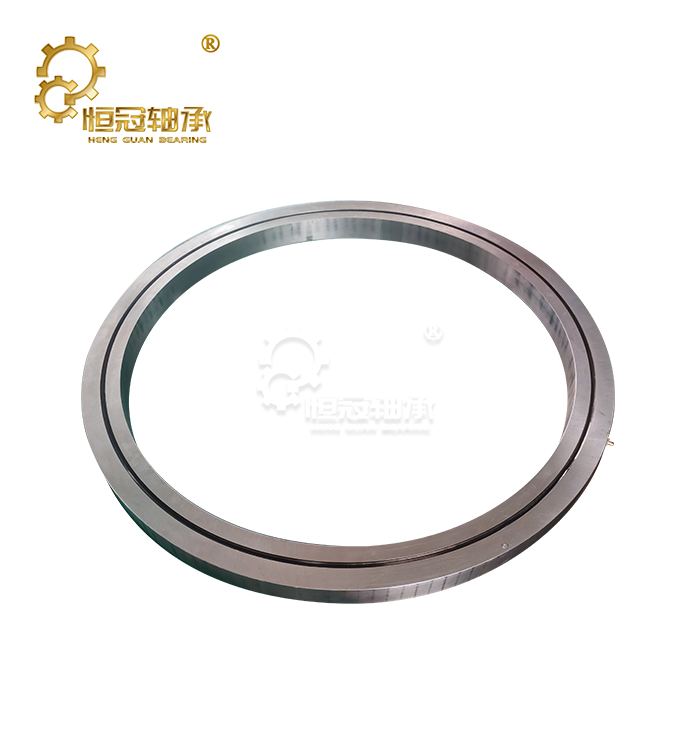 VIEW MORECrossed Cylindrical Roller Bearings
 VIEW MOREDigger Slew Ring
 VIEW MORERotary Drilling Rig Slewing Bearing
_1767784942887.webp) VIEW MOREDouble-Row Ball Slewing Ring Bearing
VIEW MOREDouble-Row Ball Slewing Ring Bearing