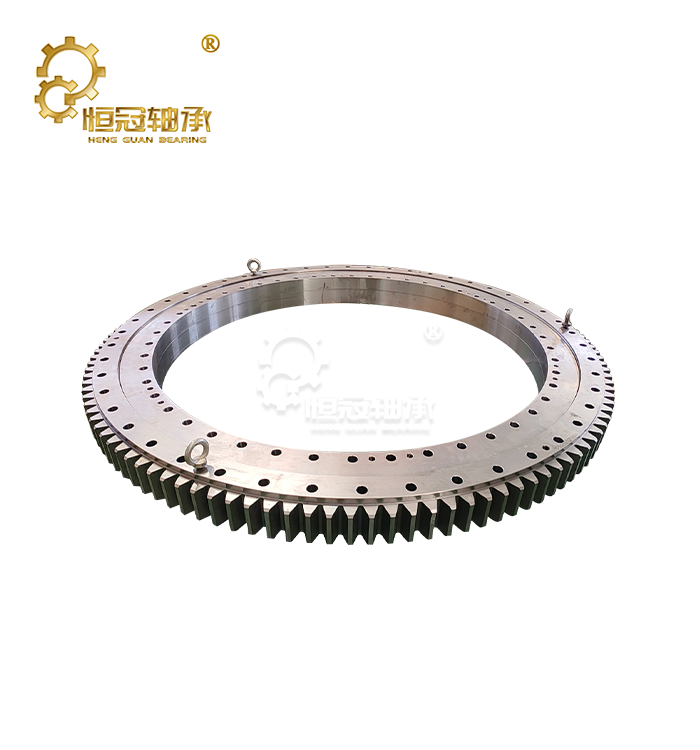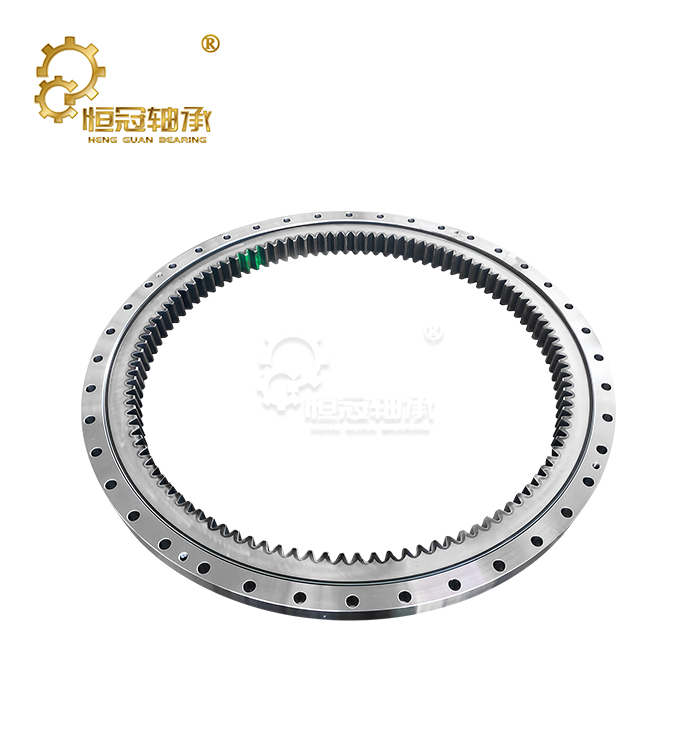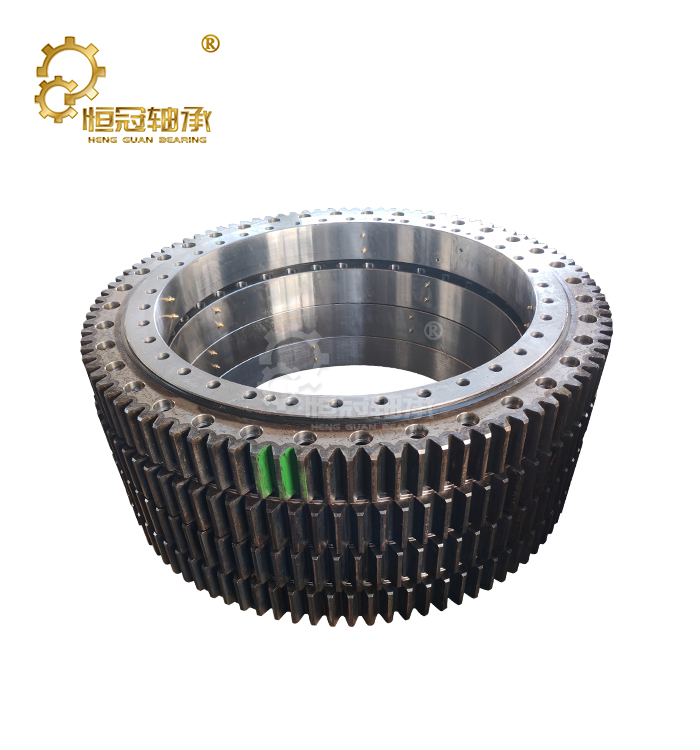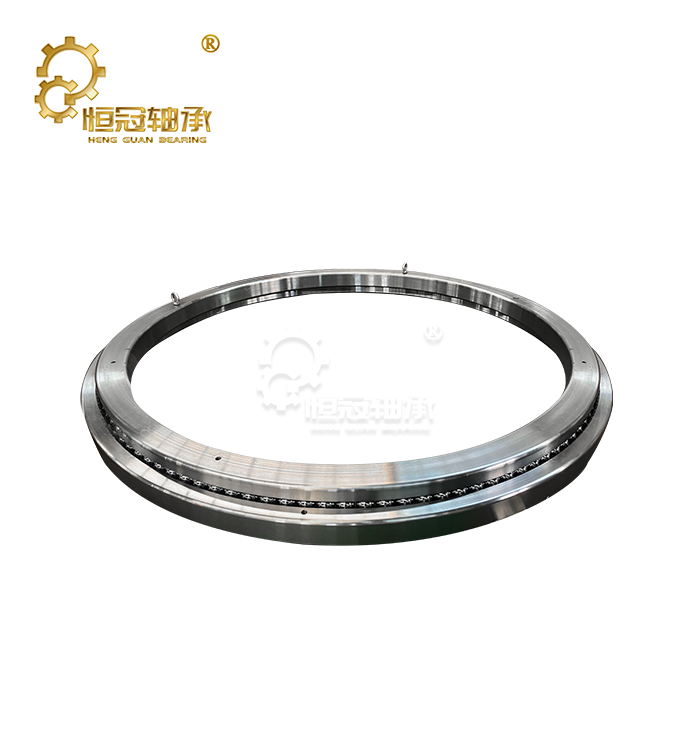




How to Find Reliable Internal Gear Rotary Slewing Bearing Suppliers
Finding dependable suppliers for Internal Gear Rotary Slewing Bearings, requires more than comparing prices or checking product catalogs. For industrial buyers, supplier selection directly affects equipment reliability, maintenance costs, and long-term operational performance. A qualified manufacturer should demonstrate strong engineering capabilities, consistent production quality, customization experience, and reliable technical support.
When choosing from the available suppliers, buyers should consider many aspects of possible suppliers, such as manufacturing competence, material selection, quality control system, application knowledge, delivery performance, and after-sales support. As a rule, professional producers of slewing bearings provide extensive technical documentation, traceability of production, and engineering assistance to verify that the design of the bearing corresponds to the real working circumstances.
As the need for industries like construction machinery, renewable energy, automation equipment, and port handling systems increases, the proper supplier has become an integral part of equipment development and procurement management.
What Buyers Should Know About Internal Gear Rotary Slewing Bearings?
Design Features and Operating Advantages
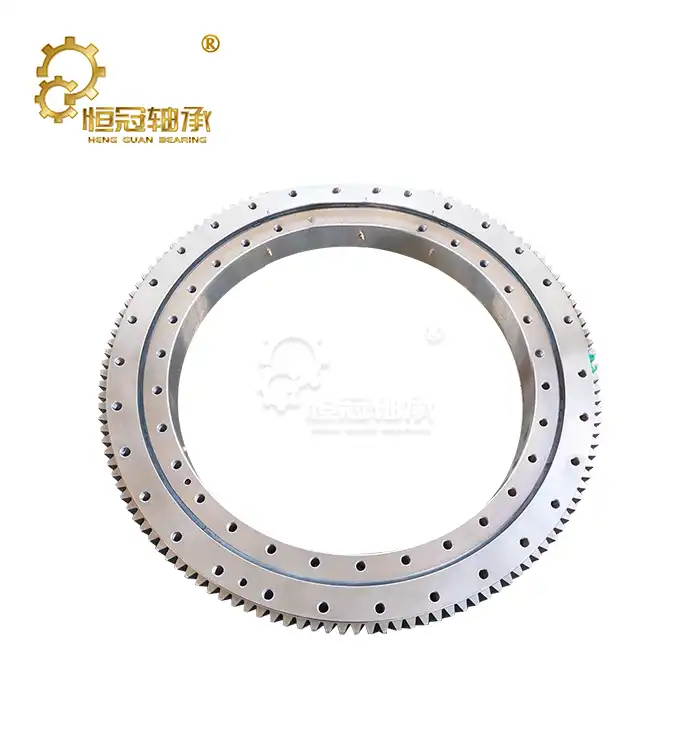
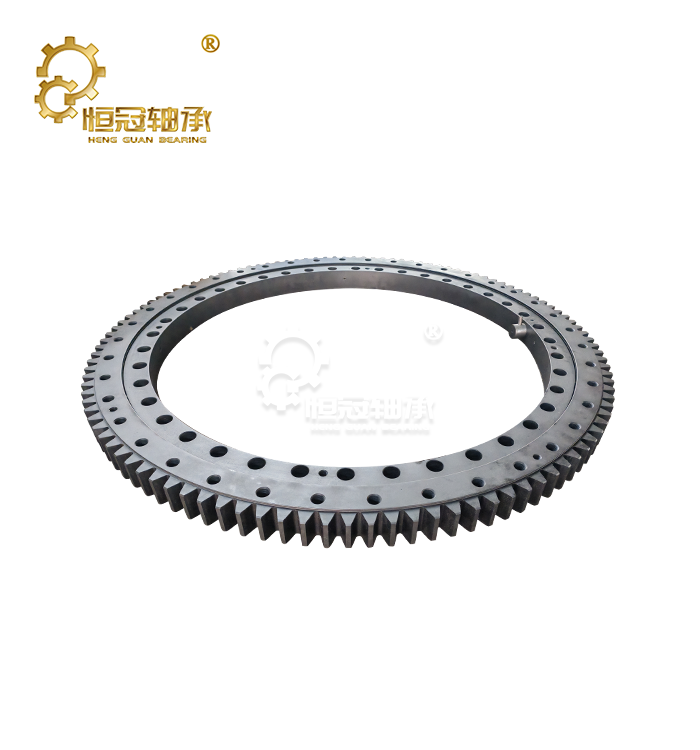
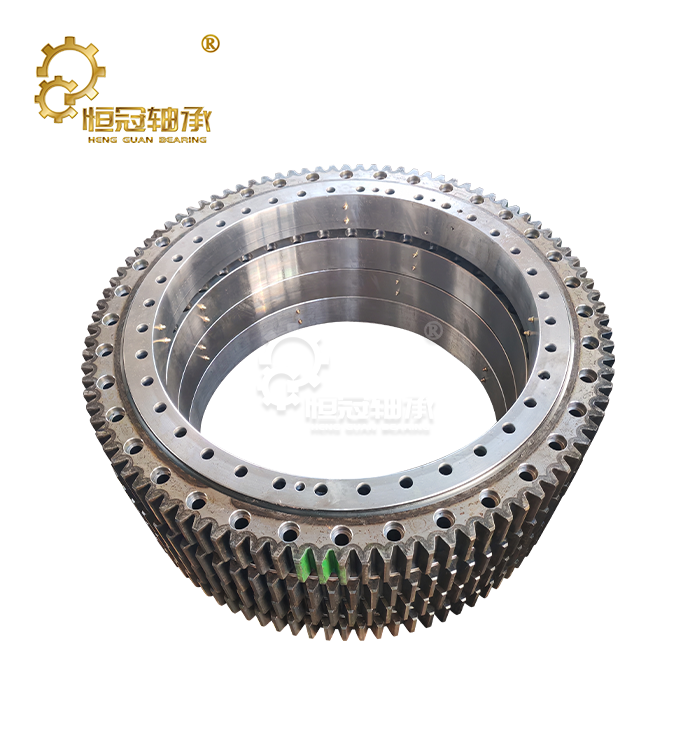
The internal gear rotary slewing bearings are designed to carry combined loads and provide controlled rotation. As opposed to standard bearings that can only support basic axial and radial loads, slewing bearings are designed for applications that require support for axial forces, radial forces, and tilting moments at the same time.
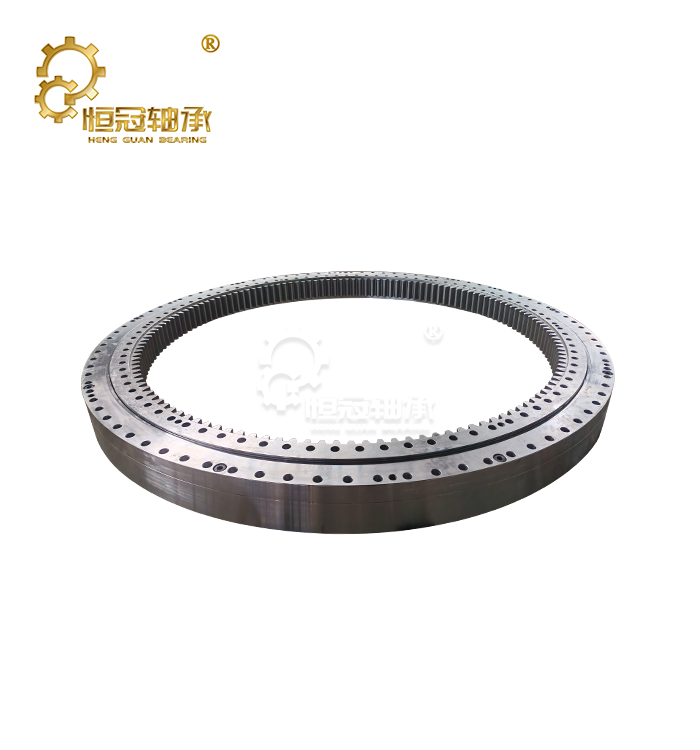
The drive teeth are on the inner ring of the bearing internal gear structure.
This setup has a few benefits:
Small exterior footprint for space-constrained equipment
Improved protection of the gear system from outside interference
Transmission efficiency from the drive mechanism to the bearing rotation system
Flexible integration in cranes, excavators, industrial robots, and other heavy-duty equipment
These types of bearings are frequently run under harsh conditions, and manufacturers typically utilize sophisticated heat treatment procedures to enhance the raceway hardness, wear resistance, and fatigue performance. For this application, alloy steels like 42CrMo and steels like 50Mn are frequently used since they give a good combination of strength, toughness, and durability.
But the bearing performance is not only decided by the material selection. The manufacturing process, the machining accuracy, the gear processing quality, and the inspection process determine the reliability of the final product.
Common Structures and Material Considerations
Different bearing structures are required depending on the application. Before choosing a supplier, consumers should know if the manufacturer has experience in the sort of bearings they need.
Typical setups are
Four-point contact ball slewing bearings, single row
They are extensively employed when compact design and moderate load capacity are required for equipment. They are a useful option for machinery needing support for axial and radial loads.
Cross roller slewing rings
Cross roller construction has cylindrical rollers at alternate angles. The construction is more stiff and has better rotational accuracy and is therefore suited for automation equipment, precision machinery, and positioning systems.
Slewing bearings with three rolling rows
Three-row roller constructions are more loadable as various rows of rollers carry different forces separately. They are used for very heavy purposes such as big cranes, mining equipment, and offshore apparatus.
Selection of materials is yet another key factor in the assessment of suppliers. Good manufacturers should be able to offer material certificates and justify the reason for selecting certain grades of steel for certain applications.”
For example:
42CrMo alloy steel is a popular choice for applications needing high strength and impact resistance.
50Mn steel has strong wear resistance and is widely utilized in the big industrial slewing bearing applications.
A good supplier will not just recommend conventional materials but will assess operating parameters such as load, speed, environment, and service requirements.
How to Evaluate the Technical Capability of a Slewing Bearing Supplier?
Review Manufacturing Equipment and Production Experience
Critical manufacturing competencies include:
Big CNC machining equipment
Gear-processing machines,
Heat treating equipment
Grinding machine equipment
Measurement techniques for coordinates
Surface hardness test
For large diameter slewing bearings, manufacturing experience is more crucial since the larger the bearing size, the more difficult the machining accuracy is.
Suppliers that can supply bearings from tiny diameters to huge sizes (several meters in diameter) tend to have more engineering experience and production flexibility.
Buyers should look beyond equipment:
Years of manufacturing experience
Previous application sectors
Production capabilities
Expertise of the engineering team
Ability to meet custom needs
A manufacturer who has an understanding of the actual conditions of use can make better recommendations than a supplier who deals exclusively in “standard catalog” products.
Verify Quality Control and Testing Procedures
One of the primary evaluation criteria for choosing a provider of internal gear rotary slewing bearings should be quality control.
Good manufacturers build inspection processes into the manufacturing process rather than inspecting the finished product.
The steel materials shall be checked for chemical composition and mechanical qualities using the suppliers’ paperwork and test records:
Machining inspection,
Technical specifications shall be defined for critical dimensions, mounting holes, raceway shape, and gear precision.
Heat treatment validation
The performance parameters of raceways and gears are confirmed by hardness testing.
Final Assembly Inspection;
The finished bearing is tested for rotation performance, clearance, lubrication condition, and dimensional accuracy.
When conversing with suppliers, buyers should ask for supporting documents, such as:
Material certificates
Inspection Report
Records of dimensional measurement
Certificates of quality
Product drawings
Test documentation
A professional manufacturer should be able to produce clear quality records, not just marketing claims.
Supplier Qualification Factors Beyond Product Quality
Check Certifications and Manufacturing Transparency
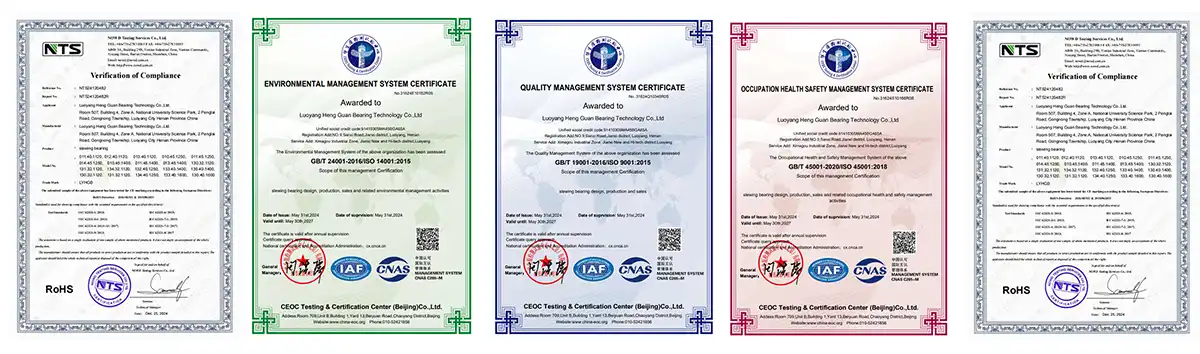
Certifications can provide useful information about a supplier's management system, but buyers should verify what these certifications actually cover.
For example, ISO9001 certification indicates that a company has established quality management procedures. However, buyers should confirm whether the certification applies to actual bearing manufacturing activities rather than only trading operations.
Additional evaluation points include:
Production facility ownership
Quality inspection workflow
Traceability system
Employee technical capability
Documentation management
Manufacturing transparency is often a stronger indicator than certification alone. Suppliers willing to explain production processes, provide technical documents, and support factory audits usually demonstrate greater confidence in their capabilities.
Evaluate Engineering Support and Customization Ability
Many industrial applications require customized bearing solutions rather than standard products.
A reliable supplier should have engineers who can analyze the following:
Equipment load conditions
Rotation speed requirements
Installation limitations
Operating temperature
Dust, moisture, or corrosion exposure
Expected service life
Customization may involve:
Special mounting hole patterns
Modified gear specifications
Different sealing solutions
Alternative materials
Customized dimensions
The ability to provide engineering support separates experienced manufacturers from simple distributors.
For OEM customers, early cooperation with the supplier's engineering team can help optimize the bearing design before production begins. This reduces redesign risks and improves compatibility with the final equipment.
Comparing Different Types of Slewing Bearing Suppliers
Direct Manufacturers vs. Trading Companies
When purchasing internal gear rotary slewing bearings, buyers often need to decide whether to cooperate directly with manufacturers or purchase through distributors and trading companies.
Direct cooperation with manufacturers usually provides several advantages:
Better communication with engineering teams
More flexibility for customized designs
Greater visibility into production processes
Easier access to technical documents
More direct control over quality requirements
For OEM equipment manufacturers and large industrial projects, working directly with a bearing factory can simplify communication because technical requirements can be discussed with engineers who understand the production process.
Distributors, however, can also provide value in certain situations. They may maintain local inventory, provide faster replacement services, and support customers who require standard products rather than customized solutions.
The right choice depends on the purchasing goal. For large projects, specialized equipment, or long-term cooperation, direct manufacturer relationships are often more suitable. For urgent replacement requirements, local distributors may provide practical advantages.
Evaluate Supplier Experience in Specific Application Industries
A supplier's industry experience is another important factor that should not be overlooked.
A manufacturer producing bearings for general machinery may not have the same knowledge as a supplier experienced in heavy-duty applications.
Before selecting a supplier, buyers should ask the following:
Has the manufacturer supplied bearings for similar equipment?
Does the supplier understand the working environment?
Can they recommend suitable structures and materials?
Do they have experience with similar load conditions?
Different industries have different requirements.
For example:
Construction machinery
Excavators, cranes, and lifting equipment require bearings capable of handling heavy combined loads and frequent rotation.
Wind energy equipment
Wind turbines require long service life, accurate positioning, and strong resistance to environmental exposure.
Automation systems
Industrial robots and precision equipment require high rotational accuracy and stable performance.
Port and marine equipment
Harbor cranes and offshore equipment require strong sealing protection and corrosion-resistant solutions.
A supplier familiar with the customer's industry can provide more accurate technical recommendations and reduce selection risks.

A Practical Process for Selecting the Right Bearing Supplier
Step 1: Define Technical Requirements Before Contacting Suppliers
Many procurement problems happen because buyers contact suppliers before clearly defining their requirements.
Before requesting quotations, prepare key technical information, including:
Bearing dimensions
Load conditions
Rotation speed
Gear requirements
Installation space
Operating environment
Expected service life
Providing detailed information helps suppliers recommend appropriate solutions and prevents inaccurate quotations.
For customized Internal Gear Rotary Slewing Bearingsinternal gear rotary slewing bearings, technical drawings and application information are especially valuable because they allow engineers to evaluate the design more accurately.
Step 2: Request Technical Documents and Compare Capabilities
After identifying potential suppliers, buyers should compare more than just price.
Important documents may include:
Product drawings
Technical specifications
Material certificates
Quality inspection reports
Manufacturing capability information
Previous application references
A lower quotation does not always represent better value. Differences in machining accuracy, material quality, inspection standards, and after-sales support can significantly affect total ownership costs.
A professional supplier should clearly explain the following:
What materials are used
How products are inspected
What customization options are available
How technical issues are handled
Transparent communication is usually a positive sign of supplier reliability.
Step 3: Verify Product Quality Through Samples or Trial Orders
For important applications, sample orders or trial production provide valuable information.
The evaluation should include:
Product inspection
Check whether dimensions, appearance, and specifications match requirements.
Documentation review
Confirm whether inspection reports and material certificates are complete.
Supplier performance evaluation
Assess:
Delivery accuracy
Packaging quality
Communication efficiency
Response speed
For high-value projects, third-party inspection can provide additional confidence before full-scale production.
This approach reduces procurement risks and helps buyers understand the supplier's actual production capability.
Building Long-Term Cooperation With Reliable Suppliers
Focus on Total Cost Instead of Initial Purchase Price
The cheapest supplier is not always the most economical choice.
For industrial components such as slewing bearings, the real cost includes:
Purchase price
Installation expenses
Maintenance requirements
Downtime risks
Replacement costs
Technical support
A supplier offering slightly higher-quality products may provide better long-term value through improved reliability and reduced maintenance frequency.
Procurement teams should evaluate total ownership costs rather than making decisions based only on the initial quotation.
Assess After-Sales Service and Technical Support
A reliable supplier should continue supporting customers after delivery.
Important service capabilities include:
Installation guidance
Maintenance recommendations
Troubleshooting assistance
Replacement support
Technical consultation
For large industrial equipment, installation errors can affect bearing performance even when the product itself meets specifications.
Suppliers that provide clear installation instructions and technical guidance help customers avoid unnecessary failures.
Useful support materials may include:
Lubrication recommendations
Bolt tightening instructions
Inspection schedules
Operating guidelines
Long-term technical support is an important difference between professional manufacturers and simple product sellers.
Maintenance Support and Lifecycle Management Considerations
Preventive Maintenance Recommendations
The service life of a slewing bearing depends not only on product quality but also on correct installation and maintenance.
Reliable suppliers should provide recommendations regarding:
Lubrication intervals
Grease selection
Bolt inspection
Clearance monitoring
Operating condition checks
Regular maintenance helps identify abnormal conditions before they develop into serious equipment problems.
Common warning signs may include:
Unusual operating noise
Increased rotation resistance
Excessive clearance
Abnormal vibration
Lubricant contamination
Suppliers with strong technical knowledge can help customers determine possible causes and recommend appropriate solutions.
Spare Parts Availability and Future Support
Industrial equipment is often designed for long operating periods, so future support should be considered during supplier selection.
Buyers should ask:
Can replacement bearings be produced in the future?
Are product drawings and specifications properly maintained?
Are replacement parts available?
Does the supplier support older equipment models?
A manufacturer with strong production records can usually reproduce previous designs more efficiently, which is valuable for equipment operators managing long service cycles.
Common Mistakes When Choosing Internal Gear Rotary Slewing Bearing Suppliers
Selecting Only Based on Price
Price is important, but it should not be the only evaluation factor.
Extremely low quotations may indicate differences in the following:
Material selection
Processing standards
Inspection procedures
Service capability
A supplier evaluation should consider quality, engineering support, and reliability together.
Ignoring Application Requirements
Using a standard bearing without considering actual operating conditions may lead to performance problems.
Factors such as:
Load direction
Rotation frequency
Environmental exposure
Installation conditions
all influence-bearing selection.
Experienced suppliers usually ask detailed technical questions before recommending products.
Failing to Confirm Communication and Documentation Standards
Poor communication can create problems during manufacturing and delivery.
Before cooperation, confirm:
Technical drawing formats
Approval procedures
Production updates
Delivery schedules
Quality documentation requirements
Clear communication reduces misunderstandings and improves project efficiency.
Conclusion
Finding reliable suppliers of precision-engineered Internal Gear Rotary Slewing Bearings requires a structured evaluation process that goes beyond price comparison. Buyers should examine manufacturing capabilities, quality control systems, engineering support, customization experience, and long-term service commitment.
A dependable supplier should be able to provide transparent production information, verified quality documents, and technical recommendations based on actual application requirements. Evaluating factors such as material selection, machining capability, testing procedures, delivery performance, and after-sales support helps companies reduce procurement risks and improve equipment reliability.
Whether sourcing from established manufacturing hubs or international suppliers, the best partnership is built on technical understanding, consistent quality, and effective communication. Choosing the right supplier can significantly influence equipment performance, maintenance costs, and the long-term success of industrial projects.
|
|
FAQ
1. What distinguishes internal gear designs from external gear configurations?
Internal gear slewing bearings place the drive teeth on the inner ring, making small installations that protect the gear mesh from dust, water, and other debris that are common in mining and construction. External gear versions have teeth on the outside ring, which makes it easier to inspect and fix. When space is limited and contamination needs to be kept out, internal configurations usually work best. On the other hand, external configurations work best in clean environments where checking the gear on a regular basis is important for preventative maintenance programs.
2. How can I be sure that a supplier can actually make what I need?
Ask for detailed information about the building, such as a list of all the machines and systems used, such as CNC machines, grinding machines, and heat treatment systems. Ask for examples of inspection reports that show the tolerances and surface finish standards that were met. Facility audits by a third party provide independent confirmation. Before committing to large-scale production, sample orders let you check the accuracy of the measurements, the hardness of the material, and how well it works for your needs.
3. What accuracy grades suit different applications?
P0 grade is used in general industrial settings where standard levels of accuracy are needed. The P6 grade makes the rotation more accurate for machines that need to run more smoothly and with tighter tolerances. Precision equipment like positioning systems and automation machinery work well with P5 grade. For demanding uses in aerospace, medical devices, and ultra-precise measuring equipment, the P4 grade provides the highest level of accuracy. The right grade should be chosen based on the application conditions, such as rotational speeds, load characteristics, and positioning accuracy needs.
Partner with a Proven Internal Gear Rotary Slewing Bearing Manufacturer
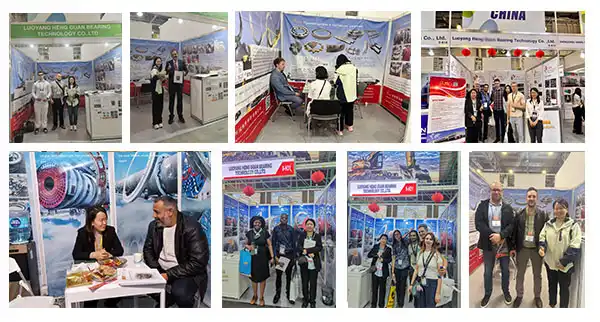
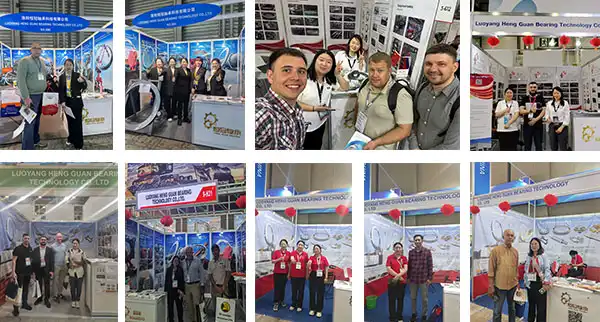
Luoyang Heng Guan Bearing Technology has been making precision slewing bearings from 50mm to 10,000mm in diameter using premium 42CrMo and 50Mn alloy steels for more than twenty years. Our ISO9001-certified building has high-tech CNC lathes and precision grinding machines that are run by more than 50 dedicated bearing engineers who make parts with Internal Gear Rotary Slewing Bearings accuracy grades from P0 to P4. In more than 50 countries in North America, Europe, and Asia, we work with clients in the construction, mining, wind energy, automation, and aerospace industries. Our engineering team provides customized design optimization for non-standard applications, making sure that they work perfectly with your equipment. Contact Us at mia@hgb-bearing.com to talk about your bearing needs with experienced application engineers who know what heavy machinery needs and can help you find the best solutions that balance performance, durability, and cost-effectiveness for your needs.
References
1. Bearing Manufacturers Association. (2021). Slewing Bearing Design Guidelines and Selection Criteria. Rolling Bearing Standards Committee Technical Publication.
2. Harris, T. A., & Kotzalas, M. N. (2020). Advanced Concepts of Bearing Technology: Rolling Bearing Analysis (6th ed.). CRC Press Engineering Handbook Series.
3. International Organization for Standardization. (2019). ISO 281:2007 - Rolling Bearings - Dynamic Load Ratings and Rating Life. ISO Technical Standards Documentation.
4. Machinery Lubrication Magazine. (2022). Best Practices for Large Bearing Maintenance in Heavy Equipment Applications. Noria Corporation Industrial Reference Guide.
5. Palmer, D., & Wang, L. (2023). Material Science in Heavy-Duty Bearing Applications: Alloy Steel Performance Under Extreme Loading. Journal of Tribology and Bearing Technology, 45(3), 267-289.
6. SKF Group Technical Development. (2022). Slewing Bearings: Application Design Considerations for Construction and Material Handling Equipment. SKF Industrial Engineering Handbook Series.

WHAT OUR CUSTOMERS SAY
Here is the customer's evaluation of us