



How Do You Choose the Right Cross Roller Slewing Bearing?
Selecting the right Cross Roller Slewing Bearing takes more than just basic measurements or load ratings. Engineers and procurement teams must consider many elements such as load circumstances, accuracy requirements, installation space, operating environment, maintenance expectations, and supplier capabilities.
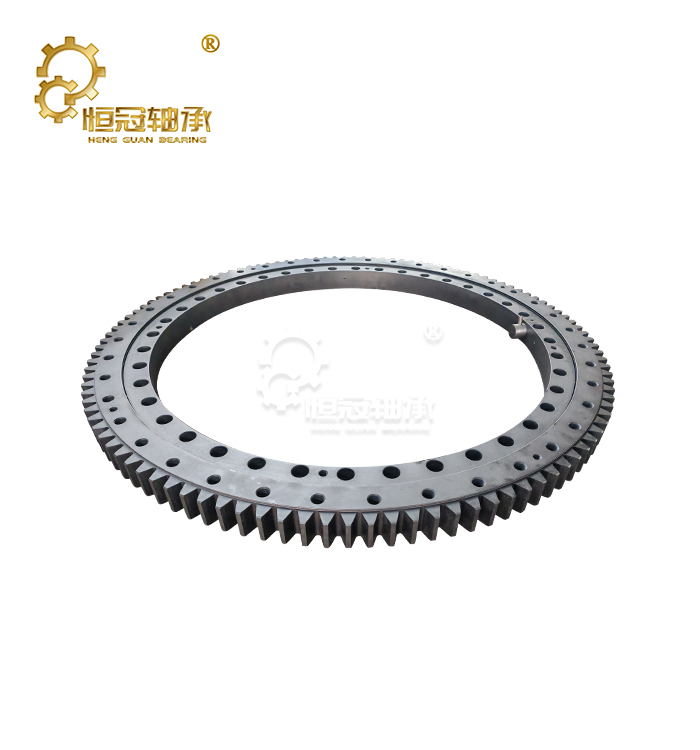
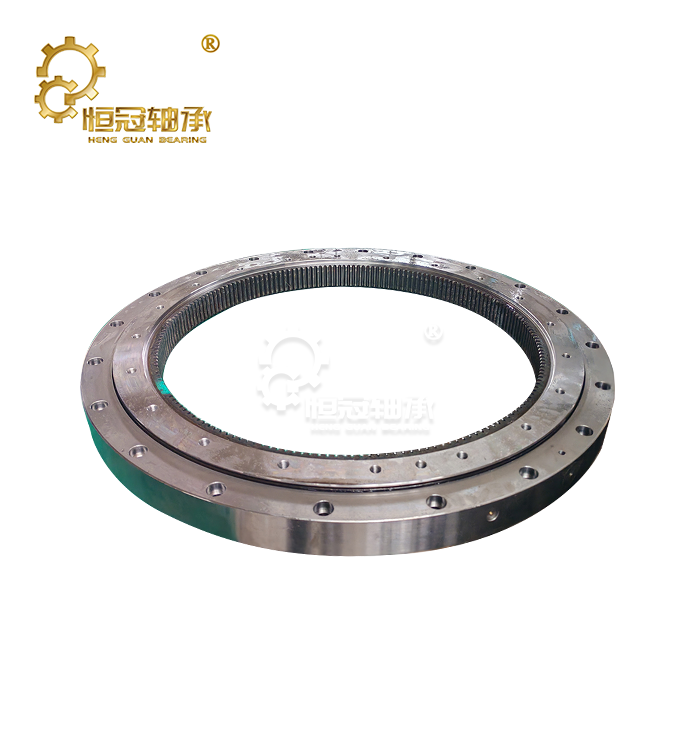
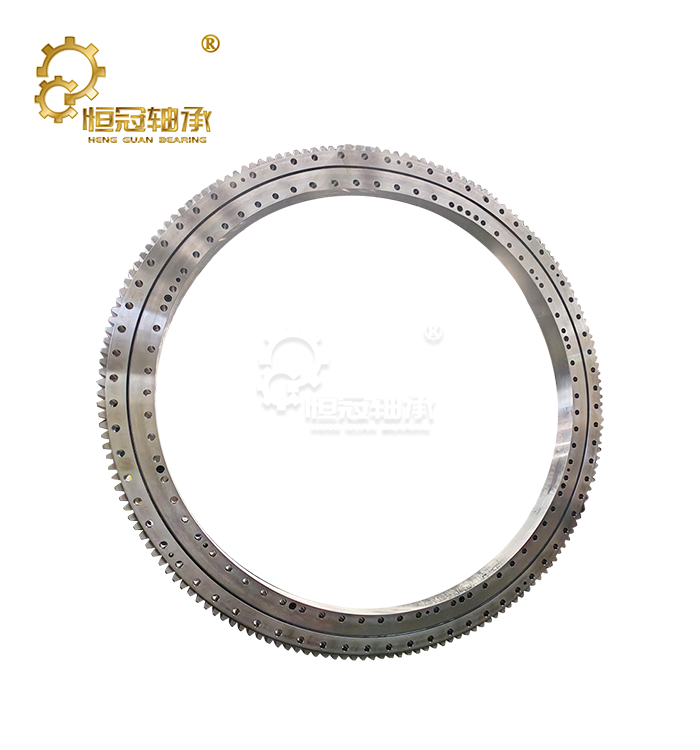
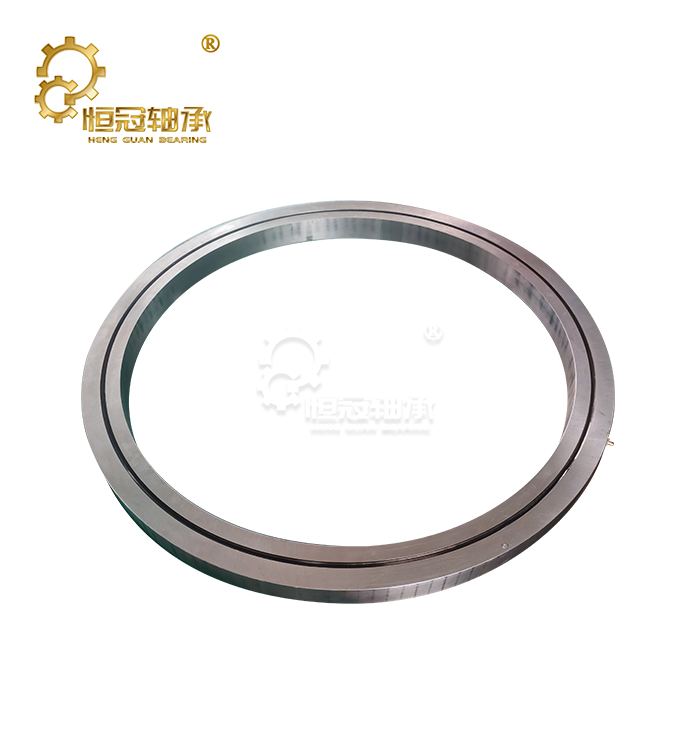
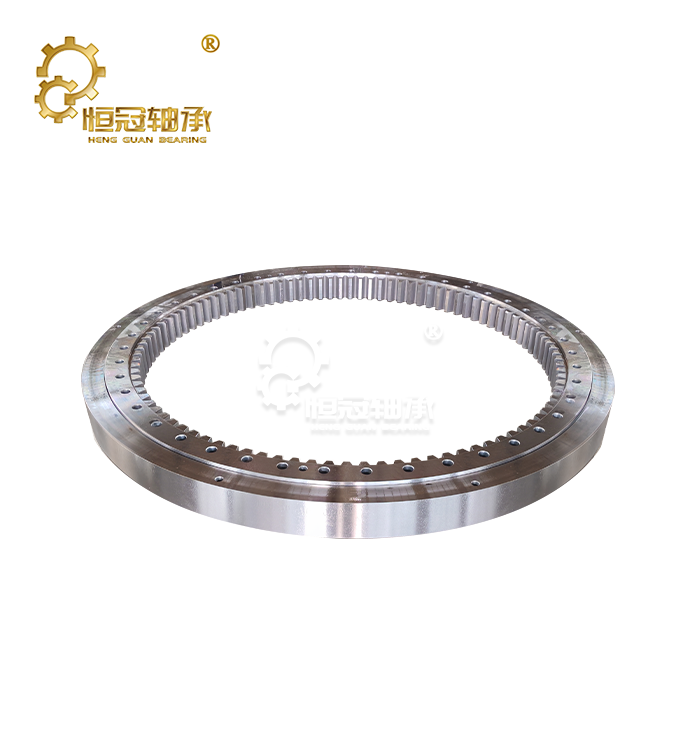
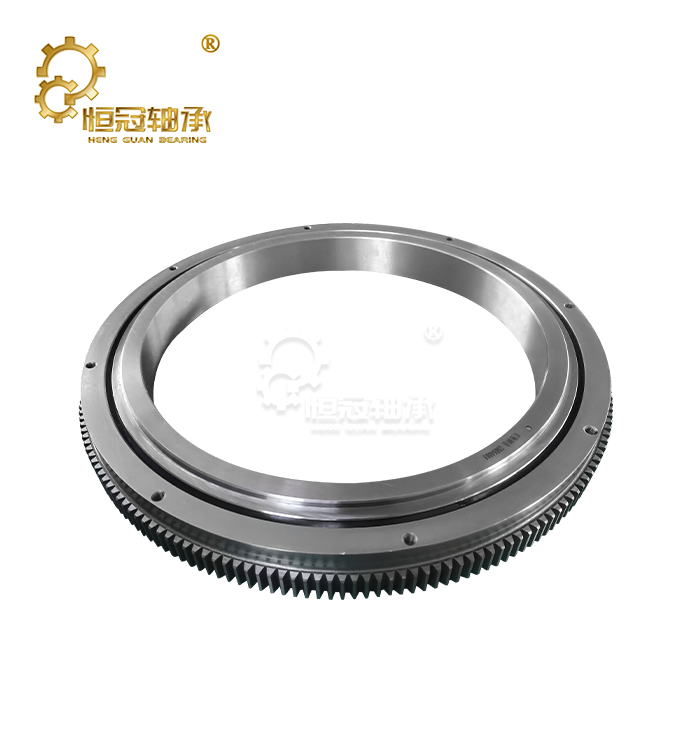
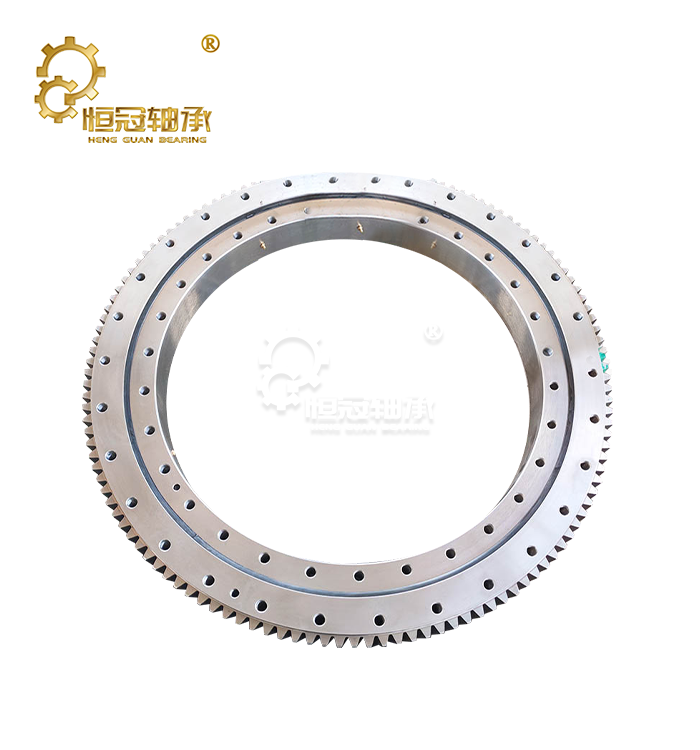
Unlike conventional slewing bearings, which are primarily based on ball or roller arrangements suited for particular load directions, cross roller slewing bearings employ cylindrical rollers that are alternately arrayed at 90 degrees in V-shaped raceways. The arrangement provides line contact between the rollers and raceways, and the bearing may carry concurrently radial loads, axial loads, and moment loads with a high rotational rigidity.
The precise selection of bearings for use in applications such as robotics, automation equipment, medical devices, construction gear, and renewable energy systems directly influences the accuracy, service life, and operational reliability of equipment. Selecting an experienced manufacturer with engineering support, quality inspection, and customization helps reduce risks in the design and operation.
Understanding the Design Advantages of Cross Roller Slewing bearings
The Cross Roller Slewing Bearing is developed to address a frequent engineering issue: how to get high load capacity and rotation accuracy while at the same time keeping the overall structure compact.
Conventional bearing solutions may require numerous bearing arrangements to accommodate combined loads. A crossed roller design, in contrast, combines various load-carrying capabilities in a single compact bearing structure and so is suited for applications where installation space and precision are both restricted.
Crossed Roller Arrangement Improves Load Distribution
The main feature of this bearing is the arrangement of cylindrical rollers in alternate directions. The rollers are positioned at right angles to each other, so the bearing can withstand forces from numerous directions.
The rollers are in line contact rather than point contact, so the load is spread over a broader contact area. This increases stiffness and lowers elastic deformation when the bearing is heavily loaded or with moment forces.
This design is useful in applications where the accuracy of the location has to be kept stable under changing operating conditions, e.g.,
Industrial robots require repeatable motion.
CNC rotary tables with high rigidity
Inspection equipment that requires accurate rotation
Heavy equipment with dependable load support
High Rigidity Supports Precision Applications
One of the key reasons that engineers use cross roller slewing bearings is that they can sustain accuracy in mixed loading circumstances.
In precision instruments, minor quantities of bearing deformation or modification of the clearance influence the final performance of the whole system. The crossing roller arrangement reduces unwanted movement between the inner and outer rings, allowing equipment to rotate more smoothly and accurately.
For automation and robotics applications, this stiffness enhances positioning repeatability. It can support steady operation of measuring equipment by eliminating undesired vibration and rotational deviation.
Material Selection Determines Long-Term Performance
Material selection is a key factor for bearing durability, especially in severe industrial applications.
Cross roller slewing bearings are often made of high-quality bearing steels such as GCr15 due to its good hardness, wear resistance, and fatigue strength. For heavy-duty applications where increased mechanical strength is required, alloy steels like 42CrMo might be selected.
The manufacturing process generally includes:
Machining of raceways with precision
Heat treatment for hardness improvement
Grinding to meet precision needs
Pre-assembled surface inspection
The right material selection should always be made according to real service conditions. The specifications for a bearing in a clean automation facility may be different than for a bearing used in mining, offshore, or outdoor construction situations.
Important Factors When Selecting a Cross Roller Slewing Bearing
Selecting the right bearing involves a rigorous examination method. An acceptable model has to satisfy the mechanical needs of the equipment, not only the basic size requirements.
Analyze Load Conditions Before Making a Selection
The first step to choose a cross roller slewing bearing is load evaluation.
Different applications create different force combinations:
Weight or horizontal forces causing radial load
Vertical Pressure Induced Axial Load
Tilting or overturning forces cause a moment load.
For example, robotic joints may be exposed to regular moment loads during motion, whereas construction equipment may be exposed to unanticipated shock loads during use.
If you select a bearing purely on the basis of static load capability, it can wear out prematurely and be less accurate. Engineers should think about:
Maximum load
Maximum impact loads
Load direction reversal
Frequency of operation
Design life
A good bearing selection method considers not only the usual operating circumstances but also the potential severe scenarios.
Match Accuracy Requirements With Equipment Performance
Various industries require varied rotational accuracy.
General levels of precision may be suitable for typical industrial equipment. But precise applications like semiconductor equipment, medical imaging systems, and robotic platforms require tighter control of the following:
Radial runout
Axial runout Smoothness of rotation
Internal clearances
Preload conditions
If a bearing is not precise enough, it can create vibration, positioning problems, or diminished performance of the device.
Buyers should validate the exact accuracy requirements with the manufacturer and provide application specifics before purchase, instead of choosing a bearing only based on dimensions.
Consider Installation Space and Mounting Requirements
Another key element is mechanical design restrictions.
The bearing might satisfy the load and precision criteria, but it might not fit in the existing equipment structure. The engineers should verify:
Inner and outer diameters
Height of the bearing
Mounting hole layout
BCD (bolt circle diameter)
If gear requirements
Cross roller slewing bearings provide a benefit of smaller equipment, with several load capabilities in a more compact design. But proper mounting design is still needed to meet the expected performance.
If the bearing itself meets technical standards but is installed incorrectly, has uneven mounting surfaces, or has improperly tightened bolts, its life can be reduced.
Evaluate Operating Environment and Protection Requirements
The working environment strongly influences bearing selection.
Different conditions may require different sealing, lubrication, or material solutions.
For example:
Clean indoor environments
Automation equipment and measuring systems usually focus on precision and low friction. Standard sealing and lubrication solutions may be sufficient.
Dusty industrial environments
Mining equipment, construction machinery, and outdoor systems may require improved sealing designs to prevent contamination from entering the raceway.
Corrosive environments
Marine equipment and coastal applications may require corrosion-resistant materials, protective coatings, or specialized lubrication.
Understanding environmental conditions before purchasing helps prevent unexpected maintenance problems and premature bearing failure.
Selecting the Right Cross Roller Slewing Bearing for Different Applications
The selection of the best bearing is highly dependent on the surroundings. Even if the essential dimensions are the same, a bearing for precision automation equipment may not work with heavy construction machines.
Heavy Machinery and Industrial Equipment
Demanding environments like those experienced by construction machinery, mining equipment, and industrial systems can involve tremendous loads, vibration, shock forces, and pollution.
For these applications, purchasers should be looking for:
large load capacity
High stiffness of structure
Dependable sealing performance
Hardwearing materials
Simple to maintain
For example, the loads acting on excavators and cranes are always changing during operation. The bearing has to carry not only the typical operating load but also sudden impacts arising from uneven materials, lifting operations, or changes in movement.
Selecting a bearing with adequate safety factors contributes to enhanced equipment reliability and less unexpected downtime.
Robotics and Automation Systems
Bearings that can offer precise and consistent motion are needed in industrial robots.
Small clearances or deformations inside a robotic joint might accumulate along the motion chain and influence the final positioning accuracy of the robot.
For these applications, developers tend to focus on:
Small rotation deviation
High stiffness
Smooth motion
Long-term retention of precision
Cross roller slewing bearings are often chosen for robotic joints, positioning platforms, and automated manufacturing systems because they allow reliable rotation with a compact design.
Renewable Energy and Large Rotating Equipment
Renewable energy equipment such as wind turbines and solar tracking systems require bearings that can perform outdoors for lengthy periods.
Often these systems are tested by:
Fluctuations in temperature
Wind effects
Exposure to moisture
Ongoing operational cycles
An appropriate bearing system must combine load capacity and environmental resistance.
"When considering large rotating equipment, material selection, sealing solutions, lubrication methods, and estimated service life are all things buyers should consider before making their final decision.”
Comparing Cross Roller Slewing Bearings With Other Bearing Solutions
Before purchasing a cross roller slewing bearing, it is important to understand how it compares to other common types of bearings. Each bearing design has its own advantages, and the correct choice depends on the load conditions, accuracy requirements, and available installation area of the application.
Cross Roller Slewing Bearings vs. Ball Slewing Bearings
They are used extensively because they rotate smoothly and have relatively low friction. They are generally ideal for situations where load requirements are minimal and rotating speed is more critical than severe stiffness.
However, ball-type designs are principally dependent on point contact between the rolling elements and the raceways. This contact type under a big combined load or large moment force might cause more deformation than roller-based systems.
Cross-roller slewing bearings employ cylindrical rollers that have line contact with the raceways. And then we have:
Higher stiffness in moment loads
Increased resistance to deformations
Enhanced positioning accuracy
More steady performance under combined loading
These benefits make crossing roller designs the best solution for applications such as robotic arms, precision turntables, and automation equipment where accuracy and stiffness are crucial.
Cross Roller Slewing Bearings vs. Cylindrical and Tapered Roller Bearings
Cylindrical roller bearings are characterized by a high radial load capacity but usually require additional components if axial or moment loads need to be sustained as well.
Tapered roller bearings can take both radial and axial loads; however, many applications require paired arrangements to take loads in both directions. This adds intricacy to the installation and requires additional room.
Unlike these traditional methods, a cross roller slewing bearing incorporates various load-carrying functions into a single, compact structure.
This design benefit is critical, particularly in equipment where
Limited space for installation
High stiffness is needed
Maintenance access is hard.
Accurate location is needed.
Fewer components can simplify mechanical design and potentially reduce assembly complexity for engineers.
Selecting the Right Cross Roller Slewing Bearing for Different Applications
The best bearing choice is very much dependent on the environment of the application. Even if the essential dimensions are the same, a bearing for precision automation equipment may not work with heavy construction machines.
Heavy Machinery and Industrial Equipment
Demanding environments like those experienced by construction machinery, mining equipment, and industrial systems can involve tremendous loads, vibration, shock forces, and pollution.
For these applications, purchasers should be looking for:
large load capacity
High stiffness of structure
Dependable sealing performance
Hardwearing materials
Simple to maintain
For example, the loads acting on excavators and cranes are always changing during operation. The bearing has to carry not only the typical operating load but also sudden impacts arising from uneven materials, lifting operations, or changes in movement.
Selecting a bearing with adequate safety factors contributes to enhanced equipment reliability and less unexpected downtime.
Robotics and Automation Systems
Bearings that can offer precise and consistent motion are needed in industrial robots.
Small clearances or deformations inside a robotic joint might accumulate along the motion chain and influence the final positioning accuracy of the robot.
For these applications, developers tend to focus on:
Small rotation deviation
High stiffness
Smooth motion
Long-term retention of precision
Cross roller slewing bearing is often chosen for robotic joints, positioning platforms, and automated manufacturing systems because they allow reliable rotation with a compact design.
Renewable Energy and Large Rotating Equipment
Renewable energy equipment such as wind turbines and solar tracking systems require bearings that can perform outdoors for lengthy periods.
Often these systems are tested by:
Fluctuations in temperature
Wind effects
Exposure to moisture
Ongoing operational cycles
The right bearing solution must balance load capacity with resistance to the environment.
For larger rotating equipment, it is imperative that purchasers be diligent in their evaluation of material selection, sealing solutions, lubrication methods, and estimated service life prior to making a final call.
|
|
How to Choose a Reliable Cross Roller Slewing Bearing Manufacturer?
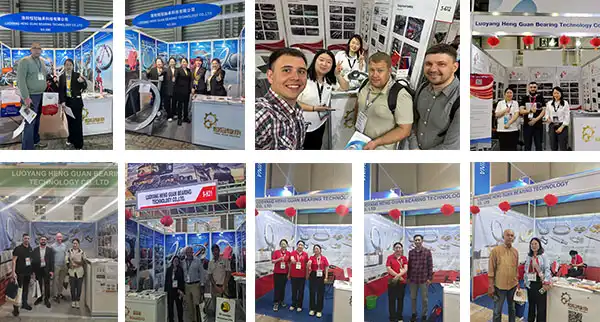
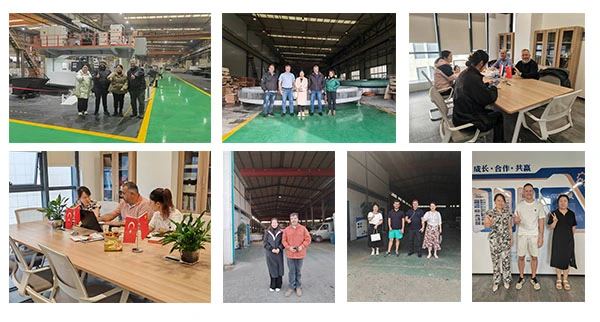
The choice of the proper bearing model is as crucial as the choice of the proper provider. An experienced manufacturer can offer technical support, quality control and advice on customisation during the whole buying process.
Review Manufacturing Capability and Engineering Support
A certified bearing manufacturer should have a significant production capacity and technical force.
Some key things to consider are:
Slewing bearing production experience
Precision machine ability
Technology of thermal treatment
Processes for quality control
Capability to provide bespoke designs
Performance criteria for specific applications may not always be met by ordinary
Check Quality Control and Testing Procedures
Quality control directly affects bearing reliability.
Before delivery, professional manufacturers typically inspect important parameters such as:
Dimensional accuracy
Raceway quality
Hardness consistency
Clearance requirements
Rotation performance
Buyers should request relevant technical documents, inspection reports, and product specifications to confirm that the bearing meets project requirements.
A transparent quality management process helps reduce risks during installation and operation of goods. An experienced manufacturer should be able to analyse operating circumstances and propose appropriate solutions.
Consider Delivery Capability and Long-Term Support
Quality control directly impacts bearing reliability.
Professional manufacturers usually check the following critical aspects before delivery:
Accurate dimensions
2. Raceway quality.
Uniformity of hardness
Requirements for clearance
Performance of rotation
Buyers should ask for related technical documentation, inspection reports and product specifications to ensure the bearing satisfies the project requirements.
A clear quality management strategy minimises hazards in the installation and operation.
Common Mistakes to Avoid When Purchasing Cross Roller Slewing Bearings
Even experienced buyers can make mistakes when selecting precision bearings. Avoiding these common issues can improve project success.
Choosing Based Only on Price
The lowest purchase price does not always represent the lowest overall cost.
A cheaper bearing may lead to:
More frequent maintenance
Shorter service life
Unexpected downtime
Higher replacement costs
A better approach is to evaluate total cost of ownership, including installation, maintenance, and operating reliability.
Ignoring Installation Conditions
A high-quality bearing can still perform poorly if installation conditions are incorrect.
Common installation problems include:
Uneven mounting surfaces
Incorrect bolt tightening
Poor lubrication practices
Contamination during assembly
Working with the supplier during installation planning can help avoid these problems.
Selecting Without Providing Complete Application Information
Manufacturers need accurate operating information to recommend the correct bearing.
Before requesting a quotation, buyers should prepare:
Equipment drawings
Load conditions
Rotation speed
Operating environment
Required service life
Accuracy requirements
Providing complete information helps suppliers select a bearing that matches the actual application rather than a general specification.
Conclusion
Choosing the perfect cross roller slewing bearing is a delicate balance between technical requirements, operational conditions, equipment design and supplier capabilities. The crossed roller structure has good load distribution, high rigidity and compact installation, which is the best solution for applications with reliable rotation and precise placement.
Effective selection requires a complete evaluation of load characteristics, accuracy requirements, mounting constraints, ambient circumstances, and maintenance expectations. Buyers should also consider the manufacturer’s production capacity, quality control system, customisation experience and technical assistance before making a final decision.
If you are in demanding applications like automation, construction machinery, robotics, renewable energy and industrial equipment, you may improve your equipment’s performance and reduce the risk of operational risks in the long term by choosing an experienced cross roller slewing bearing manufacturer. The right bearing design and expert engineering support can provide better reliability, longer life and more value in the life of the equipment.
FAQ
1. What advantages do crossed roller designs offer compared to ball slewing bearings?
When compared to ball bearings, Cross Roller Slewing Bearings can hold a lot more weight because the circular rollers and raceways touch in a straight line. Because of this, roller shapes are better for heavy machinery and precise tasks because they are more rigid and less likely to bend when moment loads are applied. Ball bearings have benefits like less friction and smoother, low-speed operation with lighter loads. However, they also have tradeoffs that procurement teams should look at based on the real working needs.
2. How do you verify bearing load capacity matches application requirements?
Figure out the highest total loads that your equipment can handle, taking into account the radial, axial, and moment forces it produces while it's working. Don't forget to include the right safety factors for shock loads and operational overloads. Check the estimated loads against the capacity ratings given by the manufacturer, making sure that the stated bearings leave enough room for error. Talking to the engineering teams at bearing makers can help you make sure your load estimates are correct and find out what application factors might change the capacity needs or expected service life.
3. What maintenance practices extend the crossed roller slewing bearing operational life?
The most important part of upkeep is managing lubricant correctly. Based on the conditions of use, follow the manufacturer's advice on the type of oil to use, how much to use, and how often to re-grease. Checking for mounting bolt tightness, strange noises, vibrations, or changes in temperature on a regular basis lets you find problems early on. Keeping the working area and seals in good shape and clean stops debris that speeds up wear. The right way to place something, making sure it's lined up correctly and that the mounting area is ready, sets the stage for a long-lasting product.
Partner with Heng Guan for Precision-Engineered Cross Roller Slewing Bearing Solutions
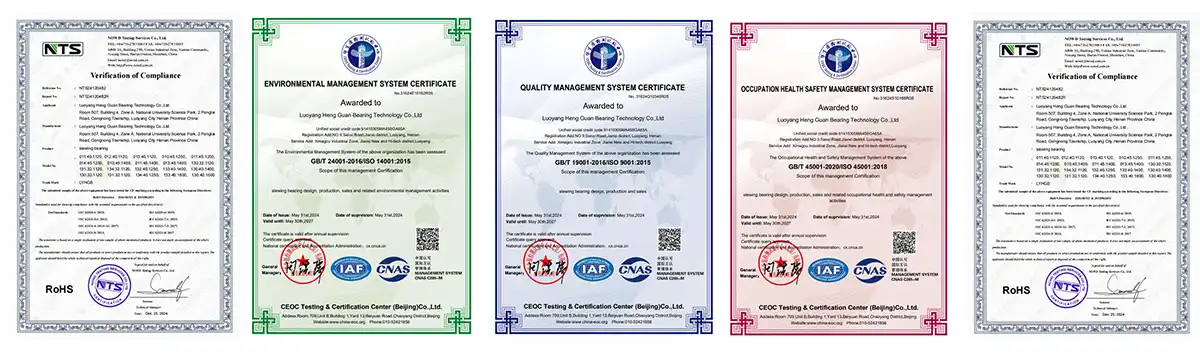
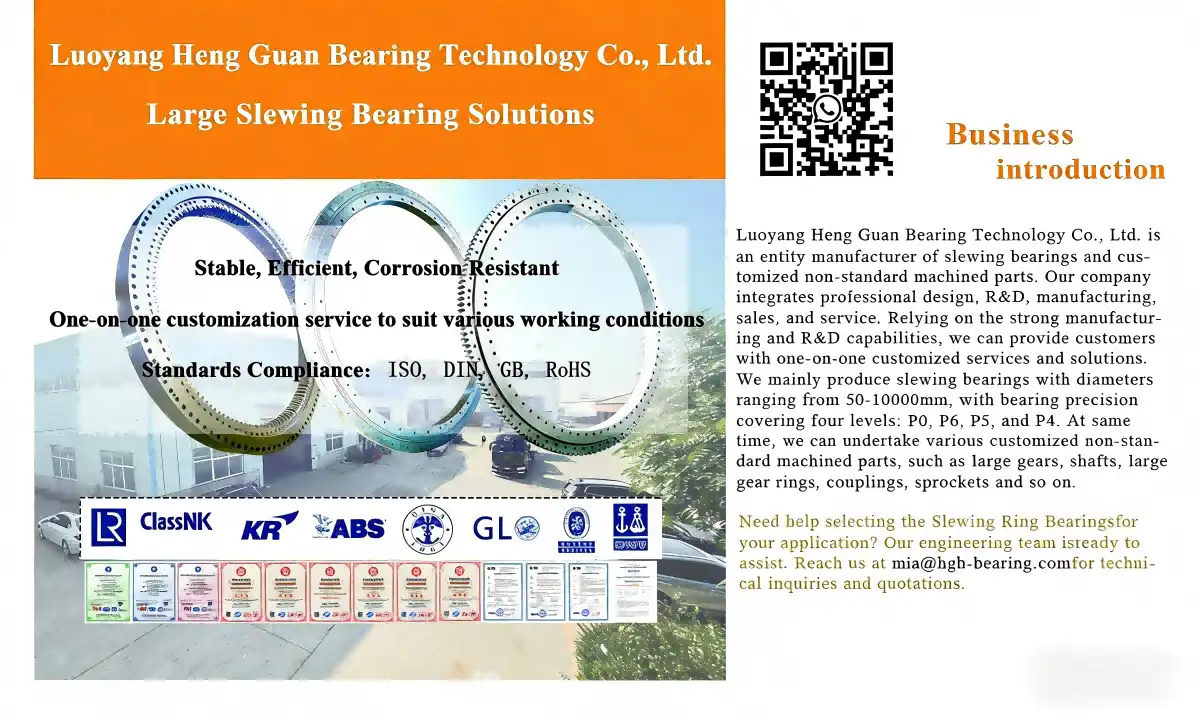
Picking the best rotary bearing option requires knowledge that goes beyond what is written in a book. Heng Guan has decades of experience making Cross Roller Slewing Bearing for industrial markets around the world. They make precision-engineered parts with sizes ranging from 50mm to 5000mm. In Luoyang, China, which is known as the world's bearing production hub, we offer advanced CNC machining, strict quality testing, and collaborative engineering support to meet the specific needs of customers in the construction, mining, automation, renewable energy, aerospace, and medical equipment industries.
Our technical team offers individual optimization design and flexible production, creating solutions that are perfectly matched to your load profiles, precision needs, and the conditions in the environment. Quality standards and thorough testing methods make sure that every bearing meets the strictest requirements. Low prices and on-time delivery help you meet your project deadlines. Get in touch with our engineering experts at mia@hgb-bearing.com to talk about the details of your application and find out how our precision bearing solutions can help your equipment last a long time and work well.
References
1. Harris, T.A. and Kotzalas, M.N. (2006). Advanced Concepts of Bearing Technology: Rolling Bearing Analysis. CRC Press, Boca Raton.
2. Schaeffler Technologies AG & Co. KG (2019). Slewing Bearings: Design and Application Guidelines. Technical Documentation Series, Industrial Applications Division.
3. American Bearing Manufacturers Association (2020). Load Ratings and Fatigue Life for Roller Bearings. ABMA Standards Publication 11.
4. Lynwander, P. (2011). Gear Drive Systems: Design and Application. Marcel Dekker Engineering Series, New York.
5. Budynas, R.G. and Nisbett, J.K. (2015). Shigley's Mechanical Engineering Design, 10th Edition. McGraw-Hill Education, Chapter 11: Rolling-Contact Bearings.
6. Zhou, R.S. and Wang, H. (2018). "Comparative Analysis of Contact Mechanics in Cross Roller and Ball Slewing Bearings." Journal of Tribology and Bearing Technology, Volume 42, Issue 3, pp. 287-301.

WHAT OUR CUSTOMERS SAY
Here is the customer's evaluation of us