



Why Use Thin Section Ball Bearings in Robotics and Automation?
When a robot joint bearing fails on a production line, everything stops right away: assembly stops, delivery dates are missed, and expensive emergency replacements have to be made. Luoyang Heng Guan Bearing Technology Co., Ltd. knows that modern robotic arms, collaborative robots, and automated machinery all depend on Thin Section Ball Bearings, which have the smallest possible footprint while still being very accurate. It's important for engineers to find bearings that can fit into small spaces without sacrificing accuracy or load capacity as robotic systems get smaller, lighter, and more demanding. This guide tells you why thin-section bearings are now the best choice for robotics engineers and how to pick the right one for your needs.
|
|
What Makes Thin Section Ball Bearings Ideal for Robotic Applications?
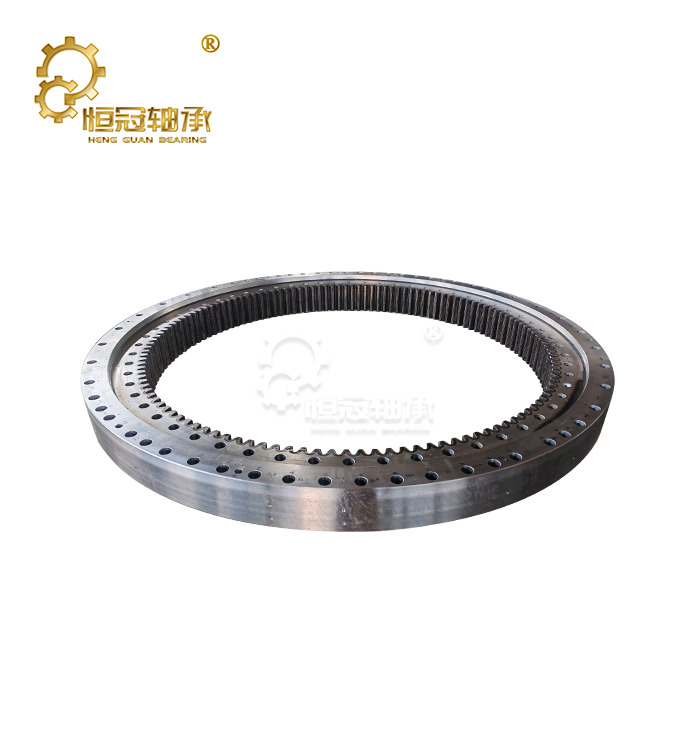
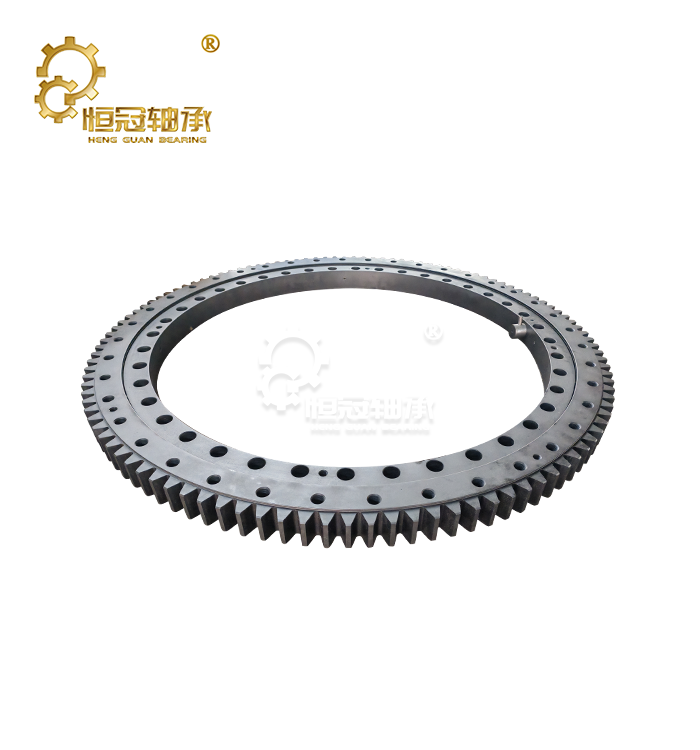
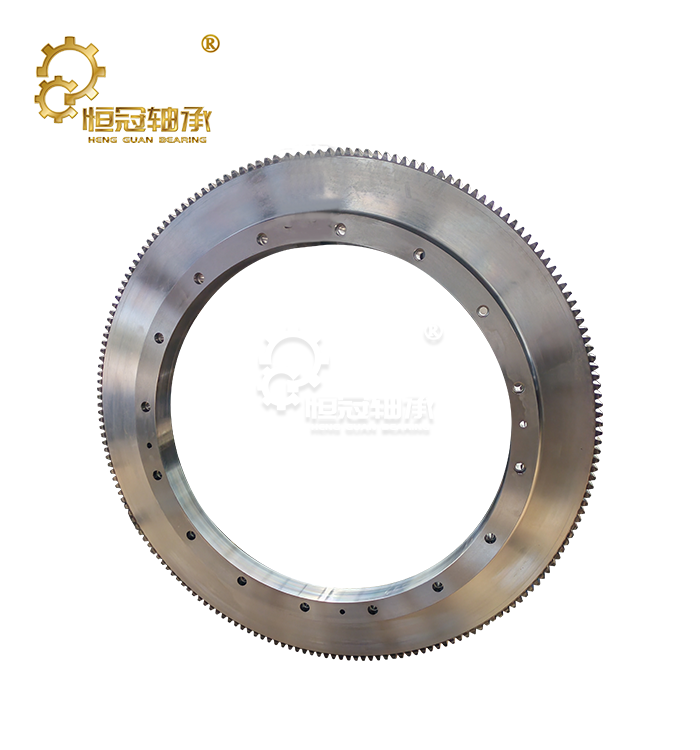
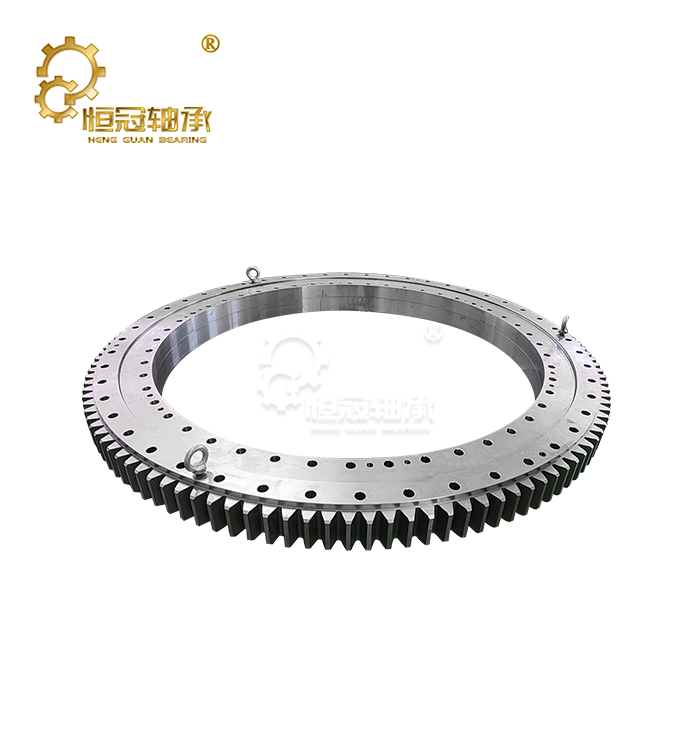
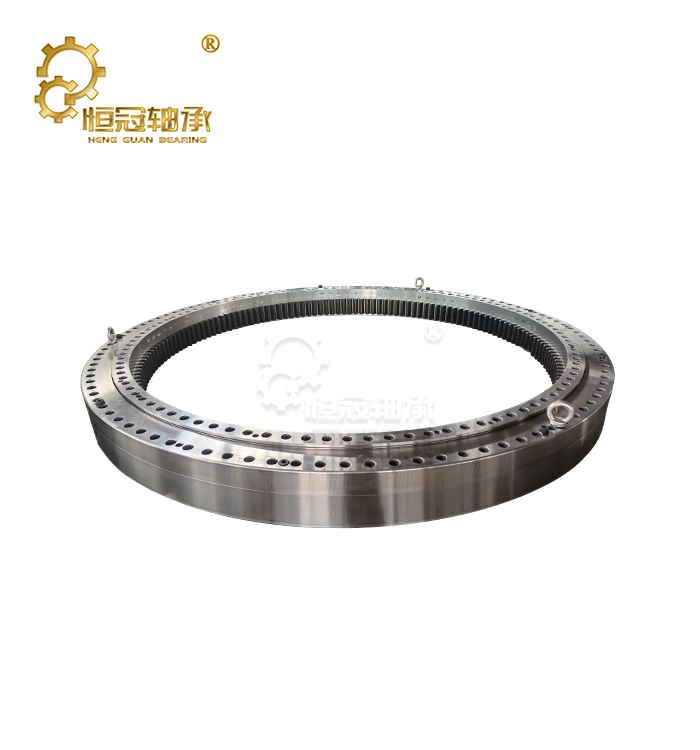
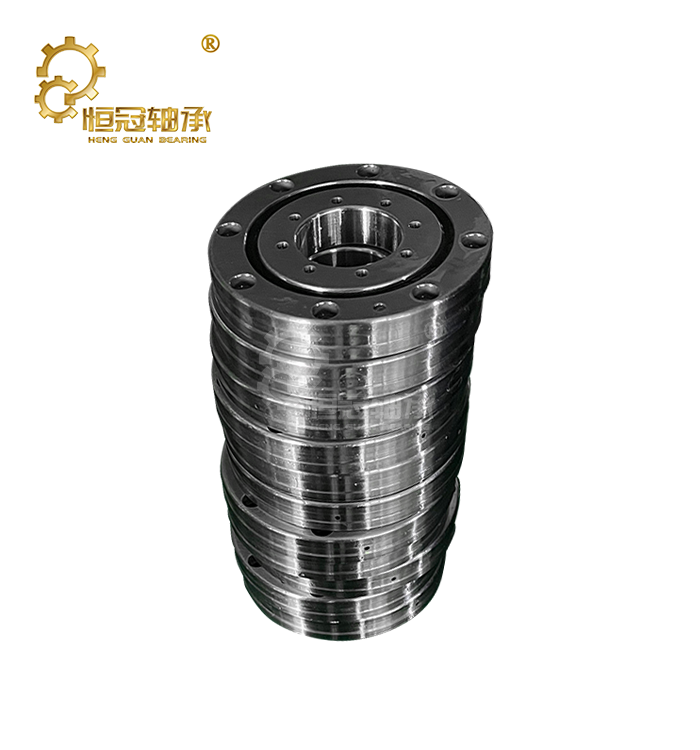
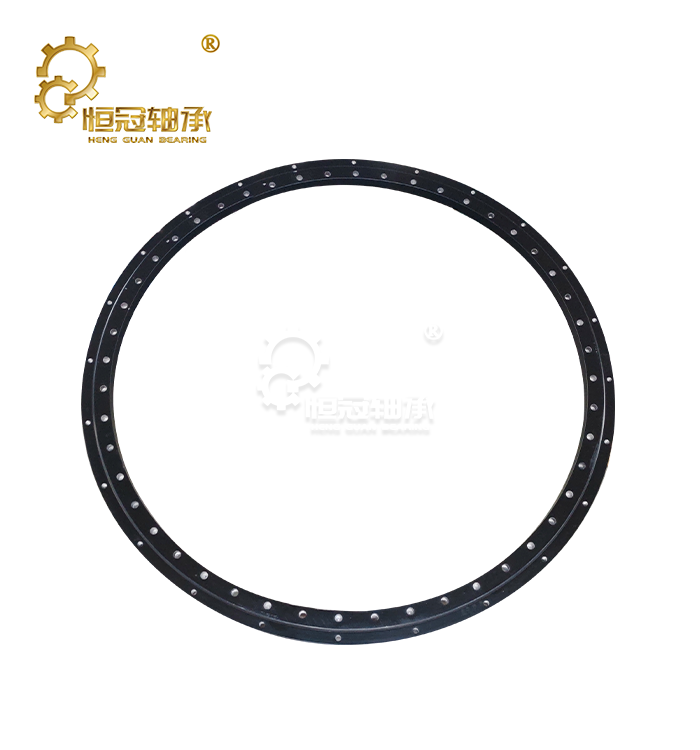
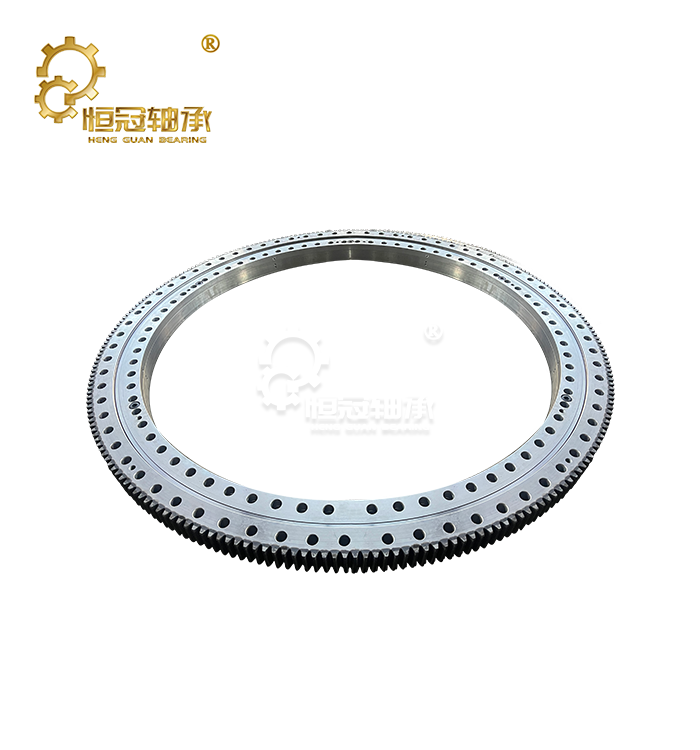
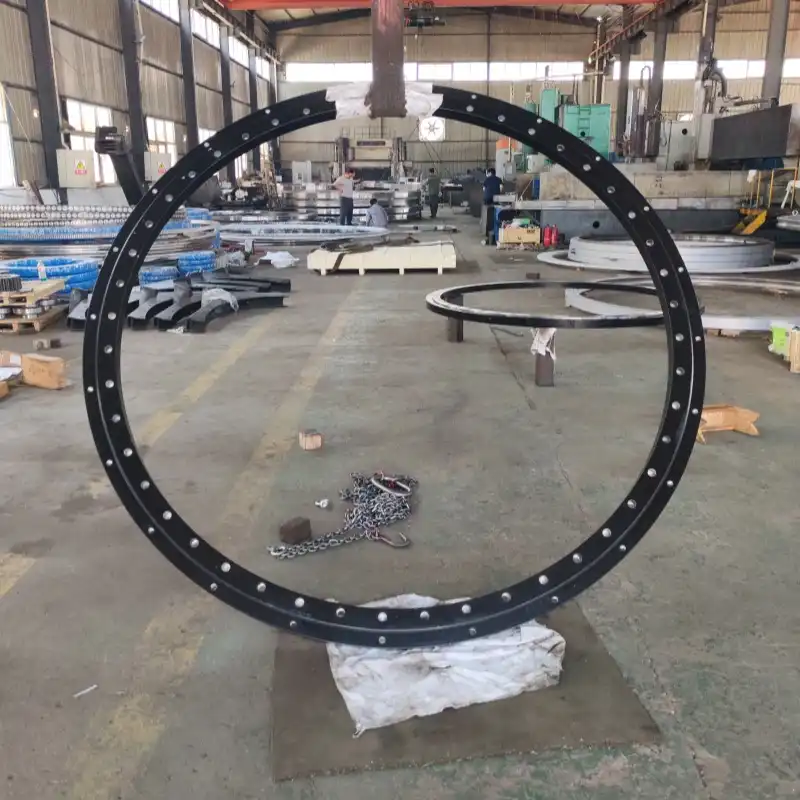
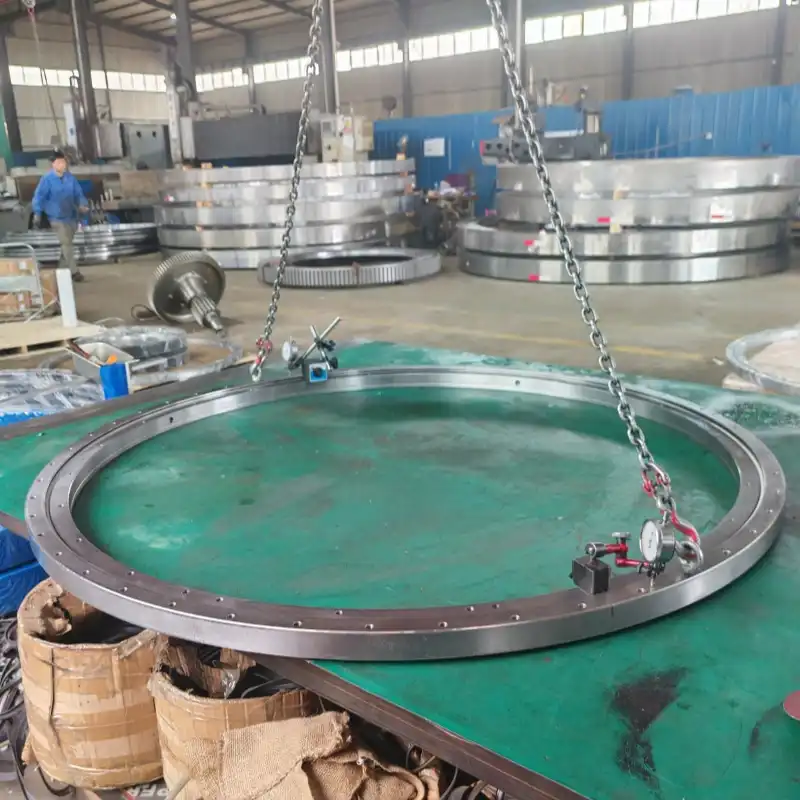
Robotic joints need parts that have a small footprint but are very rigid, and Thin Section Ball Bearings are perfect for this. In regular bearings, the cross-section gets wider as the diameter gets bigger. But in thin-section bearings, the cross-section stays the same and narrow, no matter what the hole size is. This uniform profile is very helpful for engineers working on thin-section bearings for robot joint design because it lets them fit a bigger bearing into a smaller housing. This lowers the mass of the joint, lowers its rotational inertia, and improves its dynamic response. Heng Guan Bearing's four-point contact and rotational contact types can handle radial, axial, and moment loads all at the same time, which is very important in flexible joints that experience forces acting in different directions. The table below shows how the four different types of structures can be used in robotics:
| Structure Type | Load Characteristic | Typical Robotic Application |
|---|---|---|
| Deep groove ball | Primarily radial loads | Rotary axes, turntables |
| Four-point contact ball | Combined radial, axial, and moment loads | Articulated robot joints |
| Crossed roller | High rigidity, multi-directional loads | Precision rotary stages |
| Angular contact ball | High-speed axial loads | Servo-driven actuators |
The following comparison highlights why thin-section bearings outperform standard options in space-constrained robotic designs:
| Feature | Standard Ball Bearing | Thin Section Ball Bearing |
|---|---|---|
| Cross-section vs. diameter | Increases with size | Remains constant |
| Weight | Higher | Significantly reduced |
| Space efficiency | Moderate | Excellent |
| Suitability for robot joints | Limited | Highly suitable |
Key Advantages of Thin Section Ball Bearings in Automation Systems
Thin Section Ball Bearings not only save space, but they also improve performance by reducing friction, making operation quieter, and lasting longer when used continuously. Their thin walls and lightweight make servo motors and gears work less hard, which increases energy economy, which is becoming more important for companies that want to automate in a way that is good for the environment. You can get custom thin-section ball bearings from Heng Guan Bearing. They can help you choose the right ring geometries, seal types, and preload configurations for each platform's torque, speed, and load profile. The most important technical details about our products are shown below in a table:
| Parameter | Specification |
|---|---|
| Bore diameter range | 50–2,000+ mm |
| Cross-section height | 20–100 mm |
| Precision grades | P0, P6, P5, P4 |
| Ring material | 50Mn / 42CrMo alloy steel |
| Rolling element material | GCr15 bearing steel |
| Seal material | NBR (nitrile rubber) |
| Operating temperature | −20°C to +120°C |
| Standards compliance | DIN, ISO, GB |
If you are evaluating suppliers or need application-specific drawings, reach our engineering team directly at mia@hgb-bearing.com to discuss specifications, samples, and lead times.
This level of flexibility is particularly valuable for robotics manufacturers who need repeatable quality across large production runs while still accommodating design revisions.
How Do Thin Section Ball Bearings Improve Robot Precision and Efficiency?
Precision motion is what makes robotics work, and Thin Section Ball Bearings are made to tight tolerance classes (usually P0, P6, P5, and P4) to make sure they rotate smoothly and consistently with little runout. When the friction torque goes down, the servo controls can respond to positioning directions faster and more accurately. This means that the robot's end effector can repeat itself more precisely. Thin-section bearings keep the rotational mass low, which also keeps vibration and backlash to a minimum during high-speed assembly or pick-and-place tasks. When engineers work on designing robot joints with thin sections, this mix of stiffness and low inertia helps make the acceleration and deceleration cycles smoother. This makes downstream parts like harmonic drives and encoders last longer. Before sending out a batch, Heng Guan Bearing tests it with special equipment to make sure it rotates accurately. This gives automation integrators confidence in the bearing's consistent, repeatable performance.
| Precision Grade | Typical Application | Runout Tolerance |
|---|---|---|
| P0 | General automation | Standard |
| P6 | Light robotics | Reduced |
| P5 | Precision robot joints | Tight |
| P4 | High-accuracy servo axes | Very tight |
Thin Section Ball Bearings Selection Guide for Robotics and Industrial Automation
Before you can choose the right Thin Section Ball Bearings, you need to know the load direction, speed range, and available envelope for your application. First, engineers should figure out whether the moment loads are radial, axial, or combined. Based on this information, they should choose between four-point contact, angular contact, and deep groove configurations. Bore size, cross-section thickness, sealing type, and lubrication all have an impact on how reliable something is over time in dusty or high-cycle environments. Correct fitting and upkeep are both very important. The steps below are based on Heng Guan Bearing's tried-and-true method:
| Step | Action Required |
|---|---|
| 1. Preparation | Ensure a clean, contamination-free work environment |
| 2. Handling | Use proper lifting equipment for larger-diameter bearings |
| 3. Alignment | Verify shaft and housing tolerances before mounting |
| 4. Mounting | Apply uniform pressure during installation to prevent damage |
| 5. Lubrication | Apply specified grease based on operating conditions |
| 6. Testing | Verify smooth rotation and proper clearance after installation |
This process is easier when you work with a partner with a lot of knowledge, like Heng Guan Bearing. As a custom thin-section ball bearing OEM manufacturer, we offer full customisation, from choosing the raw materials to doing the final inspection. This way, we can make sure that every bearing is optimised for your specific robotic platform instead of being forced into a standard catalogue size.
Conclusion
Thin Section Ball Bearings are small, precise, and efficient, which are all things that modern robotics needs. Engineers make sure that everything works well and lasts a long time by picking the right structure, material, and precision grade. Heng Guan Bearing can help you with custom-engineered bearing solutions that are made for the future of automation.
FAQ
Q: What is a thin-section ball bearing?
A: It is a bearing with a constant, narrow cross-section regardless of bore size, designed for compact, lightweight, high-precision applications like robot joints.
Q: What precision grades does Heng Guan Bearing offer?
A: We manufacture bearings in P0, P6, P5, and P4 grades to match different automation accuracy requirements.
Q: Can thin-section bearings be customized?
A: Yes. As a custom thin-section ball bearing OEM manufacturer, we tailor dimensions, seals, materials, and preload configurations to your exact application.
Get Your Custom Thin Section Bearing Quote Today
Ready to upgrade your robotic joints with reliable, space-saving bearings? Heng Guan Bearing delivers end-to-end OEM support — from 3D design consultation and material selection to precision manufacturing and on-time delivery. Our advantages include full material traceability, CMM inspection reports with each shipment of Thin Section Ball Bearings, 50+ professional engineers, and 30+ years of manufacturing experience serving clients across 50+ countries. Standard products ship in 2–3 weeks; custom solutions require 4–6 weeks. Contact our team today at mia@hgb-bearing.com for datasheets, samples, and custom OEM solutions tailored to your automation project.
References
1. RBC Bearings Incorporated. Thin Section Ball Bearings engineering reference materials.
2. New Hampshire Ball Bearings, Inc. Product documentation on thin-section and torque tube bearings.
3. AST Bearings. Technical catalog on metric and inch thin-section ball bearing series.
4. Schaeffler Group. Thin Section Bearings product portfolio documentation.
5. SMB Bearings. Technical guide on thin-section ball bearing design and material selection.
6. International Organization for Standardization. ISO 76: Rolling Bearings — Static Load Ratings. ISO.

WHAT OUR CUSTOMERS SAY
Here is the customer's evaluation of us