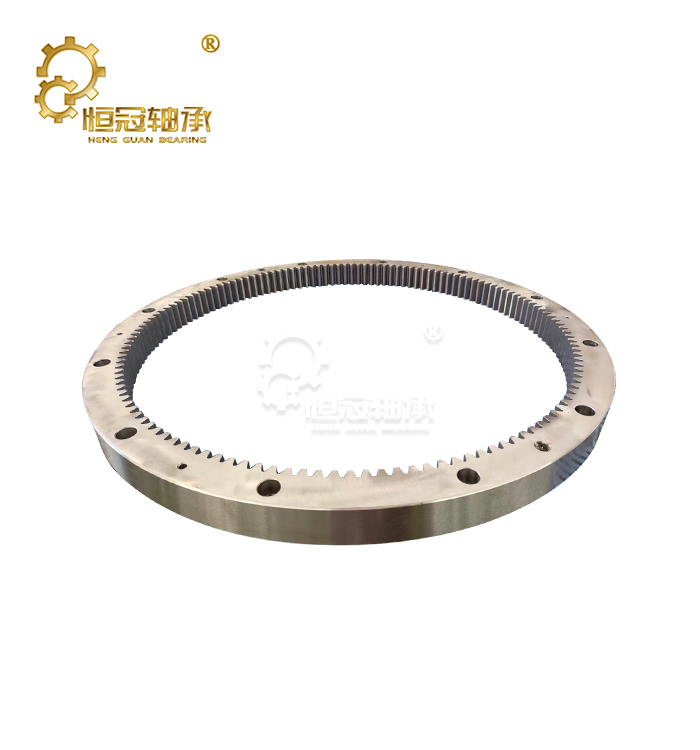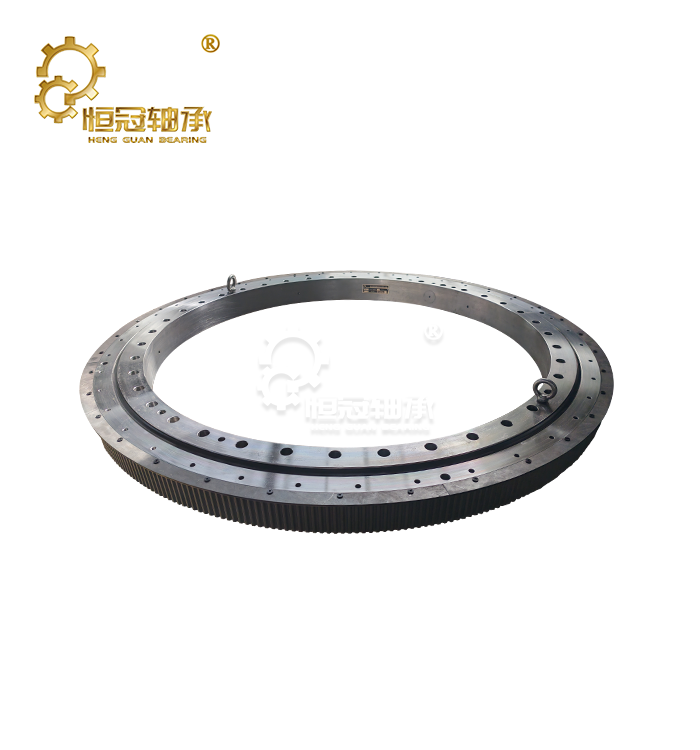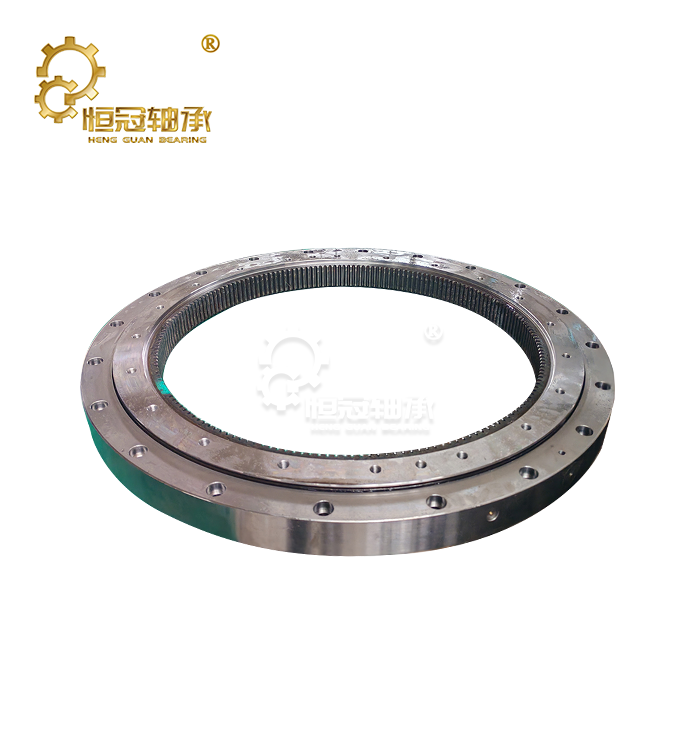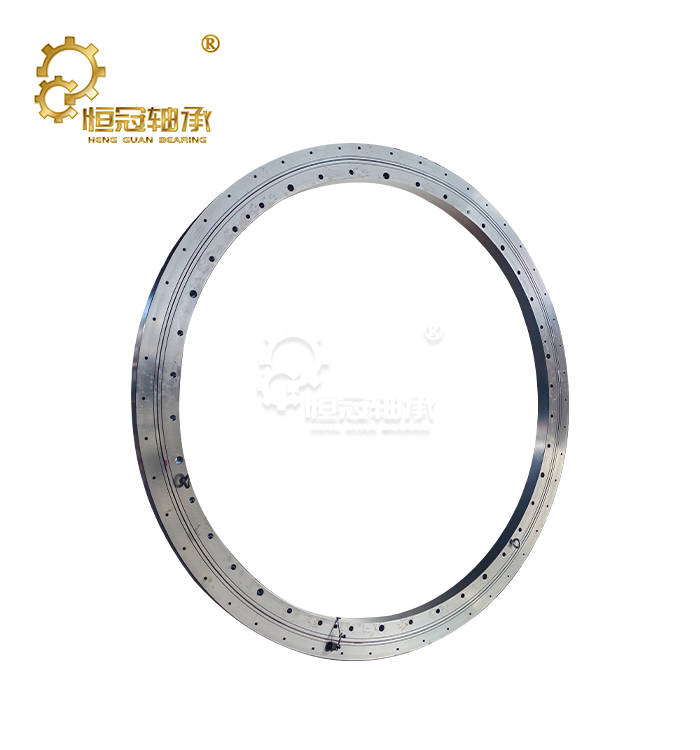




How to Select the Right 4 Point Contact Ball Bearing Size?
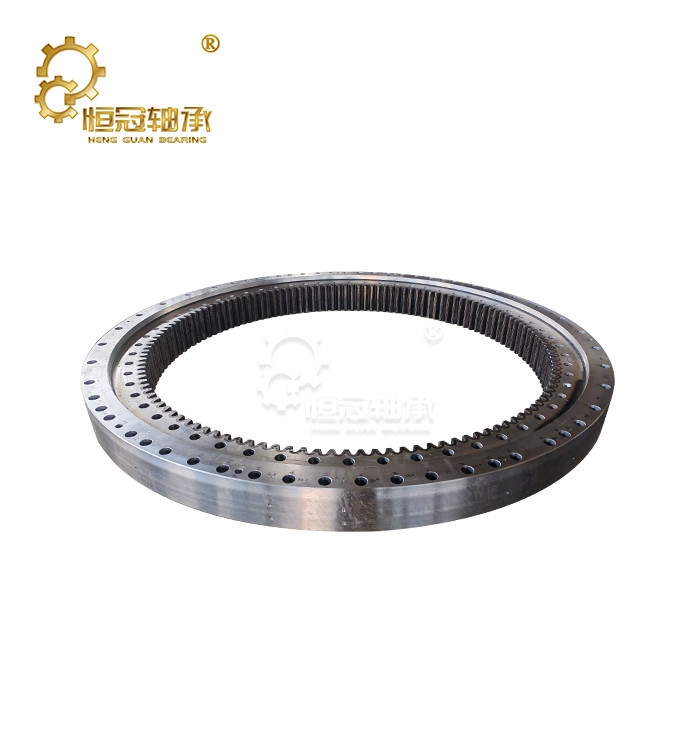
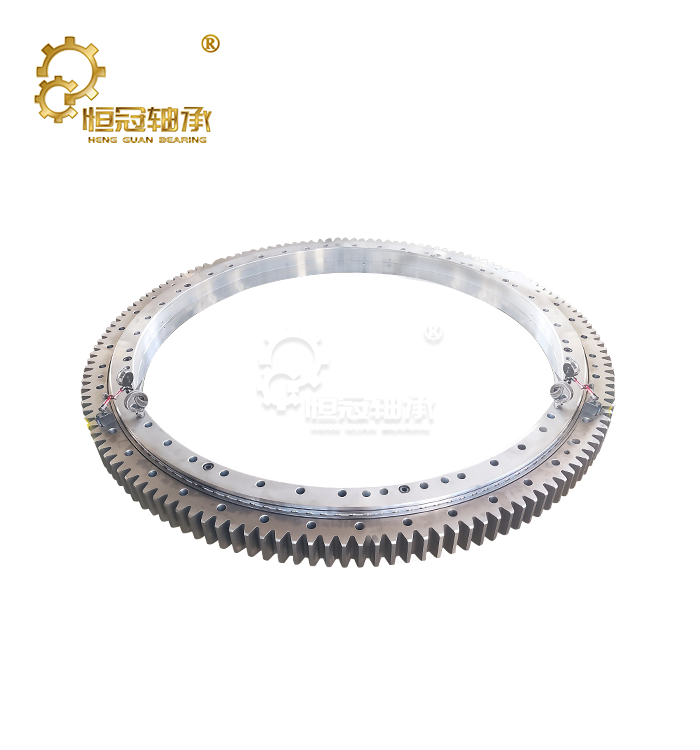
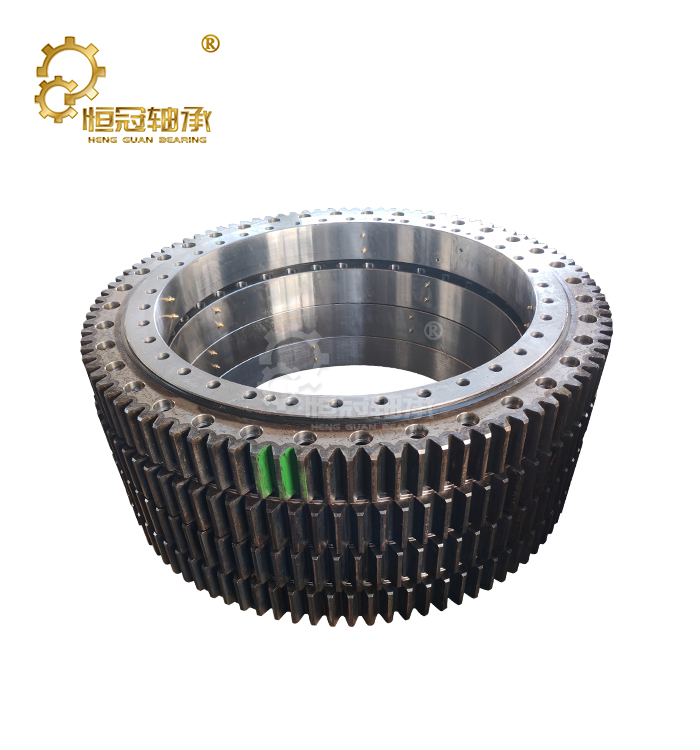
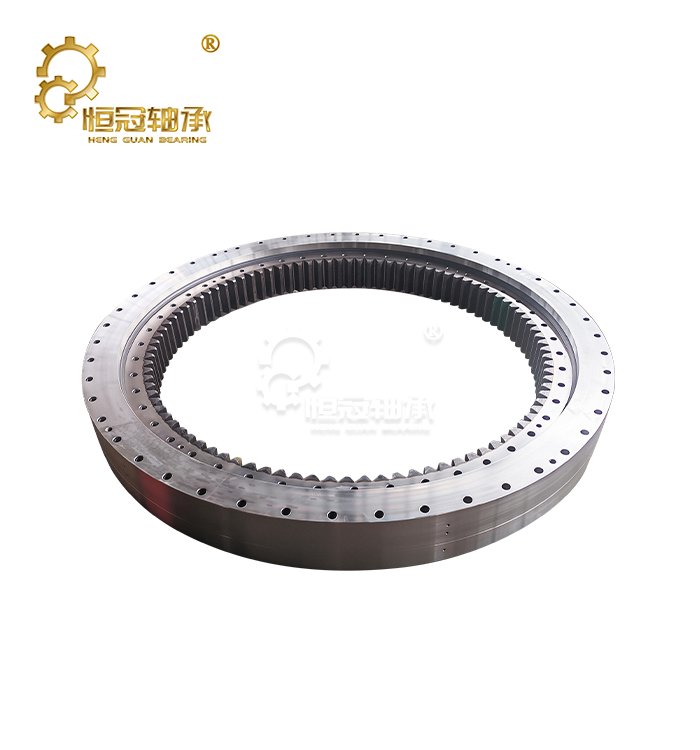
To choose the right 4 Point Contact Ball Bearing size, you need to carefully look at the load needs, working speed, mounting room, and weather conditions. In contrast to regular ball bearings, these ones have a unique raceway geometry that lets each ball touch the inner and outer rings four times. A single-row bearing can handle horizontal loads in both directions with this design, and the frame stays small. The right bearing size has a direct effect on how reliable the equipment is, how long it lasts, how much upkeep it needs, and how much it costs to run generally. Proper sizing makes sure that the bearing can handle the expected loads in robotic systems, machine tools, lifting equipment, and industrial automation systems, without being too big or breaking down too soon. To get stable performance and long-term operational efficiency, it's important to know the working conditions and choose the right bearing specifications.
Understanding 4 Point Contact Ball Bearing Design and Operating Principles
Four-point contact ball bearings are made to handle a lot of horizontal force while taking up less room than many other types of bearings. This type of bearing combines the functions of angular contact bearings into a single-row structure. It is useful for situations where space is limited and two-way axial support is needed.
How the Four-Point Contact Structure Improves Load Performance
The bearing of a 4 Point Contact Ball Bearing is what makes it unique. When the bearing is loaded along its axis, standard deep groove ball bearings have two contact points where the rolling elements and raceways touch. Four-point contact designs, on the other hand, have four contact points.
This unique way of setting up contacts has a number of benefits, including:
- One bearing supports loads moving in both directions
- It cuts down on the need for paired angular contact bearing arrangements.
- Saves space for placement in small mechanical systems
- Increases the planning options for companies that make tools
But the four-point touch arrangement also needs careful thought about how it will be used. When there are a lot of radial loads or fast rotation, engineers need to check that the bearing size, internal clearance, and lubrication method are right for the job.
Split Inner Ring Design and Installation Advantages
A split inner ring structure is common in many four-point contact bearings. This makes assembly easier in situations where installation access is limited.
Engineers can easily put in the outer ring and moving elements with this design before attaching the inner ring parts. Compared to traditional bearing arrangements, the split structure can make it easier to put together and more efficient to maintain.
This benefit is very useful in the following situations:
- Robots used in industry that need small rotating joints
- Machine tools that don't have a lot of space inside
- Automated tools for making things
- Systems for precise positioning
The structure can be taken apart, which makes it easier to check and change parts during regular upkeep, which cuts down on machine downtime.
Material Selection and Manufacturing Factors Affecting Bearing Performance
The material quality and manufacturing process have a direct influence on bearing durability, load capacity, and resistance to operating stress. Selecting the appropriate material depends on factors such as applied load, impact conditions, operating temperature, and expected service life.
Bearing Ring Materials and Heat Treatment Requirements
High-strength alloy steels like 50Mn and 42CrMo are often used to make bearing rings, but it depends on the needs of the application. 50Mn steel is often chosen for uses that need to be cost-effective and resistant to wear. It works reliably in general industrial machinery that is supposed to handle modest loads and stable conditions. 42CrMo alloy steel is often used in tougher jobs because it is stronger, more durable, and less likely to break when hit. It works well for heavy-duty machinery where the bearings may have to deal with shocks or changes in load often.
It's also important to use the right heat process. Controlled hardening processes help companies do the following:
- How hard is the track
- Wear and tear
- Strength of fatigue
- Stability of dimensions during operation
A well-controlled heat treatment process helps keep the accuracy of the raceway and stops early failure from repeated loading cycles.
Rolling Elements, Cage Design, and Surface Quality
Precision bearing steel, like GCr15, is often used to make the moving parts of high-quality 4 Point Contact Ball Bearings. To get exact sizes and smooth touch areas, these steel balls are ground and polished on the outside.
Good moving features help with:
- Lessen the friction during operation
- Spread out the load better.
- Little to no noise and vibration
- Make bearings last longer.
The design of the cage is also a big part of how well it works. A well-designed cage keeps the balls evenly spaced, makes it easier for the lube to spread, and stops the machine from moving in an unsafe way while it's running. For precise or high-speed tasks, the material and form of the cage must be carefully matched with the temperature, lubricating method, and speed of operation.
Key Factors for Selecting the Correct 4 Point Contact Ball Bearing Size
To pick the right bearing size, you need to do more than just match the Shaft specs. Engineers have to look at the whole working environment, such as the load, the speed that needs to be used, the limits of the setting, and the expected service life. If you choose the right bearing, it will work well and won't cost too much because it has enough capacity or parts that are not too big. Checking the load capacity before choosing a bearing
One of the most important things to do when choosing a bearing size is to look at the load. A four-point contact bearing is mostly made to handle loads that go in one direction and back again, along with some rotational loads.
Before engineers choose a bearing model, they should look at:
- The most axial load
- Conditions of radial load
- loads that shock or hit
- Frequency and job cycle of the load
- Important safety factors
Applications like cranes, rotating platforms, and industrial automation equipment don't always have the same loads or conditions to work with. In these situations, peak load analysis is important to make sure that you don't choose a bearing that works well in normal situations but breaks down when it gets too heavy sometimes. Picking a bearing with a big enough load capacity helps keep things running smoothly and keeps the cost and size of the equipment from going up for no reason.
Speed Requirements and Thermal Performance Considerations
The operating speed has a direct effect on the performance of the bearing because higher rotating speeds cause more friction, heat, and oil stress.
When experts choose a 4 Point Contact Ball Bearing for high-speed use, they should think about:
- Limits on rotational speed
- Ability to get rid of heat
- Needs for lubrication
- Clearance inside
A bigger bearing may be better at getting rid of heat because it has more surface area, but it can also cause more friction and take up more room when it's installed. The best choice strikes a mix between load size, speed, and the limits of the motor design.
Environmental Conditions and Sealing Requirements in Bearing Selection
The environment where the 4 Point Contact Ball Bearing will be used has a big effect on what size and shape will work best. Even a bearing that is the right size may not last as long if it is contaminated, wet, exposed to high or low temperatures, or not properly lubricated.
Engineers should look at environmental factors along with load and speed requirements during the selection process to make sure that the equipment will work reliably throughout its lifecycle.
What Effects Contamination, Temperature, and Lubrication Have
A lot of the time, industrial equipment works in places where dust, water, chemicals, or changes in temperature can affect how well bearings work.
As an example:
- Construction tools may have to deal with dust and vibrations.
- Port equipment may be exposed to salt corrosion and water.
- Manufacturing systems may work in processes that last for a long time and produce heat.
Because of these conditions, choices about:
- Design for bearing seals
- Choice of lubricant
- Treatment of materials
- When to do maintenance
There is no guarantee that a bigger bearing will protect you better. It's important that the binding structure, oil fit, and construction are all right for the job. When engineers choose a bearing size, they should make sure that it can hold enough weight and protect well against environmental problems.
Comparing 4 Point Contact Ball Bearings with Other Bearing Types
Engineers can figure out if a four-point contact design is best for their application by learning about the changes between bearing types. Different types of bearings can support rotational movement, but they have very different load capacities, fitting requirements, and room needs. An angular contact ball bearing is different from a four-point contact ball bearing.
When two-way axial loads are needed, traditional angular contact ball bearings are often put together in pairs. This design can hold a lot of weight, but it generally needs more room to be installed and is harder to put together.It is possible for a single 4 Point Contact Ball Bearing to do the same job while keeping the structure smaller.
These are the main benefits:
- Less space for axial installation
- Bearing setup made easier
- Fewer parts
- Access for upkeep is easier
However, paired angular contact bearings may still be better in situations where the combined loads need to be very high or where high speeds need to be maintained all the time.
The final choice is not just based on the type of bearing, but also on how it will be used.
Four-Point Contact Ball Bearing vs. Deep Groove Ball Bearing
A lot of people use deep groove ball bearings because they are easy to build and can handle rotational loads well. But, compared to four-point contact systems, they usually can't handle as much vertical load.
Most of the time, a four-point contact bearing is better when the job calls for:
- Axial load support in two directions
- Small space for installation
- Less bearing amount
- Better structural flexibility
Deep groove ball bearings may still be a cheaper choice for systems where radial loads are the most important and axial loads are not very important.So, engineers shouldn't just choose a bearing based on its size or price; they should look at the whole load profile.
Practical Steps to Determine the Correct Bearing Size
A systematic selection process helps ensure that the chosen bearing matches both technical requirements and practical project limitations. The following steps provide a reliable approach for selecting the appropriate 4 Point Contact Ball Bearing size.
Analyze Operating Loads and Working Conditions
The first step is to gather all the working details, such as:
- Loads both static and moving
- The fastest speed possible
- Temperature of operation
- Frequency of load change
- How long should it last
- Limitations on installation
Engineers need to think about both normal operating conditions and rare extreme events. Shock loads, emergency stops, and quick changes in the working cycle can all have a big effect on how well a bearing works. An accurate load assessment helps you figure out if a certain bearing size is big enough without being oversized.
Calculate Bearing Life and Safety Factors
Bearing life calculations tell you a lot about how reliable something will be in the long run.
Engineers usually look at the following things during the decision process:
- Basic grade for changing load
- Rating for static load
- The same amount of bearing load
- Hours of work needed
- Margin of safety
A bearing that works close to its maximum capacity may wear out more quickly, while a bearing that is too big for its job may cost more and make the system less efficient.
The goal is to choose a bearing size that strikes the right mix between performance, dependability, and cost-effectiveness.
Work with Bearing Manufacturers for Technical Support
Professional bearing manufacturers can provide valuable support during the selection process, especially for customized or complex applications.
Technical support may include:
- Bearing size recommendations
- Load calculation assistance
- Material selection guidance
- Customized design solutions
- Performance evaluation
Working with experienced manufacturers helps avoid common selection mistakes and ensures that the bearing configuration matches the actual operating requirements. For applications involving heavy loads, precision positioning, or continuous operation, engineering consultation can significantly improve equipment reliability.
Customization and Procurement Considerations
Standard bearing models may not always meet the requirements of specialized equipment. In these cases, customized solutions can provide better performance compared with selecting a larger standard bearing.
Customization options may include:
- Modified dimensions
- Special materials
- Different cage designs
- Enhanced surface treatments
- Customized lubrication solutions
When requesting non-standard bearing designs, companies should also consider:
- Production lead time
- Minimum order quantity
- Testing requirements
- Long-term supply stability
A reliable supply strategy ensures that customized bearing solutions can support both current projects and future equipment maintenance needs.
Maintenance Strategies to Extend Bearing Service Life
Selecting the correct bearing size is only the first step in achieving long-term reliability. Proper maintenance practices are essential for maintaining performance and preventing unexpected equipment downtime.
Lubrication Management and Regular Inspection
Lubrication directly affects friction, temperature control, and wear resistance.
For a 4 Point Contact Ball Bearing, the lubricant must effectively reach all contact areas between rolling elements and raceways.
A proper lubrication program should include:
- Selecting suitable grease or oil
- Maintaining correct lubrication intervals
- Checking lubricant contamination
- Monitoring operating temperature
Regular inspection can identify early warning signs before serious damage occurs.
Common monitoring methods include:
- Vibration analysis
- Temperature monitoring
- Noise inspection
- Visual condition checks
Early detection allows maintenance teams to address problems before they lead to costly equipment failure.
Performance Monitoring and Future Upgrade Planning
Bearing requirements may change as equipment operating conditions evolve.
Regular performance reviews help companies determine whether:
- Current bearing capacity remains sufficient
- Operating conditions have changed
- Equipment upgrades require different specifications
- Maintenance procedures need adjustment
Keeping detailed maintenance records also helps identify long-term trends and supports future bearing selection decisions.
A properly selected and maintained bearing can provide stable performance while reducing replacement frequency and operational costs.
Frequently Asked Questions About 4 Point Contact Ball Bearing Selection
How do I determine the correct size of a 4 Point Contact Ball Bearing?
Axial load, rotational load, working speed, mounting room, weather conditions, and needed service life are some of the things that are looked at to find the right bearing size. When engineers choose a bearing, they shouldn't just look at its size. A smaller bearing might not be able to hold enough weight, and a large bearing might cost more and cause extra friction. A good selection process strikes a balance between the need for performance and the limitations of the design.
Can a 4 Point Contact Ball Bearing replace angular contact ball bearings?
A four-point contact design can often be used instead of paired angular contact ball bearings because it can handle loads going in both directions within a single bearing setup. But change depends on how things are actually working. Traditional angular contact bearings may still be needed in situations with very high combined loads, very high speeds, or strict stiffness requirements. Before switching bearing types, a full load and performance check should be done.
What factors affect the service life of a four-point contact bearing?
The service life of a 4 Point Contact Ball Bearing is influenced by multiple factors, including:
- Load level and load variation
- Operating speed
- Lubrication quality
- Contamination protection
- Installation accuracy
- Material quality
- Maintenance practices
Even a high-quality bearing can experience premature failure if it is incorrectly installed, poorly lubricated, or operated beyond its design limits.
Are customized four-point contact bearings available for special applications?
Yes. Many companies that make bearings can make custom solutions for uses that need specific sizes, materials, sealing designs, or performance traits.
Customized bearings are often used for:
- Robotics and automation tools
- Precision tools
- Systems for heavy industry
- Specialized devices for turning
Working with a maker during the planning phase can help make sure that the end layout of the bearings works well in the conditions that are needed.
Conclusion
To choose the right 4 Point Contact Ball Bearing size, you need to think about the load needs, working speed, fitting restrictions, and the surroundings. These bearings have a special four-point contact structure that lets them handle axial loads going in both directions while still having a small, single-row design. This makes them perfect for situations where space is limited and solid performance is needed. A good method for choosing bearings includes technical estimates, material factors, application knowledge, and plans for regular upkeep. Companies can make their equipment more reliable, cut down on downtime, and get longer service life in harsh industrial settings by choosing the right-sized bearing and performing regular maintenance.
FAQ
1. What makes four-point contact bearings suitable for high-speed applications?
Four-point contact bearings can handle high speeds because they have an optimized internal shape and evenly distribute the load. The four touch points successfully spread centrifugal forces while keeping the machine stable at a range of speeds. Limits on speed, on the other hand, depend on the size of the bearings, the type of grease used, and the form of the cage.
2. How do cost differences between bearing sizes affect procurement decisions?
It is common for larger bearings to cost more at first, but they may last longer and hold more weight. Instead of just looking at the initial purchase price, cost analysis should look at all of the costs of ownership, such as installation, upkeep, and repair times. Even though it costs more up front, the right size often lowers long-term operating costs.
3. What methods verify compatibility between bearings and existing machinery?
Verifying compatibility needs a thorough measurement study that includes the exact dimensions of the shaft and housing, as well as the required tolerances and fitting setups. Check the manufacturer's technical paperwork and get in touch with application experts to make sure the fit and performance are right. For important uses that need to be tested for performance, trial setups may be needed.
Partner with Heng Guan for Superior Four-Point Contact Ball Bearing Solutions
Heng Guan Bearing Technology offers quality four-point contact ball bearings that are made to fit your needs by combining decades of experience in making with cutting-edge engineering. Our wide range of sizes, from 50 mm to 10,000 mm in diameter, makes them suitable for a wide range of industrial uses while still meeting the highest quality standards. Get in touch with our expert team at mia@hgb-bearing.com to talk about your bearing needs and get personalized advice from a reputable 4 Point Contact Ball Bearing provider dedicated to your business success.
References
1. Harris, T.A. and Kotzalas, M.N. "Essential Concepts of Bearing Technology: Rolling Bearing Analysis, Fifth Edition." CRC Press, 2016.
2. Eschmann, P., Hasbargen, L. and Weigand, K. "Ball and Roller Bearings: Theory, Design and Application." John Wiley & Sons, 2018.
3. Hamrock, B.J. and Dowson, D. "Ball Bearing Lubrication: The Elastohydrodynamics of Elliptical Contacts." Industrial Engineering Research, 2019.
4. ISO 15312:2018. "Rolling Bearings - Thermal Speed Rating - Calculation and Coefficient Values." International Organization for Standardization, 2018.
5. Palmgren, A. "Ball and Roller Bearing Engineering: Principles and Applications in Modern Industry." Swedish Technical Publications, 2017.
6. Stribeck, R. "Ball Bearings for Various Loads: Performance Analysis and Selection Criteria." Mechanical Engineering Quarterly, 2020.

WHAT OUR CUSTOMERS SAY
Here is the customer's evaluation of us