



How to Prevent Corrosion in a Deck Crane Slewing Bearing at Sea?
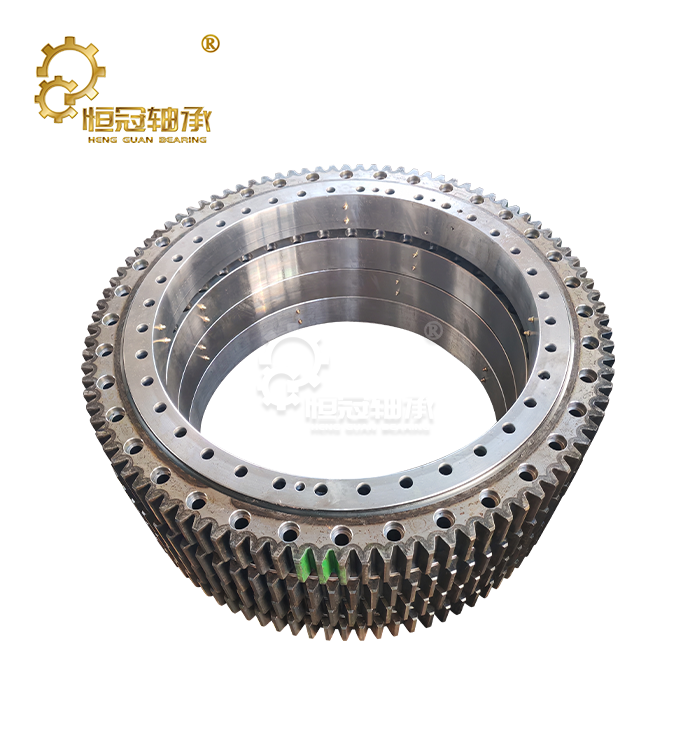
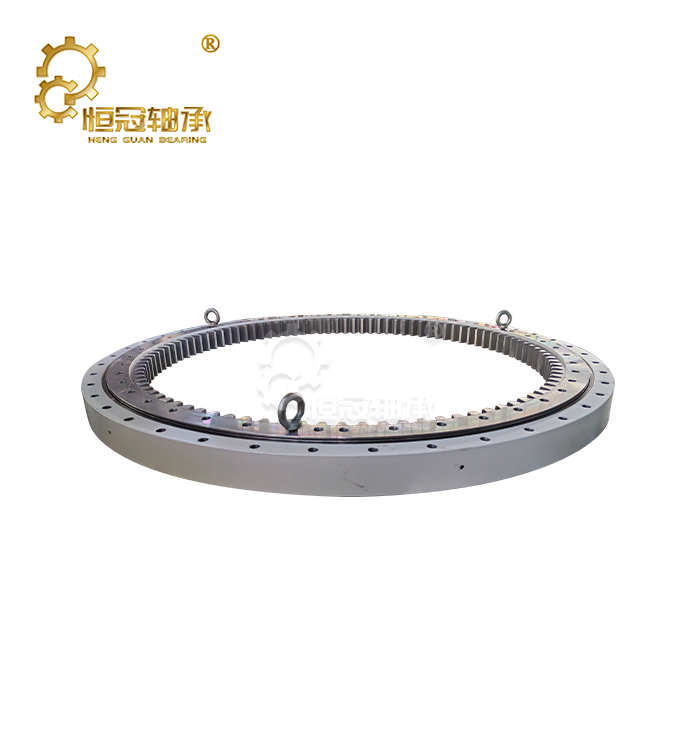
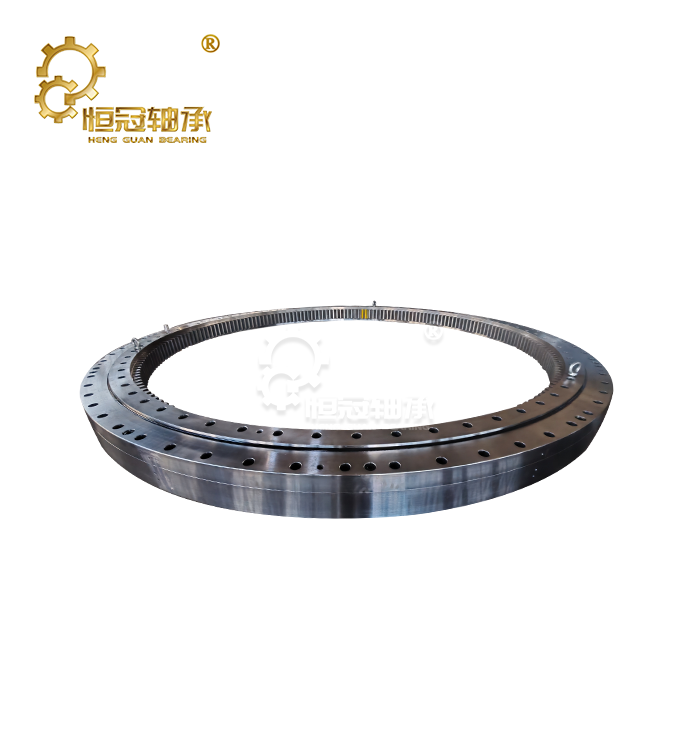
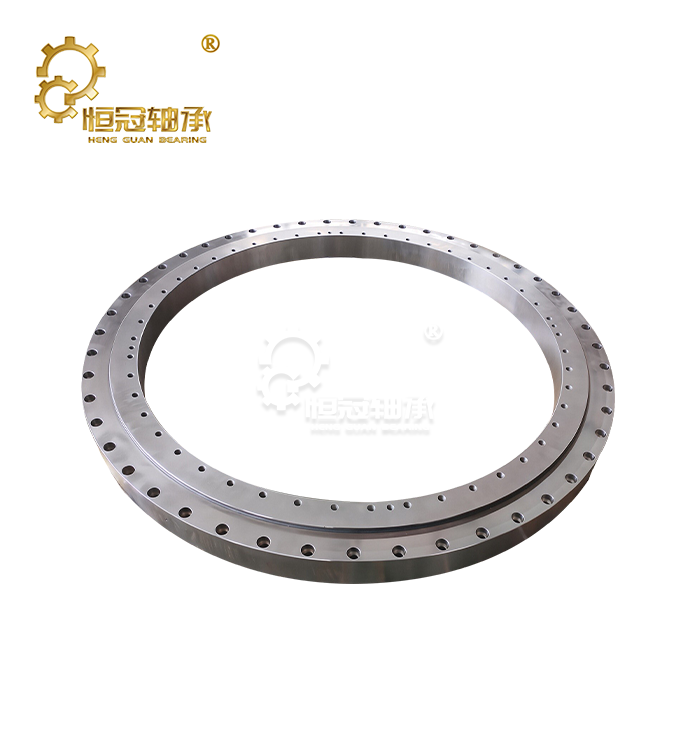
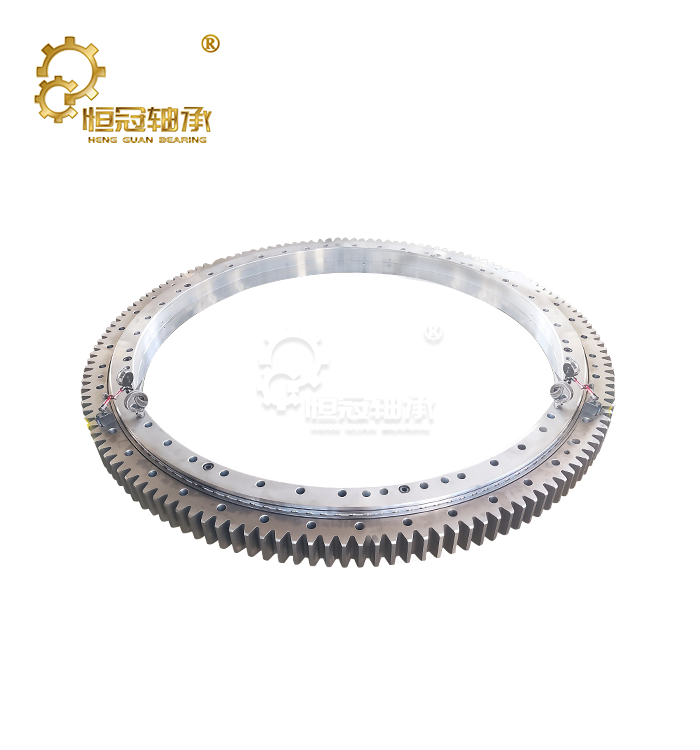
Some of the toughest settings for equipment stability are used by marine cranes. Saltwater, humidity, and big loads that are carried all the time make these conditions very difficult. How can people who work on a Deck Crane Slewing Bearing keep it from rusting at sea and avoid unplanned downtime? A Deck Crane Slewing Bearing is an important part that keeps the crane turning and handles axial loads, radial loads, and overturning moments. Corrosion can hurt the track, rolling elements, or closing system, which can make them work less well and last less long. We at Heng Guan Bearing make Deck Crane Slewing Bearings for tough marine uses by combining strong materials, advanced heat treatment, dependable sealing systems, and custom solutions. This guide talks about the main reasons why offshore cranes rust and how good design and care can make them more reliable.
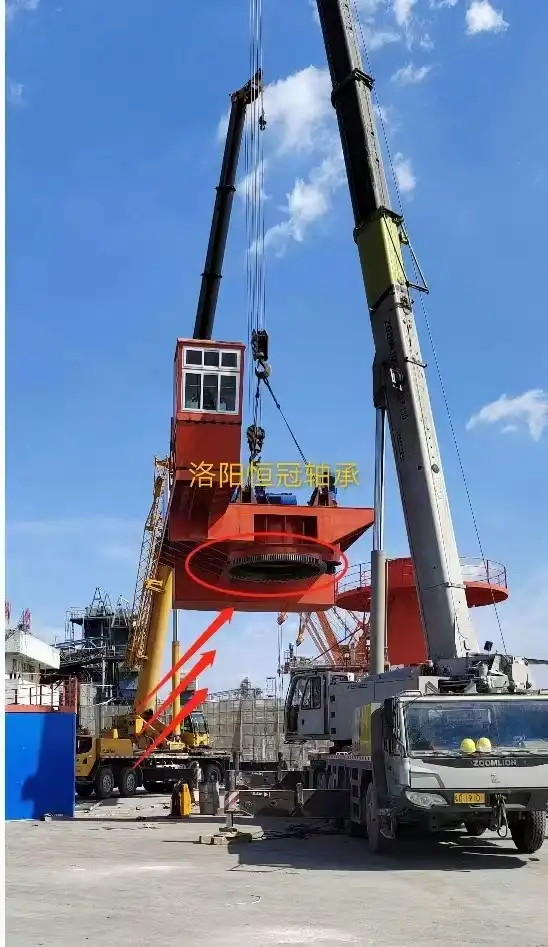
Why Is Corrosion Protection Critical for Deck Crane Slewing Bearing Performance in Marine Environments?
Crane bearings are constantly hit by salt spray, water, changes in temperature, and floating particles in marine settings. Deck Crane Slewing Bearings need to be more resistant to corrosion than regular industrial bearings because they have to work with heavy loads and are exposed to seawater.
Corrosion can damage raceways, raise friction, cause strange vibrations, and lower load capacity if it is not properly protected. For operators in the ocean, a broken bearing can mean expensive downtime, hard repairs, and stops in lifting operations.
So, defence against rust should be thought about from the start of the planning process for bearings. Heng Guan Bearing uses high-quality metal steels like 50Mn and 42CrMo, along with professional heat treatment methods, to make their products stronger, more durable, and less likely to wear out.
| Specification | Details |
|---|---|
| Product Type | Deck Crane Slewing Bearing |
| Material | 50Mn / 42CrMo Alloy Steel |
| Base Hardness | HB260-300 |
| Gear Hardness | HRC55-60 (Induction Hardened) |
| Load Type | Axial Load, Radial Load, Overturning Moment |
| Application | Marine Deck Crane, Offshore Crane |
| Customization | Available According to Customer Requirements |
These design features help the bearing maintain stable performance in challenging marine environments and reduce the risk of premature corrosion-related failure.
Key Causes of Deck Crane Slewing Bearing Corrosion and Their Impact on Offshore Crane Reliability
Understanding why corrosion occurs in Deck Crane Slewing Bearing allows operators to take preventive action before serious damage develops. The most common corrosion factors include saltwater exposure, insufficient lubrication, seal damage, and coating deterioration.
Saltwater and Humidity Exposure
Saltwater is one of the biggest causes of corrosion in marine equipment. Continuous exposure can create oxidation on metal surfaces and damage critical raceway areas.
Insufficient Lubrication
Lubrication not only reduces friction but also creates a protective layer against moisture. Poor lubrication management can accelerate wear and allow corrosion particles to damage internal components.
Damaged Sealing System
Seals protect internal bearing parts from seawater, dust, and contaminants. Once seals become damaged, moisture can enter the raceway and reduce bearing performance.
| Corrosion Cause | Possible Impact |
|---|---|
| Saltwater spray | Raceway corrosion and surface pitting |
| Poor lubrication | Increased friction and accelerated wear |
| Seal failure | Internal contamination and shorter service life |
| Coating damage | Reduced corrosion protection |
Selecting a Deck Crane Slewing Bearing with strong materials, proper sealing, and corrosion-resistant design is essential for improving offshore crane reliability.
How Do Sealing Systems and Protective Coatings Extend Deck Crane Slewing Bearing Service Life at Sea?
The first line of defence against saltwater rust is sealing systems and protection coats. For a Deck Crane Slewing Bearing to work well, it needs more than one way to keep water from getting into its internal parts.
LYHGB uses long-lasting covering materials made for use in naval settings. Nitrile rubber seals that are resistant to oil and wear help keep dust, salt particles, and moisture from getting into the bearing system. The seals also stay flexible at different temperatures.
Protective coatings make things even more resistant to corrosion by keeping surfaces from oxidising. When used with high-strength steel and heat treatment technology, these protection methods make a full system that stops corrosion.
For customized sealing solutions, material selection, or Deck Crane Slewing Bearing requirements, our engineering team can provide professional assistance through mia@hgb-bearing.com.
Deck Crane Slewing Bearing Maintenance Strategies for Preventing Rust, Wear, and Saltwater Damage
A Deck Crane Slewing Bearing, no matter how good it is, needs to be properly maintained to last a long time. Inspections and lubrications done on a regular basis help stop corrosion problems before they become major failures.
Some suggested care methods are:
- Using marine-grade grease to keep the lubrication working well.
- Checking seals often for damage or cracks.
- Cleaning objects that have been in saltwater for a long time.
- Look for early signs of rust, vibration, or strange noises.
| Maintenance Task | Recommended Frequency |
|---|---|
| Grease replenishment | Every 100–150 operating hours |
| Seal inspection | Monthly |
| Rust inspection | After severe weather exposure |
| Complete bearing inspection | Every 6–12 months |
A planned repair plan and a reliable Deck Crane Slewing Bearing help users keep their cranes safe in offshore settings and cut down on downtime.
Conclusion
Deck Crane Slewing Bearings don't rust if they are made of the right materials, have good sealing systems, protective coatings, and are maintained regularly.
Heng Guan Bearing makes naval crane slewing bearings that are made for heavy-duty use. These bearings have a high load capacity, don't rust, and can be customised to meet the needs of each vessel.
When managers pick the right bearing design and do regular maintenance, they can make their cranes more reliable, lower their maintenance costs, and make sure that sea lifting operations are safer.
FAQ
Q1: What causes Deck Crane Slewing Bearing corrosion?
A: The main causes include saltwater exposure, high humidity, poor lubrication, seal damage, and coating deterioration.
Q2: Which materials are suitable for marine slewing bearings?
A: High-strength alloy steels such as 50Mn and 42CrMo are commonly used because of their excellent strength and wear resistance.
Q3: How can sealing systems prevent corrosion?
A: Seals prevent seawater, dust, and contaminants from entering internal bearing components, helping extend service life.
Q4: Can Deck Crane Slewing Bearings be customized?
A: Yes. Dimensions, materials, sealing structures, and configurations can be customized according to crane requirements.
Q5: How often should marine crane bearings be maintained?
A: Lubrication and inspection intervals depend on operating conditions, but regular checks are recommended for offshore applications.
Protect Your Marine Crane Equipment with Reliable Slewing Bearing Solutions
Corrosion can seriously affect crane safety and operational efficiency. Choosing a reliable Deck Crane Slewing Bearing with proper protection technology is essential for long-term marine performance.
Contact Heng Guan Bearing at mia@hgb-bearing.com to discuss your bearing requirements, request a customized solution, or get professional support for your marine lifting applications.
References
1. American Bureau of Shipping, Guidance Notes on Corrosion Control for Offshore Structures.
2. ISO 9001 Quality Management Systems Requirements.
3. Marine Equipment Corrosion Prevention Practices.
4. ASTM Marine Corrosion Testing Standards.
5. NACE Corrosion Control in Marine Environments.

WHAT OUR CUSTOMERS SAY
Here is the customer's evaluation of us