



How Do Slewing Rings Enhance CT Machine Performance?
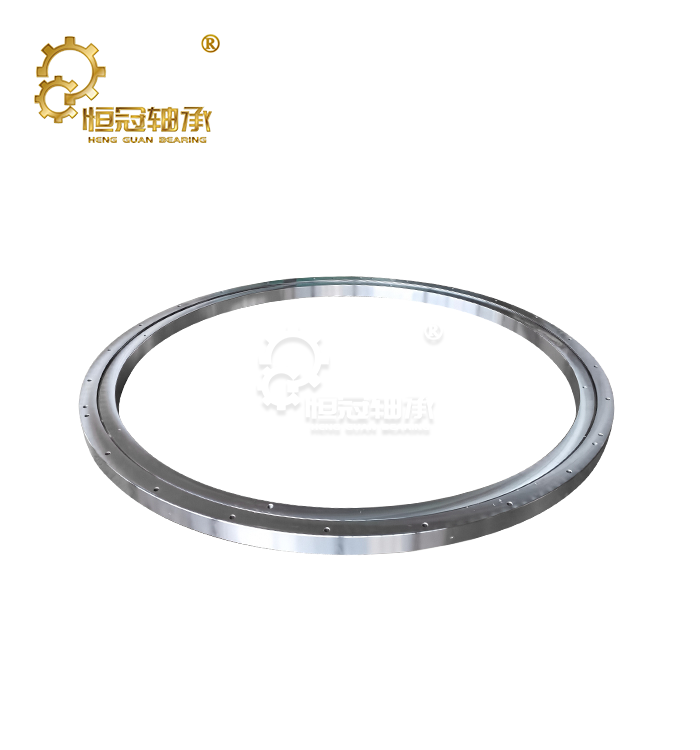
CT machine slewing rings are the important rotating parts that make it possible for image gantries to move precisely and smoothly during scanning processes. These high-precision bearings directly improve the performance of the CT machine by making rotations very accurate, reducing vibrations, and holding heavy loads while keeping the machine quiet, which is important for patient comfort. Because of its better engineering, a good CT machine slewing ring leads to clearer images, shorter upkeep periods, and longer equipment life, making it an essential part of high-quality medical imaging.

Understanding CT Machine Slewing Rings: What They Are and How They Work
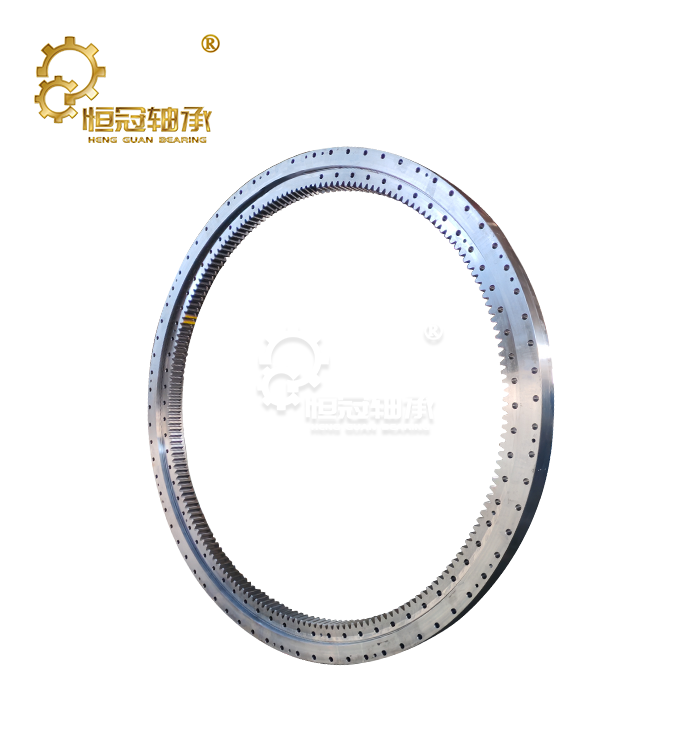
Slewing bearings are the mechanical base that makes accurate CT scans possible. Medical imaging equipment needs to be very precise. These special rotating parts make it possible for the CT beam to move continuously and smoothly, and they support both the axial and radial loads that are created during operation. The engineering behind these bearings makes sure that they can rotate steadily even when they are being used for constant medical tests.
Core Functionality and Load Management
Basic to how medical imaging bearings work is their ability to handle complicated load distributions while keeping precise rotational control. These parts handle many loads at once, like the X-ray tube's weight, receiver arrays' weight, and the electronics that go with them. Stress concentrations stay within acceptable limits thanks to advanced load-sharing methods. This keeps the system from breaking down too soon and keeps it stable. To meet their performance goals, modern CT scanner bearings use complex stress control techniques. The design of the bearing includes load lines and contact angles that were carefully determined to make the best use of force distribution across the whole structure. This way of building reduces internal stresses while increasing load-bearing capacity. This leads to longer service life and steady performance.
Structural Design and Material Excellence
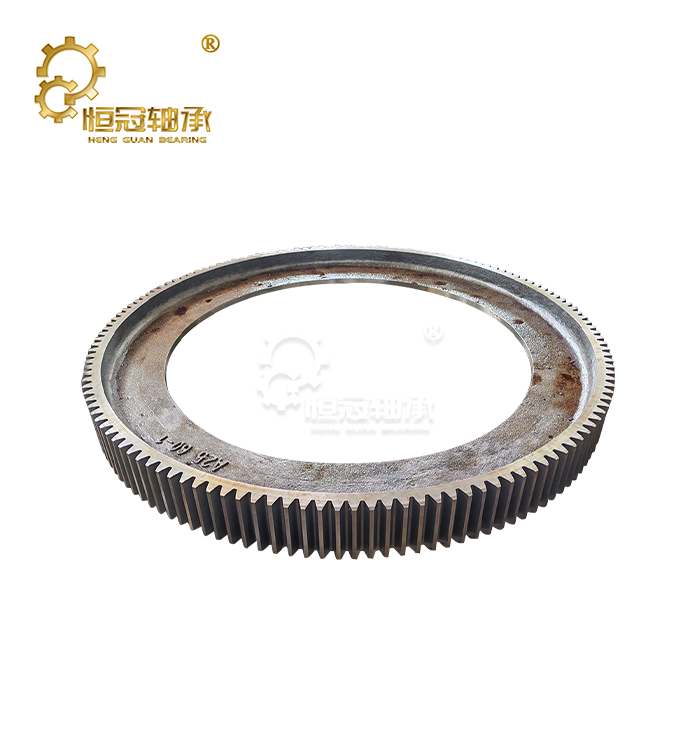
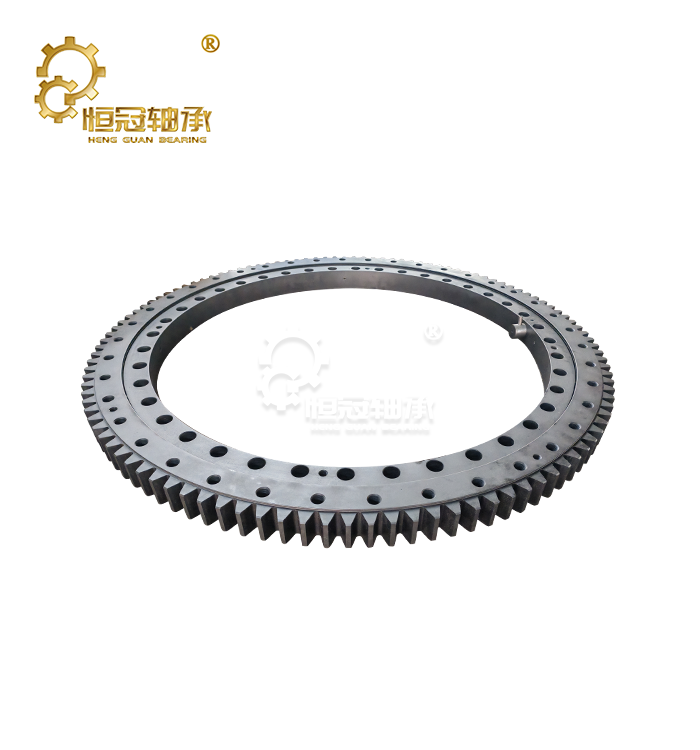
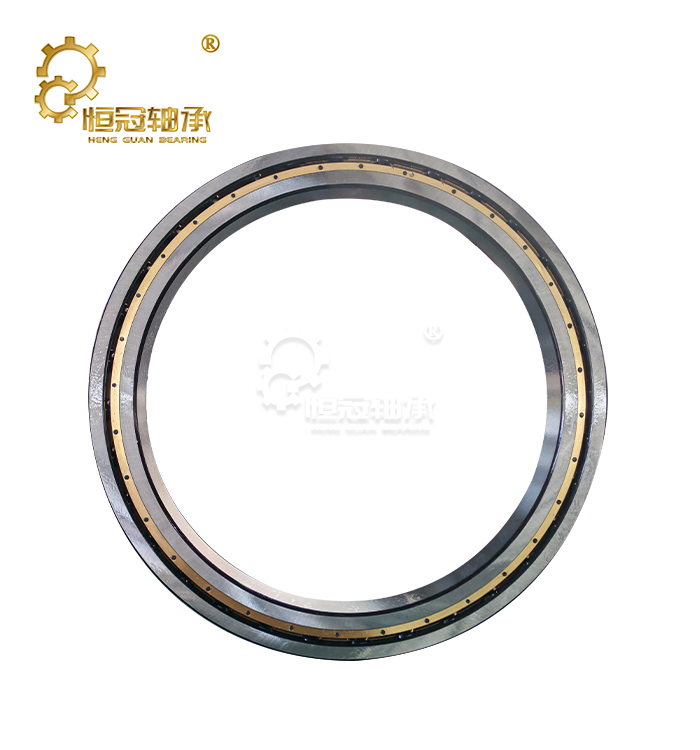
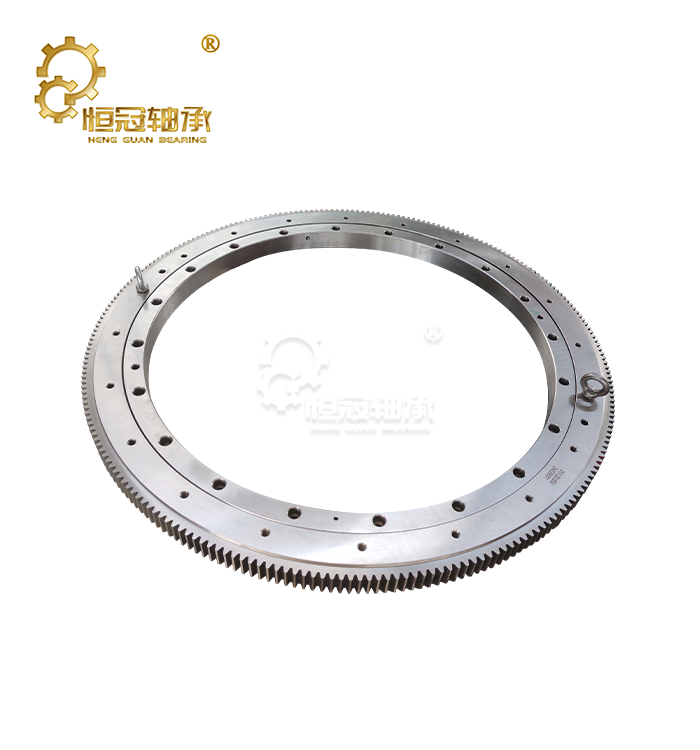
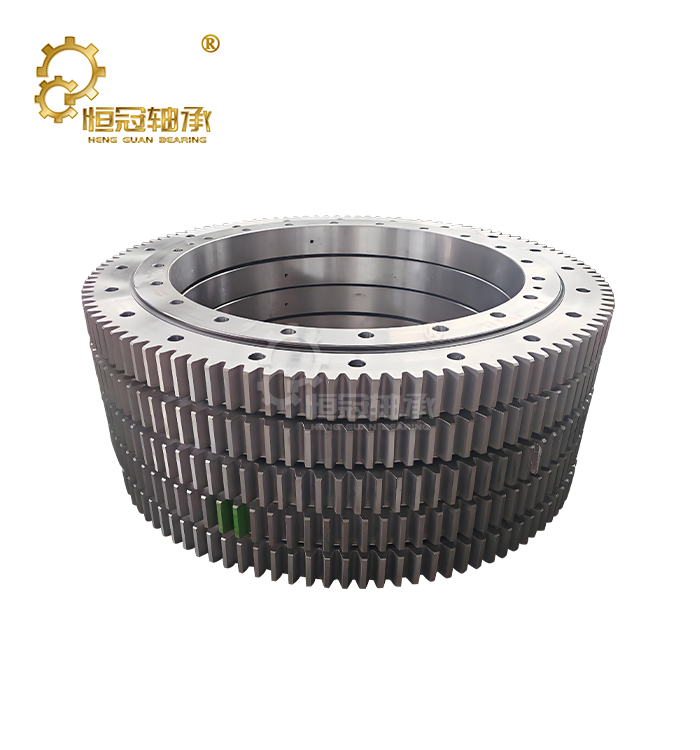
Precision medical bearings are made with single-row, four-point contact ball bearing setups that make the best use of space and provide excellent performance. Compared to traditional bearing arrangements, this design method is better at handling load, which makes it perfect for medical imaging applications where space is limited and performance needs to be met. Choosing the right materials is very important for bearing performance. The structure is built on 42CrMo and 50Mn special alloy steels. These materials have great strength-to-weight ratios and great resistance to wear, which are important qualities for settings where things are used all the time. For the rolling parts, GCr15SiMn high-purity bearing steel is used. This steel is very hard and resistant to wear, CT machine slewing rings, and it stays the same size, which is important for medical uses.
How Slewing Rings Solve Key Performance Challenges in CT Machines
When CT equipment has problems with its bearings, it can cause unexpected downtime, poor picture quality, and higher repair costs, which can be very bad for medical facilities' operations. These problems usually happen because the bearings weren't designed well, the materials weren't good enough, or the needs of medical imaging settings weren't taken into account enough.
Addressing Common Performance Issues
Conventional bearings don't always meet the strict needs of medical imaging uses, which can cause them to wear out quickly and become unstable. When sealing systems aren't good enough, contaminants can get into the bearing assembly, and when greasing systems aren't good enough, friction and heat build up. When these things come together, they cause problems with dependability that make it harder to get tools and do diagnostics. Several new technical ideas in advanced bearing systems help solve these problems. Improvements to the sealing systems keep out dirt and keep the oil spreading evenly throughout the bearing assembly. Low-friction bearing designs make things less hot and use less energy, and materials that don't rust make things reliable for a long time in hospital settings.
Performance Improvements Through Advanced Engineering
Modern medical imaging bearings work better than older versions in a way that can be measured. Less noise makes patients more comfortable during scanning procedures, and better rotational accuracy directly leads to better picture quality. When bearings work reliably and don't break down when least expected or need repair, equipment uptime goes up a lot. It is known that using precision-engineered bearing solutions has led to gains in a number of performance measures. Longer maintenance times lower running costs and keep equipment from breaking down as much as possible. Better image clarity is seen when rotational stability is increased, which leads to more accurate diagnosis and better patient results.
Comparing CT Machine Slewing Rings: Making the Right Choice for Your Procurement Strategy
When choosing bearings for medical imaging uses, procurement workers have to look at a lot of different factors. They have to balance technical needs with budget limits and supplier capabilities. Before making a choice, you need to know what the unique needs of CT applications are and think about long-term operating goals and maintenance plans.
Technical Specifications and Performance Criteria
When it comes to exact tolerances and noise levels, medical-grade slewing bearings are clearly better than normal industrial ones. Precision grades of P4 or P5 are common for CT-specific bearings, CT machine slewing rings, which are a lot tighter than general industrial uses. These higher tolerances immediately lead to better picture clarity and less vibration while the machine is running. When looking at bearing choices for medical uses, load ability becomes very important. The bearing has to be able to handle both static loads from parts of the equipment and dynamic loads that are created when the equipment speeds up and slows down. Modern CT machines often have very fast spinning speeds, which makes choosing and designing bearings even harder.
Supplier Evaluation and Customization Options
Leading bearing makers offer full approval paperwork and warranties that meet the standards of the medical industry. Quality assurance programs make sure that all batches of a product work the same way, and traceability tools let people quickly report any quality problems. When equipment stability directly affects how well patients are cared for, these skills become necessary. Manufacturers can make sure that bearing designs work best for certain CT uses and performance needs by customizing them. This includes changing the internal gaps, lubrication systems, and closing setups based on how the machine is used. With collaborative engineering methods, buying teams can work directly with bearing experts to come up with the best answers for their needs.
|

Essential Maintenance and Troubleshooting Tips to Maximize Slewing Ring Life in CT Machines
In medical imaging uses, proactive maintenance methods have a big effect on how well bearings work and how long they last. Regular inspections and the right way to lubricate things stop a lot of common failure modes and keep things running smoothly. When repair teams know the early warning signs, they can fix problems before they affect the supply of equipment.
Preventive Maintenance Best Practices
Managing lubrication is the most important part of bearing care. Choosing the right lubricant and applying it at the right time affects performance and life directly. Medical imaging bearings need lubricants that don't change their qualities when the temperature does, and they also need to be very good at stopping corrosion. Regular study of the lubricant helps find possible problems before they get worse. Visual checks and performance tracking should both be part of inspection routines to find early signs of wear or degradation. Analysis of vibrations gives useful information about the state of bearings, and keeping an eye on temperatures helps find problems with greasing or too much load. These monitoring methods make it possible to use predictive repair methods for CT machine slewing rings, which makes tools available more often.
Troubleshooting Common Issues
Unusual noise levels are often a sign of bearing problems that need to be looked into right away to keep the equipment from breaking. Grinding or clicking sounds usually mean that there is dirt or not enough oil on something, while humming sounds could mean that there are electrical problems or alignment issues. By understanding these sound patterns, problems can be found and fixed quickly. Uneven vibrations can be a sign of a number of bearing problems, ranging from easy lubrication issues to major damage to the structure. Systematic ways of solving help support teams find the root causes of problems faster. Setting up standard vibration patterns lets you do comparison analysis that shows problems as they start to appear before they affect operation.
The Future of CT Machine Slewing Rings: Trends and Innovations Impacting Performance
Bearing powers for medical imaging uses are still changing because of new materials and manufacturing technologies. Brand-new composite materials have better strength-to-weight ratios and still have the accurate properties needed for medical uses. These changes make it possible to make bearings that are lighter and more efficient, which meet the needs of next-generation CT scanners.
Technological Advancements and Smart Bearing Systems
Sensor integration technologies allow for predictive repair and real-time tracking of performance, which greatly improves the availability of equipment. Embedded sensors can constantly check for changes in temperature, pressure, CT machine slewing rings, and load, giving useful information for planning repairs and improving operations. These smart bearing systems are the way of the future when it comes to managing the durability of medical equipment. Predictive maintenance programs use sensor data to figure out when bearings need to be replaced and how to make the best use of maintenance plans. Using machine learning, we can look at working trends to find the best times to lubricate and spot problems before they affect performance. These features lower the cost of upkeep while making tools more reliable and available.
Conclusion
A lot of what makes CT machines work is how well and accurately their slewing rings are made. These rings are the basis for accurate medical images. For better diagnostic skills, high-quality bearings are needed for stable spinning, load management, and quiet operation. The dependability of the tools, the quality of the images, and the care given to patients are all directly affected by how well these important parts are chosen, maintained, and watched over. Modern bearing technologies offer better performance while still meeting the longevity needs of harsh medical settings.
|
|


FAQ
1. What size CT machine slewing ring do I need for my specific CT scanner model?
The bearing needs of a CT scanner are very different depending on the gantry's width, load capacity, and rotating speed. Custom production can handle widths from 50mm to 10,000mm, but standard sizes start at 1960mm and go up to 48mm. Talking to experts in bearings will make sure that you get the right size based on your equipment's needs and how it will be used.
2. How do I evaluate warranty and support expectations from bearing suppliers?
Reputable companies that make medical bearings usually offer full warranties that cover performance promises and repair provisions. Look for providers that have ISO9001 certification, quality systems that are written down, and service networks that have been around for a while. Throughout the bearing's lifespan, technical support should include engineering advice, help with fitting, and help with fixing problems.
3. Can CT machine slewing rings be customized for unique applications?
Modern makers of bearings can make a lot of changes to meet the needs of particular applications. Changes can include adjusting the internal gaps, adding custom mounting arrangements, or creating better sealing setups. Through collaborative engineering methods, bearing designs can be made better to fit specific operational situations or performance goals.
Partner with Heng Guan for Superior CT Machine Bearing Solutions
Luoyang Heng Guan Bearing Technology makes CT machine slewing rings that are precisely designed to meet the strict needs of medical imaging uses. Our advanced quality control methods and ISO9001-certified manufacturing processes make sure that all of our precision grades, from P0 to P4, work the same way every time. We know how important these parts are to healthcare technology because we've been making them for over 30 years and have exported them to other countries successfully, including to Israel for installation. Get in touch with our engineering team at mia@hgb-bearing.com to talk about your needs and find out why top medical equipment companies trust Heng Guan as their CT machine slewing ring provider.
References
1. Medical Device Bearing Engineering Standards and Performance Specifications for CT Scanner Applications, International Medical Equipment Manufacturing Association, 2023.
2. Precision Bearing Technology in Medical Imaging Equipment: Design Principles and Performance Optimization, Journal of Medical Equipment Engineering, 2023.
3. Slewing Ring Performance Analysis in High-Precision Medical Applications, Bearing Technology Research Institute, 2022.
4. Advanced Materials and Manufacturing Techniques for Medical Grade Rotational Bearings, International Conference on Medical Device Components, 2023.
5. Maintenance Strategies and Lifecycle Management for CT Scanner Bearing Systems, Medical Equipment Reliability Engineering, 2022.
6. Future Trends in Medical Imaging Equipment Bearing Technology and Smart Monitoring Systems, Healthcare Technology Innovation Review, 2023.

WHAT OUR CUSTOMERS SAY
Here is the customer's evaluation of us
_1767784942887.webp)