



What Makes a High-Performance Tower Crane Slewing Bearing?
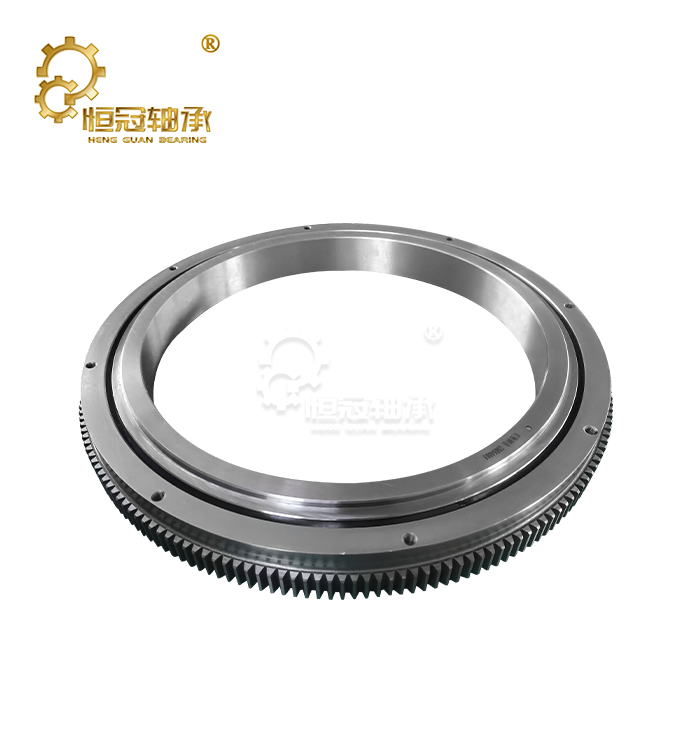
A high-performance Tower Crane Slewing Bearing stands out through its exceptional load-bearing capacity, precise engineering tolerances, and robust material composition. These critical rotating components must seamlessly handle combined axial, radial, and moment loads while enabling smooth 360-degree rotation of the crane's upper structure. Superior performance characteristics include optimized raceway geometry for even load distribution, high-grade alloy steel construction with advanced heat treatment, precision manufacturing to tight tolerances, and reliable sealing systems that protect against contamination. Quality slewing bearings integrate advanced metallurgy with specialized coatings and engineered surfaces to deliver extended service life under demanding construction environments.
Understanding Tower Crane Slewing Bearings: Structure and Function
Tower crane slewing bearings are the key mechanical interface that makes it possible for the upper part of building cranes to turn safely and smoothly. These complex parts are more than just simple rotating mechanisms; they are the technical basis that decides how well the crane works, how safe it is, and how long it can be used.
Core Design Elements and Load Management
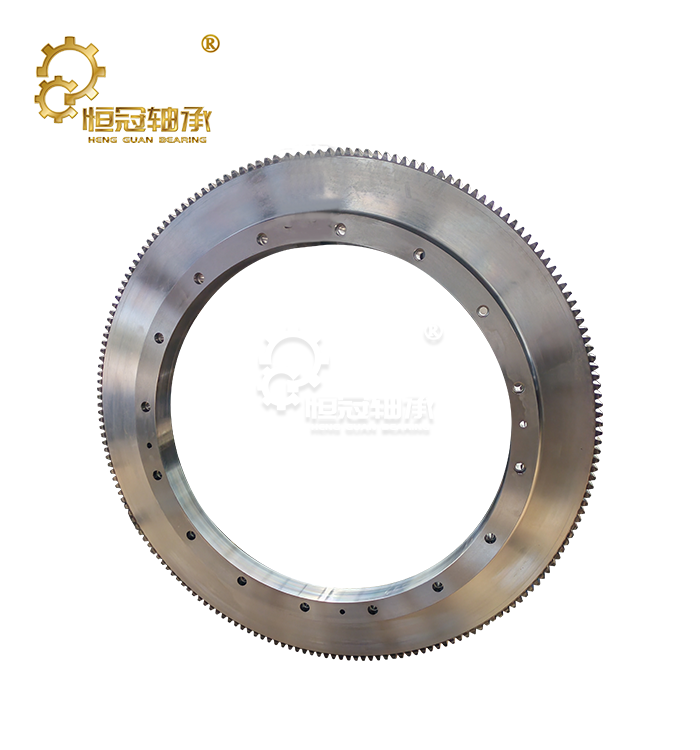
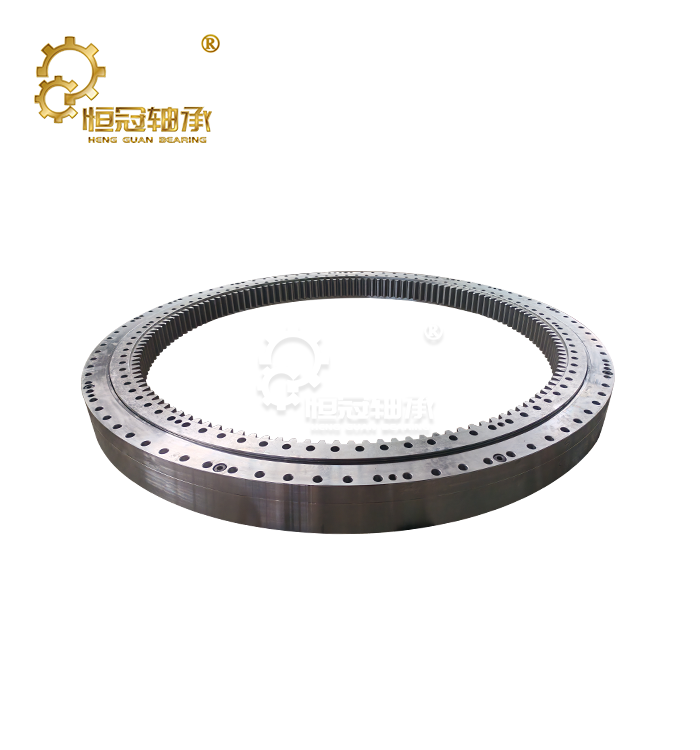
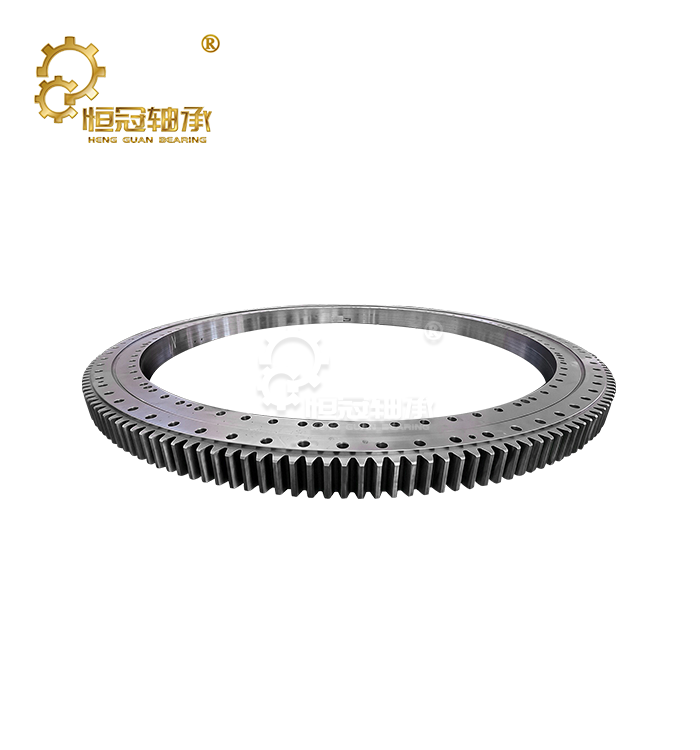
The basic structure of slewing bearings is made up of inner and outer rings with rolling elements that are placed in a way that makes multiple contact points for load sharing. This design lets the bearing handle complex mixtures of forces at the same time, which would be too much for most bearing systems to handle. The engineering method takes into account three different types of loads: axial forces from lifting materials, radial forces from the boom's extension, and tipping moments from the way the machine works.
Modern slewing bearings, like the Tower Crane Slewing Bearing, use complex track shapes that increase the contact area while reducing the load concentration. The contact points spread the weight over larger areas, lowering pressure in one area and making the bearing last a lot longer. In tower crane uses, where load patterns change all the time during operating cycles, this method works especially well.
Structural Variations and Material Technologies
These days, slewing bearings come in three main structural forms that can be used in different situations. Single-row four-point contact ball designs work great in situations where precise positioning is needed, and the load capacity is modest. These bearings use optimized contact angles that evenly spread forces while keeping small sizes that are good for setups with limited room.
When you use two rows of balls with different diameters, you can carry more weight because there are more moving elements and the load is spread out better. The different ball sizes make more than one load line, which makes the bearing stiffer and less likely to bend under heavy loads. Triple-row roller designs are the best way to handle tasks with the most weight. They have separate raceways that keep different parts of the load from affecting each other, which ensures the best performance.
The choice of material is very important for how well a bearing works. Base rings made from 42CrMo and 50Mn special alloy steels have very high strength-to-weight ratios and keep their shape even when heated and cooled many times. GCr15SiMn high-purity bearing steel is used to make rolling elements that have better wear protection and fatigue life thanks to controlled metallurgical qualities and precise surface finishing.
Key Performance Factors of High-Quality Tower Crane Slewing Bearings
Excellence in slewing bearing performance comes from paying close attention to many factors that work together to determine business success. By understanding these performance drivers, you can make smart decisions that improve the stability and working efficiency of your crane.
Load Capacity and Dimensional Specifications
The basic performance measure that tells you if a bearing is right for a certain crane application is its load capacity. These days, high-performance bearings can fit inner diameters from 800mm to 4000mm and outer diameters from 1000mm to 4500mm. Height ranges from 80 mm to 300 mm, which allows for a range of space limitations while still keeping structural integrity.
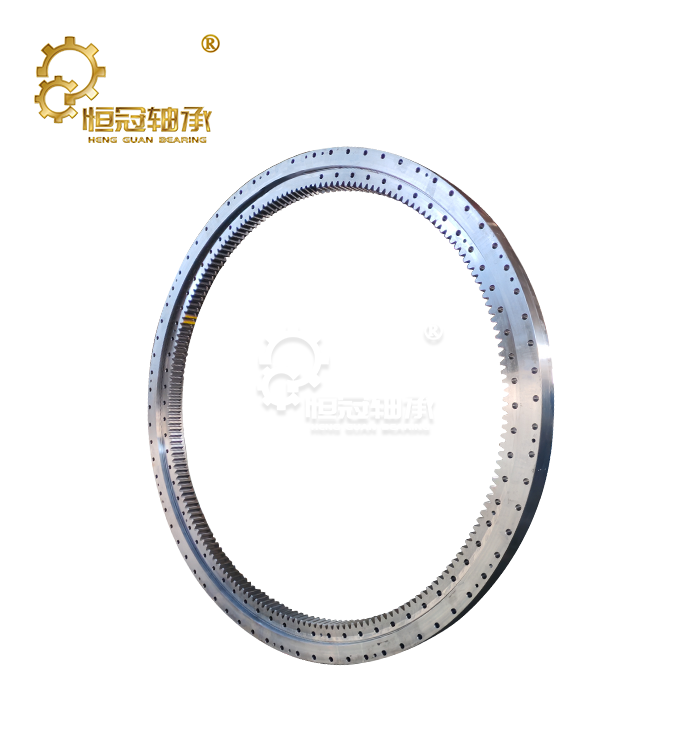
Bolt hole configurations that run from 48 to 120 positions allow for safe mounting options that evenly spread connection loads. These size ranges can support everything from small urban building cranes to huge infrastructure projects that need the most pulling power. Custom sizing makes sure that the right size is matched to the crane's needs without sacrificing safety or performance.
Material Quality and Heat Treatment Processes
To make high-quality materials, you must carefully choose metal formulas that are the right mix of toughness, strength, and workability. Advanced heat treatments, such as computer-controlled cooling and hardening, are used on the base materials to make sure that the hardness is the same across the whole cross-section of the component. This method gets rid of weak spots while keeping the dimensions stable under stress from use.
The quality of the rolling element has a direct effect on how smooth and long-lasting the bearing is. By vacuum degassing and controlling the cooling rate, high-purity bearing steels can get a very smooth surface finish and good mechanical consistency. These materials don't allow wear cracks to form and have uniform rolling properties that keep the bearing in place throughout its service life.
Sealing Technology and Lubrication Systems
Technically advanced sealing systems are very important for performance because they keep fluids inside and keep external parts clean. Imported nitrile rubber or fluororubber compounds are used to make multi-lip seal designs that reliably keep out building site dirt, wetness, and rough particles that would otherwise hurt bearing performance.
Lubrication systems that work well protect bearings from wear and pressure, which makes them last longer. When choosing the right lubricant, you should think about the working temperature ranges, the load factors, and the surroundings. Good bearings have features that keep the grease in place so that the lubrication works well even when the temperature changes and the bearings are being used.
Comparison of Tower Crane Slewing Bearings: Making an Informed Choice
To choose the best slewing bearings, you need to look at all the available technologies and see which ones work best for your unique needs. In this decision-making process, performance traits, cost factors, and long-term value ideas are all balanced.
Structural Design Comparisons
Ball bearing designs are better for uses that need smooth rotation and accurate placement. It has a point contact shape that reduces rolling resistance while still holding enough weight for moderate-duty uses. When working noise needs to be kept to a minimum and direction changes happen often, these designs work great.
Roller bearing systems can hold more weight because the line contact geometry spreads pressures over a bigger surface area. This method lets you handle very heavy loads while keeping the dimensions stable in tough situations. The bigger contact area lowers the stress on the bearing, which makes it last longer in heavy-duty situations.
Material and Manufacturing Considerations
When premium alloys are used to make Tower Crane Slewing Bearing steel bearings, they have great power and have been shown to be reliable in harsh settings. Precision drilling and controlled heat treatment are examples of advanced manufacturing methods that make sure quality and performance are always predictable. For normal uses, these Tower Crane Slewing Bearings are a cost-effective option that still meets high reliability standards.
Specialized coats and treatments on the surface improve efficiency in harsh settings. These technologies make things less likely to rust, lower the rates of friction, and make it possible to lubricate things more often. The higher price is justified by the better performance, which means less upkeep and longer service intervals.
Brand Evaluation and Supplier Selection
Different global bearing makers bring different strengths to the market, which lets people choose the best product for their needs. Well-known names like SKF and TIMKEN give a lot of engineering help and have a history of doing well in tough situations. Their products usually cost a lot, but they're worth it because they're reliable and come with good expert help.
Customization options and quick service from regional makers often give them a competitive edge. Heng Guan and other companies like it combine technical know-how with adaptable production methods that let them make solutions that are perfect for each purpose. This method works especially well when some special operational conditions or needs aren't normal.
Procurement Guide: How to Buy Tower Crane Slewing Bearings with Confidence?
To make sure the best project results, successful bidding needs a methodical look at suppliers, specifications, and capabilities. As part of this process, expert evaluation, business negotiations, and risk management must all be taken into account.
Supplier Evaluation and Certification Requirements
Suppliers you can trust show that their quality is always the same by having thorough approval programs and written quality management systems. ISO 9001 certification is a basic guarantee of well-organized quality control, while certifications specific to an industry show that the company knows a lot about how to use crane bearings.
When you do a manufacturing capability review, you look at things like production tools, testing sites, and the qualifications of technical staff. Modern producers use CNC machining centers, coordinate measuring machines, and metallurgical testing tools to make sure the quality of their products stays the same. These skills directly affect how reliable and consistent a product is in its performance.
Custom Design and Engineering Support
In complex crane applications, bearing solutions that are made to fit specific operational problems or room limitations are often needed. Good providers offer full engineering help, which includes application analysis, custom design development, and testing of prototypes. This partnership makes sure that the best bearings are chosen and installed.
Technical paperwork and support tools make installation and upkeep work well. Detailed models, power specs, lubrication suggestions, and debugging tips all make it easier to install bearings correctly. Throughout the service life of the bearing, ongoing expert support helps fix operating problems and improve performance.
Commercial Considerations and Risk Management
Volume buying agreements can save you a lot of money and keep your supply chain stable at the same time. Bulk purchase contracts let you discuss pricing structures that lower the cost per unit while still making sure that you have enough for current projects. These agreements are good for both providers and clients because they help with planning and using resources more efficiently.
Quality assurance methods keep you safe from fake goods and materials that aren't up to par. Material approvals, test reports, and tracking paperwork from reputable sources show that the products are real and meet the requirements. For important safety uses where a failed bearing could have bad results, these steps are necessary.
Future Trends and Innovations in Tower Crane Slewing Bearings
The slewing bearing business is always changing because of new technologies and shifting consumer needs. These changes mean that future crane apps will be able to do their jobs better and more efficiently.
Smart Technology Integration
IoT-enabled condition tracking systems are a game-changing piece of technology that lets repairs be planned ahead of time. In real time, embedded sensors check the temperature, pressure, and greasing of the bearings. This information helps with maintenance optimization, which stops sudden breakdowns and increases the service life of bearings by making smart choices.
With digital twin technology, virtual Tower Crane Slewing Bearing models are made that can mimic real-world situations and predict how they will perform. These tools make it possible to choose the best bearings, plan upkeep, and improve operating parameters. The technology makes it easier to use cranes more efficiently and lowers costs by making them more reliable.
Sustainability and Environmental Responsibility
Environmental concerns are having a bigger impact on the design and production of bearings. Recycling programs, sustainable products, and energy-efficient production methods all help the environment while still meeting performance standards. These projects show that people who make industrial tools are becoming more aware of their environmental responsibilities.
The main focus of advanced materials research is on bio-based lubricants and surface treatments that are safe for the environment and don't hurt performance. These changes make it easier to follow changing environmental rules and help companies reach their sustainability goals.
Conclusion
High-performance Tower Crane Slewing Bearings are complex technical solutions that meet the needs for load capacity, accuracy, and long life. To choose the right bearings, you need to know about the different types of structures, the latest material technologies, and the performance factors that affect how well the bearings work. Good providers, like Heng Guan, offer complete solutions by using advanced production techniques, technical know-how, and customization services that meet the needs of each application. Smart technologies and sustainability efforts are changing quickly, which means that bearing performance and operating economy will continue to improve.
FAQ
What determines the load capacity of a tower crane slewing bearing?
It depends on the size of the bearings, how the structure is built, the quality of the materials, and the shape of the raceways. Higher load rates are possible with bigger bearings that use better materials and contact patterns to keep safety gaps.
How do you select the correct bearing size for a specific crane?
To choose the right bearing, you have to make sure that the inner diameter, outer diameter, and height measurements match the needs of the crane position while also making sure that the bearing has enough load capacity for working needs. Custom size makes sure that the item fits and works perfectly.
What maintenance practices extend slewing bearing service life?
Regular lubrication, keeping the bearings clean, using the right fitting force, and checking them regularly all greatly increase their life. Performance and dependability are best achieved by following the manufacturer's instructions and keeping an eye on operating conditions.
Partner with Heng Guan for Premium Tower Crane Slewing Bearing Solutions
Heng Guan Bearing Technology delivers world-class slewing bearing solutions through advanced manufacturing capabilities and comprehensive technical expertise. Our ISO 9001-certified factory in Luoyang uses state-of-the-art CNC machines and skilled engineering teams to make unique bearings that work better than expected. We are experts at making custom designs and precise parts for tough jobs in the mining, building, and heavy machine industries. Our world delivery network works with over 50 countries and has been shown to be reliable. We also offer quick technical help. Get in touch with mia@hgb-bearing.com to talk about your Tower Crane Slewing Bearing needs and find out how our high-quality production can help your crane work better and be more successful.
References
1. International Organization for Standardization. "Rolling Bearings - Slewing Bearings - Part 1: Design and Application Guidelines." ISO 281:2017 Technical Specification, 2017.
2. American Society of Mechanical Engineers. "Tower Crane Safety Standards and Bearing Performance Requirements." ASME B30.3-2016 Construction and Demolition Equipment Standards, 2016.
3. European Committee for Standardization. "Slewing Bearings - Dimensions, Tolerances and Load Ratings." DIN 628-6 European Bearing Standards, 2018.
4. Society of Manufacturing Engineers. "Advanced Materials and Heat Treatment for Heavy-Duty Bearing Applications." SME Technical Paper Series ME15-234, 2019.
5. Construction Industry Institute. "Reliability and Maintenance Optimization for Construction Equipment Bearings." CII Publication 2020-02 Research Report, 2020.
6. International Association of Bridge and Structural Engineering. "Load Analysis and Design Criteria for Crane Slewing Systems." IABSE Symposium Proceedings Volume 106, 2021.

WHAT OUR CUSTOMERS SAY
Here is the customer's evaluation of us
_1767784942887.webp)