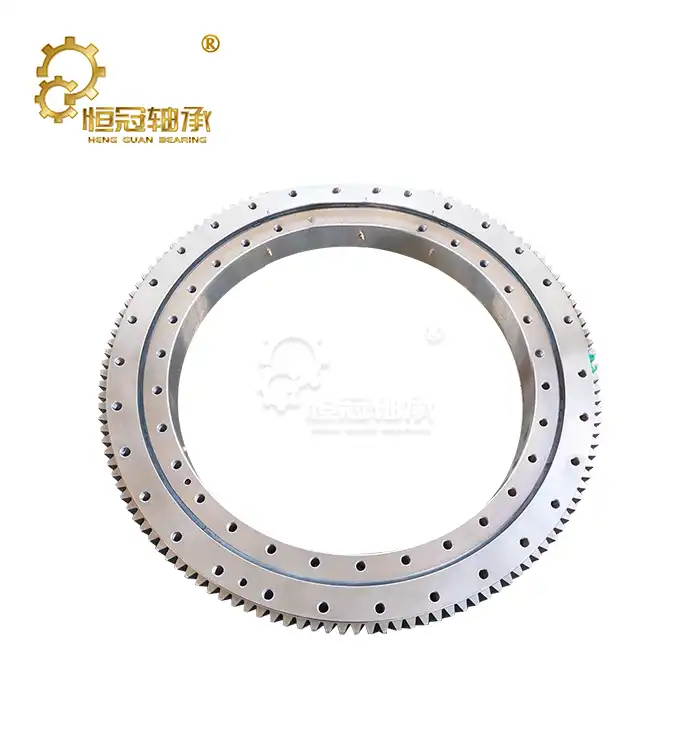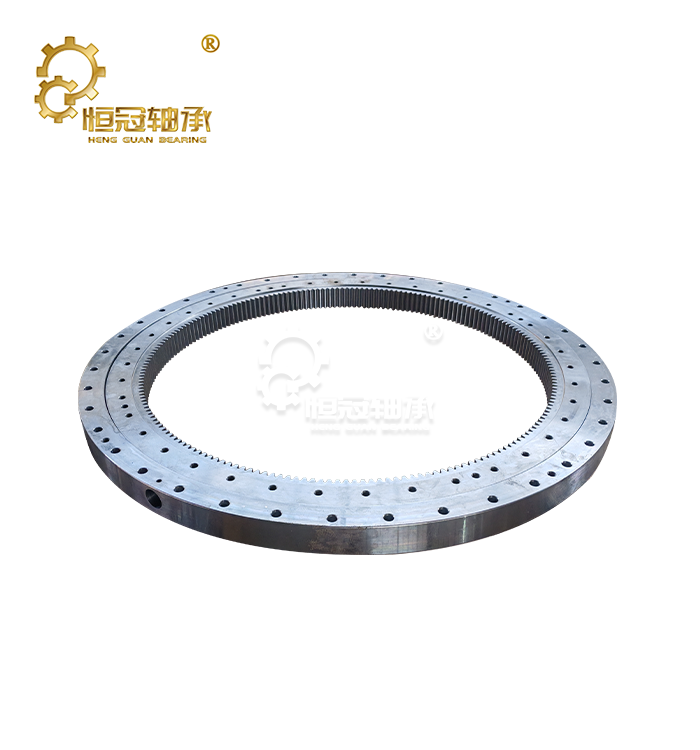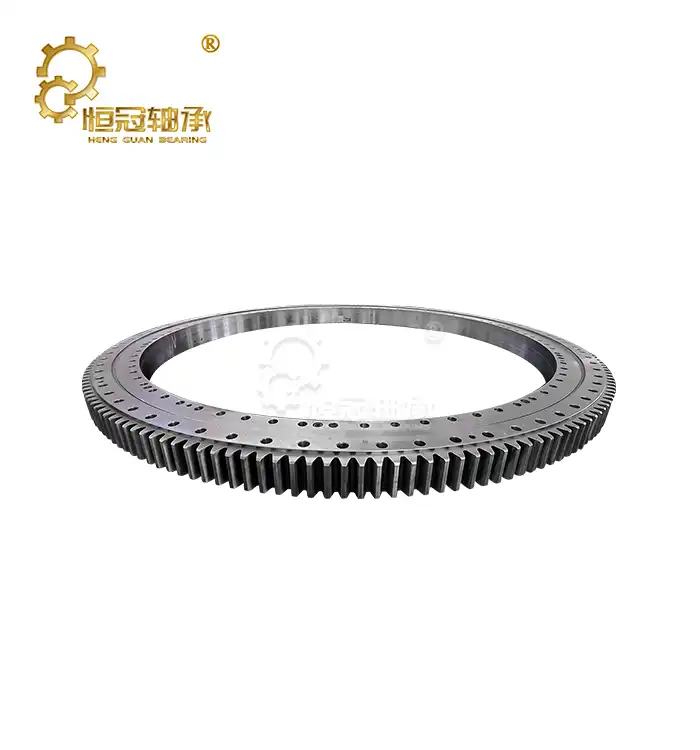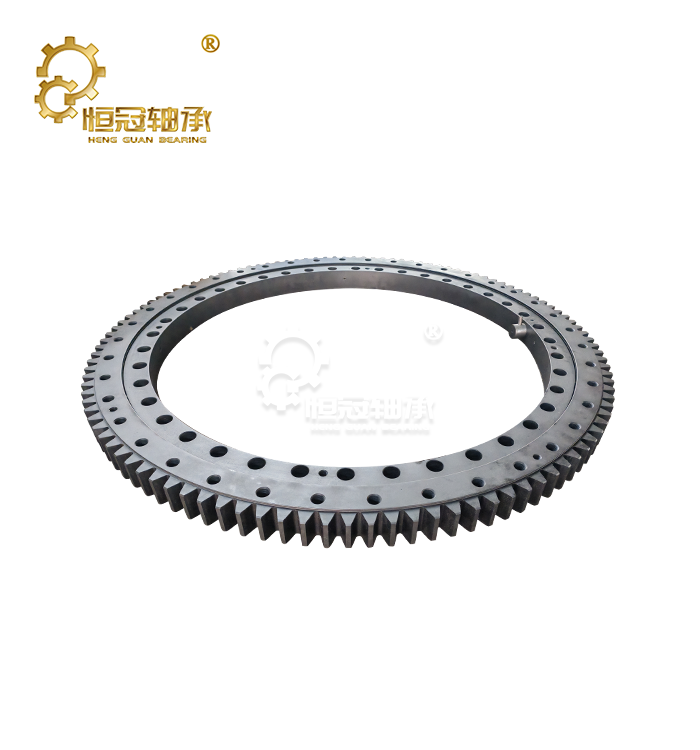




What Applications Are Turntable Bearings Best Suited For?
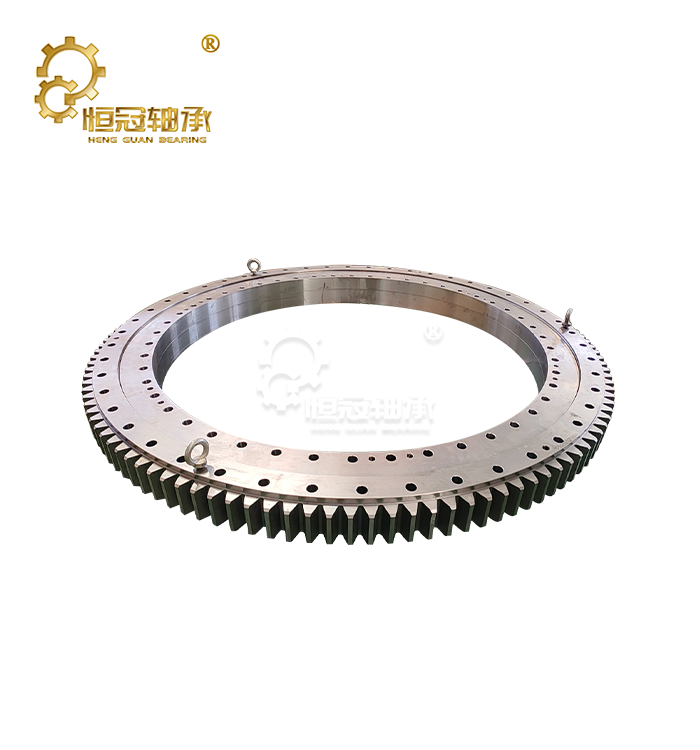
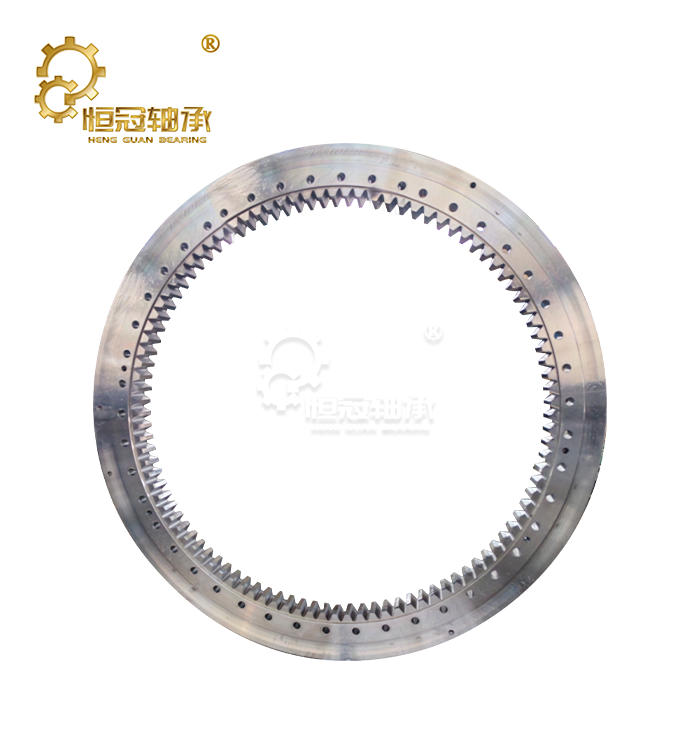
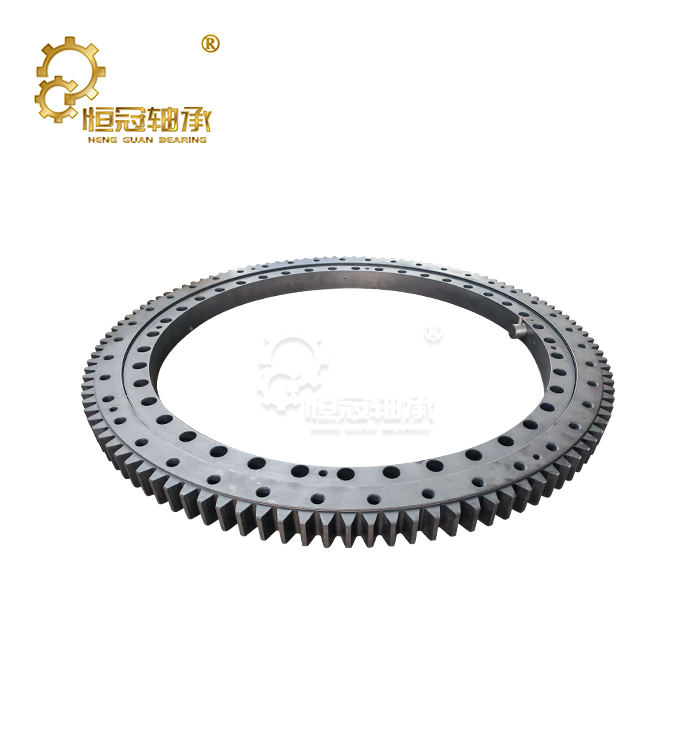
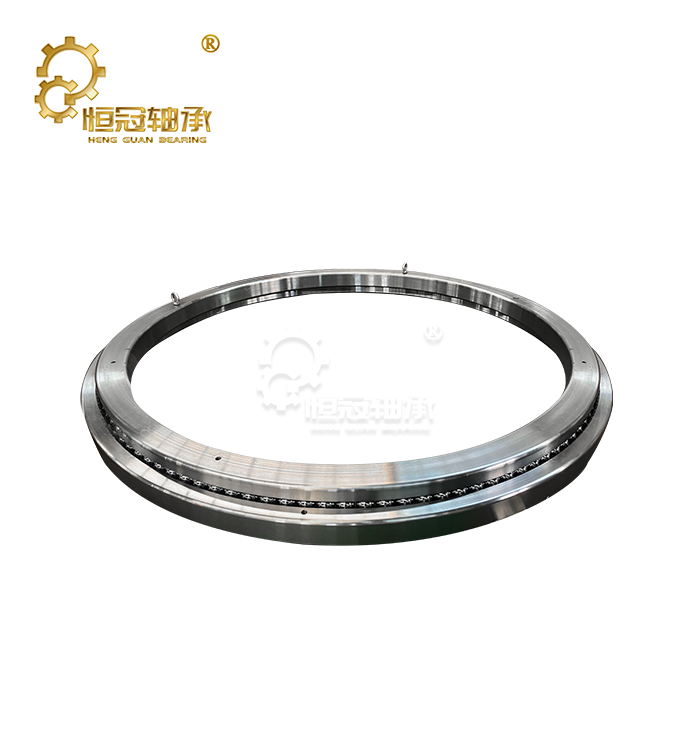
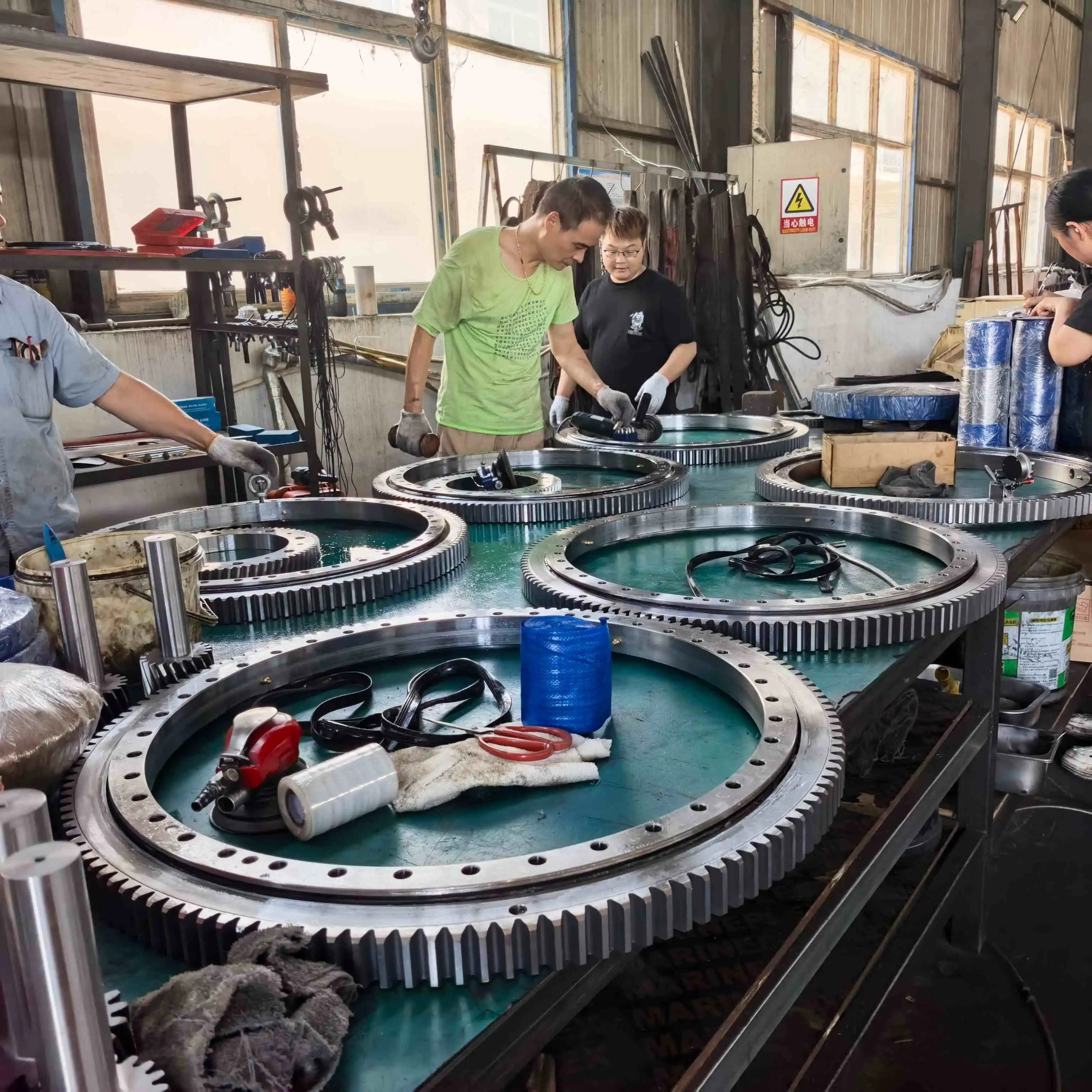
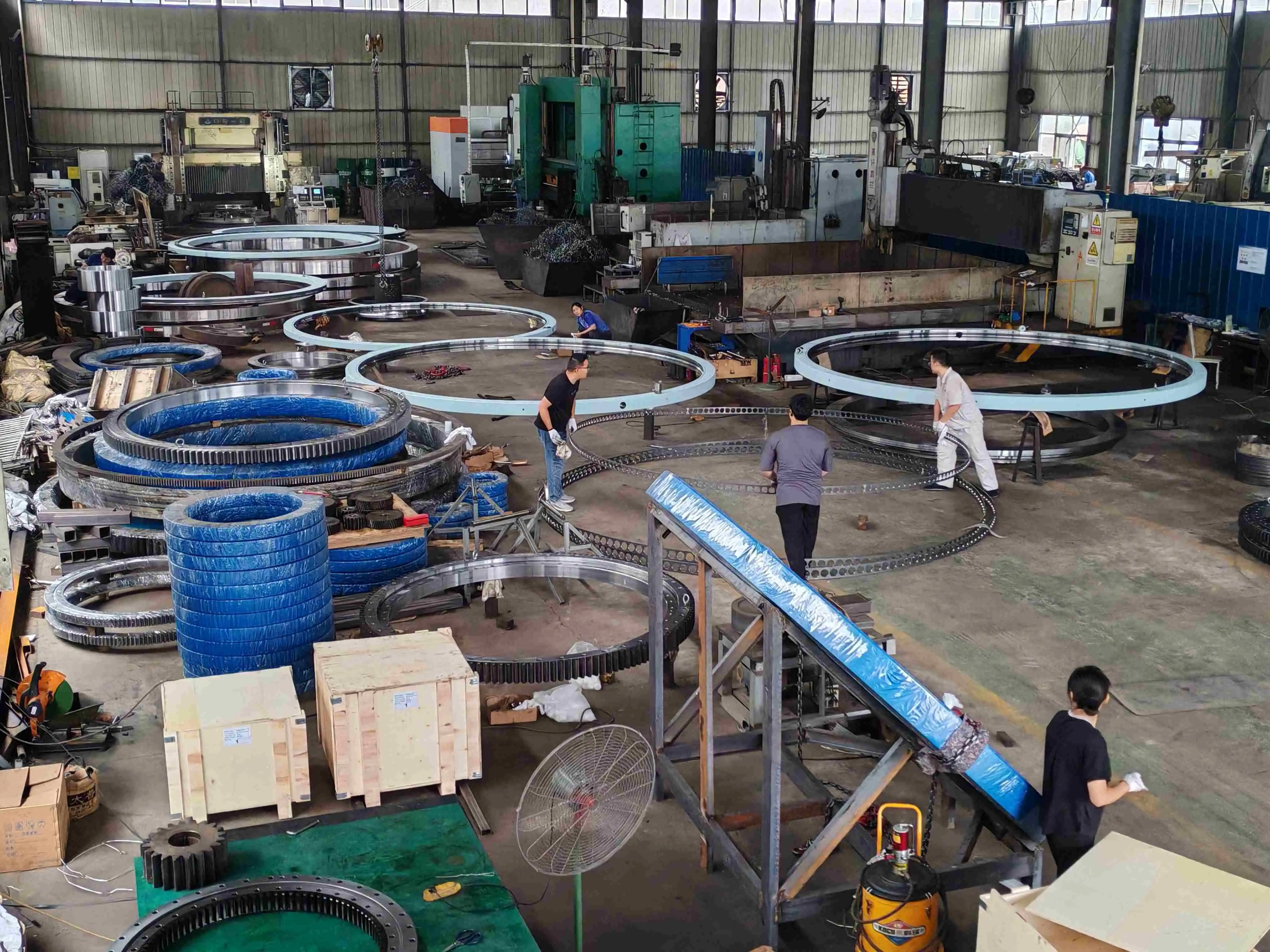
Not every rotating machine needs the same kind of bearing, which is exactly why it's worth understanding where turntable bearings genuinely excel. In this guide, Heng Guan Bearing breaks down the industries, load conditions, and equipment types where these bearings perform best, so you can match the right turntable bearing design to your project. Let's take a closer look at what sets them apart and where they truly earn their keep.
|
|
Which Industries Commonly Use Turntable Bearings?
First, go wide, then narrow down. Turntable bearings are used in a surprisingly wide range of sectors, largely because they address the same fundamental challenge – sustaining axial, radial, and moment loads simultaneously while permitting full 360-degree rotation. They are used in construction and mining for excavator swing circles and crane platforms. They are used for pitch and yaw systems in wind power that must spin dependably for decades.
Lighter industrial turntable bearings are used in automation and robotics, where precise, repeatable motion is needed for production lines and robotic arms, and in medical equipment such as CT scanners, where the positioning precision impacts patient outcomes. Heng Guan Bearing provides to virtually all of these industries. This is part of why the firm knows the varying requirements of the same fundamental bearing type, depending on the application.
| Industry | Typical Equipment |
|---|---|
| Construction & mining | Excavator swing circles, crane platforms, aerial work platforms |
| Wind power | Pitch and yaw systems |
| Ports & material handling | STS cranes, warehouse automation, heavy lifting gear |
| Automation & robotics | Assembly lines, robotic arms, precision motion control |
| Medical | CT scanners, diagnostic and examination tables |
| Defense & other | Radar systems, rocket launchers, solar tracking, metallurgy |
How Do Turntable Bearings Support Different Rotary Applications?
Naturally, this raises the question of how one bearing type adapts to so many different jobs. The answer lies in load combination handling: turntable bearings manage axial loads (vertical weight), radial loads (side forces), and moment loads (tilting forces from offset weight) all within a single compact ring, rather than requiring separate bearings for each direction. This is what allows the same fundamental design — single-row four-point contact, double-row ball, or three-row roller — to serve a rotating crane platform one day and a solar tracking array the next, simply by adjusting size, accuracy grade, and gear configuration.
If you're evaluating which configuration suits your rotary application, our engineers at mia@hgb-bearing.com can review your load data and recommend a suitable structure. When built with this flexibility in mind, industrial turntable bearings tend to outperform generic, single-purpose alternatives over the long run.
| Load Type | Description |
|---|---|
| Axial load | Vertical weight pressing down on the bearing |
| Radial load | Sideways force, often from wind or offset weight |
| Moment load | Tilting force generated by loads away from the center |
Turntable Bearings for Cranes, Automation, and Industrial Machinery
You'd probably think turntable bearings are most important in big equipment, and that's mostly correct. Turntable bearings for cranes are the key connection between the fixed base and the rotating top structure. They absorb the shock loads that occur during lifting and wind exposure, providing smooth rotation with the entire load. In automation and robotics, lighter industrial turntable bearings are built to emphasize low friction and repeatable precision above pure load capacity, because positioning accuracy is more critical than raw strength in these environments.
They are also used in rotating fixtures in manufacturing lines where smooth, low-noise motion keeps production running smoothly. Each Heng Guan Bearing application is engineered differently: a crane platform bearing is designed for peak moment loads, while an automation-grade bearing is tuned for smooth, low-friction cycling, and recognizing this difference upfront avoids expensive mismatches downstream.
| Specification | Range |
|---|---|
| Bore diameter | 100 – 7,000 mm |
| Outside diameter | Up to 10,000 mm |
| Section height | 50 – 500 mm |
| Precision grade | P0, P6, P5, P4 |
| Operating temperature | -40°C to +120°C |
| Relubrication interval | Every 100 – 500 working hours |
How to Choose Turntable Bearings for Your Application?
Now, let’s go through the choosing procedure. Choosing turntable bearings begins with establishing your real load profile – axial, radial, and moment values under normal and peak operating circumstances – since undersizing is the most frequent cause of premature failure. Then choose between sealed (maintenance-free) and open (re-lubricated) types depending on how accessible your bearing will be for service after installation. Accuracy grade also counts. Standard grades are normally good enough for basic machinery, but precision equipment, such as medical scanners or radar platforms, usually demands tighter tolerances.
Heng Guan Bearing suggests sharing your diameter needs, load values, and mounting arrangement early on, since even rough estimations are adequate to narrow down the correct turntable bearing structure for your equipment.
| Selection Factor | What to Consider |
|---|---|
| Load profile | Axial, radial, and moment values at peak operation |
| Maintenance access | Sealed vs. open/re-lubricated design |
| Accuracy grade | Standard vs. precision tolerance requirements |
| Environment | Temperature, contamination, corrosion exposure |
Conclusion
Turntable bearings support an unusually broad range of equipment because they handle multiple load types at once. Heng Guan Bearing engineers each unit around your specific application, from 100mm to 10,000mm in diameter, with 20+ years of manufacturing experience — get in touch to find your fit.
FAQ
1. What load types do turntable bearings support?
Axial, radial, and moment loads are all handled simultaneously within one compact ring.
2. Are turntable bearings only used in heavy machinery?
No — lighter industrial turntable bearings are common in automation, robotics, and rotating displays too.
3. What's the difference between sealed and open turntable bearings?
Sealed bearings are factory-lubricated and low-maintenance; open bearings need periodic re-greasing.
4. Which industries rely most on turntable bearings?
Construction, mining, wind power, automation, and medical equipment all use them extensively.
5. What sizes and lead times are available?
Bore diameters range from 100mm to 7,000mm, with standard sizes shipping in 2–4 weeks and custom designs in 6–8 weeks.
6. How do I know which turntable bearing fits my project?
Email mia@hgb-bearing.com with your load and mounting details for a tailored recommendation.
Find the Right Turntable Bearing for Your Application
Still deciding which turntable bearing suits your equipment? Heng Guan Bearing's engineering team is ready to help. Send your load data and drawings to mia@hgb-bearing.com, and we'll recommend a solution built for reliable, long-term rotational performance.
References
1. International Organization for Standardization. ISO 281: Rolling Bearings — Dynamic Load Ratings and Rating Life. Geneva: ISO, 2007.
2. International Organization for Standardization. ISO 76: Rolling Bearings — Static Load Ratings. Geneva: ISO, 2006.
3. American Bearing Manufacturers Association. ANSI/ABMA Standard 9: Load Ratings and Fatigue Life for Ball Bearings. Washington, DC: ABMA.
4. Harris, T. A., & Kotzalas, M. N. Rolling Bearing Analysis: Essential Concepts of Bearing Technology, Fifth Edition. Boca Raton: CRC Press, 2007.
5. Brändlein, J., Eschmann, P., Hasbargen, L., & Weigand, K. Ball and Roller Bearings: Theory, Design, and Application, Third Edition. Chichester: Wiley, 1999.
6. International Organization for Standardization. ISO 9001: Quality Management Systems — Requirements. Geneva: ISO, 2015.

WHAT OUR CUSTOMERS SAY
Here is the customer's evaluation of us