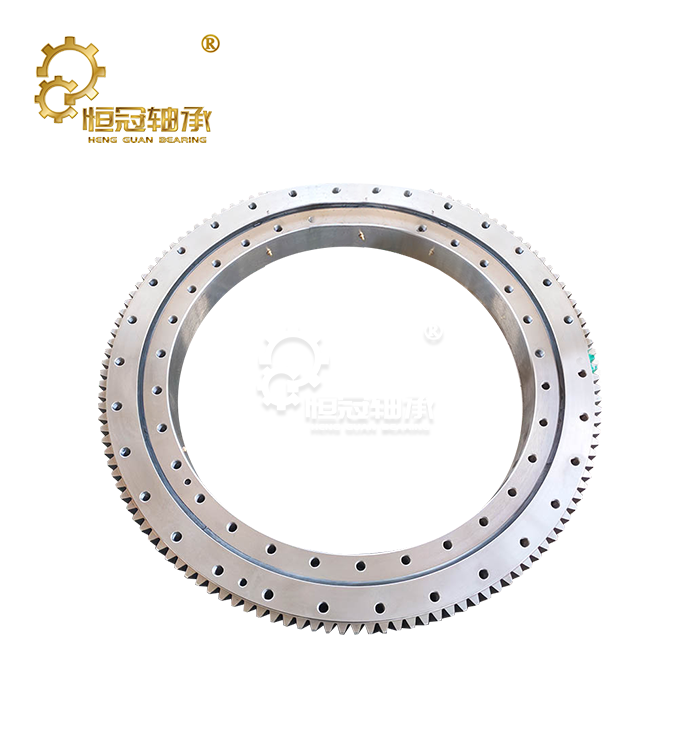




Premium Crane Slewing Bearing for Smooth Rotation
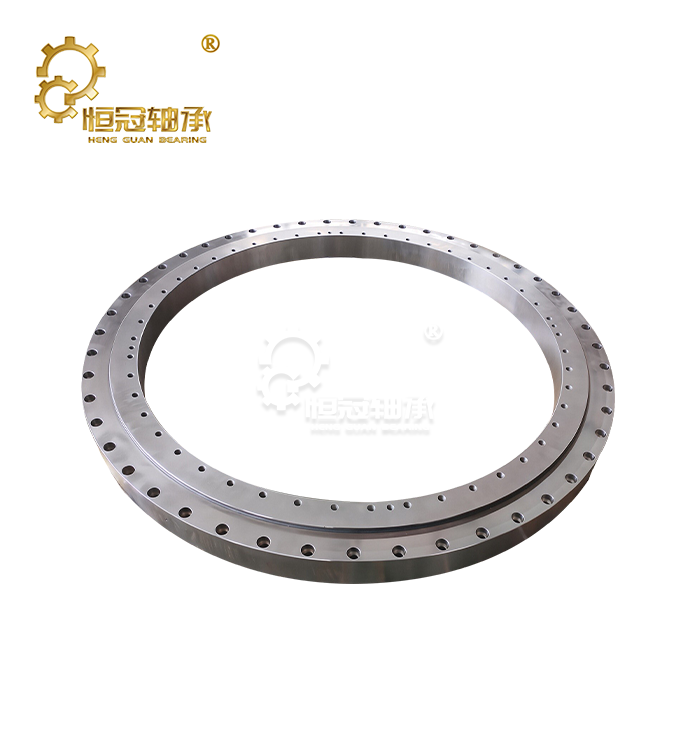
When accuracy and dependability are needed in industrial settings, the Crane Slewing Bearing is the key to making heavy gear rotate efficiently. This bearing, with a large diameter, is designed for simultaneous support of axial loads, radial loads and tilting moments, and it connects the stationary base structure with the spinning upper part of cranes and other heavy machines.
Slewing bearings are different from normal bearings in that they are designed with built-in mounting structures, specific sealing systems and optional gear designs to suit the needs of industry. Their performance directly influences equipment stability, service life and operational safety for industries such as construction, mining, ports and material handling.
Selecting the proper bearing involves more than just the dimensions. The final performance of the equipment is influenced by load conditions, operating environment, quality of material, manufacturing precision and maintenance requirements.

Understanding Crane Slewing Bearings and Their Core Functions
A slewing bearing is a big rotational bearing that is used to support loads between two rotating and fixed parts. It is widely used in cranes, excavators, wind turbines and other machinery that require continuous spinning under severe loads.
Working Principles and Load Handling Capability
A Crane Slewing Bearing is a precision rotating link between the crane undercarriage and the upper frame. In functioning, the bearing must support multiple sorts of forces at the same time:
- Axial loads due to hoisting operations
- Radial loads (horizontal movement and external forces)
- Tilting moments from uneven load distribution
The raceways and rolling parts are cut to precise dimensions, so the bearing turns smoothly. Proper raceway shape and contact design provide for even stress distribution, thus decreasing wear and improving operational stability.
Unlike typical radial or thrust bearings, slewing bearings are capable of supporting multi-directional loads, making them ideal for the intricate movements and heavy-duty applications of cranes.
Main Components and Structural Configurations
The performance of slewing bearing is a function of interaction among a number of components. Each part must be produced to precise specifications for reliable performance.
Key Structural Elements of Slewing Bearings
Main components include:
- Outer Circle and Inner Circle
- Components such as balls or rollers
- Spacer or separator systems
- Sealing elements
- Mounting holes and alternative gear configurations
The load capacity is determined by the design of the raceway and the sealing systems protect the interior components from dust, moisture and other pollutants. Gear accuracy and mounting precision are also critical for rotation performance in crane applications.
Common Slewing Bearing Types for Crane Applications
Different bearing structures are required for different crane systems. The most popular configurations are:
Single row ball bearings:
Suitable for applications with medium loads and balanced axial and radial loads. They are very compact, which makes them practical for many typical crane systems.
Ball bearings – Double row:
These bearings are meant for heavier loads and have increased moment resistance because of added support to the raceways.
Triple roller row bearings:
For very heavy-duty applications requiring maximum load capacity and increased stiffness.
Equipment weight, lifting capability, rotation speed, installation area and expected service conditions define the correct configuration.
Material Selection and Technical Performance Factors
One of the factors is the material quality, which determines the bearing strength, wear resistance and operating life. Generally, industrial slew bearings are constructed using high-strength alloy steels that are capable of withstanding numerous loading cycles.
Common Materials Used in Slewing Bearings
Typical materials used include:
- 50Mn steel: It is utilized for general industrial applications because of its good strength and cost efficiency.
- 42CrMo alloy steel: Used for heavy-duty devices with strong mechanical strength and increased fatigue strength.
Special alloy materials are selected for applications with severe loads, temperature changes or corrosive environments, such as crane slewing bearings.
The hardness and wear resistance of the surface will be improved through heat treatment operations so that the raceways and gears can keep stable performance in long-term operation.
Manufacturing Accuracy and Quality Control
Precision machining directly effects the smoothness of bearing rotation and service reliability. Important controls in manufacturing include:
- Raceway machining precision
- Tooth gear precision
- Heat-treatment hardness testing
- Inspection of dimensions
- Final performance validation
The higher precision grades give better rotational accuracy and are often chosen for equipment where vibration control and position accuracy are crucial.
Design Optimization for Reliable Crane Operation
A well-designed slewing bearing should combine the load-carrying capacity with the rotation efficiency and structure durability. The engineers consider a few things before they decide the final bearing design.
Load Distribution and Raceway Design
One of the most significant design issues is load distribution. Uneven stress concentrations cause the raceways to degrade faster and reduce the service life.
Engineers improve:
- raceway bend
- Choice of contact angle
- Rolling element diameter
- Internal clearance
- Preload conditions
These design factors serve to maintain a stable rotation and to reduce the fatigue load in case of repetitive crane operations.
Accurate load predictions are critical in demanding applications. An inaccurate Crane Slewing Bearing selection might cause premature wear, excessive vibration or unexpected downtime.
Advanced Sealing Systems for Harsh Environments
Crane equipment often is installed outdoors where the bearings are subject to dust, rain, moisture, and temperature variations. So effective sealing is therefore key.
Protecting Internal Components From Pollution
Modern sealing solutions are intended to:
- Keep out of reach of dust and water
- Preserve the lubricant’s performance
- Decrease interior pollution
- Extended service intervals
The raceways and rolling parts are protected by a suitable lubrication system and a reliable sealing structure. This is especially crucial for cranes working in mine sites, ports and construction locations with significant levels of pollution.
Failure Prevention and Maintenance Strategies for Longer Service Life
Even good-quality bearings need regular maintenance for reliable performance. The implemented scheduled maintenance program reduces the unexpected failures, increases the equipment availability and extends the bearing operational life.
Common Failure Causes and Prevention Methods
Understanding potential failure mechanisms enables operators to take preventive action before major damage occurs. Some common difficulties are:
- Overloading or inadequate lubrication leading to raceway wear
- Damage to rolling element by fatigue or contamination
- Seal failure due to extreme environmental exposure
- Misalignment or poor lubrication causing gear wear
Regular examination will help you spot early warning indications, such as unexpected noises, higher vibration levels, higher operating temperatures or excessive resistance to rotation.
Preventive measures are:
- Suggested lubrication intervals
- Checking the mounting bolts' condition
- Control of operational temperature and vibration
- Check seals and gear surfaces regularly
Implementing a proactive maintenance plan increases uptime and ensures constant crane performance.
Lubrication Management and Condition Monitoring
Lubrication is one of the most critical elements impacting slewing bearings' reliability. Correct grease selection and maintenance intervals depend on the working conditions, load level, rotation frequency and exposure to the environment.
Effective Lubrication Practices
A suitable lubrication program should consider:
- with working temperature
- Load Frequency and Duty Cycle
- Rotation velocity
- Dust and moisture conditions
Proper lubrication reduces friction between the rolling elements and raceways and protects interior surfaces against excessive wear.
Monitoring Bearing Performance During Operation
Condition monitoring techniques are used in modern maintenance approaches to discover problems before failure happens. Common monitoring methods include:
- Vibrations analysis
- Measuring Temperature
- Lubricant testing
- Visual Inspection
Performance changes can be tracked over time by maintenance teams to detect abnormal circumstances early and make educated repair decisions.
Repair, Replacement, and Lifecycle Cost Management
Replacement of bearings in large cranes and heavy equipment should be on the basis of present condition and long-term operating expenses, especially when considering the performance and service life of a Crane Slewing Bearing.
Evaluating Repair Versus Replacement
Operators should assess before changing a slewing bearing:
- Life span remaining
- Repairability
- Cost of equipment downtime
- Future Operational Requirements
In rare instances, professional inspection and refurbishment can extend service life. But when wear reaches acceptable limits, replacement is typically the safer and more economical alternative.
A lifecycle approach allows firms to avoid unexpected breakdowns while controlling maintenance costs.

Smart Procurement Guide for Crane Slewing Bearings
Choosing the proper supplier is as crucial as choosing the right design of the bearing. For industrial purchasers, product quality, customisation capabilities and technical assistance are strongly correlated to project success.
Key Factors When Choosing a Slewing Bearing Supplier
Reliable providers must offer more than the standard goods. Buyers should consider:
- Production experience
- Traceability of material
- Quality control procedures
- Capability of custom design
- Reliability of delivery
- Technical support services.
A knowledgeable manufacturer can assist you in choosing the correct bearing structure for your equipment type, load requirements, installation conditions and working environment.
Comparing Different Bearing Solutions
Bearings have varied qualities for different purposes. Buyers should consider the following options:
- Load capacity
- Rotational Accuracy
- Maintenance needs
- Resistance of environment
- Total cost of ownership
Single Row and Double Row Bearing Selection
Single-row designs are often chosen when a compromise between performance and affordability is desired. They are reliable in use with medium loads and in normal operating situations.
The load capacity and the resistance to tilting moments are greater in double-row designs. They are often the favoured choice for cranes and machines operating under larger or more complex loading circumstances, making Crane Slewing Bearing a suitable option for these demanding applications.
The selection should be based on the actual operating needs and not only on the first cost.
Quality Standards and Supplier Evaluation
Professional bearing manufacturers often have tight production and inspection processes to maintain the stability of product quality.
Key points of evaluation are:
- Check the grade of steel
- Heat treatment monitoring
- Dimensional accuracy inspection
- Load test procedures
- Good documentation
Suppliers with significant engineering capabilities can also offer customised solutions, including particular dimensions, gear combinations, sealing requirements and application-specific designs.
The choice of an experienced supplier eliminates procurement risks and helps assure steady equipment performance across the bearing life cycle.
|
|


Why Choose Premium Crane Slewing Bearings from Trusted Suppliers?
Premium bearings do more than just the basics of rotation. They are meant to provide stable operation, less maintenance and better equipment reliability.
Advantages of Quality-Assured Products
High-quality Crane Slewing Bearing products are made using regulated procedures with a focus on the following:
- Choice of good material
- Precision Machining
- Stable heat treatment
- Assembly, proper
- Performance testing
These quality controls enable bearings to resist harsh working conditions and retain their capacity to rotate smoothly and carry loads.
In crane applications where downtime is costly, reliable bearing solutions can improve operational efficiency and minimize long-term maintenance costs.
Technical Support and Customized Solutions
Industrial equipment has some specific needs and that is why experienced providers offer technical support during the acquisition process.
Support services might include:
- How to select bearings: guidance
- Engineering solutions tailor-made
- Installation Tips
- Tips for care
- Technical support after sales
A supplier with good technical expertise can assist the customer in selecting the optimal bearing specification and avoid problems caused by poor size or inappropriate configurations.
Future Development Trends in Slewing Bearing Technology
slewing bearing technology.
The next steps are:
- stronger alloys
- Better sealing designs
- Improved machining accuracy
- Intelligent condition monitoring systems
- Prognostics & Predictive Maintenance
These enhancements enable heavy equipment to perform more efficiently, extend service intervals and enhance safety.
Conclusion
A dependable Crane Slewing Bearing is critical for effortless rotation, secure load support, and steady operation of industrial machinery. The proper bearing is chosen by carefully considering the type of structure, the quality of the material, the load requirements, the maintenance requirements and the supplier's capabilities.
High-quality slewing bearings, with rigorous manufacturing standards and the backing of skilled technical services, can help you save downtime, improve the reliability of your equipment and boost the total value of your operations.
For crane manufacturers, equipment operators and industrial purchasers, partnering with an experienced bearing supplier guarantees the chosen solution satisfies today’s standards and supports future performance needs.
|
|


FAQ
1. What factors influence bearing lifespan in crane applications?
The main things that affect how long a bearing lasts are the load conditions, the quality of the upkeep, the surroundings, and how it is used. Operational life is greatly increased by ensuring proper lubricant, regular checks, proper load management, and environmental protection. Operating within the limits of design and following the manufacturer's suggestions will ensure the longest life.
2. How do I select the appropriate bearing type for my specific crane model?
When choosing a bearing, you need to think about the load, the rotational speed, the surroundings, and the available room. When looking at your choices, you should think about axial loads, radial forces, moment loads, and the frequency of activity. Talking to bearing experts can help you make the best choice based on your unique working needs.
3. Are customization options available from reputable manufacturers?
Most well-known makers let you make a lot of changes, like using non-standard sizes, materials, closing systems, and designs that are made to fit your needs. Custom solutions are made to fit the specific needs of each business while still meeting quality standards and delivering reliable results.
Contact Heng Guan for Premium Crane Slewing Bearing Solutions
With over 20 years of experience in heavy-duty uses, Heng Guan Bearing Technology is a crane slewing bearing maker with a lot of skill. Our wide range of products includes bearings with diameters from 20 to 10000 mm and precision grades from P0 to P4. This means that we can provide the best solutions for your unique business needs. We are in Luoyang, which is known as a hub for making bearings. We use modern production techniques and strict quality control to make sure that our bearing solutions are reliable and cost-effective. Email our technical experts at mia@hgb-bearing.com to get personalized advice and cheap quotes that are made to fit your needs.
References
1. Zhang, L., & Chen, M. (2023). "Advanced Design Principles for Large-Scale Slewing Bearings in Heavy Machinery Applications." International Journal of Mechanical Engineering, 45(3), 234-251.
2. Johnson, R., & Williams, K. (2022). "Load Distribution Analysis in Multi-Row Slewing Ring Bearings for Construction Equipment." Bearing Technology Quarterly, 28(4), 78-95.
3. Thompson, A., et al. (2023). "Maintenance Optimization Strategies for Crane Slewing Bearings in Mining Operations." Industrial Maintenance and Reliability, 31(2), 156-173.
4. Liu, X., & Anderson, P. (2022). "Material Selection and Heat Treatment Effects on Slewing Bearing Performance in Harsh Environments." Materials Science in Engineering, 67(8), 445-462.
5. Rodriguez, M., & Kim, S. (2023). "Comparative Performance Analysis of Sealing Technologies in Large Diameter Rotating Bearings." Tribology International, 89(5), 312-329.
6. Brown, D., & Taylor, J. (2022). "Economic Analysis of Premium Bearing Selection in Heavy Lifting Equipment Procurement." Industrial Equipment Management, 19(7), 203-220.

WHAT OUR CUSTOMERS SAY
Here is the customer's evaluation of us

_1767784942887.webp)