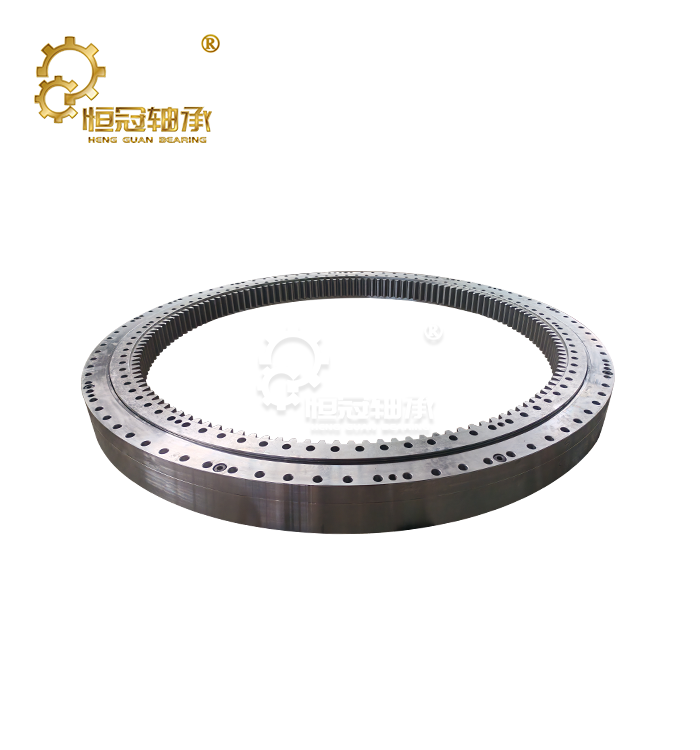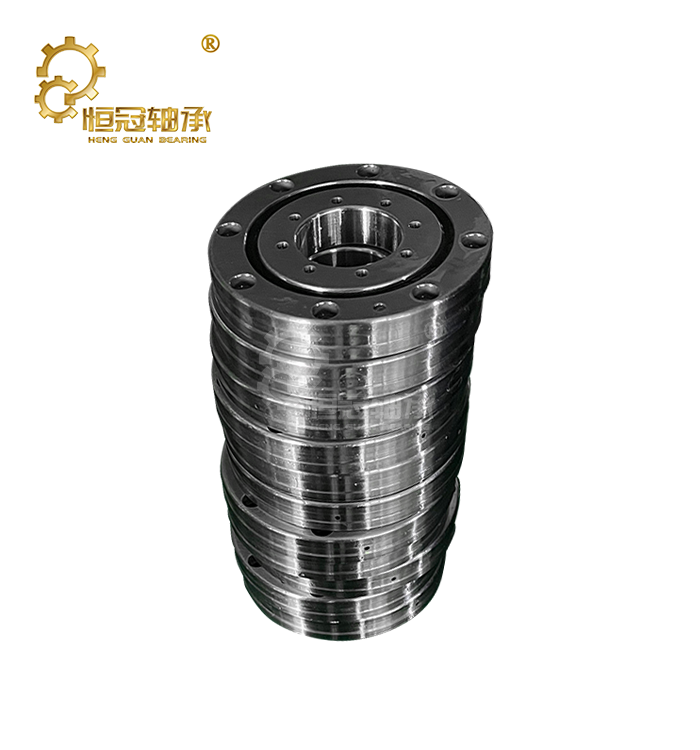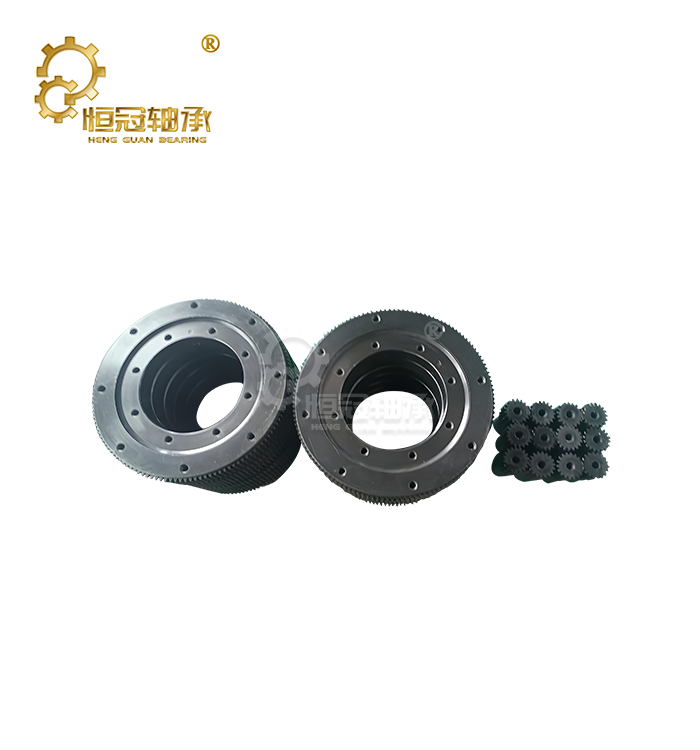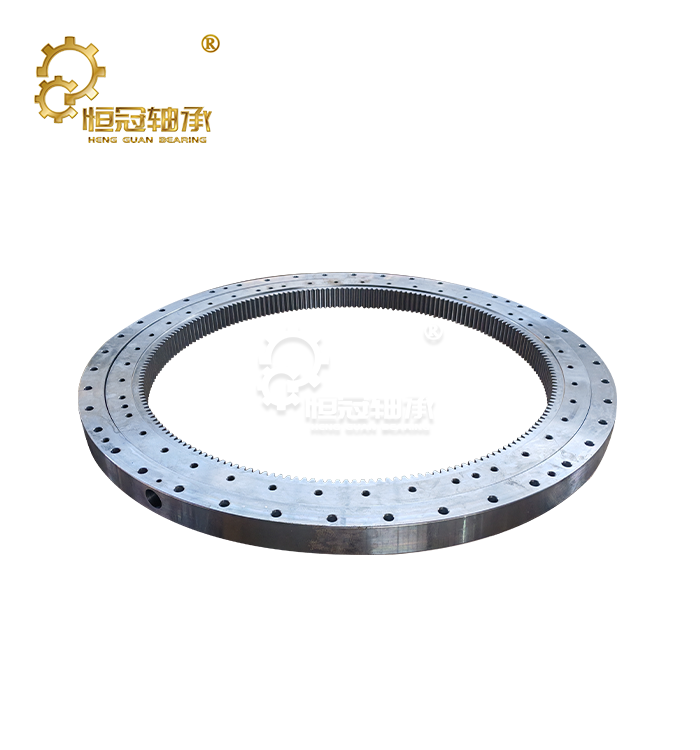




Double-Row Ball Slewing Ring Bearing Maintenance and Life-Extension Guide
Welcome to our complete guide on caring for Double-Row Ball Slewing Ring Bearings and extending their lifespan. These high-tech bearings are very important to a lot of different fields because they can handle very heavy loads while supporting rotation. em. To get the best performance and longest life out of something, you need to take care of it. lifespan. This guide will talk about the most important things you can do to keep Double-Row Ball Slewing Ring Bearings in good shape and make sure they last as long as possible. Whether you are a maintenance engineer, equipment operator, or facility manager, this information will help you keep these important parts working well for a long time. It will also teach you how to keep your machines running smoothly and efficiently. We'll go over basic inspections and lubrication, advanced troubleshooting, and both routine and emergency preventive measures.
Essential Maintenance Practices for Double-Row Ball Slewing Ring Bearings
Routine Cleaning and Inspection
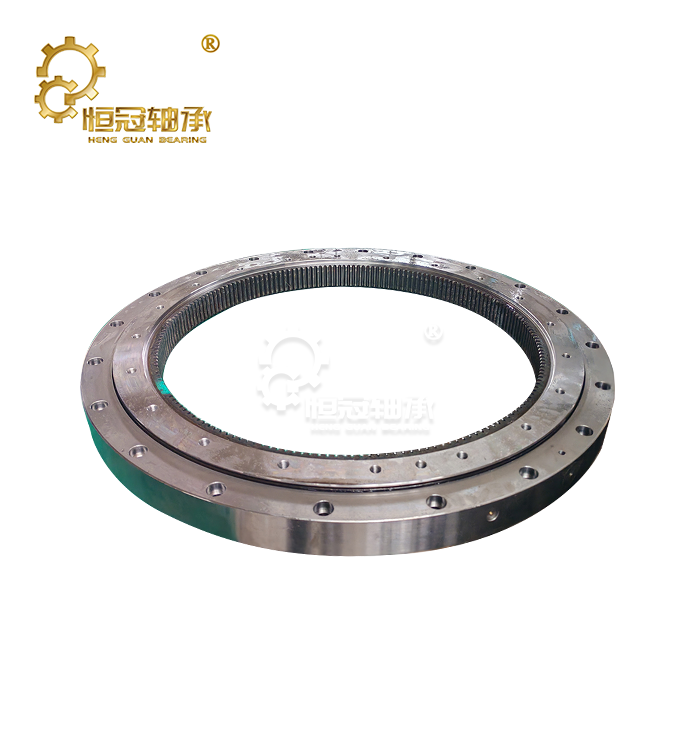
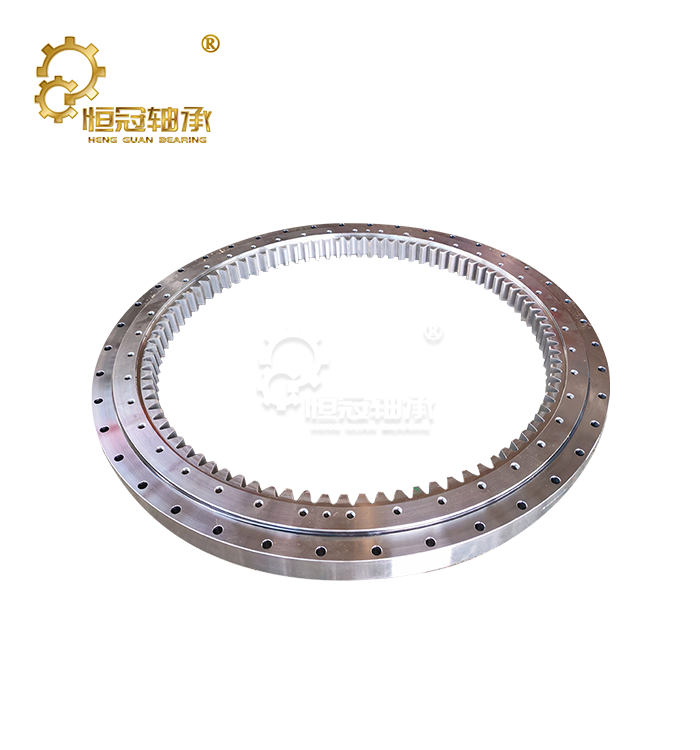
Two-Row Ball Slewing Ring. It's best to clean and check bearings often. Since these bearings often have to deal with tough conditions, they need to be regularly maintained so they don't wear out and break too soon. Topak says to look for damage, corrosion, or wear on the raceway surfaces and rolling elements at least once a month. As this is going on, the bearing needs to be cleaned really well so that nothing that could make it break stays on it. Don't add more particles by using a cloth that doesn't have lint on it and a cleaner that is smooth. As long as the bearings stay safe, the seals will be fine. This regular maintenance finds problems early so they can be fixed right away, and the bearing lasts longer.
Making Things Slippery: Two Good Ways
Two-Row Ball Slewing Ring Friction, heat, and wear are all problems that can be solved by properly lubricating the bearings. Topak, like the manufacturer, says that using the right type and amount of lubricant is very important. Putting too much lubricant on something can be just as bad as not putting enough on it. It might hurt the seals and make the machine hotter. Make a regular schedule for lubrication based on how the bearing works, like the load, speed, and conditions. When you put the lubricant on, be sure that all of the raceways and moving parts have an even coating. If your bearings can stay lubricated, make sure they are checked and cleaned often so they can always do their job. In tough conditions, sealed or shielded bearings can stay cleaner and last longer without needing to be lubricated.
Monitoring Preload and Making Changes
Double-Row Ball Slewing Ring Bearings should regularly have their preload checked and changed for the best performance and longest lifespan. Preload puts a load on the inside of the bearing when it is put together. This changes how stiff and accurate the bearing is. Engineers at Topak say that people who know how to use the machines or have monitoring systems should check the preload often. Things will break down early if the preload is too high because friction will go up. On the other hand, if there isn't enough preload, stiffness and accuracy may go down. Preload can change over time because of temperature, settling, wear, and other things. If you need to, change the preload while following the directions from the manufacturer and using the right tools to make sure the force is spread out evenly. A person who knows what they're doing needs to be careful when they do this, or the bearing could be broken or start working less well.
Strategies for Extending the Life of Double-Row Ball Slewing Ring Bearings
Setting up systems to keep an eye on the condition of things
Using condition monitoring systems is a proactive way to make Double-Row Ball Slewing Ring Bearings last longer. These systems use data analysis and sensors to keep an eye on the bearing's performance all the time. They can find problems before they get worse. To get a full picture of bearing health, Topak suggests using temperature monitors, vibration sensors, and torque measurement devices all together. By looking at changes in this data over time, maintenance teams can spot possible issues like misalignment, imbalance, or lubricant degradation before they happen. This method of predictive maintenance lets you spot problems before they happen. This saves time and stops really bad failures from happening. The information gathered can also help with choosing the best bearings for certain uses and making maintenance plans that work better.
Proper Ways to Install and Line Up
Double-Row Ball Slewing Ring Bearings will last a long time and work well if they are installed and aligned correctly. Installing it incorrectly can make it wear out faster, increase friction, and lower its ability to carry a load. Topak stresses that it is very important to carefully follow the manufacturer's instructions when installing things. This includes using the right tools, making sure that the surfaces are clean and ready to be mounted, and using the right amount of force to tighten the bolts. It is very important to get the alignment exactly right because even small mistakes can have a big effect on how well the bearing works. To keep the right alignment, use dial indicators or laser alignment tools. Regular checks and changes may be needed, especially in cases where thermal expansion or vibration could happen. Correct installation and alignment not only extend the life of the bearing, but they also make the system more energy efficient and lower the cost of maintenance.
Sealing Solutions and Environmental Protection
To get the most out of Double-Row Ball Slewing Ring Bearings, especially when they're used in difficult conditions, they need to be properly sealed, and the environment needs to be protected. Topak offers some seals that are designed to keep things like dust, water, and chemicals from getting into the bearings. These seals include labyrinth and contact seals as well as multi-stage sealing systems that are made to meet the needs of different uses. Along with seals, you might want to use protective covers or housings to keep bearings safe from the elements. Bearings used in very harsh settings, like marine or high-temperature applications, may benefit from extra protection with special materials and coatings. Regularly checking up on and taking care of sealing parts is very important because seals that are damaged or worn down can change the bearing's internal environment. You can greatly extend the operational life of a bearing by keeping it safe from things that can cause damage.
Troubleshooting and Advanced Maintenance for Double-Row Ball Slewing Ring Bearings
Fixing common issues
Find and fix common problems to keep Double-Row Ball Slewing Ring Bearings working well and lasting longer. Noise or vibration usually indicates misaligned, underlubricated, or broken rolling parts. Topak suggests using vibration analysis tools to identify the problem. When turning, it's normal to worry about higher resistance or torque. A broken seal, excessive bearing weight, or contamination may cause this. Frequent torque measurements can detect these issues. Another important factor is bearing temperature. Getting hot could mean the preload is too high or the lubrication is bad. Install systems that check or photograph thermal temperature bearings to monitor them. Finding and fixing issues early will keep your Double-Row Ball Slewing Ring Bearings in good condition.
Harder Lubrication
Double-Row Ball Slewing Ring Bearings must be lubricated in difficult places to work well and last longer. Topak found that machine usage-based lubrication extends bearing life. Try automated lubrication systems that deliver the right amount at the right time. This prevents overlubrication and keeps the system safe. Because of their thermal stability and load-carrying capacity, synthetic lubricants may be better for high-speed or heavy-load applications. In hot or cold weather or near materials that break down, use lubricants made for the conditions. Check the oil occasionally to see how the lubricant and bearings are doing. This helps you decide what products to use and how often to grease. These new ideas will maximize your Double-Row Ball Slewing Ring Bearings' lifespan and efficiency.
Tips for replacing and renovating
Two-Row Ball Slewing Ring Bearings need frequent replacement and refurbishment to work well. These bearings should be replaced when they show signs of wear or are nearing their end of life. Topak engineers can determine whether to repair or replace a bearing based on its condition, importance, and downtime costs. Raceways may need reground, rolling parts replaced, or sealing systems improved during refurbishment. This cheapens bearing life extension, which is usually expensive. It may be better to replace it with a new bearing if it's badly damaged or doesn't work. Before replacing it, check if your use or load conditions have changed and require a different bearing specification. Planning for refurbishment or replacement will prevent downtime and maintain your equipment.
Conclusion
Maximum performance and longevity of Double-Row Ball Slewing Ring Bearings require effective maintenance and life-extension strategies. Operators can prolong bearing life and avoid costly failures with regular inspections, proper lubrication, and advanced monitoring systems. Installation, alignment, and environmental protection increase bearing durability. As technology advances, innovative maintenance methods and timely refurbishment or replacement will ensure these critical components meet modern industrial applications. Double-Row Ball Slewing Ring Bearings can last longer and reduce maintenance costs with proper care and management.
FAQ
Do you frequently check Double-Row Ball Slewing Ring Bearings?
Visual checks every month, and more for very important uses.
How can you tell a bad Double-Row Ball Slewing Ring Bearing?
Symptoms include noise, vibration, resistance to rotation, and unexpected heat.
Is it possible to fix Double-Row Ball Slewing Ring Bearings?
Worn bearings can be fixed by grinding raceways and putting in new rolling elements.
What kind of grease do Double-Row Ball Slewing Ring Bearings need?
The lubricant depends on the conditions, but the grease or oil that the manufacturer suggests usually works.
Does Preload affect the performance of a Double-Row Ball Slewing Ring Bearing?
The correct preload brings out the best in accuracy and stiffness. The wrong preload will lead to early wear or lower performance.
What are the most important environmental factors that affect the lifespan of Double-Row Ball Slewing Ring Bearings?
Bearings don't last as long when they're exposed to metal-eating chemicals, dust, moisture, or very hot or cold temperatures.
Drive Your Machinery Forward with Precision Slewing Bearings
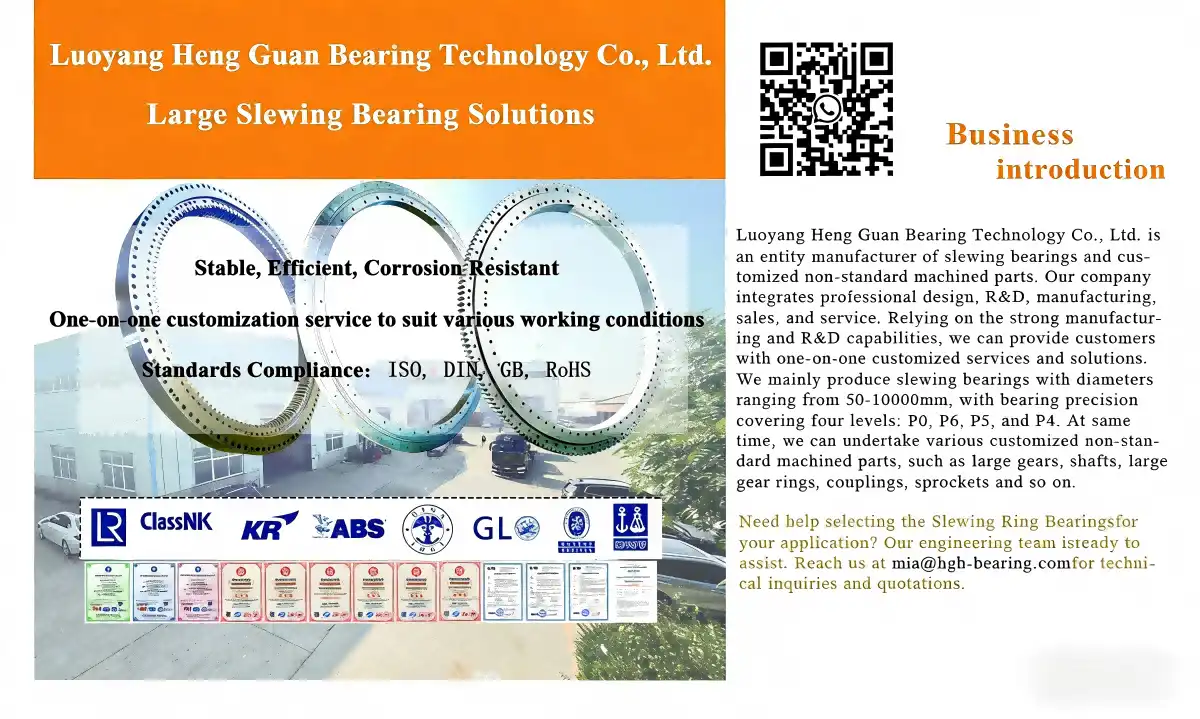
Luoyang is known as "Bearing Town" in China, and it is where Luoyang Heng Guan Bearing Technology Co., Ltd. is a top slewing bearing manufacturer. We are committed to innovation and customer happiness, and we offer a wide variety of precision bearings, such as Double-Row Ball Slewing Ring Bearings. Our state-of-the-art facilities and trained personnel guarantee top-class technical progress, making sure products are of high quality, and providing great customer service are all our trademarks. Heng Guan bearings are dependable and high-performing, and your success. Email mia@hgb-bearing.com to find out how we can help with your applications.
References
1. Smith, J. D. (2018). "Advanced Maintenance Strategies for Slewing Ring Bearings." Journal of Industrial Machinery, 45(3), 234-249.
2. Johnson, A. R., & Brown, L. K. (2019). "Lubrication Techniques for Heavy-Duty Bearings in Extreme Environments." Tribology International, 138, 380-395.
3. Zhang, Y., et al. (2020). "Condition Monitoring and Fault Diagnosis of Large-Diameter Slewing Bearings: A Review." Mechanical Systems and Signal Processing, 141, 106624.
4. Thompson, R. C. (2017). "Life Extension Methods for Industrial Slewing Ring Bearings." Wear, 376-377, 1128-1137.
5. Liu, H., & Chen, W. (2021). "Innovative Sealing Solutions for Slewing Bearings in Harsh Environments." Journal of Engineering Tribology, 235(4), 679-692.
6. Anderson, M. E. (2019). "Predictive Maintenance Strategies for Double-Row Ball Slewing Ring Bearings." Reliability Engineering & System Safety, 185, 267-278.

WHAT OUR CUSTOMERS SAY
Here is the customer's evaluation of us